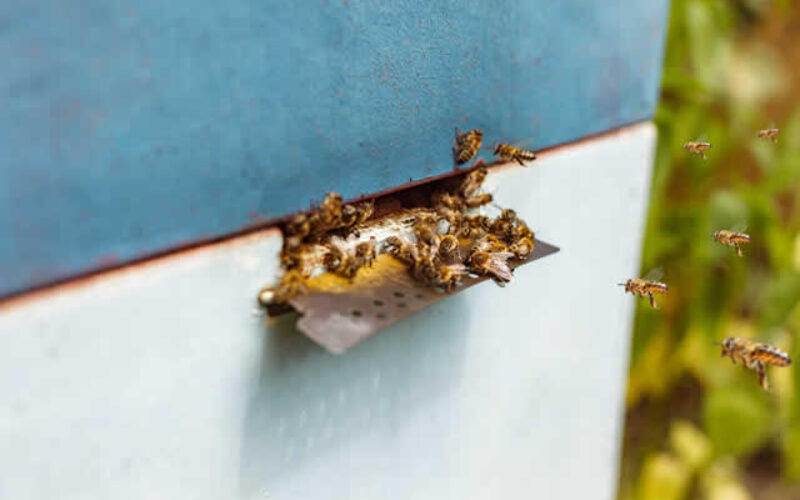
The good news is that there are numerous humane removal methods that protect both the bees and your property, ensuring these vital pollinators can continue their important work elsewhere.
Why Humane Removal Matters
Honey bees play a crucial role in pollinating crops and wild plants, contributing billions of dollars to agricultural economies worldwide. Unfortunately, bee populations have faced significant challenges in recent decades due to habitat loss, pesticide exposure, and disease. This makes every colony valuable and worth preserving rather than destroying.

Humane removal methods focus on relocating entire colonies safely, allowing them to establish new homes in more suitable locations. This approach benefits everyone involved: property owners regain peace of mind, bees continue their essential ecological work, and the broader environment maintains these critical pollinators.

Prevention
The most effective bee management strategy begins with prevention. Regular property maintenance can significantly reduce the likelihood of bees choosing your space for their new home. Seal cracks and crevices in walls, rooflines, and other structures where scout bees might identify potential nesting sites.
Remove or secure potential attractants such as standing water sources, flowering plants immediately adjacent to buildings, and old tree stumps or hollow structures. While you shouldn’t eliminate all flowering plants (they’re beneficial for local ecosystems), strategic placement away from high-traffic areas can help redirect bee interest.
Live Removal Techniques
When bees have already established a colony, several humane removal methods can relocate them without harm. The most common approach involves carefully extracting the entire hive structure, including the comb, brood, and queen, then transferring everything to a suitable hive box.
This process requires specialized equipment and knowledge of bee behavior. The removal typically occurs during daylight hours when most worker bees are present in the hive. Smoke is often used to calm the bees during the process, making them less likely to become defensive.
For swarms that haven’t yet established a permanent home, removal is often simpler. These temporary clusters can frequently be coaxed into a collection box and relocated with minimal disruption to the bees or property.
Timing Considerations for Removal
The timing of bee removal significantly impacts both success rates and bee survival. Spring and early summer removals tend to be most successful because colonies are actively growing and have the best chance of establishing themselves in new locations.
Late season removals can be more challenging, as bees have less time to build up adequate food stores for winter survival. However, this doesn’t mean late-season removal should be avoided entirely – it simply requires more careful consideration of the new location and possibly supplemental feeding.
Weather conditions also play a role in timing decisions. Calm, warm days are ideal for removal activities, while cold, rainy, or windy conditions can stress bees and make the process more difficult for both the insects and the removal specialists.

5 Beautiful Tips for Creating a Bee-Friendly Garden
Want to take care of the planet? There are a few ways you can do just that—you could plant a tree, recycle more, or create a compost bin. You could also start a garden to knock out a few birds with one stone. Gardens don’t just provide you with fresh food or flowers for the table; they’re also a place you can put the compost, and they help the birds and the bees.
Professional Removal Services
While some property owners might consider attempting bee removal themselves, professional services offer significant advantages in terms of safety, effectiveness, and bee welfare. Trained specialists possess the knowledge, experience, and equipment necessary to handle various colony situations safely.
Professional bee removal experts like Nelson’s Bee Removal can accurately assess colony size, location accessibility, and the best removal approach for specific circumstances. They understand bee behavior patterns and can predict how colonies might respond to different removal techniques, minimizing stress on the insects.
Many professional services also maintain relationships with local beekeepers who can provide appropriate homes for relocated colonies. This network ensures that removed bees have the best possible chance of thriving in their new environment.


Additionally, professional services often provide follow-up support, including property inspection to prevent future infestations and guidance on bee-friendly landscaping practices that benefit pollinators while keeping them at a comfortable distance from human activity areas.
Supporting Pollinator Health Beyond Removal
Even after successful bee removal, property owners can take steps to support overall pollinator health in their area.
Creating pollinator-friendly gardens with native flowering plants provides essential resources for bees and other beneficial insects while directing their activity away from buildings and high-traffic areas.
Consider establishing these pollinator gardens at property boundaries or in areas where bee activity won’t conflict with daily human activities. This approach creates a win-win situation: supporting essential pollinators while maintaining comfortable spaces for people.
other related analysis of interest: (new win)
Find Pest and Environmental Services Pest Control Lead-Mold-Radon Recovery Services Water Softening top-rated, pre-screened local contractors FREE: download contractor selection enter zip code – powered by HomeAdvisor ™


Image credit: by envato.com
end of post … please share it!
| more photo remodeling |
Jump Over to Our Photo Analysis Center for Ideas on
"Renovating Home"
|__________________________________________________________|
home remodeling surprise
find out where it might go - new win


Helpful article? Leave us a quick comment below.
And please share this article within your social networks.