
A home can look spotless while still having problems that affect how comfortable, safe, and manageable it feels. Air movement, moisture, maintenance, and everyday habits all influence the condition of living spaces. Understanding the factors that affect your home’s health means looking beyond appearances and paying attention to how different parts of the property work together. Small warning signs often reveal issues long before they become expensive repairs. A practical approach combines regular observation with preventive care rather than waiting until something breaks.
Moisture and Humidity
Excess moisture is one of the most persistent threats to a home’s condition. Leaky pipes, roof damage, poorly sealed windows, and damp basements can gradually weaken materials. Even without an obvious leak, humid air can encourage condensation around windows, behind furniture, and inside poorly ventilated rooms. These conditions may support mold growth and contribute to musty odors.
Homeowners should investigate recurring dampness instead of simply covering stains or masking smells. Repairing the source of water intrusion, drying affected materials promptly, and maintaining appropriate indoor humidity can protect finishes and reduce the likelihood of recurring problems. Bathrooms, kitchens, crawl spaces, and laundry areas deserve particular attention because they routinely generate or collect moisture.
Ventilation and Indoor Air
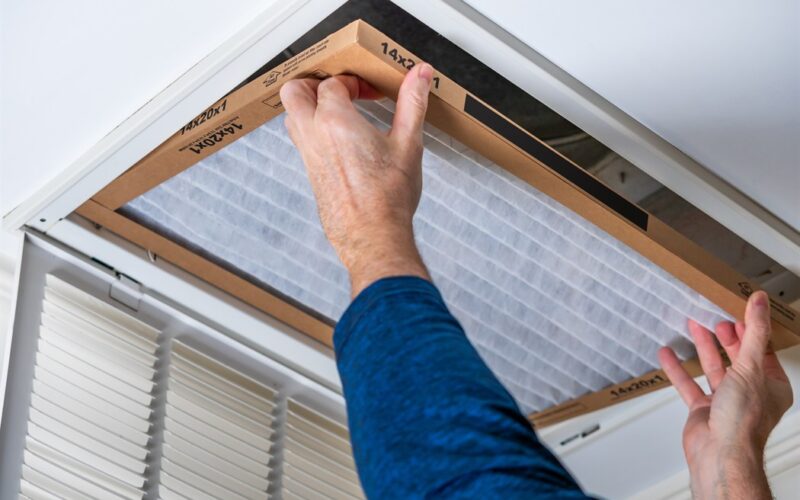
Fresh air circulation helps remove excess moisture, cooking odors, and pollutants generated by ordinary activities. When exhaust fans are weak, vents are blocked, or airflow is uneven, contaminants may linger indoors. Regularly cleaning ventilation grilles, using kitchen and bathroom exhaust fans, and maintaining heating and cooling equipment can improve conditions. Filtration can also play a supporting role.
For example, reducing airborne mold spores may be one part of an indoor air strategy, although air purifiers do not fix leaks or remove established mold growth. The priority remains controlling moisture and addressing contamination at its source. Homes with persistent odors or visible mold should be assessed for the underlying cause rather than relying on filtration alone.
Temperature and Insulation
A house that struggles to maintain consistent temperatures may have more than a comfort problem. Gaps around doors, inadequate attic insulation, and poorly sealed ducts can force heating and cooling systems to work harder. Uneven temperatures may also create cold surfaces where moisture condenses.
Weatherstripping, targeted air sealing, and insulation improvements can reduce drafts and stabilize indoor conditions. Before making major upgrades, it helps to identify where conditioned air is escaping. A professional energy assessment can reveal problems that are difficult to spot during a casual walk-through. Improving the building envelope supports comfort while limiting unnecessary energy use and wear on mechanical equipment.
Cleaning and Household Habits
Daily routines influence the indoor environment more than many homeowners realize. Dust collects on shelves, fabrics, vents, and other surfaces, while tracked-in dirt and clutter can make cleaning harder. Vacuuming with suitable filtration, laundering bedding, wiping high-touch surfaces, and keeping entryways tidy all help maintain a cleaner space. Product choices matter, too.
Strongly scented sprays may disguise an odor without resolving its cause, and mixing cleaning chemicals can be dangerous. Follow label instructions and provide ventilation when using household products. Keeping storage areas organized also makes it easier to notice damp patches, pest activity, or small leaks before they spread.
Plumbing and Hidden Leaks
Not every plumbing problem announces itself with a puddle. A slow drip under a sink, a failing toilet seal, or a supply line hidden behind a wall may cause damage over time. Warning signs include unexplained water bills, peeling paint, warped flooring, and persistent discoloration.
Checking visible connections and appliance hoses periodically can help catch deterioration. Water heaters, washing machines, dishwashers, and refrigerators with water lines deserve routine inspection. When a leak is suspected inside a wall or beneath flooring, prompt professional attention can prevent a minor repair from turning into extensive restoration. Fixing the cause matters more than repeatedly repairing the visible surface.
Exterior Drainage and Structural Care
The home’s exterior plays a major role in protecting indoor spaces. Gutters filled with debris can overflow near walls and foundations, while soil that slopes toward the house may direct rainwater where it does not belong. Cracked caulking, damaged siding, and deteriorating roof components can also create entry points for moisture.
Seasonal inspections help identify these vulnerabilities. Clear drainage paths, maintain downspouts, and address damaged exterior materials before severe weather arrives. Pay attention to new cracks, sticking doors, or unusual floor movement, which may warrant a qualified inspection. Preventive exterior work is often less disruptive than repairing hidden water damage after it has spread.
Lighting, Noise, and Everyday Comfort
A healthy-feeling home also supports the people living in it. Rooms with inadequate daylight may feel less inviting, while harsh artificial lighting can make work and relaxation uncomfortable. Layered lighting, adjustable window coverings, and thoughtful furniture placement can improve how spaces function throughout the day.
Noise deserves attention as well. Rattling equipment, poorly sealed windows, and echoes in sparsely furnished rooms can contribute to distraction. Soft furnishings, door seals, and routine equipment maintenance may help. These details do not replace essential repairs, but they show that household well-being includes daily usability alongside physical building conditions.
Building a Preventive Maintenance Routine
Consistency makes home care easier. Instead of tackling every task at once, divide inspections across the seasons. Check smoke and carbon monoxide alarms according to manufacturer guidance, replace HVAC filters when needed, look for plumbing leaks, and inspect areas prone to condensation.
After heavy storms, examine gutters, ceilings, and accessible attic spaces for signs of water intrusion. Keep a simple record of repairs and recurring concerns so patterns are easier to recognize. Knowing when to call a licensed professional is equally important, especially for electrical hazards, structural changes, or extensive mold contamination. Preventive maintenance cannot eliminate every surprise, but it improves the chances of catching trouble early.
A More Complete View of Home Health
Considering the conditions that influence your home’s overall health encourages a balanced approach. Clean surfaces are helpful, but moisture control, reliable systems, adequate ventilation, and sound exterior protection carry equal weight. Homeowners do not need to renovate everything to make progress. Start with the most urgent risks, follow up on warning signs, and make small improvements that can be maintained over time. The result is a home that is easier to care for, more comfortable to occupy, and better prepared for changing seasons.
Image Credentials: By Scott Habermann, 372324816
|__________________________________________________________|
home remodeling surprise
find out where it might go - new win


Helpful article? Leave us a quick comment below.
And please share this article within your social networks.