But termites are far from the only threat lurking in your walls, eaves, and wooden structures. Carpenter bees and carpenter ants are equally capable of inflicting serious structural damage, yet they often go undetected until the problem becomes costly to repair.
Understanding these two pests—how they behave, what signs to look for, and how to address an infestation—gives homeowners the knowledge to protect one of their most valuable assets.
This guide walks you through everything you need to know, from early detection to long-term prevention.
- post content
- The Anatomy Of Carpenter Bee Damage And Structural Risks
- Identifying Carpenter Bee Infestations
- Treatment And Prevention Strategies For Carpenter Bees
- Understanding The Behavior Of Carpenter Ants
- Signs Of Detection For Carpenter Ant Colonies
- Treatment Protocols For Eliminating Carpenter Ants
- Long-Term Protection Against Wood-Boring Pests
- Securing Your Home Through Vigilance And Expertise
- view table:content summary
- view notes:collective tips
- view ideas:latest remodeling analysis
- related post (new win):72-Hour Emergency Kit
Identifying Carpenter Bee Infestations
Spotting a carpenter bee infestation early is the single most effective way to limit damage. Fortunately, the signs are relatively easy to identify once you know what to look for.
The most obvious indicator is the presence of perfectly round entry holes, about the size of a finger, drilled into exposed wood surfaces. Unlike termite damage, which tends to be hidden inside walls or beneath the soil, carpenter bee entry points are visible on the wood’s surface.
Near these holes, you may notice coarse sawdust or frass, along with yellowish-brown staining caused by bee excrement.
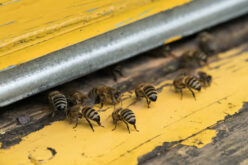
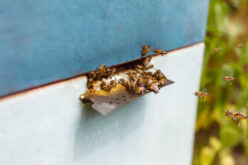
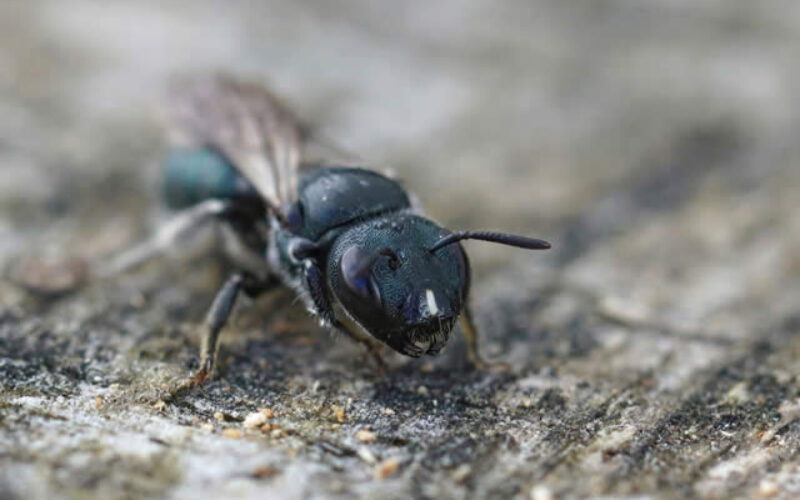
During spring and early summer, you may also observe large, hovering bees—most often the eastern carpenter bee (Xylocopa virginica)—circling wooden structures.
Males are notably territorial and may fly toward people approaching their territory, though they lack a stinger and pose no physical threat. Females can sting but rarely do so unless directly handled.
Conduct a visual inspection of all exterior wood on your property at the start of spring. Pay particular attention to areas where paint or sealant has worn away, as bare wood is far more attractive to nesting bees.
more about home pest invasions

Identifying and Resolving a Home Pest Invasion
Understanding how to identify common household pests and knowing effective methods to control them are crucial steps in maintaining a safe and comfortable living environment.

Treatment And Prevention Strategies For Carpenter Bees
Treating an active carpenter bee infestation requires targeting the nesting galleries directly. Pest control professionals typically apply residual insecticide dust—such as deltamethrin or carbaryl—directly into the entry holes using a hand duster.
The bees carry the dust deeper into the gallery, ensuring thorough coverage. Holes should then be sealed with wood putty or caulk after treatment, typically after several days to allow returning bees to contact the insecticide.
For homeowners who prefer non-chemical approaches, natural deterrents such as almond oil or citrus-based sprays applied around entry points can discourage nesting. However, it is worth noting that these methods are significantly less effective for established infestations.
Prevention is your most powerful long-term tool. Painting, staining, or sealing all exposed wooden surfaces dramatically reduces the likelihood of carpenter bee activity. Hardwoods are also less attractive to these bees than softwoods like pine or cedar.
For areas where wood cannot be sealed—such as decorative pergolas—consider wrapping vulnerable surfaces in aluminum flashing or replacing wood components with composite materials that bees cannot bore into.
Understanding The Behavior Of Carpenter Ants
Carpenter ants are a different kind of challenge. Unlike carpenter bees, they don’t bore into sound wood. Instead, they target wood that is already soft, moist, or decayed, excavating smooth tunnels and chambers to establish their colonies. This behavior makes them a reliable indicator that moisture problems exist somewhere in your home’s structure.
Carpenter ants (most commonly Camponotus pennsylvanicus in North America) are among the largest ant species, ranging from a quarter-inch to over half an inch in length. Colonies can number in the thousands and may maintain satellite nests in multiple locations throughout a structure.
A mature colony produces winged reproductive ants—called swarmers—that emerge in spring to establish new colonies, a sign that an infestation has likely been present for several years.
Because carpenter ants prefer moist, decaying wood, infestations are frequently found near plumbing leaks, roof damage, improperly flashed windows, and areas with poor ventilation. Left untreated, a large colony can hollow out significant sections of structural timber, including floor joists, wall studs, and roof rafters.
Signs Of Detection For Carpenter Ant Colonies
Catching a carpenter ant infestation early requires both indoor and outdoor vigilance. One of the most reliable signs is the presence of frass—a mixture of wood shavings, soil, and insect body parts—near baseboards, windowsills, door frames, or structural wood.
Unlike termite frass, which resembles tiny pellets, carpenter ant frass looks like coarse, fibrous sawdust.
Sightings of large, black or dark-brown ants inside the home—particularly in kitchens, bathrooms, or near windows—should not be dismissed. Spotting even a small number of large ants indoors during winter months is particularly significant, as it suggests an established colony is nesting within the heated structure.
Tapping suspicious wood surfaces with a hard object is another useful method. Hollow or papery sounds from areas that should be solid may indicate internal gallery excavation. A professional pest inspector can also use acoustic detection tools and moisture meters to locate hidden nests with greater precision.
Treatment Protocols For Eliminating Carpenter Ants
Effective carpenter ant control begins with locating and treating the colony directly. Baiting is one of the most reliable approaches—slow-acting protein or sugar-based bait stations allow foraging ants to carry the insecticide back to the nest, gradually eliminating the entire colony.
Boric acid-based products are commonly used for this purpose and have a well-established safety profile when applied correctly.
Direct injection of residual insecticide into wall voids, galleries, or the nest itself offers faster results for confirmed infestations. Products containing bifenthrin, cypermethrin, or fipronil are frequently used by licensed pest control professionals for this purpose.
It is critical to address the underlying moisture problem that attracted the ants in the first place. Treating the infestation without repairing the moisture source almost always results in re-infestation.
This means fixing leaky pipes, improving roof drainage, replacing water-damaged wood, and ensuring proper ventilation in crawl spaces and attics.
more info below

House Spiders 101: How to Identify, Remove, and Prevent Them
Explore the world of household spiders, helping you understand the different types you may encounter and providing you with valuable prevention tips to keep them out.
Long-Term Protection Against Wood-Boring Pests
Protecting your home from carpenter bees and carpenter ants over the long term is less about dramatic interventions and more about consistent, attentive maintenance. A few key habits make a substantial difference.
Inspect all exterior wood annually for signs of damage, paint failure, or moisture accumulation. Clear wood debris, mulch, and firewood piles from the immediate perimeter of your home, as these materials provide prime harborage for carpenter ants.
Ensure gutters are clean and functioning, and that downspouts direct water well away from your foundation.
Inside the home, address any plumbing leaks promptly and monitor areas with a history of moisture—under sinks, around water heaters, in crawl spaces. A dehumidifier in damp basements or crawl spaces can meaningfully reduce conditions that attract wood-boring insects.
Establishing a relationship with a licensed pest management professional for annual inspections is a sound investment. Early detection is far less costly—financially and structurally—than remediation after significant damage has occurred.
Securing Your Home Through Vigilance And Expertise
Carpenter bees and carpenter ants rarely announce themselves until the damage is already underway. The good news is that both pests leave behind recognizable evidence—and homeowners who know what to look for are in a much stronger position to act before small problems become structural ones.
Start with a thorough inspection of your home’s exterior wood surfaces this season. Address moisture issues without delay. Seal and finish exposed wood wherever possible.
And when in doubt, consult a licensed pest control professional—their expertise can save you considerable time, money, and stress in the long run. Your home is worth protecting, and with the right knowledge, you have everything you need to keep it safe.
other related analysis of interest: (new win)
| Topic | Description | Key Points |
|---|---|---|
| Silent Destroyers | Carpenter bees and carpenter ants are significant threats to wooden structures, causing extensive damage that can go unnoticed until costly repairs are needed. | Understanding behavior, signs of infestation, and prevention strategies are vital to protect structures. |
| Carpenter Bee Damage | Carpenter bees create nesting galleries within wood, compromising structural integrity over time. Entry holes and frass are key signs. | Tunnels can weaken wood; damage is amplified by woodpecker activity seeking bee larvae. |
| Carpenter Bee Treatment | Targeting nesting galleries with insecticide and sealing entry points are common methods. Non-chemical deterrents like almond oil are less reliable for severe infestations. | Paint and seal exposed wood, use hardwood or composite materials, and maintain the structural wood. |
| Carpenter Ant Behavior | Carpenter ants excavate wood that is soft, moist, or decayed to create colonies, often indicating moisture problems in the home. | Colonies grow large, with satellite nests and winged swarmers signaling long-term infestations. |
| Carpenter Ant Detection | Key signs include frass accumulation, ant sightings indoors, and hollow sounds in wood when tapped. | Acoustic tools and moisture meters aid in detecting hidden infestations. |
| Carpenter Ant Treatment | Control involves baiting and direct insecticide application to nests. Addressing underlying moisture problems is crucial to prevent re-infestation. | Repair leaks, improve ventilation, and replace damaged wood to eliminate favorable conditions. |
| Maintenance Tips | Annual inspections, prompt repair of moisture issues, and sealing wood are key to long-term protection against wood-boring insects. | Clear wood debris, maintain gutters, and utilize pest control professionals for annual inspections. |

Find Pest and Environmental Services Pest Control Lead-Mold-Radon Recovery Services Water Softening top-rated, pre-screened local contractors FREE: download contractor selection enter zip code – powered by HomeAdvisor ™


Image credit: carpenter bees by envato.com
end of post … please share it!
| more photo remodeling |
Jump Over to Our Photo Analysis Center for Ideas on
"Renovating Home"
|__________________________________________________________|
home remodeling surprise
find out where it might go - new win


Helpful article? Leave us a quick comment below.
And please share this article within your social networks.