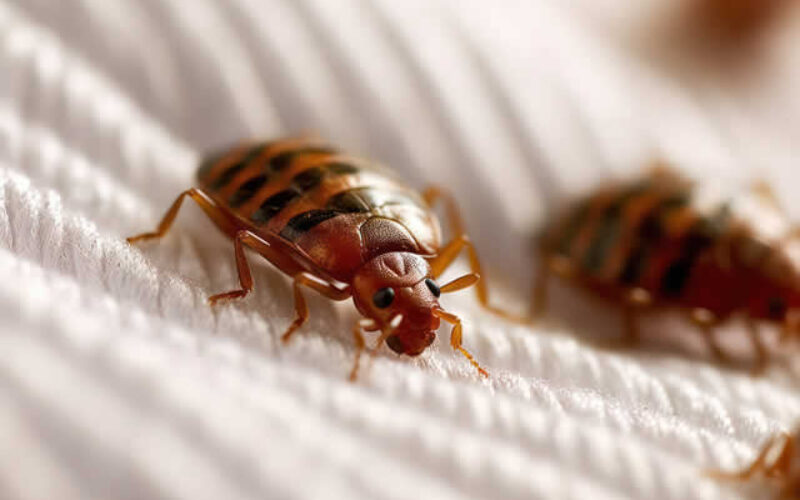
With increased travel and global movement, these resilient insects have spread rapidly through homes and hotels, creating infestations that are harder to detect and even harder to eliminate.
Understanding how to identify super bedbugs early and knowing which treatment methods actually work can save you time, money, and countless sleepless nights.
This guide will walk you through everything you need to know about these persistent pests and how to protect your home.
- post content
- What Makes Super Bedbugs Different
- Recognizing the Signs of a Super Bedbug Infestation
- How to Inspect Your Home for Bedbugs
- Understanding Treatment Options for Super Bedbugs
- Why Thermal Remediation Works
- Prevention Strategies to Keep Bedbugs Out
- When to Call a Professional
- Protect Your Home from Super Bedbugs
- view table:content summary
- view notes:collective tips
- view ideas:latest remodeling analysis
What Makes Super Bedbugs Different
Super bedbugs aren’t a new species—they’re common bedbugs (Cimex lectularius) that have developed genetic mutations allowing them to survive exposure to pyrethroid insecticides, the most widely used chemicals in bedbug control. These mutations affect the insects’ nervous systems, making standard pesticide treatments largely ineffective.
Research shows that super bedbugs have spread across the United States and beyond, with some populations showing resistance levels up to 1,000 times higher than non-resistant bedbugs. This resistance developed through repeated exposure to the same class of chemicals over decades, allowing only the strongest, most resistant bugs to survive and reproduce.
Beyond chemical resistance, super bedbugs behave like their traditional counterparts. They feed exclusively on blood, hide in tight crevices during the day, and emerge at night to feed on sleeping humans.
A single female can lay up to 500 eggs in her lifetime, allowing populations to explode rapidly once they establish themselves in your home.

Recognizing the Signs of a Super Bedbug Infestation
Early detection is your best defense against a full-blown infestation. Super bedbugs leave several telltale signs that homeowners should watch for carefully.
- Physical evidence includes small, rust-colored stains on bedding from bedbug excrement, tiny blood spots from crushed bugs, and pale yellow shed skins as the insects mature. You might also notice a sweet, musty odor in heavily infested areas—a scent produced by the bugs’ scent glands.
- Bite patterns often appear as small, red, itchy welts arranged in lines or clusters on exposed skin. However, not everyone reacts to bedbug bites the same way. Some people develop obvious welts within hours, while others show no visible reaction at all, making bites an unreliable indicator on their own.
- Live bedbugs are oval-shaped, flat, and reddish-brown, roughly the size of an apple seed when fully grown. After feeding, they become swollen and darker in color. Younger bedbugs (nymphs) are smaller and nearly translucent, making them harder to spot with the naked eye.
The challenge with super bedbugs is that by the time you notice obvious signs, the infestation has likely been present for weeks or even months. This makes proactive inspection essential, especially after travel or when bringing secondhand furniture into your home.
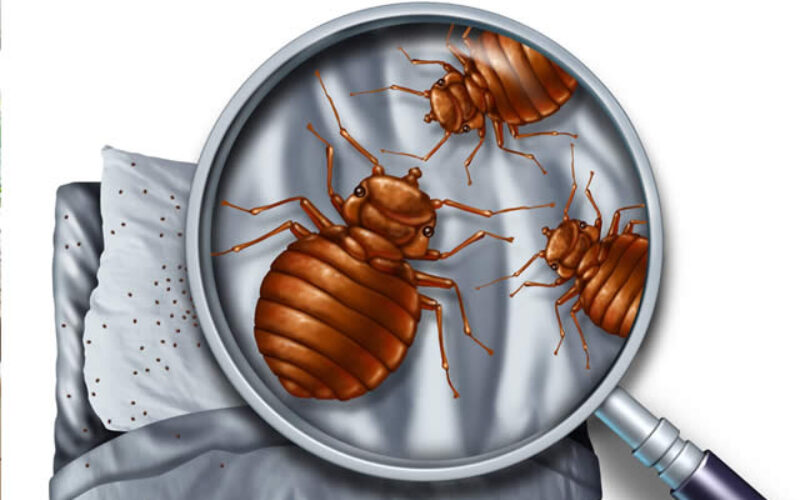
Bed Bug Cleaning and Removal
Did you know that bed bugs can grow up to 50% in length and 200% in weight after feeding with human blood? These pesky little insects are no bigger than an apple seed when mature, but they can cause a lot of restless nights and ugly bite marks.
How to Inspect Your Home for Bedbugs
A thorough inspection requires patience and attention to detail. Super bedbugs hide in the smallest crevices, so you’ll need to examine every potential hiding spot methodically.
-
Start with your bedroom, as bedbugs prefer to stay close to their food source. Strip your bed completely and examine the mattress seams, tufts, and tags using a flashlight and magnifying glass.
Pay special attention to corners and edges where fabric folds meet. Check the box spring thoroughly, particularly the underside and any tears in the fabric covering.
-
Move beyond the bed to inspect the bed frame, headboard, and nearby furniture. Bedbugs often hide in screw holes, cracks in wood, and underneath furniture legs. Remove drawers from nightstands and dressers to check inside the frames and along the undersides.
-
Examine the perimeter of your room carefully. Look behind picture frames, along baseboards, inside electrical outlets (remove the cover plates), and in any cracks or gaps in walls or flooring.
Don’t forget to check curtains, especially where they meet the rod, and any upholstered furniture in the room.
For hard-to-reach areas or if you want professional-level detection, consider using ClimbUp Interceptors—small plastic devices that sit under furniture legs.
These traps have a textured outer surface that bedbugs can climb but a slippery inner surface that prevents escape, allowing you to monitor for bedbug activity without chemicals.
ActiveGuard Mattress Liners offer another detection and prevention option. These specially designed mattress encasements contain permethrin, an insecticide that kills bedbugs on contact while protecting your mattress from infestation.
Understanding Treatment Options for Super Bedbugs
Traditional chemical treatments alone rarely eliminate super bedbug infestations. The most effective approach combines multiple methods targeting bedbugs at different life stages.
-
Chemical treatments still play a role, but pest control professionals now use different classes of insecticides that super bedbugs haven’t developed resistance to. These include desiccants (which dry out the bugs’ protective coating), insect growth regulators (which prevent bedbugs from maturing), and neonicotinoids (which affect a different part of the nervous system than pyrethroids).
However, these chemicals work slowly and may require multiple applications over several weeks. They also can’t penetrate all the hiding spots where bedbugs retreat, which is why heat treatment has become the gold standard for super bedbug elimination.
Why Thermal Remediation Works
Heat is the most reliable method for eliminating super bedbugs because it’s a physical treatment rather than a chemical one—bugs can’t develop resistance to lethal temperatures. Bedbugs and their eggs die when exposed to temperatures above 118°F for 90 minutes, or 122°F for just a few minutes.
-
Whole-room heat treatment involves specialized equipment that raises the temperature of an entire room or home to between 135°F and 145°F for several hours.
Professional pest control companies use large heaters, fans to circulate air evenly, and temperature sensors to ensure every corner reaches lethal levels. The heat penetrates mattresses, furniture, walls, and other hiding places that chemicals can’t reach effectively.
The process typically takes 6-8 hours and requires you to leave your home during treatment. You’ll need to remove heat-sensitive items like candles, medications, vinyl records, and certain electronics before the treatment begins. Most pest control companies provide detailed preparation instructions.
-
Targeted heat treatments offer a more affordable option for smaller infestations or localized areas. Professionals use portable heaters or steam equipment to treat individual pieces of furniture, mattresses, or specific rooms.
While less expensive than whole-home treatments, this approach requires careful attention to ensure all infested items receive adequate heat exposure.
Steam treatment works particularly well for mattresses, upholstered furniture, and baseboards. The steam must reach at least 160°F at the point of contact to be effective, and the surface must stay at that temperature for several seconds to kill both bugs and eggs.
The advantages of thermal remediation are clear: it eliminates bedbugs at all life stages in a single treatment, leaves no chemical residue, and allows you to return home the same day. The main drawback is cost—professional heat treatments typically range from $1,000 to $4,000 depending on the size of your home and severity of infestation.

Identifying and Resolving a Home Pest Invasion
Dealing with a pest invasion at home can be both frustrating and challenging. Understanding how to identify common household pests and knowing effective methods to control them are crucial steps in maintaining a safe and comfortable living environment.
Prevention Strategies to Keep Bedbugs Out
Once you’ve eliminated an infestation, maintaining a bedbug-free home requires ongoing vigilance.
When traveling, inspect hotel rooms thoroughly before unpacking. Check the mattress seams, headboard, and furniture near the bed. Keep luggage on a luggage rack or in the bathroom—never on the bed or floor. When you return home, wash all clothing in hot water immediately and inspect your luggage carefully before storing it.
Be cautious with secondhand furniture, especially upholstered items and mattresses. Examine any used furniture thoroughly before bringing it into your home, and consider treating it with heat or encasing it in protective covers if there’s any doubt about its history.
Install mattress and box spring encasements specifically designed for bedbug protection. These zippered covers trap any existing bedbugs inside (where they’ll eventually die of starvation) and prevent new bugs from establishing themselves in your bedding.
Reduce clutter in your bedroom to eliminate potential hiding spots. Keep your bed away from walls, and ensure bedding doesn’t touch the floor. Regularly vacuum your mattress, furniture, and baseboards, and dispose of the vacuum bag immediately in an outdoor trash bin.
Use ClimbUp Interceptors under bed legs and furniture as an early warning system. Check them weekly for signs of bedbug activity, allowing you to catch new infestations before they become established.
When to Call a Professional
While minor infestations might be manageable with diligent DIY efforts, super bedbugs’ resistance to common treatments makes professional help essential in most cases.
Contact a licensed pest control company if you’ve confirmed bedbug activity through inspection or detection devices, if you’ve tried DIY treatments without success, or if you’re dealing with a widespread infestation affecting multiple rooms.
Choose a pest management professional with specific experience treating bedbug infestations. Ask about their treatment methods, success rates, and warranties. Reputable companies will conduct a thorough inspection before recommending a treatment plan and should be willing to explain their approach in detail.
Expect multiple follow-up inspections and treatments. Even with thermal remediation, pest control professionals typically schedule follow-up visits to ensure complete elimination and catch any eggs that might have survived in protected locations.
Protect Your Home from Super Bedbugs
Super bedbugs present a formidable challenge, but they’re not invincible. Early detection through regular inspections, combined with professional thermal remediation when needed, provides the most reliable path to a bedbug-free home.
Stay vigilant when traveling, inspect secondhand items carefully, and don’t hesitate to call in professionals at the first sign of infestation. The key is acting quickly before a small problem becomes a major infestation.
With the right knowledge and resources, you can protect your home and family from these persistent pests.
other related analysis of interest: (new win)
Bathroom Style and Safety: A Guide to Decorative and Functional Hardware
Breathe Easy: A Complete Guide to Air Purifiers for Allergy Relief
| Aspect | Details | Additional Notes |
|---|---|---|
| Super Bedbugs | Common bedbugs (Cimex lectularius) that have developed genetic mutations making them resistant to traditional pyrethroid insecticides. | Resistance can reach up to 1,000 times higher than non-resistant bedbugs due to repeated exposure to chemicals over decades. |
| Detection Signs | Physical evidence includes rust-colored stains on bedding, pale yellow shed skins, and live bugs. A sweet, musty odor may also indicate infestation. | Not everyone reacts visibly to bedbug bites, making bite patterns unreliable as the sole sign of an infestation. |
| Inspection Process | Thoroughly inspect mattresses, box springs, furniture, baseboards, and cracks in walls. Tools like flashlights and magnifying glasses are helpful. | Use detection tools such as ClimbUp Interceptors and ActiveGuard Mattress Liners for more extensive monitoring. |
| Treatment Methods | Thermal remediation is the most reliable option, using heat to eliminate bedbugs at all stages. Chemical treatments and steam are also used. | Whole-room heat treatments require temperatures above 118°F for effectiveness, with costs ranging from $1,000 to $4,000. |
| Prevention | Regular inspections, careful handling of luggage after travel, and using protective encasements for mattresses and furniture help prevent infestations. | ClimbUp Interceptors and reduced bedroom clutter aid in minimizing bedbug hiding spots and early detection. |
| Professional Help | Pest control companies with experience in bedbug infestations are essential for widespread or resistant cases. | Follow-up visits and treatments are often necessary to ensure complete elimination of bedbugs. |

Find Pest and Environmental Services Pest Control Lead-Mold-Radon Recovery Services Water Softening top-rated, pre-screened local contractors FREE: download contractor selection enter zip code – powered by HomeAdvisor ™


Image credit: by 123rf.com
end of post … please share it!
| more photo remodeling |
Jump Over to Our Photo Analysis Center for Ideas on
"Renovating Home"
|__________________________________________________________|
home remodeling surprise
find out where it might go - new win


Helpful article? Leave us a quick comment below.
And please share this article within your social networks.