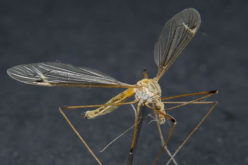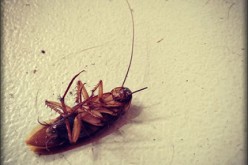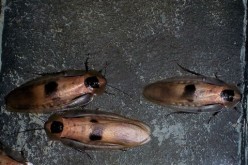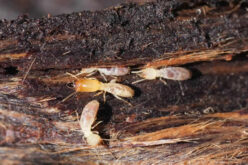
A single insect sighting often signals that conditions in or around your home have created an environment where pests can thrive, and addressing the issue requires more than a single spray bottle or trap.
Effective pest management combines prevention, identification, and targeted treatment strategies that eliminate existing infestations while protecting your home from future invasions.
Understanding how to handle bugs in your home for good means learning what attracts them, how to spot early warning signs, and when to call in professional help.
- post content
- 1. Identify Common Household Pests in Your Area
- 2. Eliminate Food Sources and Remove Clutter
- 3. Seal Entry Points and Secure Your Home’s Exterior
- 4. Use Prevention Methods Before Calling a Professional
- 5. Know When to Hire a Professional Pest Control Service
- conclusion
- view notes:collective tips
- view analysis:Identifying and Resolving a Home Pest Invasion
- view ideas:latest remodeling analysis
1. Identify Common Household Pests in Your Area
The first step in any effective pest control strategy involves knowing which insects and bugs commonly appear in your region. Different climates and geographic locations support different pest populations, and what works to eliminate cockroaches may not address a termite problem.
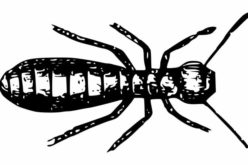
Common household pests include ants, cockroaches, spiders, silverfish, bed bugs, and various types of beetles. Some pests, such as termites, cause structural damage to your home and demand immediate professional attention, while others like house spiders may be harmless but unwelcome.
By identifying exactly which pests are present in your home, you can research their specific behaviors, weaknesses, and the most effective elimination methods. Learning about your local pest population also helps you understand seasonal patterns and times when infestations are most likely to occur.

2. Eliminate Food Sources and Remove Clutter
Pests invade homes primarily because they find food, water, or shelter that supports their survival.
In the kitchen, even tiny crumbs left on counters, under appliances, or inside cabinets can sustain an ant colony for weeks. Store all dry goods in airtight containers, clean up spills immediately, and never leave pet food sitting out overnight.
Bathrooms and laundry areas provide moisture that attracts silverfish and other insects, so fixing leaky pipes and reducing humidity becomes essential for pest prevention. Clutter creates hiding spaces where pests breed and establish colonies away from your view, so removing unnecessary items from closets, basements, and storage areas eliminates prime real estate for unwanted insects.
Regular vacuuming also removes dead skin cells, hair, and dust that many household pests feed on, making your home less attractive to infestations.
something of interest below

Identifying and Resolving a Home Pest Invasion
Understanding how to identify common household pests and knowing effective methods to control them are crucial steps in maintaining a safe and comfortable living environment.
3. Seal Entry Points and Secure Your Home’s Exterior
Bugs typically enter homes through small cracks, gaps, and openings that most people never notice. Inspect the foundation, walls, and roof for any gaps larger than a crack in drywall, paying special attention to areas where pipes, cables, and wires enter the structure.
Use caulk or weatherstripping to seal gaps around windows and doors, and check that all screens are intact and fit snugly in their frames. The space beneath doors can be sealed with door sweeps, which are inexpensive and highly effective at blocking insect entry.
Around the exterior of your home, trim tree branches and vegetation that touch the roof or walls, as these create natural highways for insects to walk directly into your home. Gutters clogged with leaves create standing water that mosquitoes use for breeding and that attracts other insects seeking moisture.
4. Use Prevention Methods Before Calling a Professional
Before investing in professional pest control, several do-it-yourself prevention methods can help you avoid infestations altogether. Installing light bulbs that emit wavelengths less attractive to insects can reduce the number of bugs drawn to exterior lights and open windows at night.
Keeping food in sealed containers and maintaining clean kitchen surfaces removes the primary attractant for most common household pests. For minor ant problems, baiting systems work more effectively than surface sprays because they target the entire colony, not just visible workers.
Bed bug prevention includes inspecting hotel rooms before unpacking, checking used furniture before bringing it into your home, and washing bedding regularly in hot water.
For those who keep backyard chickens or other poultry, mite infestations can spread quickly into living areas, and during routine coop maintenance, a poultry spray for mites helps eliminate these parasites at the source before they migrate indoors.
Yellow sticky traps can help you monitor pest activity and identify which pests are present before the problem becomes severe enough to require professional intervention. Combining these approaches creates multiple layers of protection that make your home consistently inhospitable to pests.
5. Know When to Hire a Professional Pest Control Service
Some pest infestations exceed the scope of household pest management and require the knowledge, equipment, and products available only to licensed professionals.
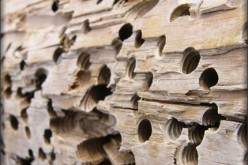
Termite infestations demand professional inspection and treatment because these insects cause expensive structural damage that can compromise your home’s safety, and detecting them early requires trained eyes and specialized equipment.
Bed bug infestations are notoriously difficult for homeowners to eliminate completely because these insects hide in places that home treatments cannot reach effectively. If you have tried multiple prevention methods and the pest problem persists or worsens, this is a clear signal to contact a professional pest control service.
Professional exterminators can identify pest species accurately, determine the extent of the infestation, and select treatment methods that are safe for your family while targeting the specific pests present.
When scheduling service, choose a company that offers a warranty or guarantee on their work, ensuring that if pests return within a specified timeframe, they will return to treat your home at no additional cost.
Managing Household Spiders
Are spiders making themselves a little too comfortable in your home? Fear not!
These eight-legged creatures, while often unwelcome, play a vital role in controlling other household pests.
However, understanding the common types of spiders you might encounter, such as house spiders or cellar spiders, can help demystify their presence.
By identifying their habits and employing simple prevention measures—like sealing cracks, reducing clutter, and keeping your home clean—you can minimize spider intrusions while maintaining a pest-free environment.
view ideas: House Spiders 101 (new win)

Conclusion
Handling bugs in your home for good requires a comprehensive approach that combines prevention, early detection, and appropriate treatment at the right time. Starting with identification of the pests in your area, removing food sources, sealing entry points, and using prevention methods protects your home from infestations before they develop.
Understanding your limitations and recognizing when professional help is necessary prevents costly damage and ensures that stubborn infestations are eliminated completely.
By implementing these strategies systematically, you transform your home into a space where pests cannot easily establish themselves, providing lasting protection for your family and property.
Find Pest and Environmental Services Pest Control Lead-Mold-Radon Recovery Services Water Softening top-rated, pre-screened local contractors FREE: download contractor selection enter zip code – powered by HomeAdvisor ™


Image credit: handling bugs by envato.com
end of post … please share it!
| more photo remodeling |
Jump Over to Our Photo Analysis Center for Ideas on
"Renovating Home"
|__________________________________________________________|
home remodeling surprise
find out where it might go - new win


Helpful article? Leave us a quick comment below.
And please share this article within your social networks.