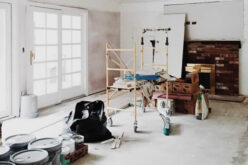
Renovation planning goes beyond choosing materials because every remodeling project affects household routines, finances, and the condition of surrounding rooms. A successful renovation requires homeowners to think about the entire construction experience, not just the finished appearance.
Planning becomes especially important when families intend to remain in their homes during construction. Contractors may need to disconnect utilities, restrict access to essential rooms, or schedule noisy work during normal household hours. Understanding these disruptions beforehand allows homeowners to make arrangements that protect their comfort and prevent avoidable delays.
Evaluate How Construction Will Affect Daily Life
Every remodeling project introduces some level of disruption, but the extent depends on which areas contractors need to access. A bedroom renovation might temporarily eliminate storage and sleeping space, while a kitchen remodel can interfere with meal preparation for several weeks. Homeowners should review the proposed construction schedule and identify which daily activities will become difficult or impossible during each phase.
Consider the needs of everyone living in the home before approving the project timeline. Families with young children may need quiet spaces for naps or homework, while remote workers require dependable internet access and somewhere to take calls. Older relatives or household members with mobility limitations may also need accessible routes that construction equipment cannot obstruct.
Prepare for Bathroom and Kitchen Disruptions
Bathrooms and kitchens deserve special attention because they support essential daily activities. A kitchen renovation may require a temporary food preparation area with a refrigerator, microwave, and access to clean water. Bathroom construction presents different challenges because homeowners cannot simply postpone basic sanitation needs until the project ends.
When contractors renovate the only functioning bathroom, homeowners may need to rent a temporary bathroom for home renovations rather than depend on neighboring facilities or public restrooms. Rental options range from basic portable toilets to restroom trailers with sinks and other amenities, although availability and features vary by provider. Before arranging delivery, confirm access requirements, servicing schedules, local regulations, and whether the unit provides the facilities your household actually needs.
Build a Budget Around the Entire Project
Material costs represent only one portion of a renovation budget. Labor, permits, waste disposal, temporary facilities, and necessary repairs can increase expenses considerably, especially in older homes. Homeowners who focus exclusively on cabinetry, flooring, and fixtures may underestimate the actual financial commitment.
Request detailed estimates that distinguish labor, materials, allowances, and potential additional charges. Ask contractors how they handle unexpected conditions and whether changes require written approval before work proceeds. These discussions establish clearer financial expectations and make competing proposals easier to compare.
A contingency fund provides additional protection against surprises. Opening a wall may reveal damaged plumbing, outdated electrical components, or moisture problems that require immediate attention. Reserving funds for these possibilities reduces pressure to compromise essential repairs simply because the original budget covered decorative improvements more generously.
Coordinate Contractors, Materials, and Inspections
Renovations often involve several trades whose schedules depend on one another. Electricians may need to complete wiring before drywall installation, while flooring contractors may have to wait for moisture testing or surface preparation. Poor coordination can leave workers idle, create unnecessary rework, and extend the project’s completion date.
Establish who will manage scheduling and communicate changes to everyone involved. For larger renovations, a general contractor may coordinate subcontractors, deliveries, inspections, and construction milestones. Homeowners should still request regular progress updates and understand which decisions require their approval.
Protect Existing Rooms From Construction Damage
Renovation work can affect spaces far beyond the immediate project area. Dust moves through open doorways, heavy materials travel across finished flooring, and repeated equipment deliveries can damage landscaping or entryways. Homeowners should discuss protective measures before contractors begin bringing materials into the property.
Suitable floor coverings, dust barriers, and designated work routes can reduce unnecessary damage. Remove fragile belongings and electronics from nearby rooms, and establish secure storage for items that contractors must temporarily relocate. When construction generates substantial dust, discuss appropriate containment and ventilation practices rather than relying on ordinary household cleaning.
Moisture protection matters during bathroom, kitchen, and exterior renovations. Exposed openings or disconnected plumbing can create problems if workers fail to control water properly. Photographing existing conditions before construction also provides a useful reference if damage or disagreements arise later.
Choose Improvements That Support Everyday Living
A beautiful renovation can still disappoint when the finished layout doesn’t suit the household. Oversized kitchen islands may restrict movement, while elaborate bathroom fixtures can introduce maintenance requirements that owners never considered. Design decisions should account for how people actually use the space rather than how it appears in photographs.
Evaluate storage, lighting, accessibility, and cleaning requirements before finalizing selections. Durable surfaces may provide greater long-term value in busy households, while flexible layouts can accommodate changing family needs. Homeowners should also consider whether specialized finishes require sealing, unusual cleaning products, or frequent professional maintenance.
Think beyond current preferences when making permanent changes. A bathroom with accessible storage and adequate circulation space may remain useful as household needs evolve. Practical design doesn’t require sacrificing style; it means choosing attractive improvements that continue working after the excitement of renovation fades.
Complete a Thorough Final Walkthrough
The project shouldn’t end simply because contractors remove their equipment. A final walkthrough gives homeowners an opportunity to confirm that the work matches the agreement and identify outstanding issues before closing out the project. Inspect fixtures, doors, ventilation, flooring, and other completed features while documenting concerns that require attention.
Collect warranties, operating instructions, inspection records, and relevant permits before finalizing the handover. Confirm responsibility for removing debris, restoring affected outdoor areas, and addressing remaining corrections. Keeping these records organized simplifies future maintenance and provides useful documentation if problems arise.
Plan for the Process, Not Just the Result
Effective home renovation planning addresses the temporary challenges of construction alongside the permanent improvements homeowners want to achieve. Thoughtful budgeting, reliable scheduling, household accommodations, and property protection can prevent manageable problems from becoming major setbacks.
Choosing beautiful materials remains an enjoyable part of remodeling, but those selections cannot replace sound preparation. Homeowners who plan for the realities of construction are better positioned to protect their investment and enjoy the finished space without unnecessary frustration.
Image Credentials: By Drazen, 866019387
end of post … please share it!
| more photo remodeling |
Jump Over to Our Photo Analysis Center for Ideas on
"Renovating Home"

|__________________________________________________________|
home remodeling surprise
find out where it might go - new win


Helpful article? Leave us a quick comment below.
And please share this article within your social networks.