Quick answer:
Summer pest invasions depend heavily on your geographic region. The Northeast faces deer ticks and mosquitoes, the Southeast battles termites and cockroaches, the Midwest deals with odorous house ants, and the Western United States encounters scorpions and spiders. Identifying your local threats allows you to protect your property efficiently.
Finding chewed leaves in your garden or spotting unwanted insects darting across your kitchen floor can quickly ruin the joy of summer. You want your living space to remain a comfortable, safe sanctuary for your family, but rising temperatures often bring an influx of uninvited guests.
The secret to reclaiming your space is understanding that summer pest invasions depend entirely on your United States geographic region, meaning your defense strategy must directly match your local climate.
We know how distressing it feels to discover a trail of ants in your pantry or mosquito swarms ruining your evening patio time. Fortunately, you can implement affordable, effective solutions to safeguard your house and yard.
By learning exactly what insects and rodents are native to your specific area, you can craft a targeted, proactive plan.
This guide provides the expert insights you need to understand regional insect behavior, maintain harmonious coexistence with nature, and keep your home beautiful and pest-free all season long.
- post content
- What Are the Most Common Summer Pests in the Northeast?
- Which Summer Pests Should the Southeast Expect?
- How Do Midwest Residents Handle Summer Insect Invasions?
- What Types of Summer Pests Invade the Western United States?
- How Can You Protect Your Home and Garden from Summer Pests?
- Why Is Professional Pest Control Sometimes Necessary?
- FAQs
- conclusion: How Will You Reclaim Your Home from Pests This Summer?
- view table:content summary
- view notes:collective tips
- view ideas:latest remodeling analysis
What Are the Most Common Summer Pests in the Northeast?
The Northeastern United States experiences lush, green summers that unfortunately create perfect breeding grounds for moisture-loving insects.
According to the Centers for Disease Control and Prevention, the Northeast experiences exceptionally high concentrations of deer ticks, which are known carriers of Lyme disease. These ticks thrive in tall grasses and wooded areas, frequently transferring to household pets and humans who spend time outdoors.
Mosquitoes also pose a significant challenge in this region. The frequent summer rainstorms leave behind stagnant water in birdbaths, clogged gutters, and garden planters.
Eliminating standing water around your property serves as the most effective defense against mosquito breeding.
Choose natural cedar mulch for your garden beds if protecting local pollinators matters more than total insect eradication, as cedar naturally repels ticks and mosquitoes while remaining safe for beneficial bees.

Which Summer Pests Should the Southeast Expect?
High humidity and subtropical temperatures define the Southeastern summer, creating a paradise for wood-destroying insects and resilient scavengers.
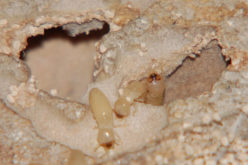
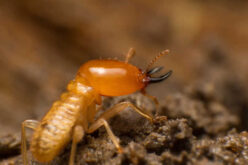
According to the Environmental Protection Agency, the damp climate of the Southeast provides ideal conditions for subterranean termites.
These destructive pests silently chew through structural timber, making early detection vital for preserving your home value. Regular foundation inspections are essential for Southern homeowners.
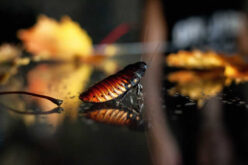
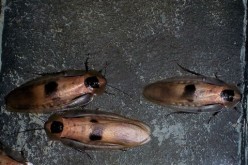
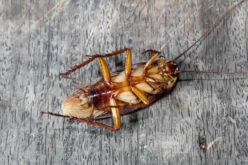
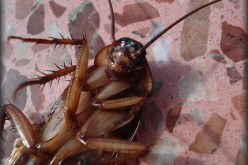
Alongside termites, residents frequently encounter the American cockroach, colloquially known as the Palmetto bug. These large insects seek refuge indoors when heavy summer thunderstorms flood their outdoor habitats.
To prevent Palmetto bugs from entering your living space, homeowners must seal foundation cracks with high-quality weatherstripping and silicone caulk. Maintaining a dry indoor environment through efficient air conditioning and dehumidifiers will significantly deter these moisture-seeking pests.
something of interest below

Identifying and Resolving a Home Pest Invasion
Understanding how to identify common household pests and knowing effective methods to control them are crucial steps in maintaining a safe and comfortable living environment.
How Do Midwest Residents Handle Summer Insect Invasions?
The Midwest experiences drastic temperature shifts, and the sudden arrival of summer heat sends various insects searching for reliable food sources.
According to the National Pest Management Association, odorous house ants represent the leading nuisance pest in the Midwest during the summer months. These tiny invaders can infiltrate kitchens through microscopic cracks, marching in long lines toward sugary spills or unsealed pantry items.
Yellow jackets and paper wasps also build extensive nests during the Midwestern summer. These stinging insects often construct their homes under roof eaves, inside porch ceilings, or within hollow tree trunks in your yard.
Removing early-stage nests in late spring prevents massive summer swarms. Always choose professional pest removal over DIY methods if a wasp nest grows larger than a tennis ball, as aggressive swarms pose a serious safety risk to your family.
What Types of Summer Pests Invade the Western United States?
The Western United States features diverse climates ranging from the arid deserts of the Southwest to the temperate coastal zones of California, bringing a unique set of pest challenges.
According to the University of California Agriculture and Natural Resources, the dry heat of the West encourages bark scorpions and black widow spiders to seek shelter inside cool, air-conditioned homes. These venomous pests prefer dark, undisturbed areas like garages, closets, and storage boxes.
Drywood termites also threaten homes along the West Coast. Unlike their subterranean cousins, drywood termites do not require soil contact and can infest dry attic timbers directly.
Protecting your home requires installing fine mesh screens over attic vents and keeping firewood stored at least twenty feet away from the main house structure.
How Can You Protect Your Home and Garden from Summer Pests?
Safeguarding your property requires a blend of smart home maintenance and strategic landscaping. Your first step involves securing the perimeter of your house.
Inspect your doors and windows for damaged screens or worn-out weatherstripping. Replacing these simple materials offers an affordable, stylish solution that improves energy efficiency while keeping insects outside where they belong.
In the garden, maintaining a tidy landscape eliminates natural hiding spots for pests. Trim overgrown shrubs away from your home’s exterior siding to remove the physical bridges insects use to access your windows.
Incorporating companion planting into your garden design also helps deter unwanted bugs. Planting marigolds, lavender, and rosemary adds beautiful aesthetic value to your yard while naturally repelling mosquitoes, aphids, and beetles.
Why Is Professional Pest Control Sometimes Necessary?
While many DIY home improvement projects bring great personal satisfaction, certain pest infestations require expert intervention. Severe termite damage, large wasp colonies, and venomous scorpion populations present physical dangers and structural threats that surpass standard home remedies.
Professional exterminators possess the technical knowledge to identify the exact species invading your space and apply targeted, environmentally conscious treatments.
Partnering with a licensed pest control expert protects your financial investment in your home. These professionals can identify hidden vulnerabilities in your property’s structure that you might overlook. Choose a professional pest control service if long-term prevention and guaranteed safety matter more than the immediate savings of a DIY approach.
Safeguarding Your Home
Summer droughts can be tough on your home and garden, but a few simple habits can make a big difference.
For your garden, use water-efficient systems like soaker hoses or drip irrigation to get water directly to the plant roots. Applying mulch to your garden beds helps keep the soil moist and cool.
Choosing drought-resistant plants is another great way to keep your garden looking beautiful even in dry weather.
Inside your home, you can conserve water by fixing leaky faucets and using appliances mindfully.
These simple steps will help your home and garden stay healthy and vibrant all summer long.
view ideas: guide to drought preparedness (new win)

Frequently Asked Questions About Summer Pests
-
How Much Does Professional Pest Control Cost on Average?
According to HomeAdvisor (2026), the average cost for a standard professional pest control visit ranges from $100 to $300.
However, specialized treatments for severe infestations like termites or bed bugs can exceed $1,000. Your final cost depends heavily on your geographic location, the size of your home, and the specific pest species being treated.
-
When Should I Apply Summer Pest Treatments to My Garden?
Gardeners should apply preventative pest treatments during the late spring before insect populations explode in the peak summer heat. Applying treatments early interrupts the breeding cycles of common garden pests like aphids and beetles.
Always apply liquid treatments during the early morning or late evening to prevent the midday sun from scorching your delicate plant leaves.
-
What Are the Safest Alternatives to Chemical Pesticides for Homes?
Diatomaceous earth and essential oil sprays serve as highly effective, safe alternatives to harsh chemical pesticides.
Diatomaceous earth naturally dehydrates crawling insects like ants and cockroaches without posing risks to mammals.
Peppermint oil mixed with water creates a pleasant-smelling barrier spray that deters spiders and rodents from crossing your home thresholds.
How Will You Reclaim Your Home from Pests This Summer?
Creating a serene, inviting home requires vigilance and an understanding of your local environment. By identifying the specific pests native to your United States region, you can tailor your home maintenance and landscaping efforts to stop invasions before they begin.
Embrace these proactive strategies to ensure your house remains a peaceful retreat for you and your family, completely free from the stress of summer pests.
other related analysis of interest: (new win)
| Region | Primary Summer Pests | Challenges | Recommended Solutions |
|---|---|---|---|
| Northeast | Deer ticks, mosquitoes | Ticks spread Lyme disease; mosquitoes thrive in stagnant water | Eliminate standing water; use cedar mulch to repel pests while protecting pollinators |
| Southeast | Termites, American cockroaches (Palmetto bugs) | Termites silently damage structural timber; cockroaches flee indoors during storms | Inspect foundation regularly; seal cracks with weatherstripping and silicone caulk; dehumidify indoor spaces |
| Midwest | Odorous house ants, yellow jackets, paper wasps | Ants infiltrate kitchens; wasps pose safety risks with aggressive swarms | Seal microscopic cracks; remove wasp nests early; hire professionals for large infestations |
| Western United States | Bark scorpions, black widow spiders, drywood termites | Scorpions and spiders seek cool, dark areas; drywood termites infest attic timbers | Install fine mesh screens over vents; store firewood 20 feet away from house; maintain dark storage areas carefully |

Find Pest and Environmental Services Pest Control Lead-Mold-Radon Recovery Services Water Softening top-rated, pre-screened local contractors FREE: download contractor selection enter zip code – powered by HomeAdvisor ™


Image credit: summer pests by envato.com
end of post … please share it!
| more photo remodeling |
Jump Over to Our Photo Analysis Center for Ideas on
"Renovating Home"
|__________________________________________________________|
home remodeling surprise
find out where it might go - new win


Helpful article? Leave us a quick comment below.
And please share this article within your social networks.