Unfortunately, flood damage is a common occurrence for homeowners living in flood-prone areas or those who unknowingly purchased a house with a history of flooding. Thus, knowing how to restore a flooded living room is essential for every homeowner.
This article will be discussing valuable tips to help homeowners recover from a flooded living room.
Assess the Damage
The first step to restoring a flooded living room is to assess the damage. Determining the extent of the damage will help you determine what repair needs to be done. If the damage is extensive, it’s best to hire a professional.
However, if it’s minor damage, you can handle it yourself. Take photos of the damage and send them to your insurance provider. Your insurer will survey the damage and help you create an inventory.
Remove the Water
After assessing the damage, the next step is to remove the water. Use a pump, sump pump, or wet vacuum to remove the water from the living room.
Start from the lowest point of the room, working your way up. Be sure to wear protective gear (such as gloves, boots, and safety glasses) when removing the water. Ensure that the room is well-ventilated by opening windows and doors to create airflow.

Dry Out the Room
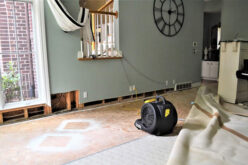
After removing the water, the next phase is to dry out the room. Use fans, dehumidifiers, and air conditioners to dry out the room. Drying out the room can take a few days, depending on the extent of the damage. Ensure that the fans dry the walls and the floors.
Ensure that there is good airflow in the room to prevent mold growth. If there is any residual moisture left after a day or two, this could lead to mold, which is hazardous to your health. Failure to dry out the room properly could result in further damage, such as mildew growth.
Clean and Disinfect the Living Room
Cleaning and disinfecting the living room are crucial steps in restoring a flooded living room. Floodwater carries bacteria and other pathogens that can cause health hazards.
Clean all surfaces of the living room, including walls, floors, and furniture, using the proper cleaning tools and disinfectants. Wear protective gear when cleaning, such as gloves and boots.
Once you’re done cleaning the living room, dispose of all contaminated materials properly.
Repair and Replace Damaged Items
The final step is water damage restoration. This includes flooring, baseboards, drywall, furniture, and any other items. Do not repair or replace any items until the living room is completely dry and disinfected.
other related articles of interest:
Hire a professional if you don’t have the necessary skills to repair the damaged items.
Restoring a flooded living room is a daunting task, but it’s doable. After assessing the damage, remove the water, dry out the room, clean and disinfect the living room, and repair or replace damaged items.
Remember to wear protective gear throughout the process, and if the damage is extensive, hire a professional. With the proper tools, guidance, and patience, you can restore your flooded living room and get back to living your day-to-day life.
Find Professional Services Abatement Services Junk Removal Site Preparation Recovery Services top-rated, pre-screened local contractors FREE: download contractor selection enter zip code – powered by HomeAdvisor ™


Image credit: how to restore a flooded living room by envato.com
end of post … please share it!
| more photo remodeling |
Jump Over to Our Photo Analysis Center for Ideas on
"Renovating Home"
|__________________________________________________________|
home remodeling surprise
find out where it might go - new win


Helpful article? Leave us a quick comment below.
And please share this article within your social networks.