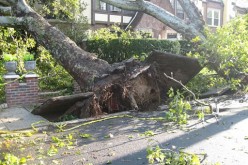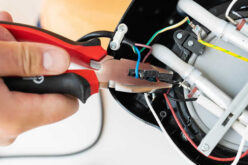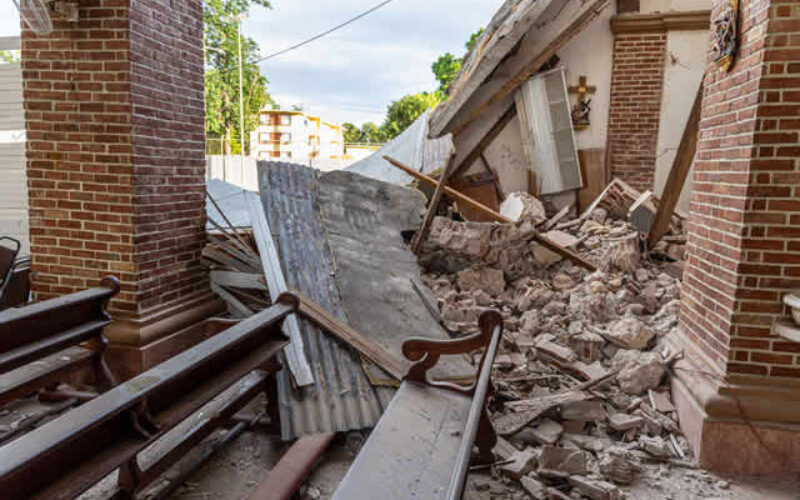
Most property owners feel overwhelmed in these moments because they are unsure what to prioritize or whom to contact first.
Understanding the proper sequence of actions will help you protect your interests, document everything correctly, and work toward restoration more effectively.
1. Ensure Safety First
Your immediate priority after property damage occurs is to make sure everyone in the building is safe. If there is any risk of further damage, structural instability, or hazardous materials, evacuate the property and move to a secure location.
Do not attempt to investigate damage if electrical lines are down, gas is leaking, or the building appears unstable. Call emergency services if anyone is injured or if there are active threats such as fire or contamination.
Once you and others are safe, assess whether the property is habitable or if you need to arrange temporary accommodation. Some damage, such as a partially collapsed roof or significant water intrusion, may make the space unsafe for occupancy.
Contact your local building department or a structural engineer if you are unsure about safety. This step protects your health and prevents you from inadvertently worsening the damage by occupying an unsafe space.

2. Contact Your Insurance Company Promptly
Notifying your insurance provider as soon as possible after property damage is critical. Most insurance policies require prompt notification to remain valid, and delays can complicate the claims process.
Have your policy number ready and provide a clear, factual account of what happened and when. Do not exaggerate or minimize the damage, as this can lead to claim denial or underpayment.
The insurance company will assign an adjuster to inspect the property and estimate repair costs. Ask the adjuster questions about the claims process, what is covered, and what documentation you need to provide.
Keep detailed records of all communications with your insurance company, including names, dates, and what was discussed. This documentation becomes valuable if disputes arise later regarding coverage or the scope of repairs.
3. Document All Damage Thoroughly
Before making any repairs or cleanup, document the damage with photographs and video. Take clear images of all affected areas from multiple angles, capturing both wide shots and close-ups of specific damage.
Include photos of damaged items, structural issues, and any visible water marks or burn patterns. Video walkthroughs can be especially helpful because they show the extent of damage in a natural sequence and are harder to dispute than still photos alone.
Write a detailed inventory of damaged property, including descriptions and estimated value when possible. Keep receipts, purchase records, and appraisals that support your valuation.
This documentation is essential for the insurance claim and serves as a reference if you need to pursue further legal action. Store copies of all photos, videos, and written records in a secure location separate from your home, such as cloud storage or email.
4. Prevent Further Damage
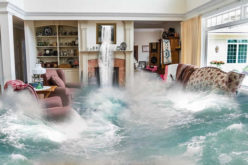
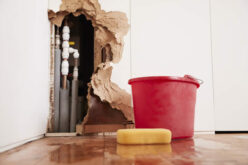
While waiting for professional assessment and repairs, take reasonable steps to prevent the damage from getting worse. For water damage, place buckets under leaks, remove standing water if it is safe to do so, and increase ventilation to reduce moisture buildup.
For storm damage, cover broken windows or roof holes with tarps or plywood to keep out rain and debris. For fire damage, ensure utilities are shut off if there is a risk of additional hazards.
Keep all receipts for materials and labor used in emergency mitigation efforts. Insurance companies typically cover reasonable and necessary steps taken to prevent additional damage.
However, do not undertake major repairs yourself unless you are qualified and the damage is truly preventable. Document every action you take with photos and notes so you can explain it to your insurance adjuster and include those costs in your claim.
5. Obtain Professional Assessments and Repair Estimates
Hire qualified contractors or specialists to assess the full extent of damage and provide repair estimates. For structural damage, engage a structural engineer or architect to evaluate safety and restoration needs. For water damage, consult a water damage restoration company that can identify hidden moisture and mold risks.
When dealing with storm or water emergencies in the area, residents who need to act quickly rely on professional property damage restoration services in Baldwin, NY to ensure that mitigation efforts begin before conditions worsen.
For electrical or plumbing damage, hire licensed professionals in those trades to ensure repairs meet building codes.
Request written estimates from multiple contractors so you can compare costs and approaches. Share these estimates with your insurance adjuster to support your claim. Make sure contractors are licensed, insured, and willing to work with your insurance company.
Avoid hiring the lowest bidder without checking references, as cheap repairs often lead to problems later and may not meet code requirements or warranty standards.
Conclusion
Navigating property damage requires a clear, methodical approach that prioritizes safety while protecting your financial and legal interests. By ensuring everyone is safe, contacting your insurance company promptly, documenting damage thoroughly, preventing further deterioration, and obtaining professional assessments, you create a strong foundation for recovery.
Each step builds on the previous one and strengthens your position throughout the claims and restoration process. While property damage is stressful and inconvenient, following these guidelines helps you move through it more efficiently and with better outcomes.
Take time to organize your documentation, communicate clearly with professionals and insurers, and do not hesitate to ask questions when you are uncertain about next steps.
home improvement ideas to consider (complete directory – new win):

Find Professional Services Abatement Services Junk Removal Site Preparation Recovery Services top-rated, pre-screened local contractors FREE: download contractor selection enter zip code – powered by HomeAdvisor ™


Image credit: by envato.com
end of post … please share it!
| more photo remodeling |
Jump Over to Our Photo Analysis Center for Ideas on
"Renovating Home"
|__________________________________________________________|
home remodeling surprise
find out where it might go - new win


Helpful article? Leave us a quick comment below.
And please share this article within your social networks.