Just as you wouldn’t drive your car for years without an oil change, your heating and cooling system deserves the same attention and care.
Seasonal HVAC inspections serve as preventive medicine for your home’s comfort system. These comprehensive checkups, performed twice yearly—once in spring and once in early fall—help identify potential issues before they become costly emergencies.
More importantly, they ensure your system operates efficiently when you need it most, whether that’s during scorching summer heat waves or frigid winter nights.
The benefits extend far beyond simple maintenance. Regular inspections can dramatically reduce your energy bills, improve your home’s air quality, and extend your system’s lifespan by years.
For environmentally conscious homeowners, properly maintained HVAC systems also contribute to reduced carbon footprints through improved energy efficiency.
- post content
- Why Spring Inspections are Essential
- Why Fall Inspections are Equally Important
- What to Expect During an HVAC Inspection
- Benefits of Regular HVAC Inspections
- Protecting Your Home’s Comfort Investment
- conclusion
- view table:content summary
- view notes:collective tips
- view ideas:latest remodeling analysis
Why Spring Inspections are Essential
As winter fades and warmer weather approaches, your HVAC system needs careful attention to transition from heating mode to cooling preparation. Spring inspections address the unique challenges your system faces after months of heating operation and prepare it for the demanding summer season ahead.
During this transitional period, several critical maintenance tasks ensure your system performs optimally when temperatures begin to rise.
-
Preparing for Summer Heat
Spring inspections focus heavily on your air conditioning components, which have remained dormant throughout the winter months. Refrigerant levels need checking and adjustment, as even small leaks can significantly impact cooling efficiency.
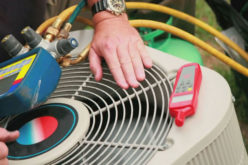
Condenser coils require thorough cleaning to remove accumulated debris, leaves, and dirt that can restrict airflow and force your system to work harder.
Your system’s electrical connections also need attention after months of heating operation. Loose connections can create safety hazards and reduce system efficiency.
Professional technicians examine all electrical components, tighten connections, and test control systems to ensure smooth operation during peak cooling season.
-
Checking Cooling Efficiency
Efficiency testing during spring inspections reveals how well your system will perform during summer’s peak demand. Technicians measure airflow rates, check ductwork for leaks, and calibrate thermostats for accurate temperature control.
These measurements provide baseline data that helps identify declining performance before it impacts your comfort or energy bills.
Filter replacement or cleaning represents another crucial efficiency factor. Dirty filters restrict airflow, forcing your system to work harder and consume more energy. Spring inspections ensure clean filters are in place before cooling season begins, maximizing both efficiency and air quality.
-
Preventing Costly Breakdowns
The most significant benefit of spring HVAC inspections lies in their ability to prevent expensive emergency repairs during summer’s peak season.
When air conditioning systems fail during heat waves, repair costs often increase due to high demand for service calls. Additionally, replacement parts may be scarce, extending uncomfortable waiting periods.
Spring inspections identify worn components that could fail during heavy use. Replacing a worn capacitor or cleaning corroded electrical contacts in spring costs significantly less than emergency repairs during a July heat wave. This proactive approach protects both your budget and your family’s comfort.


Why Fall Inspections are Equally Important
As cooling season winds down and heating demands increase, fall HVAC inspections prepare your system for winter’s challenges. These inspections focus on heating components and safety systems that ensure reliable, safe operation during cold weather months.
The transition from cooling to heating mode requires different maintenance priorities, making fall inspections distinctly different from their spring counterparts.
-
Ensuring Heating System Readiness
Fall inspections prioritize heating system components that have remained inactive during summer months. Heat exchangers require thorough inspection for cracks or damage that could compromise safety or efficiency. Gas connections need checking for leaks, while oil heating systems require fuel filter replacement and burner adjustment.
Ignition systems receive particular attention during fall maintenance. Whether your system uses a pilot light or electronic ignition, proper operation ensures reliable heating when temperatures drop. Technicians test ignition sequences, clean components, and adjust settings for optimal performance.
-
Improving Energy Efficiency
Heating costs typically represent the largest portion of winter energy bills, making efficiency improvements particularly valuable. Fall inspections optimize your system’s performance through various adjustments and maintenance tasks that reduce energy consumption.
Ductwork inspection identifies air leaks that allow heated air to escape before reaching living spaces. Sealing these leaks can reduce heating costs by up to 20%, according to the U.S. Department of Energy. Insulation checks around ducts and HVAC components further improve system efficiency.
Thermostat calibration ensures accurate temperature readings and optimal system cycling. Programmable thermostats receive programming updates that maximize energy savings during occupied and unoccupied periods.
-
Protecting Against Carbon Monoxide
Fall inspections include crucial safety checks that protect your family from carbon monoxide exposure. This colorless, odorless gas can be deadly in enclosed spaces, making proper ventilation and combustion system maintenance essential for gas and oil heating systems.
Heat exchanger inspection represents the most critical safety component of fall maintenance. Cracked heat exchangers can allow combustion gases to enter your home’s air supply, creating dangerous conditions. Professional technicians use specialized equipment to detect even small cracks that might not be visible during visual inspection.
Flue and chimney inspection ensures proper venting of combustion gases away from living spaces. Blocked or damaged venting systems can cause dangerous gas accumulation inside your home.

What Does HVAC Mean? Why HVAC is a Vital Component for Your Home
Understanding a home HVAC (Heating, Ventilation, and Air Conditioning) system is essential for ensuring comfort, energy efficiency, and proper indoor air quality in your living space.

What to Expect During an HVAC Inspection
Professional HVAC inspections follow comprehensive checklists that address all system components and safety features. Understanding what technicians examine during these visits helps you appreciate the thoroughness of proper maintenance and identify any shortcuts taken by less reputable service providers.
Most inspections require two to three hours to complete properly, depending on your system’s complexity and any issues discovered during the process.
-
System Assessment
Technicians begin with overall system evaluation, examining both indoor and outdoor components. They check system age, model information, and maintenance history to understand your equipment’s specific needs and expected lifespan.
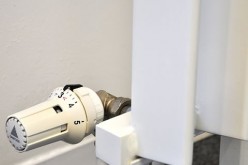
Electrical system assessment includes testing voltage levels, examining wire connections, and verifying proper grounding. Control system evaluation ensures thermostats, sensors, and safety switches operate correctly under various conditions.
Airflow measurement throughout your ductwork identifies restrictions or imbalances that reduce comfort and efficiency. Technicians use specialized instruments to measure air velocity and pressure at various points in your system.
-
Cleaning and Maintenance
Comprehensive cleaning extends beyond simple filter replacement. Evaporator and condenser coils receive thorough cleaning to remove accumulated dirt and debris that restricts heat transfer. Dirty coils can reduce system efficiency by up to 30%, making this cleaning crucial for optimal performance.
Drain lines and pans receive attention to prevent water damage and microbial growth. Clogged drain lines can cause water backup that damages your system and creates moisture problems in your home.
Moving components such as blower motors and fan blades are cleaned and lubricated according to manufacturer specifications. Proper lubrication reduces wear and extends component life while maintaining quiet operation.
-
Component Checks
Individual component testing identifies parts nearing the end of their useful life. Capacitors, which help motors start and run efficiently, are tested for proper capacitance levels. Worn capacitors can cause motor failure and system breakdowns.
Refrigerant system testing includes pressure checks and leak detection for air conditioning and heat pump systems. Low refrigerant levels indicate leaks that require repair for efficient operation and environmental protection.
Safety system testing ensures emergency shut-offs and protective devices function properly. These systems protect your equipment from damage during abnormal operating conditions and prevent dangerous situations.
Benefits of Regular HVAC Inspections
Consistent seasonal maintenance delivers measurable benefits that justify the investment in professional inspections. These advantages compound over time, providing increasing value as your system ages.
The most significant benefits encompass financial savings, improved comfort, and enhanced safety for your family.
-
Extended System Lifespan
Regular maintenance can extend your HVAC system’s life by five to ten years compared to neglected systems. The Air Conditioning Contractors of America reports that properly maintained systems last 15-20 years, while neglected systems often fail after only 8-12 years.
Component replacement costs significantly less than complete system replacement. A well-maintained system requires fewer major repairs and operates more reliably throughout its extended lifespan.
Warranty protection often depends on documented regular maintenance. Many manufacturers require proof of annual maintenance to honor warranty claims, making inspections essential for protecting your equipment investment.
-
Lower Energy Bills
The U.S. Department of Energy estimates that proper maintenance can reduce HVAC energy consumption by 5-15%. For systems consuming $2,000 annually in energy costs, this represents savings of $100-300 per year.
Efficiency improvements compound over time as maintained systems avoid the gradual performance decline experienced by neglected equipment. A system operating at 80% efficiency due to poor maintenance consumes 25% more energy than the same system maintained at peak performance.
Clean filters, calibrated controls, and properly adjusted components all contribute to reduced energy consumption. These improvements often offset inspection costs within the first year of implementation.
-
Improved Air Quality
HVAC maintenance directly impacts indoor air quality through several mechanisms. Clean filters remove more airborne particles, while properly maintained ductwork prevents dust and debris circulation throughout your home.
Moisture control improvements prevent mold and mildew growth within your system and ductwork. Humid conditions promote microbial growth that can trigger allergies and respiratory problems for sensitive family members.
Ventilation system maintenance ensures adequate fresh air exchange, reducing indoor pollutant concentrations. The Environmental Protection Agency notes that indoor air can be two to five times more polluted than outdoor air, making proper ventilation crucial for health.


Protecting Your Home’s Comfort Investment
Your HVAC system represents one of your home’s most significant mechanical investments, often costing $5,000 to $15,000 to replace. Protecting this investment through seasonal maintenance makes both financial and practical sense.
The small cost of bi-annual inspections pales in comparison to the expenses associated with premature system failure, emergency repairs, and excessive energy consumption. More importantly, regular maintenance ensures your family enjoys consistent comfort throughout the year, regardless of weather conditions.
Environmental stewardship also benefits from proper HVAC maintenance. Efficient systems consume less energy, reducing your household’s carbon footprint and contributing to broader sustainability goals. For environmentally conscious homeowners, this benefit adds meaningful value to maintenance investments.
Schedule your next seasonal HVAC inspection today to begin experiencing these benefits. Contact a qualified HVAC professional to establish a maintenance schedule that keeps your system operating at peak performance year-round.
Your comfort, budget, and peace of mind will all benefit from this proactive approach to home maintenance.
other related analysis of interest: (new win)
References:
| Inspection Type | Key Focus Areas | Benefits |
|---|---|---|
| Spring Inspection | – Transition from heating to cooling – Check refrigerant levels – Clean condenser coils – Tighten electrical connections – Airflow and efficiency testing – Replace or clean filters |
– Prepares for summer heat – Prevents costly repairs – Improves cooling efficiency – Extends system lifespan |
| Fall Inspection | – Transition from cooling to heating – Inspect heat exchangers – Check gas or oil connections – Test ignition systems – Seal duct leaks and check insulation – Calibrate thermostats |
– Prepares for winter cold – Improves heating efficiency – Reduces heating costs – Protects against carbon monoxide risks |
| Overall Benefits | – Extends system lifespan by 5-10 years – Reduces energy bills by 5-15% – Improves indoor air quality – Prevents emergency repairs – Enhances safety and comfort – Contributes to environmental sustainability |
|
Find HVAC Services Air Conditioning Central Heating Ducts & Vents Insulation Thermostats Water Heaters top-rated, pre-screened local contractors FREE: download contractor selection enter zip code – powered by HomeAdvisor ™


Image credit: seasonal HVAC inspections by envato.com
end of post … please share it!
| more photo remodeling |
Jump Over to Our Photo Analysis Center for Ideas on
"Renovating Home"
|__________________________________________________________|
home remodeling surprise
find out where it might go - new win


Helpful article? Leave us a quick comment below.
And please share this article within your social networks.