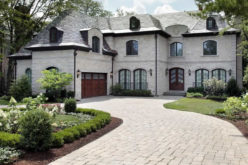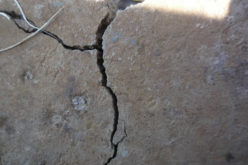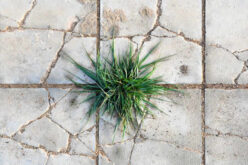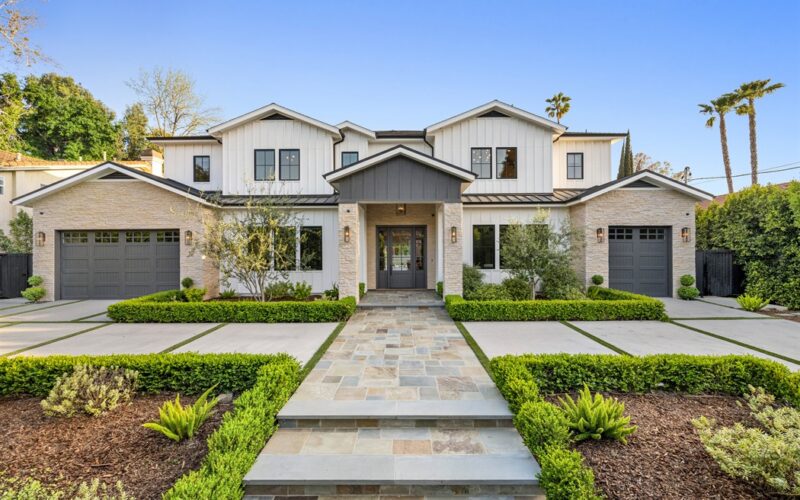
A cracked or outdated path can detract from an otherwise attractive exterior, while a thoughtfully designed walkway creates a more inviting first impression.
Fortunately, improving your walkway doesn’t necessarily require a major landscaping project. The right paving materials, carefully chosen plants, and subtle lighting can make a noticeable difference. Whether you’re planning a complete replacement or looking for smaller upgrades, these front walkway design ideas that boost curb appeal can help you create an entrance that suits your home.
Choose Walkway Materials That Complement Your Home
The material you select will influence your walkway’s appearance and how well it performs over time. Consider your home’s architectural style alongside practical concerns such as maintenance requirements and local weather conditions.
Concrete Pavers for a Polished Look
Concrete pavers offer plenty of design flexibility, making them suitable for both traditional and contemporary homes. Available in numerous shapes and finishes, they can create anything from a simple, understated pathway to a more decorative entrance.
Rectangular pavers arranged in a herringbone pattern add visual interest, while larger square pavers create a cleaner appearance. You can also introduce a contrasting border to define the walkway without making the overall design feel busy.
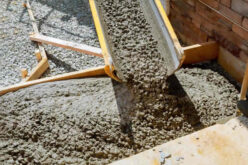
Pavers allow individual damaged sections to be replaced, although proper installation is essential for long-term stability. When comparing options, understanding the differences between pavers and poured concrete can help you choose a surface that suits your budget and maintenance preferences.
Natural Stone for Timeless Character
Natural stone walkways bring an organic quality to outdoor spaces. Flagstone, slate, and bluestone offer distinctive textures that work especially well with cottage-style properties or homes surrounded by established gardens.
Because natural stones vary in shape, their arrangement can create a relaxed appearance that feels integrated with the landscape. However, the installation requires careful attention to surface levels. Uneven stones may create tripping hazards, particularly along frequently used entrances.
Brick for Traditional Charm
Brick remains a popular choice for homeowners who appreciate classic design. Its warm, earthy coloring pairs beautifully with traditional architecture, especially homes featuring painted siding or established garden beds.
A herringbone arrangement creates a distinctive pattern, while a running bond offers a quieter finish. Whichever style you prefer, choose bricks manufactured for outdoor paving rather than standard wall construction.
Experiment With Walkway Shapes and Layouts
A walkway’s shape affects how visitors experience your front yard. The best layout should complement your home’s architecture while providing a convenient route to the entrance.
Straight Walkways for a Clean Entrance
Straight walkways work particularly well with symmetrical homes and contemporary designs. They establish a direct connection between the sidewalk or driveway and the front door, creating a sense of order.
If the layout feels too simple, consider adding interest through contrasting paving borders or carefully positioned flower beds. These details can soften the appearance without compromising the walkway’s clean lines.
Curved Walkways for a Softer Appearance
A gently curved path can make your front yard feel more natural. This approach works particularly well when the walkway needs to navigate existing trees or established landscaping. Curves can also create opportunities for attractive planting beds along the route.
Frame Your Walkway With Attractive Landscaping
Landscaping helps connect your walkway to the rest of your property. Without surrounding greenery, even attractive paving can appear disconnected from the yard.
Add Low-Growing Border Plants
Low-growing plants are particularly useful for defining walkway edges without blocking views of the entrance. They soften the transition between hard surfaces and surrounding lawns while introducing seasonal interest.
Depending on your growing conditions, suitable options may include:
- Creeping thyme: Produces small flowers and works well in sunny locations with suitable drainage.
- Dwarf boxwood: Creates a tidy border that complements traditional homes.
- Lavender: Adds fragrance and soft purple blooms in appropriate climates.
- Dwarf ornamental grasses: Introduce texture without requiring elaborate planting arrangements.
Before planting, check each variety’s mature size. Plants that look appropriately spaced when young may eventually spread across the walkway, making regular trimming necessary.
Use Layered Planting for Depth
Layered landscaping creates a fuller appearance without making the entrance feel crowded. Position smaller plants near the walkway, with taller shrubs set farther back to provide depth.
Rather than introducing numerous unrelated varieties, repeat a few complementary plants throughout the design. This creates visual continuity and allows the walkway to remain the main feature.
Install Walkway Lighting for Safety and Style
Lighting makes your front walkway more functional after dark while highlighting its best features. Well-positioned fixtures can guide visitors toward the entrance without overpowering the surrounding landscape.
Avoid placing fixtures too close together, as excessive lighting can create distracting glare. Warm-toned bulbs generally produce a softer atmosphere than bright, cool-white alternatives.
For a balanced appearance, concentrate on illuminating the walking surface and important transitions rather than lighting every section of the garden equally.
Add Borders To Give Your Walkway Definition
Edging makes a walkway appear more finished. A defined border separates paving from adjacent landscaping and helps establish a clear visual boundary.
For traditional homes, brick edging can provide an attractive contrast against concrete pavers. Natural stone borders complement informal gardens, while slim metal edging offers a restrained finish for contemporary landscapes.
Keep the edging proportional to the path itself. A narrow walkway can feel crowded when surrounded by oversized decorative borders, particularly if nearby plants also extend toward the walking surface.
Create an Inviting Transition at the Front Door
Your walkway shouldn’t feel like it ends abruptly when visitors reach the house. The entrance should continue the design established along the path, creating a welcoming transition from the front yard to your doorway.
Consider a few simple improvements:
- Position matching planters beside the front door.
- Replace a faded doormat with a durable outdoor option.
- Refresh the front door with a complementary paint color.
Choose accessories that complement the walkway materials rather than introducing competing styles. For example, understated planters can reinforce the clean appearance of a modern paver walkway.
Prioritize Walkway Width, Drainage, and Accessibility
An attractive walkway must also accommodate everyday use. Around four feet is a practical starting width for many main entrance paths, although the appropriate dimensions depend on your property and applicable local requirements.
Drainage deserves equal attention. Water collecting on the walkway can create slippery conditions and contribute to surface deterioration. The finished path should direct runoff away from your home’s foundation rather than allowing moisture to accumulate near the entrance.
In colder regions, freezing temperatures can affect certain paving materials and installation methods. Choose surfaces appropriate for your climate, with sufficient traction for wet conditions.
A qualified contractor can help assess grading concerns before installation begins. Addressing these issues during planning is generally easier than correcting them after the walkway is finished.
Bring Your Front Walkway Design Together
The most effective walkway designs combine attractive materials with a layout that is comfortable and natural. Limit your elements to those that complement your home’s architecture and surrounding landscape.
Start with a durable surface and practical route, then introduce greenery or lighting to enhance the finished appearance. Whether you prefer traditional brick or contemporary concrete pavers, thoughtful design choices can make your entrance more inviting.
With the right approach, your front walkway can boost curb appeal while providing a welcoming path that serves your household for years to come.
Image Credentials: By Wirestock, 783744182
end of post … please share it!
| more photo remodeling |
Jump Over to Our Photo Analysis Center for Ideas on
"Renovating Home"

|__________________________________________________________|
home remodeling surprise
find out where it might go - new win


Helpful article? Leave us a quick comment below.
And please share this article within your social networks.