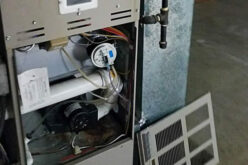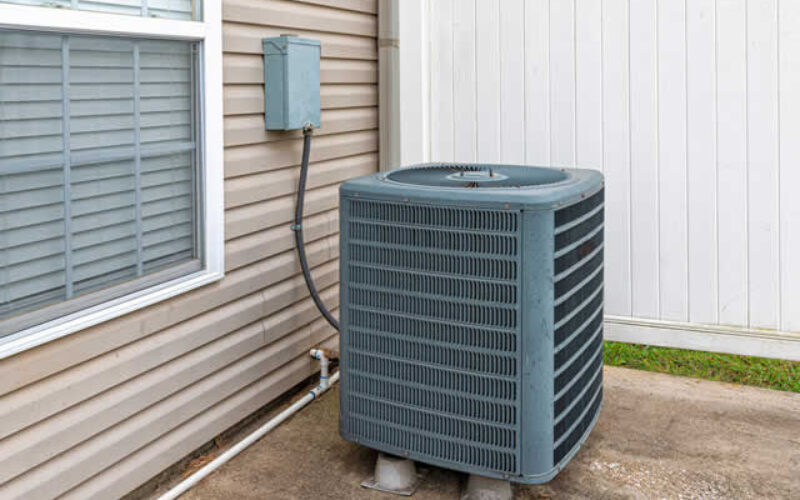
Understanding how these weather patterns impact your heating and cooling equipment is crucial for every homeowner.
This extensive guide will explore the defining characteristics of the Ohio Valley climate, how different HVAC systems perform here, and essential strategies for optimizing your home’s comfort and energy savings year-round.
- post content
- Introduction
- The Challenges of High Humidity and Extreme Temperatures
- How Local Geography and Older Housing Stock Complicate Airflow
- Choosing the Right Heating and Air Conditioning Systems for Regional Comfort
- Comparing Furnaces, Heat Pumps, and Hybrid Systems
- The Role of Variable-Speed Technology in Reducing System Wear
- Operational Strategies and Thermostat Settings for Maximum Efficiency
- Recommended Settings for Heating and Air Conditioning Seasons
- Simple Home Adjustments to Support Your HVAC System
- Essential Maintenance and Air Balancing for System Longevity
- Crucial DIY Tasks for Homeowners
- Professional Air Balancing and Ductwork Optimization
- FAQs
- conclusion
- view notes:collective tips
- view analysis:what is HVAC?
- view ideas:latest remodeling analysis
Introduction
The Ohio Valley is situated within ASHRAE Climate Zone 5A, designated as “Cool-Humid.” This classification immediately signals a significant heating demand, with approximately 5,600 Heating Degree Days (HDD) annually, far outweighing the 900 Cooling Degree Days (CDD).
This means that for much of the year, our HVAC systems are primarily working to keep our homes warm, but the summers bring their own intense challenges.
The region experiences distinct seasons: typically 150 heating days, 90 cooling days, and about 125 shoulder season days, where temperatures fluctuate.
Beyond just temperature, the Ohio Valley’s climate is characterized by high relative humidity, which can be surprisingly prevalent even in colder months, peaking in December, and remaining high throughout the summer from June to August.
This persistent moisture, combined with significant temperature swings, places unique demands on heating and cooling systems. Regional phenomena like temperature inversions and cold air pooling in river valleys further complicate matters, creating microclimates that stress residential HVAC equipment.
For a deeper dive into how these conditions specifically impact your home’s heating and cooling, we encourage you to explore resources like the Allegiance Ohio Valley HVAC insights available online.

The Challenges of High Humidity and Extreme Temperatures
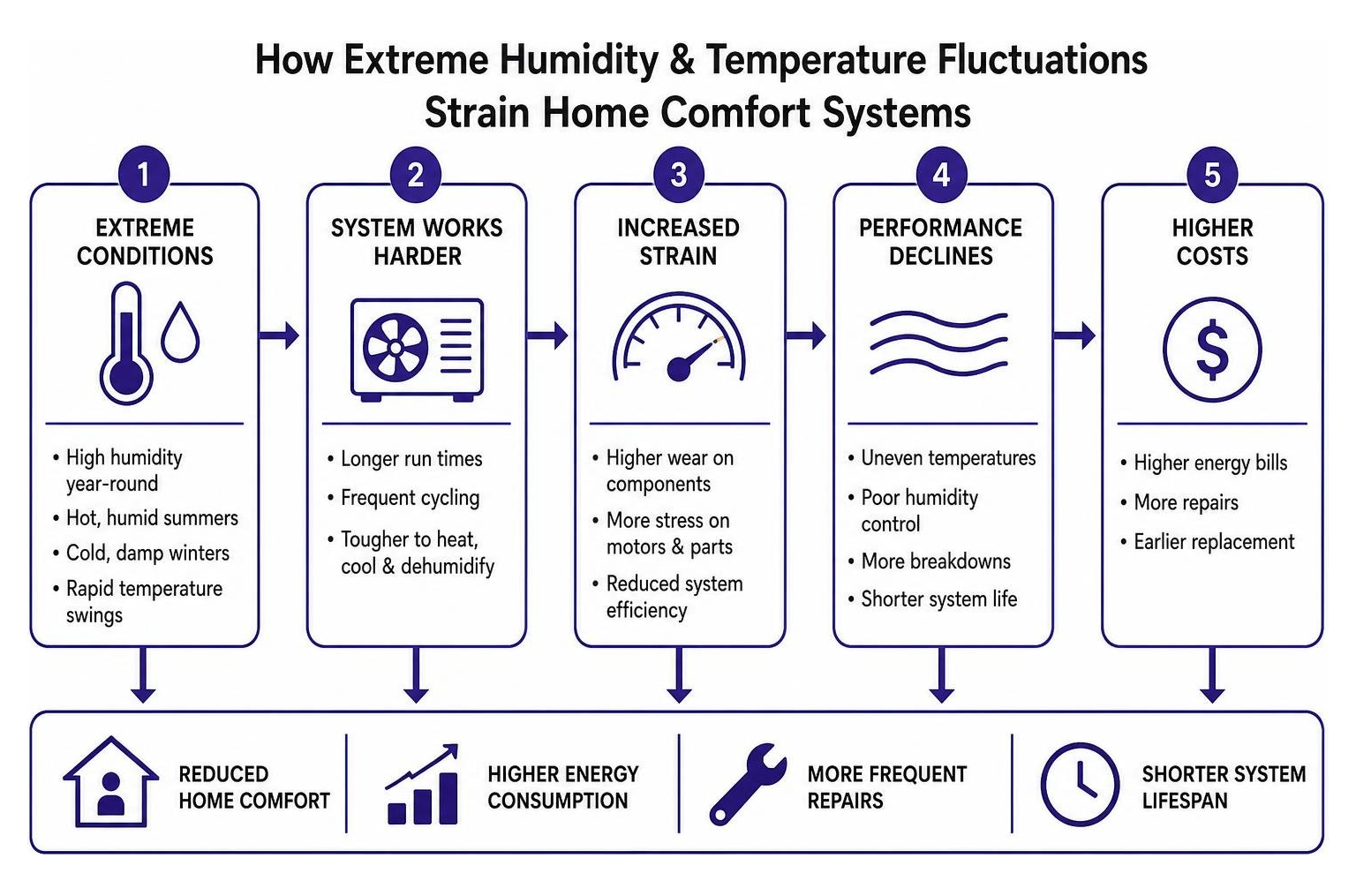
The “Cool-Humid” designation for the Ohio Valley is particularly telling regarding the challenges posed by humidity. During the hot summer months, high relative humidity contributes significantly to what’s known as the “latent heat load.”
This means your air conditioning system isn’t just fighting to lower the air temperature (sensible heat); it’s also working hard to remove moisture from the air.
High summer dew points, especially along the Ohio River corridor (often classified as Zone 4A, Mixed-Humid), require AC units to have higher latent load capacity, sometimes even necessitating supplemental dehumidification.
This constant battle against moisture can lead to several issues. Evaporator coils can accumulate excessive condensation, and if not properly managed, this can hinder performance and even foster mold growth.
Moreover, if your AC system is oversized or cycles too frequently without completing a full dehumidification cycle, it might cool the air but leave your home feeling clammy. This “short-cycling” is detrimental, as longer cooling cycles are far more effective at extracting moisture, contributing to both comfort and energy efficiency.
How Local Geography and Older Housing Stock Complicate Airflow
The unique topography of the Ohio Valley, combined with its historical housing stock, significantly amplifies HVAC challenges. Homes nestled in river valleys often contend with increased humidity and cold air pooling, while those on hillsides face greater exposure to winds, leading to higher heat loss in winter.
These regional factors can cause HVAC systems in the Upper Ohio Valley to run 20–40% longer than in flatter, more inland areas. A substantial portion of homes in the Ohio Valley were built before 1980, often featuring insulation standards that are insufficient by today’s measures.
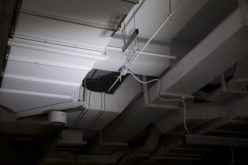
Many of these older residences also have undersized or retrofitted ductwork that was not originally designed for modern central air conditioning systems. This can result in poor airflow, leading to uneven temperatures, such as a warm second floor during a summer heatwave or a cold basement in winter.
Issues like long duct runs in multi-level homes, basement heat loss, and even moisture from the Ohio River proximity can exacerbate these problems, forcing HVAC systems to work harder and less efficiently to maintain a comfortable indoor environment.
Choosing the Right Heating and Air Conditioning Systems for Regional Comfort
Selecting the appropriate HVAC system for your Ohio Valley home is a critical decision that impacts comfort, energy bills, and system longevity. Given the region’s dominant heating load and significant cooling demands, a carefully chosen system can make a substantial difference.
Proper system sizing, which involves detailed calculations like ACCA Manual J load calculations, is paramount to ensure your equipment can efficiently handle both the bitter cold of winter and the hot, humid summers without being undersized (leading to constant running and discomfort) or oversized (leading to short-cycling and poor dehumidification).
Investing in energy-efficient technology tailored to our climate ensures year-round performance and long-term savings.
understanding HVAC components

What Does HVAC Mean? Why HVAC is a Vital Component for Your Home
Understanding a home HVAC (Heating, Ventilation, and Air Conditioning) system is essential for ensuring comfort, energy efficiency, and proper indoor air quality in your living space.
Comparing Furnaces, Heat Pumps, and Hybrid Systems
For Ohio Valley homeowners, the choice often comes down to furnaces, heat pumps, or a hybrid combination.
-
Furnaces:
These systems excel in heating-dominated climates like ours. Modern high-efficiency gas furnaces boast Annual Fuel Utilization Efficiency (AFUE) ratings of 90-98%, meaning they convert nearly all the fuel they consume into heat for your home.
They deliver very warm air (120-140°F), quickly satisfying heating demands even during Ohio’s coldest winter days when lows can dip to 22°F or below. Their primary drawback is that they only provide heating, requiring a separate air conditioning unit for summer cooling.
-
Heat Pumps:
These versatile systems offer both heating and cooling by transferring heat rather than generating it. In milder weather, heat pumps are incredibly efficient, with Heating Seasonal Performance Factor (HSPF) ratings of 8-10 considered excellent. However, their efficiency significantly decreases below 30°F.
When temperatures drop below this threshold, typically around 25-30°F, standard heat pumps often rely on supplemental electric resistance heaters (auxiliary heat), which can draw 5–20 kW and lead to much higher electricity bills.
Heat pumps also deliver cooler air (85-95°F) than furnaces, meaning they may run for longer cycles to achieve the desired temperature, especially in cold weather.
-
Hybrid Dual-Fuel Systems:
Often considered the “best of both worlds” for the Ohio Valley, hybrid systems combine a high-efficiency heat pump with a gas furnace. The heat pump operates as the primary heating source during milder winter days and provides all the cooling in summer.
When outdoor temperatures fall below the heat pump’s efficient operating range (e.g., 25-35°F), the system automatically switches to the more powerful and efficient gas furnace for optimal comfort and cost savings.
This strategy leverages the heat pump’s efficiency in moderate conditions and the furnace’s reliability in extreme cold, offering excellent year-round performance and lower energy costs.
When considering an upgrade, look for systems with high SEER2 (Seasonal Energy Efficiency Ratio) and HSPF2 ratings, which reflect current federal minimum efficiency standards.
The Role of Variable-Speed Technology in Reducing System Wear
Modern high-efficiency HVAC systems incorporate advanced technologies that dramatically improve performance and longevity in the Ohio Valley’s challenging climate. Variable-speed technology, encompassing modulating combustion in furnaces, variable-speed blower motors, and inverter technology in air conditioners and heat pumps, is a game-changer.
Unlike older, single-stage systems that operate at full capacity or off, variable-speed units can precisely adjust their output to match your home’s exact heating or cooling needs.
Modulating combustion in furnaces, for instance, can fine-tune heat output in increments as small as 0.5% to 5%, ensuring consistent warmth without overshooting the setpoint.
Variable-speed blower motors consume up to 66% less electricity than traditional motors and help circulate air more evenly, enhancing comfort. Inverter technology in heat pumps and ACs allows the compressor to ramp up or down, providing only the necessary cooling or heating.
The most significant benefit of these technologies is the reduction in compressor and fan cycling. While standard systems might cycle around 8,700 times per year, high-efficiency systems can reduce this to 4,500–5,000 cycles.
This reduction in stop-and-start operation minimizes wear and tear on components, extends the system’s lifespan (often to 15-20 years with proper maintenance), and leads to annual energy savings ranging from $100–$800.
Furthermore, variable-speed systems provide more consistent airflow, better temperature control, and enhanced dehumidification, which is vital for combating the Ohio Valley’s humid summers.
Operational Strategies and Thermostat Settings for Maximum Efficiency
Optimizing your HVAC system’s operation in the Ohio Valley requires more than just setting a temperature and forgetting it. Strategic thermostat management, combined with smart home technology, can significantly impact your comfort and energy bills throughout the year.
The goal is to maintain steady thermostat setpoints, which allows your system to run longer, more efficient cycles and prevents the energy-intensive “catch-up” game that occurs with large temperature swings.
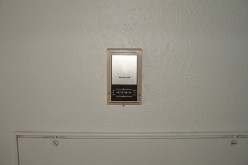
Smart thermostats, in particular, can learn your habits, optimize settings, and even integrate with weather forecasts to proactively adjust, leading to 10-15% energy savings. This approach reduces system strain, promotes longevity, and contributes to better indoor air quality by ensuring consistent air filtration and humidity control.
why consider a smart thermostat
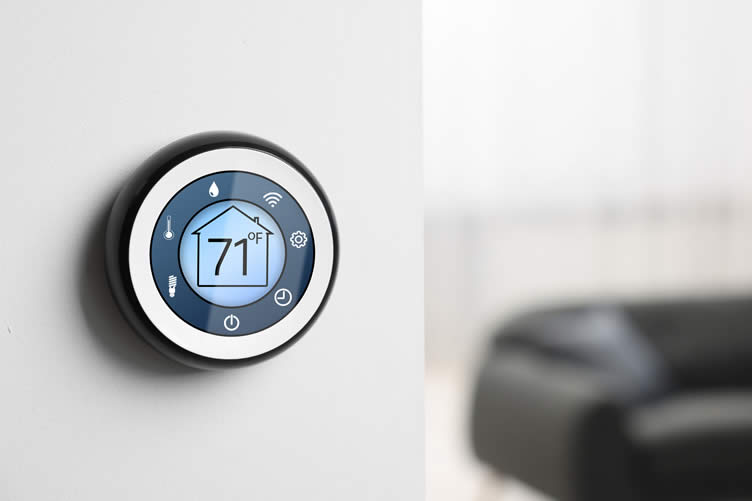
Smart Thermostats: Your Guide to a Smarter Home
A smart thermostat offers a practical solution, transforming how you manage your home’s climate and helping you create a more efficient, comfortable, and convenient living environment.
Recommended Settings for Heating and Air Conditioning Seasons
Finding the “sweet spot” for your thermostat settings can make a big difference in comfort and energy use in the Ohio Valley.
-
Winter Heating:
We generally recommend setting your heat pump or furnace to 67–69°F. This range balances comfort with efficiency. While it might feel slightly cooler than what some are accustomed to, heat pumps deliver air at a lower temperature (85-95°F) than furnaces (120-140°F), so patience with longer run times is key.
Avoid aggressively lowering the thermostat at night or when leaving home, as large temperature setbacks (more than 2-3°F) can trigger the auxiliary electric heat to kick in, drawing 5–20 kW of power and significantly increasing your energy bill.
-
Summer Cooling:
For optimal cooling and dehumidification, aim for 74–76°F. Setting the thermostat too low (e.g., 62°F or below) can prevent your AC from completing full cooling cycles, leading to inefficiency, potential damage, and an inability to adequately remove humidity.Longer, steadier cooling cycles are crucial for moisture removal in our humid summers.
-
Spring/Fall Shoulder Seasons:
During these milder periods, a setting of 68–72°F is often ideal. The key is consistency. Avoid frequent, drastic adjustments, as they can cause your system to work harder than necessary.
Simple Home Adjustments to Support Your HVAC System
Beyond thermostat settings, several straightforward home adjustments can significantly reduce the workload on your HVAC system and boost its efficiency:
-
Manage Sunlight:
Close window blinds, curtains, and shades during the day, especially on south and west-facing windows, to block solar heat gain in summer. In winter, open them during sunny hours to leverage passive solar heating.
-
Minimize Internal Heat Sources:
In summer, avoid using heat-producing appliances like ovens, stoves, and clothes dryers during the hottest parts of the day. Opt for grilling outdoors or preparing cooler meals.
-
Air Sealing:
Seal air leaks around windows, doors, electrical outlets, and ductwork. This is one of the most cost-effective ways to prevent conditioned air from escaping and unconditioned air from entering, reducing your HVAC system’s energy load by 25-40%.
-
Attic Insulation Upgrades:
Many older Ohio Valley homes have insufficient attic insulation. Upgrading attic insulation from R-19 to R-49 or higher can dramatically reduce heat loss in winter and heat gain in summer, potentially saving 10-20% on HVAC costs.
-
Ceiling Fan Direction:
In summer, run ceiling fans counter-clockwise to create a downdraft, making you feel cooler without lowering the thermostat. In winter, reverse them to run clockwise at a low speed to gently push warm air down from the ceiling.
Essential Maintenance and Air Balancing for System Longevity
Just like a car, your HVAC system requires regular care to perform optimally and last its expected lifespan. Neglecting maintenance can lead to decreased efficiency, higher energy bills, frequent breakdowns, and premature system failure.
Preventative maintenance, including professional tune-ups and diligent homeowner tasks, is crucial for ensuring your system can withstand the Ohio Valley’s extreme temperatures and humidity.
This proactive approach not only extends your system’s life but also optimizes airflow, which is fundamental to consistent comfort and efficiency.
Crucial DIY Tasks for Homeowners
While professional maintenance is indispensable, there are several key tasks you can perform regularly to support your HVAC system:
-
Air Filter Replacement:
This is arguably the most important DIY task. Dirty air filters restrict airflow, forcing your HVAC unit to work harder, increasing energy consumption by 5-15%, and reducing its lifespan.
Inspect your air filter monthly and replace or clean it every 1-3 months, or more frequently if you have pets or allergies. A grey, dusty filter is a clear sign it needs changing.
-
Clearing Outdoor Unit Debris:
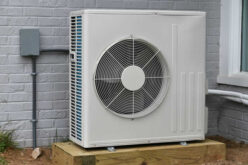
Ensure your outdoor air conditioning or heat pump unit is free from obstructions. Clear away leaves, grass clippings, dirt, and any other debris that can block airflow around the coils. Maintain at least two feet of clearance around the unit.
-
Monitoring Vent Obstructions:
Routinely check that all supply and return vents inside your home are open and unobstructed by furniture, rugs, or drapes. Blocked vents can disrupt airflow balance and create hot or cold spots.
-
Checking for Dust Accumulation:
Keep an eye on dust levels around vents and registers. Excessive dust can indicate poor air filtration or ductwork issues, and it can eventually clog coils and reduce efficiency.
Professional Air Balancing and Ductwork Optimization
Beyond DIY tasks, professional air balancing and ductwork optimization are critical for achieving consistent comfort and efficiency, especially in the Ohio Valley’s diverse housing stock.
Air balancing is the process of adjusting your HVAC system to ensure the right amount of conditioned air reaches each room, preventing uneven temperatures and hot/cold spots.
-
Signs You Need Air Balancing:
If you notice significant temperature differences between rooms, some vents having weak airflow, or your system running constantly without achieving comfort, these are strong indicators of air balance issues.
-
The Process:
Professionals use specialized diagnostic tools like manometers (to measure static pressure) and flow hoods (to measure Cubic Feet per Minute, or CFM) to assess your system.They identify issues such as duct leakage (which can account for 25-40% energy loss), blockages, or improperly sized duct runs.
They then make precise adjustments to dampers, seal duct joints, and optimize fan speeds. For instance, adjusting your AC fan speed to around 350 CFM is often the “sweet spot” for optimal humidity removal in our humid summers.
-
Advanced Solutions:
In some cases, professional solutions might include installing a TXV (Thermostatic Expansion Valve) coil, which improves an AC unit’s working efficiency and humidity removal capacity.
For older homes with outdated or undersized duct systems, ductwork modifications or even replacement might be recommended to achieve proper airflow and prevent system overwork.
Investing in professional air balancing ensures your entire HVAC system operates at peak efficiency, extending its lifespan and maximizing your comfort.
Reclaiming Control Over Energy Costs
Your utility bill doesn’t have to be a monthly source of stress.
By implementing small yet effective changes in your daily routines—such as switching to energy-efficient appliances, sealing drafts around windows, and using programmable thermostats—you can significantly lower energy usage while promoting sustainability.
These changes not only help reduce costs but also create a healthier, eco-friendly home environment for you and your family.
view ideas: How to Save Energy (new win)

Frequently Asked Questions About Heating and Air Conditioning in the Ohio Valley
Homeowners in the Ohio Valley often have specific questions about how their HVAC systems cope with our unique climate. Here, we address some of the most common concerns.
-
Why does my heat pump run constantly when outdoor temperatures drop below 35°F?
It’s common for a heat pump to run for extended periods, or even nearly continuously, when outdoor temperatures fall below 30–35°F in the Ohio Valley. This is due to the nature of heat pump operation: they transfer heat from the outside air indoors.
As the outdoor temperature drops, there’s less heat energy available to extract, making the heat pump’s job harder and less efficient. To compensate, the system needs to run longer cycles to gather enough heat to maintain your desired indoor temperature.
Additionally, regional factors like river valley humidity, hillside wind exposure, and the often-older housing stock with insufficient insulation can increase your home’s heat loss, forcing the heat pump to work even harder.
While a gas furnace delivers much warmer air (120-140°F), a heat pump typically delivers air at 85-95°F, which feels cooler to the touch but is effective over longer durations.
Continuous operation is often normal during cold weather, provided your home is reaching and maintaining the thermostat setting. If your home never warms up or the auxiliary heat runs constantly, then it’s time to call a professional for service.
-
How does high humidity affect my air conditioning system’s performance?
High humidity significantly impacts your air conditioning system’s performance, especially during the Ohio Valley’s warm, humid summers. Your AC unit has two main jobs: cooling the air (sensible cooling) and removing moisture from the air (latent cooling).
When humidity levels are high, a substantial portion of your AC’s capacity is dedicated to latent cooling.
If your AC system struggles with humidity, your home might feel clammy even at a comfortable temperature, making you want to lower the thermostat further, which wastes energy. This increased dehumidification load can cause your system to work harder and run longer.
One critical factor is the AC fan speed. Many believe a higher fan speed is always better, but in humid environments, a fan speed of around 350 CFM (cubic feet per minute) is often the “sweet spot” for optimal moisture removal.
Too high a fan speed can reduce the time air spends over the evaporator coil, hindering dehumidification. Ensuring your system’s evaporator coils are clean and that refrigerant levels are adequate is also crucial for effective moisture removal and overall indoor comfort.
-
What are the signs that my home needs professional air balancing services?
Uneven temperatures are the most common and frustrating sign that your home might need professional air balancing.
If you experience noticeably hotter or colder rooms, persistent hot and cold spots, or feel that some vents have significantly weaker airflow than others, these are clear indicators that your ductwork is not distributing conditioned air effectively.
Other signs include your HVAC system running constantly without achieving comfort, or short-cycling (turning on and off frequently) because it’s struggling to reach the set temperature in certain areas.
These issues often stem from inadequate duct design, blockages within the ductwork, improperly sized HVAC equipment, or environmental factors like furniture obstructing vents. Older homes in the Ohio Valley, with their original or retrofitted duct systems, are particularly prone to these problems.
Professional air balancing can diagnose these issues using specialized tools and make precise adjustments to ensure consistent airflow and comfort throughout your entire home.
Conclusion
The Ohio Valley’s distinct climate, characterized by its “Cool-Humid” designation, presents a unique set of challenges for residential HVAC systems. From the dominant heating load of cold winters to the oppressive humidity of summer, understanding these climatic pressures is the first step toward achieving reliable year-round comfort.
By choosing the right HVAC system for our region – whether a high-efficiency furnace, a robust heat pump, or a balanced hybrid system – and ensuring it’s properly sized, homeowners can significantly improve their energy efficiency and indoor living experience.
Proactive maintenance, including both essential DIY tasks and professional tune-ups, is non-negotiable for extending system longevity and ensuring peak performance. Furthermore, strategic operational strategies, such as smart thermostat settings and simple home adjustments, can dramatically reduce system strain and energy costs.
Finally, addressing regional factors like older housing stock and local geography through solutions like professional air balancing and ductwork optimization is key to overcoming common struggles like uneven temperatures.
By embracing these insights and solutions, Ohio Valley homeowners can ensure their HVAC systems provide optimal comfort, healthy indoor air quality, and impressive energy efficiency for years to come.
home improvement ideas to consider (complete directory – new win):


Find HVAC Services Air Conditioning Central Heating Ducts & Vents Insulation Thermostats Water Heaters top-rated, pre-screened local contractors FREE: download contractor selection enter zip code – powered by HomeAdvisor ™


Image credit: by envato.com
end of post … please share it!
| more photo remodeling |
Jump Over to Our Photo Analysis Center for Ideas on
"Renovating Home"
|__________________________________________________________|
home remodeling surprise
find out where it might go - new win


Helpful article? Leave us a quick comment below.
And please share this article within your social networks.