Summary Outline –
A well-functioning home plumbing drainage system is essential for maintaining a clean, safe, and comfortable living environment. Your home’s drainage is responsible for effectively transporting wastewater away, ensuring that sinks, showers, and other fixtures operate seamlessly.
However, without proper care and maintenance, drainage systems can become vulnerable to clogs, backups, and other costly problems. Understanding practical techniques and preventative strategies can help keep your plumbing in top condition, saving you the inconvenience and expense of unexpected repairs.
By adopting these simple plumbing tricks, you can extend the lifespan of your drainage system and reduce the likelihood of major plumbing emergencies. Preventative care not only saves time and money but also contributes to a stress-free home where the plumbing system operates efficiently.
Proper maintenance ensures that your drainage system remains clog-free, promoting a worry-free and comfortable home environment for you and your family.
- post content … analysis/ manage your home’s plumbing drainage system
- 1st: Understanding Drainage Plumbing Systems
- 2nd: Where Do Most Clogs Occur in the Drain Pipes?
- 3rd: Plumbing Tricks to Keep Drains Flowing Smoothly
- 4th: DIY: how to unclog drains
- 5th: Essential Plumbing Tools for Unclogging Drains
- 6th: How to Inspect and Maintain Air Pipe Vents
- 7th: When to Call a Plumber for Drainage Issues
- conclusion
- other home structural topics

-
- —— begin first topic ——
-
1st Tip: Understanding Drainage Plumbing Systems
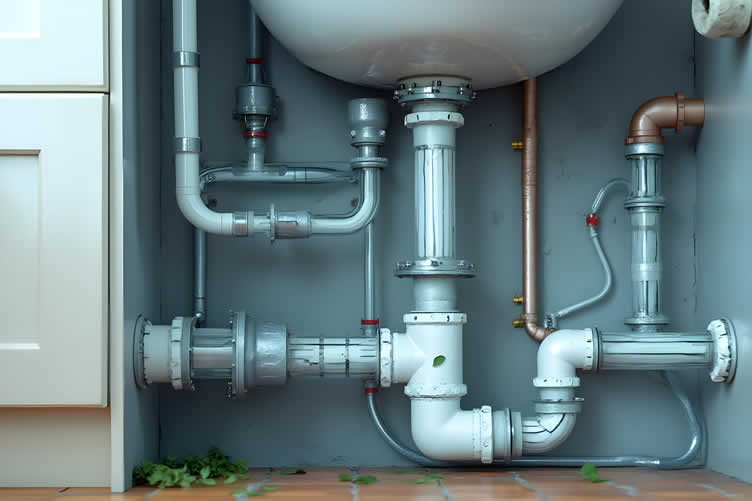
The proper functioning of a drainage plumbing system is essential for maintaining a clean and sanitary home environment. These systems are designed to efficiently remove wastewater and debris from your household to prevent blockages, backflow, and other plumbing challenges.
Whether the water and waste are directed into a community sewer system or a septic tank, understanding the makeup of these components is key to ensuring they work seamlessly.
Below, we’ll examine the primary parts of a drainage plumbing system and how they work together to transport waste safely and effectively.
[ view summary table: understanding drainage ]
-
Drain Pipes
Drain pipes serve as the main pathways for wastewater as it exits the various fixtures in your home, such as sinks, showers, and toilets. These pipes are sloped downward to use gravity for the efficient movement of water and waste.
They are typically made from durable materials such as PVC (polyvinyl chloride), cast iron, or ABS (acrylonitrile butadiene styrene), chosen for their ability to withstand high volumes of water flow and resist corrosion over time.
The diameter of drain pipes can vary depending on their location and use, with larger pipes required for areas like toilets to manage heavier waste output.
drain pipes -
Trap Systems
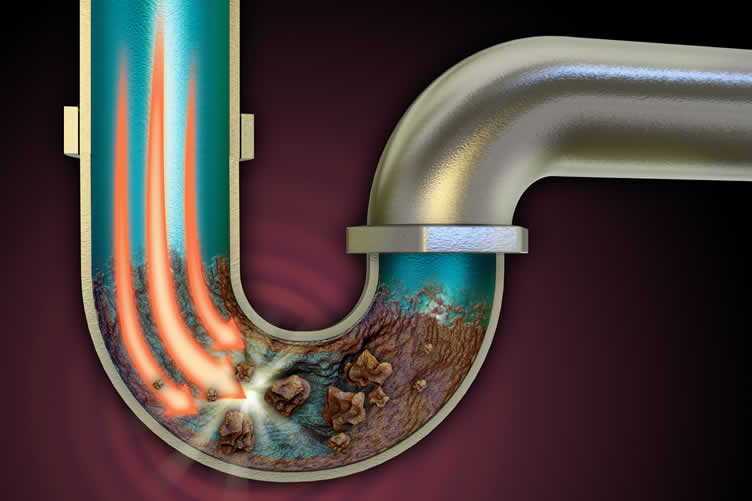
Every drain is equipped with a trap, a vital curved section of pipe that helps prevent unpleasant sewer gases from entering your home. Water collects in this U-shaped or P-shaped bend, acting as a barrier that seals off odors while still allowing wastewater to pass through.
Sink traps are often accessible for cleaning and removing clogs, whereas concealed traps in toilets and other fixtures are built into their design.
trap systems -
Vents and Vent Pipes
Vent pipes are an often overlooked yet crucial part of a drainage plumbing system. These vertical pipes are connected to the drainpipes and extend through the roof of your home. Their primary function is to allow air to enter the plumbing system, ensuring pressure balance and facilitating the smooth flow of water and waste.
Proper venting also prevents siphoning of the traps, which could allow sewer gases to escape into your living spaces. A malfunctioning or blocked vent can result in slow drainage, gurgling sounds, or even stagnant water within the system.
vent pipes -
Main Sewer Line
The main sewer line is the largest pipe in your drainage system, carrying wastewater from your home to the municipal sewer system or septic tank. It collects flow from all other fixtures and drains, requiring rigorous durability and proper installation.
Any issues with the main sewer line, such as tree root intrusion, leaks, or blockages, can disrupt your entire plumbing system, often necessitating professional repair.
main sewer line -
Cleanouts
Cleanouts are access points placed strategically within a drainage system, allowing plumbers or homeowners to remove clogs and inspect the pipes when needed. These are usually located on the main sewer line and sometimes near specific fixtures.
Regular use of cleanouts during maintenance can help spot issues early and prevent more significant disruptions to the system.
plumbing cleanout -
Air Gaps
Air gaps refer to the space above fixtures, such as sinks, and the drainage or wastewater pipes to prevent contaminated water from siphoning back into clean water supplies.
This safety feature is particularly vital for appliances like dishwashers and washing machines, minimizing the risk of cross-connection contamination in the event of clogging or blockage.
plumbing air gaps
References:
- International Association of Plumbing and Mechanical Officials (IAPMO). "Uniform Plumbing Code 2021."
- Environmental Protection Agency (EPA). "Septic Systems Overview."
- American Society of Plumbing Engineers (ASPE). "Plumbing Engineering Design Handbook Vol. 1."
- Home Improvement Research Institute. "Residential Plumbing Systems – Design and Usage Insights."
Component Description Summary Drain Pipes Serve as main pathways for wastewater exiting fixtures; use gravity for efficient flow. Made from durable materials like PVC, cast iron, or ABS to resist corrosion and handle high water volumes. Made of PVC, cast iron, or ABS; sloped for gravity flow Trap Systems Curved sections of pipe (U-shaped or P-shaped) that prevent sewer gases from entering the home by sealing odors with water. Accessible for cleaning and clog removal. U-shaped or P-shaped; seals odors Vents and Vent Pipes Vertical pipes allowing air into the system for pressure balance and smooth water flow. Prevent traps from siphoning and eliminate sewer gas issues caused by blockages or malfunctioning vents. Extends through roof; prevents siphoning of traps Main Sewer Line The largest pipe that carries wastewater to the municipal sewer system or septic tank. Handles flow from all fixtures; issues may require professional repair. Largest pipe in system; collects flows from all drains Cleanouts Access points for clearing clogs and inspecting pipes, often located on the main sewer line or near specific fixtures, essential for system maintenance. Strategically placed; supports maintenance Air Gaps Spaces above fixtures to prevent contaminated water from siphoning into clean water supplies. Vital for appliances like dishwashers and washing machines to avoid cross-contamination. Used above fixtures like sinks and appliances 

AI generated image by 123rf.com
[ view diagram: how p-trap works ]
[ youtube: what is a plumbing vent ]
-
Scroll up to directory … or scroll to next section of reviewing plumbing drainage system …

-
-
2nd Tip: Where Do Most Clogs Occur in the Drain Pipes?
Drain clogs are a common issue that many homeowners face, often resulting in inconvenient and costly repairs if not addressed promptly. Understanding where these blockages typically form can help in preventing them and maintaining efficient plumbing systems.
Below, we examine the areas most susceptible to clogs, providing expert insights for homeowners to address or avoid these problems effectively.
[ view summary table: where clogs occur ]
-
Kitchen Drains
The kitchen drain is one of the most common areas for clogs to form. Blockages here are typically caused by a build-up of grease, food particles, and soap residue. Over time, these substances can accumulate in the pipes, narrowing the flow of water and leading to complete obstructions.
Fats, oils, and grease solidify when they cool, creating a sticky environment that traps other debris. Preventive measures, such as using strainers and avoiding pouring grease down the drain, are essential to maintaining an unclogged kitchen drain.
-
Bathroom Drains
Bathrooms are another hotspot for drain clogs, with issues frequently arising in sinks, showers, and bathtubs. Hair strands are the main culprit, as they easily bind together with soap scum and other particles to create stubborn clogs.
The curved sections of pipes, such as P-traps, are particularly prone to these blockages, as their shape is designed to hold water and seal off sewer gases but can also trap debris. Routine cleaning and the use of drain covers are effective preventative strategies.
-
Toilets
Toilets are prone to clogs due to the misuse of the plumbing system. Items such as sanitary products, wet wipes, and excessive amounts of toilet paper can lead to significant blockages – plus, items flushed by children and others unaware of the consequences
These materials do not break down easily in water, causing obstructions in the pipes and the sewer line. Ensuring that only flushable materials are disposed of in the toilet can considerably reduce the likelihood of clogs.
-
Laundry Drains
The laundry drain is another area where clogs can often appear. Lint and fabric fibers from clothes can accumulate in the drain hose or within the pipes leading to the main sewer line.
Over time, this build-up can create obstructions that prevent water from draining properly. Installing a lint trap on your washing machine’s drain hose is a proactive step to avoid this issue.
-
Main Sewer Line
The main sewer line is the central drainage point for your home and is susceptible to clogs caused by tree root intrusion, build-up of waste, and the flushing of inappropriate materials down toilets or drains.
A clogged sewer line can affect the entire home, leading to severe and widespread plumbing problems. Regular maintenance, such as professional inspections and hydro-jetting, can help keep the main sewer line clear and ensure a well-functioning plumbing system.
-
Summary and Prevention Strategies
Understanding where clogs are most likely to develop within drain pipes equips homeowners with the knowledge to adopt preventive measures.
By practicing proper disposal habits, performing routine maintenance, and utilizing professional services when needed, you can prolong the life of your plumbing system and avoid costly repairs.
References:
Location Common Causes of Clogs Prevention Strategies Kitchen Drains Grease, food particles, soap residue Use strainers, avoid pouring grease down the drain Bathroom Drains Hair, soap scum, debris trapped in P-traps Use drain covers, perform routine cleaning Toilets Sanitary products, wet wipes, excessive toilet paper Only flush flushable materials Laundry Drains Lint and fabric fibers from clothes Install a lint trap on washing machine’s drain hose Main Sewer Line Tree roots, waste build-up, flushing inappropriate materials Professional inspections, hydro-jetting 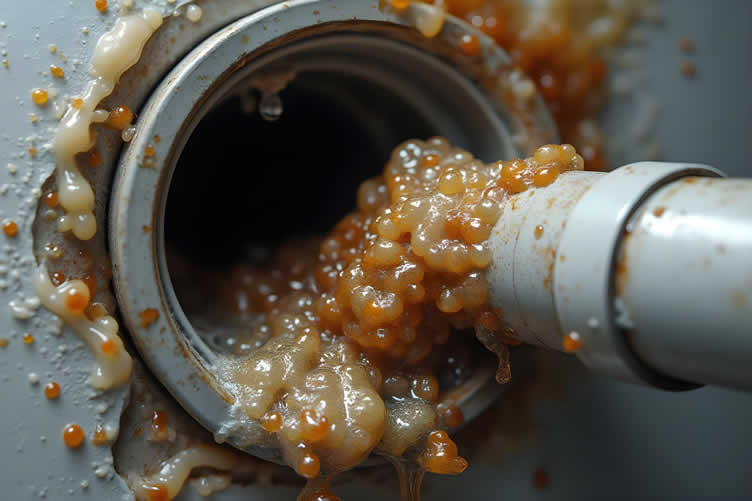
AI generated image by 123rf.com
[ view diagram: common causes of clogged drains ]
[ youtube: How To Locate Clog or Blockage ]
-
Scroll up to directory … or scroll to next section of reviewing plumbing drainage system …
-
-
3rd Tip:Plumbing Tricks to Keep Drains Flowing Smoothly
Maintaining free-flowing drains is essential to avoid unexpected plumbing issues that can disrupt your daily routine. With proper care and a few proactive strategies, you can significantly reduce the risk of clogs and ensure your plumbing system functions efficiently.
Below are some expert-backed tips to help you keep your drains in top condition, supported by reliable maintenance practices and recommendations from industry professionals.
[ view summary table: keeping drains flowing ]
-
Use Drain Strainers to Prevent Debris Buildup
One of the simplest yet most effective measures to prevent clogs is installing high-quality drain strainers in sinks, bathtubs, and showers. These strainers act as barriers, catching hair, food particles, and other debris before it enters your plumbing system.
Regularly cleaning the strainer ensures optimal performance and prevents blockages over time. This method is highly recommended by plumbing experts, as it protects both home systems and municipal sewers.
-
Avoid Pouring Grease or Cooking Oil Down the Drain
While it might seem convenient to rinse cooking oil or grease down the sink, this practice can cause significant damage to your plumbing system. Grease solidifies as it cools, accumulating in pipes and contributing to stubborn clogs. Instead, collect grease in a container and dispose of it in the trash.
Professional plumbing organizations, including the Plumbing-Heating-Cooling Contractors Association (PHCC), emphasize this as a vital step in maintaining clear drains.
-
Flush Drains Weekly
Weekly filling the sink with water and letting it drain can help move minor debris and maintain the flow in pipes, but it is not a guaranteed way to keep them completely clear or to prevent significant clogs.
The rush of water may help dislodge loose buildup, especially if combined with regular hot water flushes, and is recommended as a simple preventive measure in general drain maintenance routines.
-
Use Hot Water
Using hot water to flush your drains once a week can help dissolve minor buildup of grease, soap scum, or other waste before it becomes a larger issue. Make sure to use boiling water for this purpose, especially for kitchen drains that are more prone to oil and food residue.
-
-
Be Cautious About What Goes Into Your Garbage Disposal
Garbage disposals are useful kitchen tools but should only be used for items they are designed to handle. Avoid grinding fibrous vegetables, bones, coffee grounds, or eggshells, as these materials can dull the blades or clog the unit.
Always run cold water while operating the disposal to help flush debris through the system. Modern guidelines from the Environmental Protection Agency (EPA) suggest following manufacturer instructions to enhance the longevity of disposals and related plumbing.
-
Incorporate Vinegar and Baking Soda Treatments
A mix of vinegar and baking soda is a natural and safe solution for reducing grime buildup inside your pipes. Once a month, pour an equal amount of baking soda and vinegar down your drains, allowing it to bubble and sit for about 15 minutes before flushing with hot water.
This eco-friendly combination is endorsed by plumbing professionals for its effectiveness in removing odors and clearing minor blockages without damaging pipes.
-
Schedule Professional Drain Maintenance Annually
Even with vigilant care, it’s wise to schedule a professional inspection and cleaning of your plumbing system each year. Licensed plumbers have the tools and expertise to detect and address potential clogs before they escalate into significant issues.
Annual maintenance not only ensures your plumbing system operates efficiently but also extends its lifespan. The "International Plumbing Code" advises routine checks to uphold plumbing health in residential spaces.
References:
Plumbing Trick Description Benefits Use Drain Strainers Install high-quality drain strainers in sinks, bathtubs, and showers to catch debris like hair and food particles before they enter the plumbing system. Prevents blockages and protects both home systems and municipal sewers. Avoid Pouring Grease Down the Drain Dispose of grease and cooking oil in the trash instead of rinsing it down the sink, as grease solidifies and can clog pipes. Reduces risk of stubborn clogs in the plumbing system. Flush Drains Weekly Fill the sink with water and drain it weekly, combined with occasional hot water flushes, to help dislodge minor debris in pipes. Maintains smoother flow and prevents minor buildup. Use Hot Water Flush drains with boiling water once a week, especially kitchen drains, to dissolve grease and soap scum. Cost-effective way to prevent larger clogs and keep pipes clear. Be Cautious with Garbage Disposal Avoid grinding fibrous vegetables, bones, coffee grounds, and eggshells, and always run cold water while operating the disposal. Prevents damage to garbage disposal blades and reduces clogs. Vinegar and Baking Soda Treatments Pour equal amounts of vinegar and baking soda down drains monthly, allow it to bubble, and flush with hot water to clean pipes. Removes grime and odors naturally, and is eco-friendly. Schedule Professional Maintenance Hire licensed plumbers for annual inspections and cleaning to detect and prevent significant plumbing issues. Ensures efficient operation and extends the plumbing system’s lifespan. 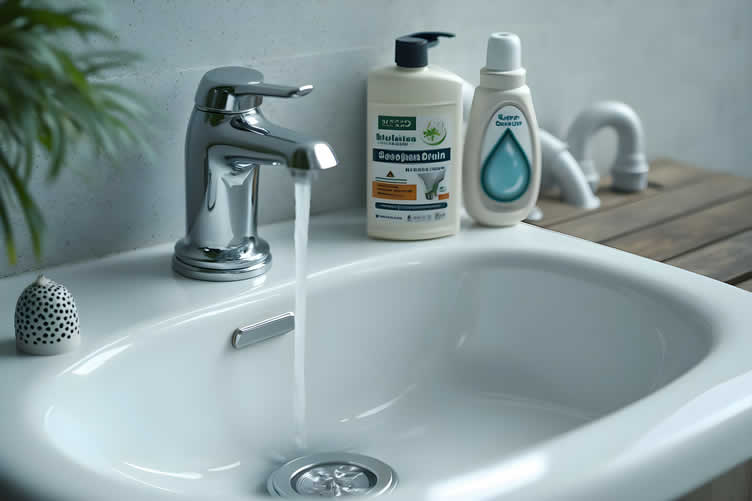
AI generated image by 123rf.com
[ view diagram: keep plumbing drains clear ]
[ youtube: How to keep your drains clear ]
-
Scroll up to directory … or scroll to next section of reviewing plumbing drainage system …
-
-
4th Tip:DIY: How to Unclog Drains
Maintaining a free-flowing drainage system is an essential aspect of home care that ensures comfort and sanitation. A clogged drain not only introduces inconvenience but can also lead to more serious plumbing issues if left unattended.
Tackling the problem yourself can be both cost-effective and empowering, provided you understand where the obstruction lies and the best methods to effectively clear it. Below are professional and actionable approaches to unclogging drains at various points within your plumbing system.
[ view summary table: how-to unclog drains ]
-
Clearing Clogs Within the P-Trap
The P-trap is the curved section of pipe beneath your sink that prevents sewer gases from entering your home, but it commonly traps debris, grease, and hair, leading to clogs.
To address this, start by placing a bucket beneath the P-trap to catch water and residue when you disconnect it. Using an adjustable wrench, loosen the slip nuts on either side of the trap and carefully remove it.
Clean the inside thoroughly using a bottle brush or similar tool to dislodge clogs, ensuring all residue is rinsed out before reattaching it to the drain. This method ensures maximum efficiency in removing localized blockages and allows you to directly inspect the condition of your pipes.
INFO: clean out P-trap -
Removing Blockages Within the Drain Pipe Leading Away From the P-Trap
If clearing the P-trap doesn’t resolve the issue, the blockage may be located further along the drain pipe leading away from it. To address this, use a drain snake or auger. Insert the tool into the drain opening and slowly rotate the handle to extend the cable into the pipe.
When resistance is felt, you’ve likely located the clog—continue turning to break up the debris, then retract the snake to remove it.
Rinse the pipe with hot water afterward to flush any remaining residue and ensure the line is clear. This method provides a deeper cleaning solution, especially for stubborn clogs caused by soap scum or grease.
INFO: using drain snake -
Dislodging Clogs Within the Main Pipe Leading to the Sewer
For more severe drainage issues affecting multiple fixtures, the blockage may be located within the main pipe connecting your home to the sewer. A heavy-duty electric drain auger or hydro jet may be required for this level of blockage.
Begin by locating and opening the cleanout fitting, typically located outside your home or in a basement. Carefully insert the auger and work it through the pipe until the obstruction is located. Allow the auger or hydro jet to break apart and flush the clog until the water drains smoothly.
Due to the technical and potentially hazardous nature of sewer line maintenance, homeowners should exercise caution and consider consulting a licensed professional if the clog persists.
INFO: clean out sewer line -
Addressing Other Common Drain Blockages
Other types of clogging may occur in fixtures such as bathtubs, showers, or toilets. For these, simple tools like a plunger can often suffice.
For instance, using a plunger with firm, steady pressure helps to create suction that can dislodge clogs. Additionally, eco-friendly solutions involving baking soda and vinegar can be effective for minor obstructions caused by soap residue or mild grease buildup.
Simply pour equal parts baking soda and vinegar into the clogged drain, allow it to fizz for 15 minutes, and then flush with hot water. These solutions are safe for both your pipes and the environment.
INFO: using plunger -
Using Chemical Drain Cleaners
For stubborn clogs that cannot be cleared using natural methods or a plunger, chemical drain cleaners may be an option. These products are formulated to dissolve tough materials like hair, grease, and soap scum that may be clogging your pipes.
When using a chemical drain cleaner, it’s essential to follow the manufacturer’s instructions closely to ensure safe and effective use. Begin by pouring the recommended amount into the drain and allowing it to sit for the specified time. Afterward, flush the drain thoroughly with hot water to push through any remaining debris.
However, it’s important to note that frequent use of these chemicals can potentially damage certain types of plumbing, particularly older pipes made from metal or brittle materials. For this reason, reserve chemical solutions for occasional use and consider consulting a professional if clogs persist.
Always wear gloves and ensure proper ventilation when handling these products to prioritize safety in your home.
amazon: drain cleaners -
Final Tips and Precautions
When performing DIY drain cleaning, always prioritize safety. Wear gloves to protect your hands and ensure proper ventilation when using chemical cleaners. If your attempts do not resolve the issue after one or two methods, avoid the temptation to try excessive force as this may damage your pipes.
Persistent obstructions or significant drain issues are best resolved by licensed plumbing professionals to prevent further complications.
References:
- American Society of Plumbing Engineers (ASPE). Guidelines for Plumbing System Maintenance. Accessed October 2023.
- National Association of Home Builders (NAHB). "Preventative Plumbing Maintenance in Residential Properties."
- The US Environmental Protection Agency (EPA). "Safe and Eco-Friendly Practices for Household Plumbing."
DIY Drain Unclogging Method Steps Precautions Clearing Clogs Within the P-Trap - Place a bucket beneath the P-trap.
- Loosen slip nuts with an adjustable wrench and remove the P-trap.
- Clean thoroughly with a bottle brush and rinse.
- Reattach the P-trap to the drain.
- Ensure bucket placement to catch water and debris.
- Inspect pipe condition during cleaning.
Removing Blockages in the Drain Pipe - Insert a drain snake into the drain opening.
- Turn the handle to locate and break up the clog.
- Retract the snake and rinse the pipe with hot water.
- Rotate the snake gently to avoid pipe damage.
- Flush thoroughly with hot water afterward.
Dislodging Clogs in the Main Sewer Pipe - Locate and open the cleanout fitting.
- Carefully insert an electric drain auger or hydro jet into the pipe.
- Break apart and flush the clog using the tool.
- Exercise caution with sewer line maintenance.
- Consult a professional for persistent blockages.
Addressing Other Common Clogs - Use a plunger to dislodge fixture clogs.
- Apply a baking soda and vinegar solution for minor blockages.
- Allow solution to fizz for 15 minutes before flushing with hot water.
- Use eco-friendly solutions for milder clogs.
- Avoid using excessive force with a plunger.
Using Chemical Drain Cleaners - Pour the recommended amount of cleaner into the drain.
- Allow it to sit as per the product instructions.
- Flush the drain thoroughly with hot water.
- Wear gloves and ensure proper ventilation.
- Limit chemical cleaner use to protect pipes.
copyright image by 123rf.com
[ youtube: How to Unclog Any Drain ]
[ youtube: Unclog Sinks with Baking Soda and Vinegar ]
-
Scroll up to directory … or scroll to next section of reviewing plumbing drainage system …
-
-
5th Tip:Essential Plumbing Tools for Unclogging Drains
… and their proper use
Maintaining a smoothly functioning plumbing system is crucial for any home, and dealing with clogs is an essential part of this maintenance. Understanding the right tools for unclogging drains, alongside their proper usage, can save time, money, and prevent further plumbing issues.
Whether you’re tackling a minor blockage or preparing for a more stubborn obstruction, having the correct tools and knowing how to use them ensures the task is approached safely and efficiently.
[ view shop/summary table: tools for unclogging drains ]
-
Plunger
A plunger is one of the most commonly used tools for addressing drain clogs and is suitable for sinks, tubs, and toilets. To properly use a plunger, ensure there is enough water in the basin to submerge its rubber cup.
Place the plunger over the drain, creating a secure seal, and push down firmly before pulling back sharply to create suction. Repeat the process several times until the clog is dislodged.
For toilets, it is best to use a flange plunger specifically designed to fit the toilet’s contours and provide better suction.
-
Drain Snake (Plumber’s Auger)
A drain snake is highly effective for removing stubborn clogs located deeper in the plumbing system. To use a drain snake, carefully insert its coiled spiral end into the drain opening and rotate the handle while gently pushing the snake further.
Once you feel resistance, continue rotating to latch onto the clog, then pull the tool back to extract the debris. Be sure to clean the snake after each use to prevent residue buildup. Consider using a motorized auger for larger or more complex piping systems to handle extensive clogs with better efficiency.
-
Drain Cleaning Bladder
A drain cleaning bladder attaches to a standard garden hose and uses pressurized water to clear blockages. Insert the bladder into the drain as far as possible, then connect the hose and turn on the water. The bladder inflates, sealing the pipe and forcing water through the clog.
This method efficiently removes grease, grime, and other debris while being safe for most pipes when used at moderate pressure levels. Always ensure the bladder matches the pipe size to avoid damage.
-
Handheld Drain Cleaner
Handheld drain cleaners, sometimes referred to as drill snakes, are similar to manual drain snakes but rely on a mechanized, rotating action to tackle tougher blockages. To use this tool, place its coiled wire into the drain, activating the mechanism to spin as you push it through.
The combination of rotation and forward motion breaks apart the clog effectively, making this a reliable choice for more stubborn drain issues.
-
Plumbing Wrenches and Other Tools
When it comes to tackling plumbing tasks or repairs involving draining pipes, having the right tools is essential to ensure efficiency and prevent damage to your pipes or fixtures.
Plumbing wrenches are specially designed to provide the grip and leverage needed for plumbing-specific tasks.
- Pipe Wrench:
The pipe wrench is a go-to tool for loosening or tightening pipe fittings, especially on larger metal pipes. Its adjustable jaw ensures a firm hold, and its serrated teeth grip tightly onto cylindrical surfaces. Always use caution and apply steady torque to avoid damaging softer materials like copper or plastic. - Basin Wrench:
The basin wrench is indispensable for working in tight spaces, such as beneath sinks. With a long handle and a pivoting claw, it allows you to access and tighten nuts in hard-to-reach places. It’s particularly useful for installing or removing faucets. - Adjustable Pliers:
Often used in conjunction with wrenches, adjustable pliers, such as tongue-and-groove pliers, offer versatility for gripping and turning smaller fittings or smooth-surfaced pipes. Their wide range of adjustments makes them convenient for various tasks. - Drain Plug Wrench:
For tubs and some sink drains, a drain plug wrench is specifically designed to remove or install drain plugs quickly and cleanly. Its unique design fits multiple plug shapes, providing a snug and secure grip without damaging the finish. - Additional Tools:
Supplemental tools like plumber’s tape, known as thread sealing tape, can help create watertight seals on threaded connections. Similarly, a pipe cutter is an excellent tool for making clean, precise cuts when replacing or adjusting pipes.
- Pipe Wrench:
-
Proper Maintenance Practices
After clearing the clog, it’s essential to wash away any remaining debris using boiling water or a mixture of vinegar and baking soda. Preventative measures, such as regularly flushing drains with eco-friendly solutions or installing drain guards, reduce the likelihood of recurring clogs.
Additionally, inspect and maintain your tools after each use to prolong their functionality and ensure readiness for future needs.
Tool Description Proper Use Plunger Common tool for unclogging sinks, tubs, and toilets. Ensure the rubber cup is submerged in water, then create suction by pushing down firmly and pulling back sharply. Use a flange plunger for toilets. Drain Snake (Plumber’s Auger) Efficient for removing deeper clogs in the plumbing system. Insert the coiled end into the drain, rotate the handle, and gently push further. Pull back to remove debris. Clean after use. Drain Cleaning Bladder Clears blockages using pressurized water. Attach to a garden hose, insert into the drain, and turn on water. The bladder inflates to force water through the clog. Handheld Drain Cleaner Mechanized tool for tough blockages. Place coiled wire into the drain and activate the mechanism to rotate and push through the clog effectively. Pipe Wrench Tool for loosening or tightening large metal pipe fittings. Adjust the jaw for a firm grip and apply steady torque. Use caution on softer materials like copper or plastic. Basin Wrench Specialized tool for tight spaces, such as beneath sinks. Use the pivoting claw and long handle to access and tighten nuts in hard-to-reach places. Adjustable Pliers Versatile for gripping and turning smaller fittings or pipes. Adjust settings to accommodate the task, ideal for a range of fittings and smoother surfaces. Drain Plug Wrench Designed for installing or removing drain plugs. Fits various plug shapes to provide a snug grip without damage. Supplemental Tools Includes plumber’s tape for seals and pipe cutters for clean cuts. Use thread sealing tape on threaded connections and a pipe cutter for precise adjustments or replacements. 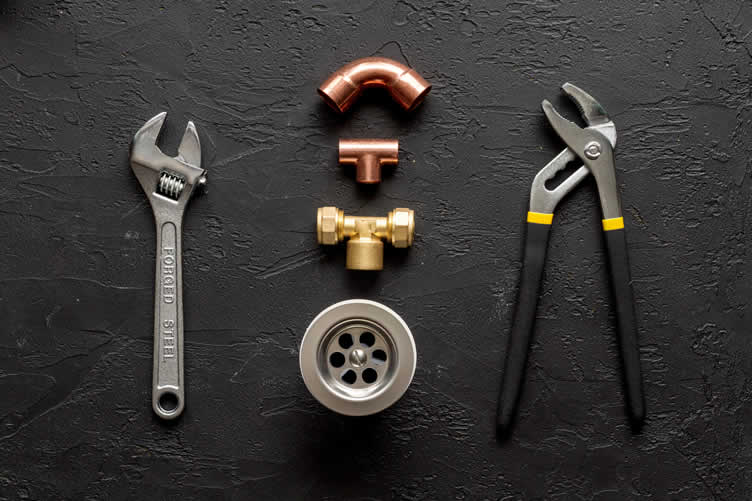
copyright image by 123rf.com
-
Scroll up to directory … or scroll to next section of reviewing plumbing drainage system …
-
-
6th Tip:How to Inspect and Maintain Air Pipe Vents
Proper maintenance and inspection of your home’s air pipe vents is crucial to ensuring your plumbing and ventilation systems function optimally. These vents, also known as plumbing vent pipes, allow air to circulate through the plumbing system, prevent sewer gases from entering the home, and facilitate proper drainage.
Neglecting their upkeep can lead to unpleasant odors, slow drainage, and even more severe plumbing issues. Here’s how you can inspect and maintain these critical components of your home.
[ view summary table: maintain air pipe vents ]
-
Identifying Issues in Air Pipe Vents
To start, it is essential to detect any signs of obstruction or malfunction in your vent pipes. Common indicators include slow-draining sinks or tubs, frequent gurgling noises in your plumbing, and strong odors emanating from your drains.
Regularly observing these signs will alert you to potential problems before they escalate. A visual inspection of the air pipe vents on your roof can often identify blockages such as debris, bird nests, or snow accumulation, which can hinder their operation.
-
Cleaning and Maintaining Vents Safely
Without proper airflow, your plumbing system cannot function efficiently. If you notice blockages during inspection, clearing them is your next step. To begin, carefully access your roof and ensure the area is dry and safe to work on.
Use a flashlight to inspect the vent opening for debris or obstructions. If you see a blockage, a plumber’s snake or auger can effectively remove any physical debris.
After clearing the vent, flush it with a garden hose to confirm proper airflow. Be sure to wear gloves and follow all necessary safety precautions while working at a height.
If weather conditions, such as snow or ice, are causing the obstruction, use a heated cable or warm water to address the ice buildup carefully. Never attempt to chip away ice mechanically, as this can damage the vent pipe.
For persistent issues or if you are uncomfortable performing this task yourself, consider contacting a licensed plumber for assistance.
-
Preventative Measures to Ensure Longevity
Taking preventative measures can reduce the frequency of vent blockages and ensure a longer lifespan for your plumbing system. Regularly inspect your vent pipes, particularly after storms or during seasonal changes when debris might accumulate.
Installing a vent cover can keep larger debris and birds from nesting inside the pipe opening. Additionally, trimming nearby tree branches can prevent leaves and twigs from falling into the vents. Make sure to check and maintain these preventative tools annually for continued protection.
Lastly, to ensure optimal vent performance, periodically review the plumbing system from inside your home. Watching for changes in drainage performance or unusual odors is key to catching issues early.
Educating all household members about the importance of vent maintenance can also foster collective awareness and reduce potential problems.
Referencing and Citations
Aspect Summary Importance of Air Pipe Vents Allow air circulation in plumbing, prevent sewer gases, and support proper drainage. Neglect can lead to odors and drainage issues. Identifying Issues Look for slow drainage, gurgling noises, or strong odors. Inspect vents for blockages like debris, nests, or snow on the roof. Cleaning and Maintenance Clear blockages using tools like a plumber’s snake or garden hose. Address ice buildup safely with heated cables or warm water, avoiding mechanical removal. Seek professional help if needed. Preventative Measures Inspect vents regularly, especially after storms. Use vent covers and trim nearby branches to prevent debris buildup. Monitor indoor plumbing for performance changes. 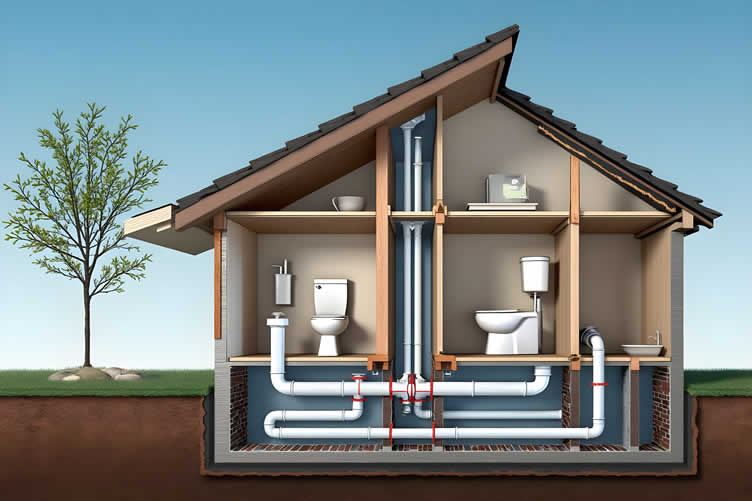
AI generated image by 123rf.com
[ view diagram: how plumbing vents work ]
[ youtube: How to Clear a Clogged Plumbing Vent ]
-
Scroll up to directory … or scroll to next section of reviewing plumbing drainage system …
-
-
7th Tip: When to Call a Plumber for Drainage Issues
Keeping your home’s drainage system clear and functional is essential for maintaining a healthy and comfortable living environment.
While minor clogs and slow drains can often be addressed with DIY methods, some situations require the expertise of a professional plumber to ensure the issue is properly resolved without causing further damage. Understanding when to call in a plumber can save you time, money, and frustration.
[ view summary table: when call plumber ]
-
Severe or Recurring Clogs
If you experience a clog that persists despite using standard methods such as plungers, drain cleaners, or augers, it is time to call a plumber.
Frequent or recurring clogs often indicate a deeper issue within the plumbing system, such as intrusive tree roots, damaged pipes, or accumulated debris further down the line. A professional plumber has specialized tools, such as hydro-jetters and high-definition drain cameras, to effectively diagnose and address the root cause of the problem.
-
Slow Drains in Multiple Fixtures
When slow draining water affects more than one fixture, such as sinks, showers, or toilets, it often signals a problem in the main sewer line. These issues are beyond the scope of common household solutions, as they may stem from sewer blockages, pipe collapses, or severe grease buildup.
Delaying professional intervention can result in sewage backups or significant property damage, making it crucial to rely on a plumber’s expertise immediately.
-
Foul Odors and Strange Noises
Persistent foul odors emanating from drains or toilets can indicate the presence of sewage buildup or blockages in your system, which require immediate attention to prevent health hazards. Additionally, unusual gurgling noises coming from pipes or fixtures suggest trapped air or pressure imbalances in the plumbing.
A plumber can assess the plumbing network and resolve underlying issues to restore normal operation and eliminate unpleasant odors.
-
Water Backups or Flooding
Any sign of water backing up into sinks, tubs, or toilets is a clear indicator of a serious blockage or issue within your drainage system.
Similarly, water flooding in areas like the basement can signal a broken pipe or a compromised main sewer line. These emergencies require rapid professional intervention to mitigate damage and prevent costly repairs.
-
Old or Compromised Plumbing Systems
If your plumbing system is old or made of materials prone to deterioration, such as cast iron or clay pipes, you may face recurring drainage issues. A professional plumber can inspect the system, recommend necessary repairs or replacements, and implement upgrades to prevent long-term complications.
-
Proper Sourcing and Professional Assistance
Relying on professional plumbers for these complex issues ensures that the job is done safely and effectively. Licensed plumbers adhere to local codes and regulations, use industry-standard tools, and provide reliable warranties or guarantees for their work.
Attempting to address these problems on your own without the right knowledge or tools may inadvertently worsen the situation.
Situation Description Why Call a Plumber? Severe or Recurring Clogs Clogs that persist despite DIY methods or recur frequently may indicate deeper systemic issues. Professional plumbers use advanced tools, such as hydro-jetters and drain cameras, to diagnose and resolve the root cause effectively. Slow Drains in Multiple Fixtures When multiple fixtures like sinks, showers, or toilets drain slowly, it often points to a problem in the main sewer line. A plumber can address issues like sewer blockages, pipe collapses, or severe buildup, preventing backups and damage. Foul Odors and Strange Noises Persistent odors or unusual noises from pipes may indicate sewage buildup, air traps, or pressure imbalances. Plumbers can identify and fix underlying issues to restore healthy operation and eliminate unpleasant smells. Water Backups or Flooding Signs of water backing up in sinks or toilets or flooding in areas like basements signal serious blockages or pipe issues. Immediate intervention prevents further damage and costly repairs, protecting your property. Old or Compromised Plumbing Systems Systems made with outdated materials or prone to deterioration frequently cause recurring drainage issues. Experienced plumbers can inspect, repair, or upgrade these systems to enhance long-term performance and reliability. 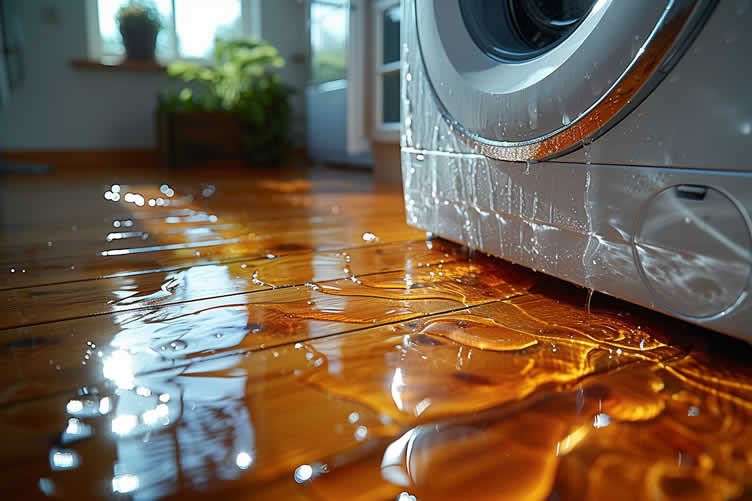
copyright image by 123rf.com
But Wait!
Before starting your search and evaluation of outdoor kitchen contractors, it is highly recommended to download and use this evaluation worksheet.
This resource will help you objectively rank and assess potential contractors, considering essential factors such as pricing, licensing, and referral information.

Evaluation Sheet
File Type:
The Importance of Regular Plumbing Maintenance
Regular plumbing maintenance plays a crucial role in preventing drainage issues that can disrupt the functionality and comfort of your home. Over time, debris such as grease, hair, soap residue, and food particles can accumulate in pipes, leading to blockages and slow drainage.
Without proper upkeep, small clogs can escalate into severe problems, including pipe damage, unpleasant odors, or even water backup.
By scheduling routine inspections and cleaning, you can identify and address minor concerns before they develop into costly repairs or replacements. Professional maintenance ensures that your plumbing system operates efficiently, promotes a healthier home environment, and extends the lifespan of your pipes.
Furthermore, consistent care helps safeguard your property from water damage and reduces unexpected repair expenses, offering peace of mind and long-term savings. Prevention is always better than cure, and prioritizing maintenance is an investment in the functionality and value of your home.
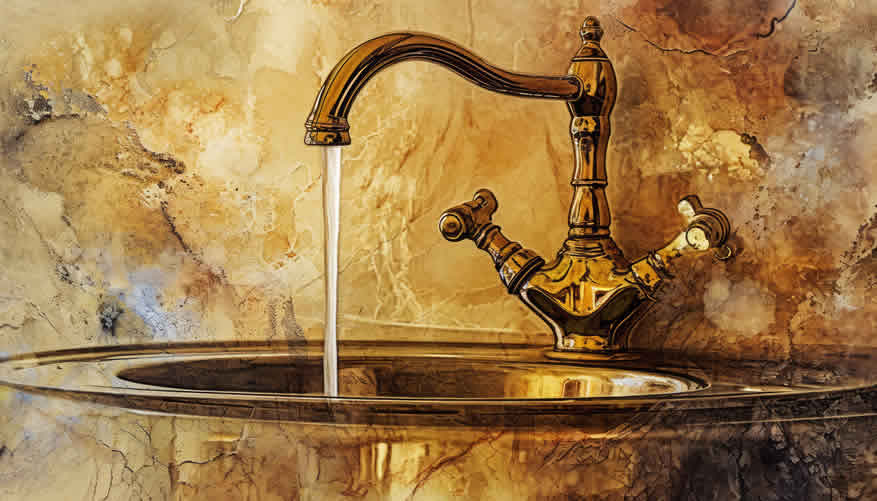
copyright image by 123rf.com
-
Scroll up to directory … or scroll to conclusion …
-
-
Concluding Thoughts
A healthy plumbing drainage system is an essential part of a well-functioning home. By taking proactive steps such as regular inspections, professional maintenance, and mindful usage, you can avoid costly repairs and ensure the smooth operation of your system.
Simple habits like being cautious about what goes down your drains, using natural cleaning methods, and addressing minor issues promptly can go a long way in extending the lifespan of your plumbing.
Remember, a properly maintained drainage system not only protects your property but also contributes to a safe, hygienic, and stress-free living space. Invest in your home’s plumbing today to enjoy lasting
-
Quick scroll to more home structural projects and ideas …
-
ideas to view and compare from the photo above
- What comments can you share about
any plumbing situations that you have solved?

addressing how plumbing tricks and tips and other home improvement needs …
… grab this directory of ideas for future use


Download this PDF for a concise summary of all you need to know about …?



Budgeting Worksheet For Costing Home Remodeling and Home Improvement Decisions
 File Type (excel)
… remodeling decisions


SHARE IT ..! You might have someone in your social network who could find this informative post about plumbing tricks to manage your plumbing drainage system valuable. Feel free to share it on Facebook, X (formally Twitter), LinkedIn, or Pinterest!


… home remodeling – improvement

plan the specifications you need for making …
… key home improvement and remodeling decisions




Calendar For:
Home Maintenance
File Type:
… view our sharing links below for a quick "share the knowledge"
Find Plumbing Services Plumbing Issues Drain Clearing Septic/Sewers Water Heaters Pumps Water Softening top-rated, pre-screened local contractors FREE: download contractor selection enter zip code – powered by HomeAdvisor ™
Quick Contractor Guides selecting negotiating working with inspecting

Cover image credit: plumbing drain by 123rf.com
end of post … please share it!
 |
did you find plumbing "tricks and tips" helpful? If so, please share the article with your friends and family! |
Nice pic idea? Leave us a quick comment below.
And please share this pic idea within your social networks.