Summary Outline –
Fitness is more than just a goal; it is a lifestyle that promotes physical and mental well-being. Exercise, a key part of fitness, involves regular physical activity designed to improve or maintain health and overall physical condition.
Within the realm of exercise, there are two primary categories you should understand to optimize your fitness lifestyle: aerobic exercise, also known as cardio, and anaerobic exercise, which includes high-intensity, short-duration activities.
This analysis will explore both aerobic and anaerobic exercise in detail, looking at their unique benefits, types, and how they can be effectively incorporated into your fitness routine.
By the end, you’ll have a deeper understanding of these exercises, empowering you to craft a balanced fitness plan that suits your goals and preferences.

-
Quick scroll to first topic about fitness and exercise routines

first “fitness and exercise routines” idea


AI generated image by 123rf.com
Fitness Tip 1: Understanding Aerobic Exercise (Cardio)
Notes:
-
Aerobic exercise, often referred to as cardio, centers on activities that increase your heart and breathing rates over a sustained period. Your body uses oxygen as the primary energy source during these activities, which helps to strengthen your cardiovascular system.
Essentially, cardio improves your heart’s ability to deliver oxygen-rich blood to your muscles, ensuring endurance and efficiency during movement.
-
Quick scroll to “aerobic exercise” side notes …
-
-
1st: The Health Benefits of Aerobic Exercise
Aerobic exercise, often referred to as “cardio,” involves sustained physical activity that increases your heart rate and breathing, relying on oxygen to meet energy demands. While some people use the terms “aerobic” and “cardio” interchangeably, aerobic exercise refers broadly to any activity that enhances oxygen delivery to the muscles.
Cardiovascular exercise, a related concept, specifically focuses on conditioning the heart and circulatory system, as they work in tandem to efficiently pump oxygen-rich blood throughout the body.
This section explores the numerous health benefits associated with aerobic exercise, offering insight into its profound effects on the body.
-
Improved Heart and Circulatory System Health
Engaging in regular aerobic exercise strengthens the heart, leading to an increased cardiac output—allowing the heart to pump more blood with each beat, efficiently delivering oxygen and nutrients throughout the body.
- Increased Cardiac Output:
Over time, aerobic exercise contributes to a lower resting heart rate and reduced blood pressure, both of which significantly decrease the risk of cardiovascular diseases, such as hypertension and heart failure. - Lower Resting Heart Rate and Blood Pressure:
Enhanced blood flow is a key benefit, as blood vessels become more efficient at delivering oxygen and removing waste from bodily tissues. This improvement helps lower resting heart rate and blood pressure, easing the strain on the heart. - Improved Blood Flow:
Improved blood circulation and the development of new blood vessel networks (angiogenesis) work together to reduce the risk of blockages and heart attacks. - Cardiac Remodeling:
Additionally, long-term aerobic activity promotes cardiac remodeling, a process where the heart’s structure and function adapt positively, enabling it to meet the demands of physical activity without undue strain.
This adaptive function helps reduce arrhythmias and other heart-related complications.
- Increased Cardiac Output:
-
Enhanced Blood Vessel Function and Health
Aerobic exercise also plays a vital role in improving the function and structure of blood vessels by enhancing their flexibility and promoting better blood flow.
Regular aerobic activity helps strengthen the heart, reduces the risk of cardiovascular disease, and supports overall circulatory health, ensuring that oxygen and nutrients are efficiently delivered throughout the body.
- Improved Vasodilation:
One key effect is enhanced vasodilation, which refers to the widening of blood vessels to accommodate the increased blood flow during physical activity, ensuring efficient delivery of oxygen to muscles. Over time, this leads to a reduction in arterial stiffness, which is a significant risk factor for conditions like atherosclerosis and hypertension. - Reduced Arterial Stiffness:
Aerobic workouts help maintain the flexibility of the arterial walls, keeping the vascular system resilient and healthy. Furthermore, the release of nitric oxide during exercise supports vascular function by improving blood flow and preventing clot formation, further reducing the risk of stroke or heart attack.
- Improved Vasodilation:
-
Systemic Metabolic Benefits
The systemic metabolic effects of aerobic exercise are far-reaching and critical for overall health. Regular aerobic activity improves cardiovascular function, enhances insulin sensitivity, boosts energy metabolism, and supports weight management.
It also plays a key role in reducing the risk of chronic diseases like diabetes, heart disease, and obesity, making it an essential component of a healthy lifestyle.
- Lower Cholesterol:
Regular aerobic exercise has been shown to lower LDL cholesterol levels (commonly referred to as “bad cholesterol”) while increasing HDL cholesterol (“good cholesterol”), improving lipid profiles and reducing the risk of heart disease. - Blood Sugar Regulation:
Enhanced insulin sensitivity is another crucial benefit, as aerobic exercise facilitates more effective regulation of blood sugar levels, serving as a preventive measure against type 2 diabetes. - Anti-inflammatory Effects:
Additionally, aerobic workouts exhibit anti-inflammatory effects, mitigating chronic low-grade inflammation that is linked to various conditions like obesity, heart disease, and certain cancers.
By integrating aerobic exercise into your routine, you can significantly improve your heart health, enhance vascular function, and bolster your metabolic system, leading to longer-term health and well-being.
These benefits highlight why aerobic exercise is a fundamental pillar of a well-rounded fitness and wellness program.
- Lower Cholesterol:
Category Key Benefits Heart and Circulatory System Increased cardiac output, lowered resting heart rate and blood pressure, improved blood flow, cardiac remodeling Blood Vessels Improved vasodilation, reduced arterial stiffness, better vascular function, reduced stroke risk Metabolic System Lower cholesterol levels, enhanced blood sugar regulation, anti-inflammatory effects, better energy metabolism 

copyright image by 123rf.com
[ view diagram: aerobic exercise benefits ]
[ youtube: Insane Cognitive Benefits of Aerobic Exercise ]

-
-
2nd: Types of Aerobic Exercises
Aerobic exercises, also known as cardio, play a critical role in maintaining overall health and fitness. These activities elevate your heart rate and keep it elevated for an extended period, promoting cardiovascular endurance, efficient oxygen use, and calorie burning.
Aerobic exercises can be tailored to fit individual goals and lifestyles, whether performed outdoors, in the gym, or at home. Below are the key types of aerobic exercises, along with their health benefits, ideal settings, and equipment alternatives.
-
Walking and Jogging
Walking and jogging are among the simplest and most accessible forms of aerobic exercise. They improve heart health, lower blood pressure, reduce stress, and strengthen lower body muscles.
Walking is particularly beneficial for beginners or those with joint concerns, while jogging offers an elevated intensity for more significant calorie burn and endurance building. These exercises can be easily done outdoors on sidewalks or trails and are ideal for anyone who enjoys connecting with nature.
Alternatively, a treadmill serves as an excellent indoor substitute, offering adjustable speed and incline for varying intensity levels.
-
Cycling
Cycling is highly effective for improving cardiovascular health and strengthening the lower body. It promotes joint health by being a low-impact exercise, which is particularly beneficial for individuals with knee or joint issues.
Cycling is best performed outdoors on roads, bike paths, or trails, providing the additional enjoyment of changing scenery. For an indoor option, using a stationary bike replicates the same motions and benefits, with some machines offering presets for simulating hills or interval training.
-
Swimming
Swimming is a low-impact, full-body workout that strengthens the cardiovascular system while improving muscle tone and endurance. It is an excellent choice for those with limited mobility or joint issues, as the water minimizes strain on the body.
This form of exercise is generally done in swimming pools and is particularly beneficial for individuals seeking a refreshing way to stay active. For those unable to access a pool, aqua aerobics or resistance band exercises in water can serve as alternative fitness methods that deliver similar benefits.
-
Dancing
Dancing is a fun and dynamic option that not only improves cardiovascular health but also enhances coordination and flexibility. It can help reduce stress and lift your mood, making it both physically and mentally beneficial.
Whether performed at home, in a dance class, or at a social event, dancing is versatile and allows participants to adjust the intensity to their fitness levels. For those looking for an indoor machine alternative, using an aerobic stepper or trying group fitness classes like Zumba closely mimics the health benefits.
-
Rowing
Rowing provides an excellent full-body workout that combines aerobic and strength-building benefits. It targets the upper body, core, and lower body simultaneously while significantly improving cardiovascular fitness.
Rowing can be performed on lakes, rivers, or other calm bodies of water, offering an engaging outdoor experience. For indoor workouts, a rowing machine is a perfect substitute, simulating the same pulling motions while allowing adjustments to resistance for varied intensity.
-
Jump Rope
Jump rope is one of the most efficient aerobic exercises, enhancing heart health, coordination, and calorie burning in a short amount of time. This high-impact activity also builds agility and strengthens the lower body.
Jump rope workouts can be done anywhere with enough open space, making it a convenient option for home or outdoor fitness routines. There is no direct machine alternative, but vertical jump trainers or plyometric exercises can provide comparable benefits.
-
Other Aerobic Exercises
- Elliptical Training: Provides a low-impact alternative to running, reducing stress on the joints while offering a solid cardio workout
- Aerobic Classes: Group classes such as step aerobics, cardio kickboxing, or power yoga offer structured routines and social motivation.
- Hiking: Especially on flat ground, hiking is a moderate-intensity aerobic option; hiking uphill increases the intensity.
- Sports: Continuous-motion sports like singles tennis, soccer, and basketball are also considered aerobic when played at a sustained pace.
- Stair Climbing: Taking the stairs instead of the elevator is a simple way to add aerobic activity to your daily routine. Also incorporate stair climber.
-
Intensity Levels
- Moderate activities: Brisk walking, moderate cycling, swimming, dancing, and doubles tennis.
- Vigorous activities: Running, fast cycling, jump rope, singles tennis, stair climbing, and vigorous sports like soccer and basketball.
These types of aerobic exercises cater to a variety of preferences and fitness levels, making it easy to incorporate cardio into everyday life.
By selecting activities suited to your specific interests and needs, you can build a sustainable aerobic routine that supports long-term health and well-being.
Type of Exercise Health Benefits Best Environment Machine Alternative Walking & Jogging Improves heart health, reduces stress Sidewalks, trails, treadmill Treadmill Cycling Strengthens lower body, joint-friendly Roads, bike paths, trails, stationary bike Stationary bike Swimming Full-body workout, low-impact Swimming pool, lap pool Aqua aerobics, resistance band Dancing Boosts coordination, reduces stress Dance classes, home, online events Aerobic stepper, group fitness Rowing Full-body and cardio benefits Lakes, rivers, row machine Rowing machine Jump Rope Improves heart health, agility Open indoor or outdoor space Vertical jump trainers, plyometrics Other Exercises:
- elliptical training
- aerobic classes
- hiking
- sports
- stair climbing
Improves heart health, strengthens lower and upper body Open indoor or outdoor space, some fitness machines can help such as rowing and step machines Intensity Levels Moderate-intensity activities:
Brisk walking, moderate cycling, swimming, dancing, and doubles tennis.Vigorous-intensity activities:
Running, fast cycling, jump rope, singles tennis, stair climbing, and high-energy sports like soccer or basketball.
copyright image by 123rf.com
-
-
3rd: Incorporating Aerobic Exercises Into Your Routine
Engaging in regular aerobic exercise is a key component of maintaining a healthy lifestyle. These exercises improve cardiovascular health, boost energy levels, and support mental well-being.
However, starting and sustaining such a routine can be challenging without proper planning and strategy. Below, we provide actionable guidance to help you seamlessly incorporate aerobic exercise into your daily life while ensuring sustainability and enjoyment.
-
Setting Realistic Goals
The first step to incorporating aerobic exercise is setting achievable and realistic goals. Assess your current fitness level and identify what you aim to achieve—be it weight management, enhanced stamina, or improved heart health.
Break down larger goals into smaller, manageable milestones. For instance, if your goal is to run a 5K, start by establishing short-term objectives, such as jogging one mile comfortably. Specific, measurable, and time-bound goals help maintain focus and motivation while tracking progress effectively.
-
Begin with Dynamic Stretches
Before engaging in aerobic activities, prepare your body with dynamic stretches. These active movements, such as leg swings, arm circles, and walking lunges, help warm up your muscles and increase blood flow.
Dynamic stretching reduces the risk of injury and enhances performance by improving flexibility and range of motion. Incorporating these stretches into your routine primes your body for the upcoming aerobic session and enhances overall efficiency.
-
Start Small and Gradually Increase Duration
It’s important to ease into aerobic exercise, especially if you’re new or returning after a hiatus. Begin with shorter sessions—around 10 to 15 minutes—at a moderate intensity that feels manageable. Over time, gradually increase both the duration and intensity as your fitness level improves.
For example, you may add five minutes every week or incorporate more challenging variations of your exercise. This progressive approach minimizes the risk of burnout or injury while building your endurance consistently.
-
Cool Down After Workout Sessions
Winding down with a cool-down routine is just as crucial as the workout itself. After completing aerobic activities, slow your pace and perform light stretches to help your body transition back to rest.
Cooling down helps regulate blood flow, reduces muscle soreness, and expedites recovery. For instance, walking for 5 minutes followed by static stretches targeting major muscle groups can assist in maintaining flexibility and preventing post-exercise stiffness.
-
Track Your Progress with Technology
Tracking your progress is a vital aspect of staying motivated and accountable. Leverage fitness apps or wearable devices to monitor key metrics such as heart rate, distance covered, calories burned, and session duration.
Tools like Fitbit, Apple Health, or MyFitnessPal provide insights into trends and improvements, offering valuable feedback on your efforts. Visualizing your advancement over time can reaffirm your commitment and encourage further consistency.
-
Stay Motivated and Maintain Discipline
Maintaining discipline and motivation is often the biggest challenge for individuals engaging in aerobic exercises. Find what drives you—whether it’s an inspiring playlist, joining a fitness class, or setting rewards for achieving milestones.
Working out with a friend or joining a group can also foster accountability and make your exercises more enjoyable. Additionally, reminding yourself of the long-term benefits, such as improved energy levels and reduced risk of chronic conditions, can help sustain your dedication.
By incorporating aerobic exercises strategically and consistently, you can build a fitness routine that supports your physical and mental well-being over the long term.
Developing healthy habits takes time, but with the right approach, you can enjoy the multitude of benefits that come with improved cardiovascular health and overall vitality
Key Aspect Description Goal Setting Establish specific, achievable, and time-bound goals tailored to your fitness objectives. Dynamic Stretches Incorporate active movements pre-workout to prepare your body and minimize risk of injury. Start Small Begin with manageable durations at moderate intensities and increase over time. Cool Down End sessions with light activity and stretches to aid recovery and flexibility. Progress Tracking Use technology or wearables to monitor fitness metrics and celebrate small wins. Stay Disciplined Keep motivation high with music, a workout buddy, or goal-based rewards. 
copyright image by 123rf.com
[ view diagram: setting aerobic exercise goals]
[ youtube: brain health benefits of improving aerobic fitness]
-
-
-
ideas to view and compare from the information discussed above
Scroll up to directory … or scroll to next section about fitness and exercise routines …




Download this PDF for a concise summary of all you need to know about …?





addressing setting up a home fitness room and other home improvement needs …

… grab this directory of ideas for future use
second “photo remodeling” idea

AI generated image by 123rf.com
Fitness Tip 2: Understanding Anaerobic Exercise
Notes:
-
Anaerobic exercise operates on a different principle than aerobic exercise, focusing on high-intensity activities that require short bursts of effort.
Unlike aerobic workouts, which rely on oxygen for energy, anaerobic exercises use glucose stored in your muscles as fuel. This process allows you to perform quick, powerful movements, such as sprinting, weightlifting, or high-intensity interval training (HIIT).
While these workouts are shorter in duration compared to aerobic activities, they are incredibly effective at building strength, power, and muscle mass.
Additionally, anaerobic exercises can help improve your metabolism and enhance your overall athletic performance by training your body to handle and recover from intense physical demands.
-
Quick scroll to “anaerobic exercise” side notes …
-
-
1st: Types of Anaerobic Exercises
Anaerobic exercises are high-intensity movements that focus on short bursts of effort, making them vital for building strength, speed, and power. These exercises are performed without relying primarily on oxygen for energy.
Instead, the body uses glycogen stores to fuel anaerobic efforts, which challenges the muscles and forces them to adapt, enhancing their efficiency and endurance over time. Below are some common types of anaerobic exercises, their key health benefits, and the environments where these exercises are most effective.
-
Sprinting
Sprinting is an explosive, high-intensity activity that maximizes muscular power and cardiovascular efficiency. Performed in short, concentrated bursts, sprinting directly enhances speed, agility, and lower body strength.
This exercise is particularly beneficial in burning calories effectively, even after the workout, due to the after-burn effect. Sprinting can be performed on a track, treadmill, or flat outdoor surfaces like fields, making it versatile and accessible in various settings.
-
Weightlifting
Weightlifting emphasizes muscle building and strength development through progressive overload—the process of gradually increasing the weight lifted. This type of anaerobic exercise boosts muscle hypertrophy and bone density while improving metabolic function.
Weightlifting is best performed in a gym environment equipped with free weights, barbells, and resistance machines. However, with proper guidance, it can also be practiced at home using body weight or resistance tools like dumbbells.
-
High-Intensity Interval Training (HIIT)
HIIT is a workout method that alternates between short periods of intense anaerobic exercise and brief recovery intervals. This form of training is highly efficient, as it enables individuals to burn calories rapidly while improving cardiovascular health, muscular endurance, and metabolism.
HIIT can be done in various environments, such as gyms, homes, or outdoor settings, as long as the space allows for dynamic movements like jumping jacks, burpees, or sprints.
-
Plyometrics
Plyometrics involve explosive movements that focus on maximal force production in short time frames, targeting muscle power and coordination. Exercises like jump squats, box jumps, and clapping push-ups fall into this category.
Plyometric exercises are ideal for athletes seeking to improve performance in sports requiring speed and agility. These routines are best performed in controlled spaces like gyms, performance training facilities, or even outdoor parks with sufficient open areas.
-
Bodyweight Resistance Training
Bodyweight exercises, such as push-ups, pull-ups, and planks, are a versatile form of anaerobic exercise that effectively builds strength without requiring equipment. These exercises improve overall muscular stability and functional strength, targeting multiple muscle groups simultaneously.
They are particularly beneficial for individuals seeking a convenient and portable workout solution, as they can be performed anywhere, including at home, in parks, or while traveling.
By incorporating these exercises into your routine, you can maximize strength, agility, and performance while tailoring your workout to suit your environment and personal goals.
Exercise Type Key Health Benefit Best Place to Perform Sprinting Improves speed, agility, and calorie burn Tracks, treadmills, or flat outdoor areas Weightlifting Builds muscle strength and bone density Gym or home with equipment High-Intensity Interval Training (HIIT) Boosts metabolism and cardiovascular health Gyms, homes, or outdoor areas Plyometrics Enhances muscle power and coordination Gyms, training facilities, or parks Bodyweight Resistance Training Builds functional strength and stability Home, parks, or travel-friendly spaces 
AI generated image by 123rf.com
-
-
2nd: Incorporate Anaerobic Exercises in Your Fitness Routine
Anaerobic exercises are a critical component of a well-rounded fitness regimen, focusing on high-intensity, short-duration activities that stimulate muscle strength, power, and growth.
Unlike aerobic exercises, which rely on oxygen for energy, anaerobic exercises draw from energy stores within your muscles, resulting in powerful bursts of activity.
Types of exercises such as sprinting, heavy weightlifting, or high-intensity interval training (HIIT) are prime examples of anaerobic workouts. Integrating these exercises into your routine can improve performance, build strength, enhance metabolism, and promote lean muscle mass.
However, as these exercises place significant stress on the body, it’s crucial to approach them with care.
Below are strategies and guidelines to safely and effectively incorporate anaerobic exercises into your routine for optimal results.
-
Start Cautiously to Avoid Injury
When introducing anaerobic exercises into your activity plan, begin gradually to prevent injury. Your body may not initially be accustomed to the strain of high-intensity movements.
For beginners, this may mean starting with lighter weights or shorter sprint distances. Warm up thoroughly before exercising to increase blood flow to your muscles and enhance flexibility, reducing the risk of pulls or tears.
-
Rest Between Sessions
Recovery is fundamental to effective anaerobic training. Allowing your muscles time to repair and rebuild ensures that you can sustain progress and reduce the risk of overtraining.
Between sessions, schedule at least 48 hours for rest or focus on alternating muscle groups to maximize recovery while maintaining consistency.
-
Gradual Progression
Progression is a central principle of fitness. As you become accustomed to anaerobic exercises, incrementally increase the difficulty level.
This can involve adding more weight, performing a greater number of sets, or reducing rest intervals to enhance intensity. Avoid aggressive leaps in activity level, as it can lead to fatigue or injury.
-
Increase Intensity or Resistance Over Time
For sustained gains, progressively increase the intensity or resistance of your workouts. This can be achieved by using heavier weights, increasing the speed of your sprints, or modifying exercises to introduce greater complexity.
Over time, your body adapts to the workload, so these adjustments are essential to continue challenging your muscles and fostering growth.
-
Track Your Progress
Tracking your progress using apps or wearable devices can provide key insights into your performance. Metrics such as heart rate, lifting volume, or distance covered can serve as tangible indicators for improvement.
Regularly reviewing this data motivates you to maintain focus on your goals and make evidence-based adjustments to your fitness plan for ongoing development.
-
Other Considerations for Long-Term Success
To achieve long-term results, factor in components like proper nutrition, which fuels anaerobic performance.
Additionally, prioritize exercises that align with your overall fitness objectives, whether it’s powerlifting for strength or HIIT for cardiovascular benefits.
Hydration and sleep are also critical elements that support peak performance and recovery in anaerobic training.
Aspect of Anaerobic Training Key Points Starting Safely Begin gradually with lighter weights or short durations to adapt and prevent injury. Rest and Recovery Allow at least 48 hours of recovery between sessions to support muscle repair. Gradual Progression Increase workload incrementally to foster growth without overexertion. Intensity/Resistance Adjustment Gradually add more intensity or resistance to avoid performance plateaus. Progress Tracking Use apps or wearable devices to monitor metrics and make evidence-based improvements. Additional Factors Incorporate proper nutrition, hydration, and sleep for long-term success. 
AI generated image by 123rf.com
[ view diagram: anaerobic exercises ]
[ youtube: Anaerobic Exercise: Benefits & Examples ]
-
-
-
ideas to view and compare from the information discussed above
Scroll up to directory … or scroll to next section about fitness and exercise routines …
… view our home remodeling guides and steps




May We Suggest Other Photo Remodeling Ideas About
“Other Home Recreation Ideas …” (new win)



third “photo remodeling” idea

AI generated image by 123rf.com
Fitness Tip 3: Comparing Aerobic and Anaerobic Exercise
Notes:
-
Aerobic and anaerobic exercises may work hand-in-hand for overall fitness, but their principles and benefits differ significantly.
Aerobic exercise focuses on lower-intensity, long-duration activities that rely on oxygen for energy, targeting cardiovascular endurance and stamina. Anaerobic exercise, on the other hand, emphasizes short, high-intensity efforts fueled by glucose, leading to muscle strength and power development.
Another distinction lies in energy expenditure. Aerobic exercises burn calories primarily during the activity, whereas anaerobic exercises boost your metabolism, leading to calorie burn even after you’ve stopped exercising.
Physiologically, aerobic activities benefit the heart and lungs, while anaerobic workouts strengthen muscles and bones.
-
Quick scroll to “combining exercises” side notes …
-
-
1st: Combining Aerobic and Anaerobic Exercises
Achieving optimal fitness often requires a strategic blend of aerobic and anaerobic exercises. Each type of exercise offers distinct benefits, but when combined, they create a synergistic effect that enhances overall health, performance, and body composition.
By incorporating both forms of exercise into your routine, you can build cardiovascular endurance while simultaneously improving strength, power, and metabolic efficiency.
Below, we will explore the reasons to combine aerobic and anaerobic exercises and provide a practical example of exercises you can include in your workout regimen.
-
Why Combine Both Aerobic and Anaerobic Exercises?
Aerobic and anaerobic exercises target different energy systems, making them complementary to each other. Aerobic exercise, like running or cycling, enhances cardiovascular health by strengthening the heart and improving oxygen transportation. It is particularly effective for calorie-burning during extended periods of activity and boosting stamina.
Anaerobic exercise, such as weightlifting or high-intensity interval training (HIIT), focuses on explosive movements and muscle engagement. It builds strength, increases bone density, and accelerates metabolism, enabling your body to continue burning calories even after your workout is complete.
When both types of exercises are combined, you create a well-rounded approach to fitness. Aerobic exercises build a strong foundation for endurance, while anaerobic activities enhance functional strength and improve your body’s ability to recover quickly.
This combination is especially beneficial for athletes, fitness enthusiasts, and individuals aiming for overall health improvements, as it helps maintain muscle mass, supports heart health, and optimizes fat loss.
-
A Practical Combination of Aerobic and Anaerobic Exercises
For a balanced routine, consider pairing moderate aerobic activities with high-intensity anaerobic sessions in a single workout or across your weekly schedule.
For example, you can start your workout with 20-30 minutes of steady-state aerobic exercise, such as jogging, to warm up the body and activate the cardiovascular system.
Following this, transition into anaerobic exercises like circuit weight training or sprint interval runs to challenge your muscles and increase your calorie after-burn effect (also known as excess post-exercise oxygen consumption or EPOC).
Another effective combination could involve cycling at a moderate pace for 15 minutes, followed by high-intensity bodyweight exercises like jump squats or push-ups performed in timed intervals.
Completing your session with 5-10 minutes of light aerobic activity, such as walking, allows your body to cool down and facilitates recovery.
- Begin with a brisk 10-minute jog to warm up, followed by sets of burpees and mountain climbers for 30-second intervals to boost anaerobic performance.
- Perform a steady 20-minute rowing session, then incorporate kettlebell swings or deadlifts in 12-15 rep sets to build strength and endurance.
- Start with 10 minutes of jump rope for aerobic conditioning, transitioning into circuits of weighted lunges and pull-ups to target different muscle groups anaerobically.
- Engage in a 15-minute elliptical session at a moderate intensity, followed by sprints on the treadmill for 20-30 seconds each, alternating with short resting periods.
Combining aerobic and anaerobic exercises creates a dynamic and effective workout routine designed to meet a wide range of fitness objectives.
This synergy between two distinct training approaches ensures a healthier, stronger, and more resilient body that continues to perform at its best over time.
Aspect Aerobic Exercise Anaerobic Exercise Combined Effect Primary Goal Improves cardiovascular health Builds strength and power Enhanced overall fitness and performance Energy System Relies on oxygen for energy Relies on stored energy (glucose) Engages both energy systems for optimal balance Calorie Burn During activity During and after activity Maximizes calorie burn during and post-workout Key Benefit Boosts stamina and endurance Enhances metabolism and muscle mass Synergy of endurance and strength 
AI generated image by 123rf.com
[ view diagram: aerobic vs anaerobic exercises ]
[ youtube: Aerobic Vs Anaerobic | Differences and Benefits ]
-
-
2nd: Setting Up a Schedule
… for both aerobic and anaerobic exercises
Creating an exercise plan that integrates both aerobic and anaerobic exercises can help you achieve a balanced fitness regimen, promoting endurance, strength, and overall physical wellness.
The key to a successful routine lies in strategically aligning these two types of exercises throughout the week, ensuring adequate recovery while maximizing the benefits of each.
Whether you’re a beginner or an experienced athlete, tailoring your plan to fit your goals, current fitness level, and available time is essential to building a sustainable workout habit.
-
Day 1 – Endurance Building with Aerobic Exercises
Start your routine with activities focused on steady-state cardio to build endurance and improve cardiovascular health. A 45-minute brisk walk, a light jog, or a cycling session at a moderate pace is ideal for Day 1.
The aim is to maintain a consistent pace that keeps your heart rate within 55-70% of your maximum heart rate, ensuring you enhance your stamina while avoiding overexertion.
-
Day 2 – Strength and Power with Anaerobic Exercises
On Day 2, switch the focus to anaerobic exercises, which emphasize short bursts of high-intensity movements. Include strength training activities such as weighted squats, deadlifts, and bench presses.
Perform each exercise with controlled form for 3-4 sets of 8-12 repetitions. Follow this with a high-intensity interval training (HIIT) session lasting around 20-30 minutes, alternating between 30-second sprints and 1-minute walks.
This anaerobic session helps in building muscle, improving explosive power, and boosting metabolism.
-
Day 3 – Recovery and Low-Impact Aerobic Work
Recovery is integral to any fitness routine. On Day 3, engage in low-impact aerobic exercises such as swimming, yoga, or a leisurely bike ride for 30-45 minutes.
These activities improve circulation, gently stretch your muscles, and promote active recovery. This lighter aerobic session facilitates muscle repair while maintaining an adequate level of physical activity.
-
Day 4 and Beyond – Repeat and Elevate
Repeating the cycle from Day 1 through Day 3 allows your body to progressively adapt and grow stronger over time.
If your fitness level improves, you can elevate the intensity of each session by increasing resistance, speed, or duration. Consistency and gradual progression are fundamental to achieving long-term gains.
Day Type of Exercise Activity Duration/Time Frame Day 1 Aerobic Brisk walk, light jog, cycling 45 minutes Day 2 Anaerobic Strength training, HIIT 20-30 minutes (HIIT) + Strength Day 3 Low-Impact Aerobic Recovery Swimming, yoga, leisurely bike ride 30-45 minutes Repeat Mixed Progressively increase intensity over time Adjusted to fit progress —— 2nd example ——
Day Type of Exercise Activity Duration/Time Frame Day 1 Aerobic & Anaerobic Circuit training (combining cardio and strength exercises) 40-50 minutes Day 2 Anaerobic Weightlifting, resistance band training 30-40 minutes Day 3 Aerobic Recovery Slow-paced jogging, stretching, Pilates 30-40 minutes Repeat Mixed Gradually incorporate more challenging exercises to build endurance and strength Adjust time and intensity as needed —— 3rd example ——
Day Type of Exercise Activity Duration/Time Frame Day 1 Anaerobic High-intensity interval training (HIIT), sprint intervals 30-40 minutes Day 2 Anaerobic Strength training focused on bodyweight exercises (push-ups, pull-ups, squats) 30-40 minutes Day 3 Aerobic Moderate-paced cycling, yoga for flexibility and relaxation 40-50 minutes Repeat Mixed Increase intensity for anaerobic sessions and incorporate longer aerobic recovery periods as fitness improves Adjust time and intensity as needed —— 4th and final example ——
Day Type Activity Duration Day 1 Aerobic Brisk walking or jogging at a steady pace 40-50 minutes Day 2 Aerobic Swimming or rowing with focus on consistent breathing 40-50 minutes Day 3 Anaerobic Resistance training with free weights or resistance bands 30-40 minutes Repeat Mixed Gradually increase aerobic duration and resistance intensity Adjust time and intensity as needed 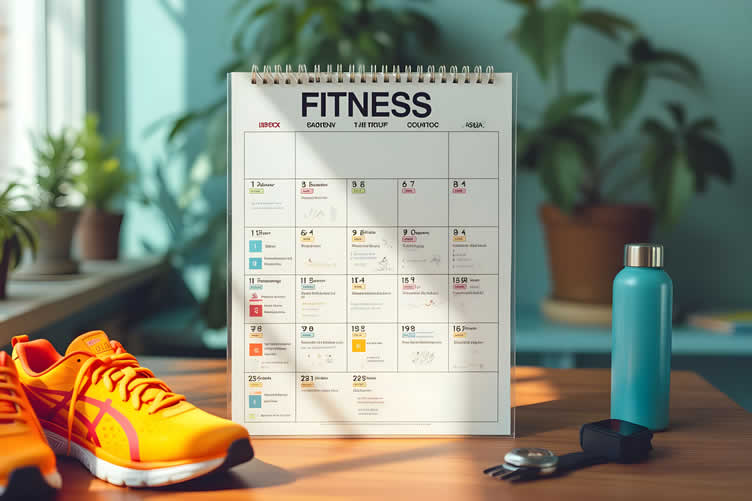
AI generated image by 123rf.com
-
-
-
ideas to view and compare from the information discussed above
Scroll up to directory … or scroll to next section about fitness and exercise routines …
SHARE IT ..! You might have someone in your social network who could find this informative post about fitness and exercise routines valuable. Feel free to share it on Facebook, X (formally Twitter), LinkedIn, or Pinterest!



looking for other interesting topics that may be helpful …?



Budgeting Worksheet For Costing Home Remodeling and Home Improvement Decisions
 File Type (excel)
fourth “photo remodeling” idea

AI generated image by 123rf.com
Fitness Tip 4: Crafting a Personalized First-Time Fitness Plan
Notes:
-
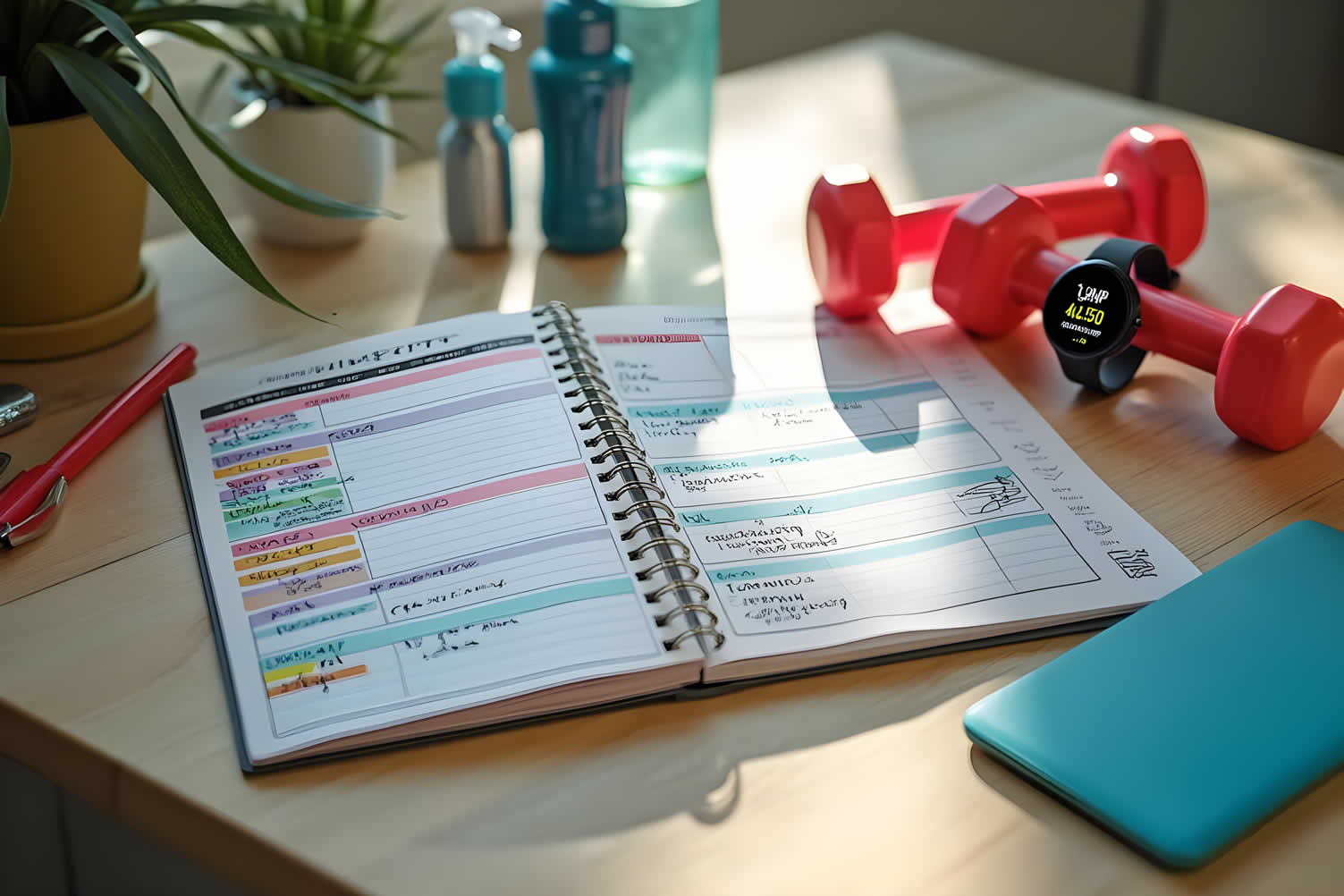
Creating an effective exercise plan that incorporates both cardiovascular and strength training is essential for overall health, fitness, and well-being. These two components provide complementary benefits that improve heart health, muscle strength, endurance, and metabolic function.
However, designing an actionable, personalized plan requires attention to individual needs, especially for those who are new to consistent exercise, managing specific health concerns, or within particular age groups.
Creating a fitness program that suits your needs begins with understanding the available resources and layout of your fitness plan.
-
Quick scroll to “tailored fitness plan” side notes …
-
-
1st: Setting Up a "First-Time" Fitness Program
… based on your your particular need
For first-time users, many fitness facilities offer special programs to ease the transition into regular exercise.
These may include beginner-friendly group classes, one-on-one consultations with trainers, or accessible tutorials on how to properly use the equipment.
It’s important to ensure the fitness environment is welcoming and inclusive for individuals from all walks of life, accommodating different experience levels, fitness goals, and physical abilities.
By starting with simple exercises and gradually increasing intensity, newcomers can build confidence while minimizing the risk of injury. Combining accessible programming with professional guidance fosters a supportive atmosphere for everyone embarking on their fitness journey.
-
Exercise Plan for People Who Are New to Exercise
For individuals returning to physical activity after years of inactivity, the focus should be on gradually building endurance and strength. Starting with low-impact cardiovascular activities such as walking or cycling for 15-20 minutes a few times a week is ideal.
Incorporating bodyweight exercises, like squats and modified push-ups, develops foundational strength while minimizing the risk of injury. Stretching and mobility exercises are also crucial to restore range of motion and prevent stiffness.
Consulting with a trainer or engaging in group fitness classes for beginners fosters consistency and proper form.
-
Exercise Plan for People Who Are Overweight
Overweight individuals should aim for a plan that minimizes joint strain while promoting fat loss and improving overall fitness. Swimming, aquatics-based cardio, or elliptical machines are excellent for reducing joint impact during cardiovascular activities.
Strength-based exercises can focus on using resistance bands or light weights to build muscle safely. Pairing these workouts with flexibility exercises like yoga helps alleviate pressure on the joints.
To ensure sustainability, shorter, manageable sessions about four to five days per week, along with support from professionals or peer groups, can drive motivation and long-term adherence.
-
Exercise Plan for People Recovering from Illness or Accident
Recovery regimens must prioritize safe progression under professional supervision. Cardiovascular exercises such as brisk walking or gentle cycling suit most recovery scenarios, as these help rebuild stamina without overexertion.
Strength training might start with functional and assisted movements, focusing on muscle groups that were deconditioned or weakened. Listening to one’s body and adjusting exercise intensity, frequency, and duration under medical advice is critical.
Regular inclusion of stretching can address post-illness or injury stiffness and improve mobility.
-
Exercise Plan for the Elderly
For seniors, the goal is maintaining independence, strength, and cardiovascular health. Walking is one of the best cardio options due to its accessibility and low risk of injury.
Strength training using light weights, resistance bands, or even household items can improve bone density and muscle mass. Balance and coordination exercises, such as tai chi, are essential to reduce the risk of falls.
Sessions should be shorter with moderate intensity, respecting the individual’s energy levels, and hydration must always be emphasized.
-
Exercise Plan for Children Who Are Inactive
Inactive children should engage in fun, play-like activities that encourage movement rather than regimented routines. Activities such as playing tag, dancing, or team sports introduce both cardio and strength elements naturally.
Structured resistance exercises with body weight, such as climbing or push-ups, can enhance strength in an age-appropriate way. Encouraging outdoor play for at least an hour daily fosters physical and mental health while focusing on enjoyment rather than results to maintain enthusiasm.
-
Additional Considerations for Other Specific Populations
Specialized populations, such as pregnant individuals or those with chronic conditions, require exercise plans designed with input from healthcare providers.
Walking and prenatal yoga are fantastic options for expectant mothers, while activities for those with chronic conditions (e.g., arthritis, diabetes) must center on movement that supports joint health, blood sugar control, and endurance as advised by a professional. Adaptability and monitoring are key for all unique circumstances.
By aligning individual needs with effective exercise practices, anyone can reap the benefits of cardio and strength training.
A personalized and safe approach paves the way for sustainable fitness, ensuring health and happiness for years to come.
Population Cardio Plan Strength Plan Special Notes New to Exercise Low-impact walking or cycling Bodyweight exercises like squats Gradually increase intensity and duration. Overweight Swimming or elliptical machines Resistance bands or light weights Focus on joint-friendly activities. Recovering from Illness/Accident Brisk walking or gentle cycling Functional movements, bodyweight focus Supervise under medical guidance. Elderly Walking, light cardio Resistance bands, light weights Incorporate balance exercises for stability. Children Who Are Inactive Play-based games, outdoor activities Bodyweight climbing, basic movements Encourage fun and avoid rigidity. Specialized Populations Walking, tailored activities Yoga, stretching, and guided movements Consult a professional for custom plans. 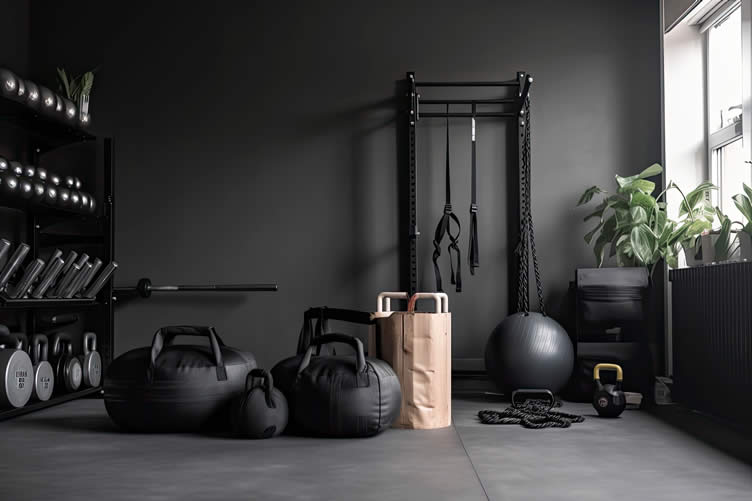
AI generated image by 123rf.com
[ youtube search: exercise program for seniors ]
[ youtube search: fitness program for weight loss ]
-
-
2nd: Creating an Indoor Fitness Room
… for aerobic and anaerobic exercises
Designing a dedicated indoor fitness room can transform your home into a personal wellness hub, catering to both aerobic and anaerobic exercise routines.
A well-planned space promotes consistent workouts, reduces the need for external gym memberships, and ensures convenient access to fitness equipment tailored to your needs.
This guide provides a detailed roadmap for creating a functional and efficient fitness room, suitable for cardiovascular workouts, strength training, and overall health goals.
-
Choosing the Right Space for Your Fitness Room
The location of your fitness room should align with the type of exercises you plan to perform and the available space within your home. Ideally, select a room with good ventilation and ample space to move without restrictions.
A spare bedroom, a sectioned-off basement or attic, an enclosed sunroom, or even a corner of your garage are great starting points. Consider installing large mirrors to track your form while exercising, and opt for flooring that can withstand the impact of weights or repeated footfalls, such as rubber mats or foam tiles.
If possible, choose a space with natural lighting, as this fosters a motivating and energizing atmosphere for your workouts.
Additionally, proper soundproofing can help minimize noise disruptions, especially if you’re performing high-impact aerobic exercises or using certain anaerobic equipment such as weight plates.
-
Setting Up for Aerobic Exercises
Aerobic activities focus on improving cardiovascular endurance, so your indoor fitness room should include tools that support activities like running, cycling, rowing, or dancing.
For cardio-centric workouts, invest in high-quality equipment such as a treadmill, stationary bike, or rowing machine. These machines are compact enough for most indoor spaces, yet versatile enough to match varied intensity levels.
If space is a constraint, consider portable or foldable equipment such as a jump rope, aerobic step boxes, or resistance bands for dynamic cardio drills requiring minimal setup.
Ensure the area has room for unrestricted movement and include a small sound system or television to follow workout programs or listen to motivating music.
-
Outfitting for Anaerobic Exercises
Anaerobic exercise primarily focuses on building strength and muscular endurance through resistance training.
To support this, incorporate a mix of free weights (such as dumbbells, kettlebells, or barbells), resistance bands, and a sturdy bench for weight training. Adjustable weight systems are ideal for accommodating users with varying strength levels, making them a versatile option for every household.
If space permits, add a multi-functional home gym machine, which allows you to perform various anaerobic exercises like chest presses, lat pulldowns, and leg curls in one compact system.
Additionally, a squat rack or pull-up bar can enhance your options for advanced resistance training. Always prioritize safety by equipping your fitness room with proper storage racks for weights and accessories to prevent tripping hazards.
-
Creating an Inviting and Productive Environment
Setting up a fitness space isn’t just about equipment; the ambiance and functionality of the room are equally important.
Install proper lighting to create an invigorating mood and include a cooling solution such as a fan or portable air conditioner to maintain airflow during high-intensity workouts. A section for storing towels, water bottles, and cleaning supplies helps maintain cleanliness and convenience.
Encourage personalization by including motivational posters, a whiteboard for tracking progress, or a corkboard to pin workout plans and fitness goals.
Having a stable Wi-Fi connection can also be beneficial for accessing online fitness classes or tracking your performance through connected fitness devices.
By carefully planning your indoor fitness room, you can create an environment that supports both your aerobic and anaerobic fitness goals while ensuring a safe, convenient, and motivating space for consistent workouts.
This setup aligns with modern health practices, ensuring you maximize your fitness potential right from home.
Purpose Suggested Space Essential Equipment Additional Features Aerobic Room with ventilation and movement space Treadmill, stationary bike, rowing machine Jump rope, sound system, portable steps Anaerobic Strength-focused dedicated corner or room Free weights, resistance bands, weight bench Squat rack, multi-functional gym machine Overall Setup Well-lit, soundproof, and durable flooring Mirrors, storage racks, cooling devices Motivational decor, Wi-Fi connectivity 
AI generated image by 123rf.com
[ pinterest: home gym setup ]
[ youtube: Know Before Starting Home Gym ]
-
-
-
Build a Fitness Routine That Works for You
Fitness is not a one-size-fits-all concept, and understanding the role of both aerobic and anaerobic exercise empowers you to tailor a routine that aligns with your goals.
By blending cardio for heart health and endurance with high-intensity workouts for strength and metabolic boosts, you can create a well-rounded fitness regimen that supports long-term health and vitality.
Your fitness journey starts with informed decisions, and this guide equips you to take those first steps confidently. Whether you’re lacing up for a jog or lifting your first weight, remember that consistency and progression are the keys to success.
-
ideas to view and compare from the information discussed above
book: chair exercises for seniorsbook: exercises for overweight
Scroll up to directory … or scroll to more home remodeling-related topics …

plan the specifications you need for making …
… key home improvement and remodeling decisions
Download this PDF for a concise summary of all you need to know about …?
Find Home Remodeling Services Additions Major Remodels Minor Remodels Disability Needs Plumbing Drain Clearing Appliances Electrical top-rated, pre-screened local contractors FREE: download contractor selection enter zip code – powered by HomeAdvisor ™
Quick Contractor Guides selecting negotiating working with inspecting

Cover image credit: fitness and exercise routines by 123rf.com
end of post … please share it!
 |
did you find this fitness and exercise routines analysis helpful? If so, please share the article with your friends and family! |
Nice pic idea? Leave us a quick comment below.
And please share this pic idea within your social networks.