Summary Outline –
If you’re a homeowner or an avid DIY enthusiast, chances are you’ve dreamt about revamping your space to make it more functional, stylish, or energy-efficient.
But, let’s face it—home improvement projects can be expensive. The good news? There are various home improvement grants and tax breaks that can significantly ease the financial burden of your next big project.
In this post analysis, we’ll explore these financial aids, helping you get the transformation you desire without breaking the bank.
- post content
- Aid Help Tip 1: The Power of Home Improvement Grants
- Aid Help Tip 2: Types of Home Improvement Grants to Consider
- Aid Help Tip 3: Exploring State and Local Government Grants
- Aid Help Tip 4: Demystifying Home Improvement Tax Breaks
- Aid Help Tip 5: Recent Developments and Future Opportunities

-
Quick scroll to first topic about home improvement grants …

first “home improvement grants” idea


copyright image by 123rf.com
Aid Help Tip 1: The Power of Home Improvement Grants
Notes:
-
Grants can be a game-changer for homeowners looking to make necessary improvements without shouldering the full cost. These are funds provided by the government, nonprofits, or private entities that you don’t have to pay back.
Understanding their potential is the first step to making your home improvement dreams a reality.
-
Federal, State, and Local Grants
Federal, state, and local governments offer a variety of grants tailored for homeowners. Each level of government provides distinct programs with specific eligibility criteria and application processes.
Federal grants are generally accessible via government agencies like the U.S. Department of Housing and Urban Development (HUD). These grants often focus on projects that enhance safety and accessibility, such as installing ramps or widening doorways.
State and local grants, on the other hand, may target more specific community needs. For example, some states offer incentives for projects that boost energy efficiency or support historical preservation. Homeowners might need to check their local government websites to see which programs they qualify for.
Application processes vary, but typically, you’ll need to provide documentation proving your eligibility and detailed plans for your project. Gathering these materials well in advance can streamline your application process.
-
Nonprofit and Private Grants
Beyond government resources, many nonprofit organizations and private companies offer grants to support home improvement projects. Although these grants may not be as well known, they can still offer significant financial assistance.
Nonprofits often focus on specific improvement areas, such as sustainability or accessibility. For example, some environmental organizations provide grants to homeowners who want to install solar panels or energy-efficient windows.
Private companies, especially those in the home improvement industry, may also offer grants to encourage the use of their products or services. These grants are sometimes part of promotional campaigns, so staying informed about industry news can be beneficial.
Application requirements for nonprofit and private grants vary widely, but they typically include a project proposal and proof of income or need. It’s essential to research and apply to as many applicable grants as possible to maximize your chances of receiving aid.
-
-
Quick scroll to “understanding grants” side notes …
-
-
1st: Types of Home Improvements Are Covered by Grants
Grants for home improvement projects can significantly ease the financial burden of maintaining or upgrading your home.
Whether funded by government entities, nonprofits, or private companies, these grants often target specific types of improvements that can make a home safer, more accessible, energy-efficient, or simply better suited to the owner’s needs.
Below is a detailed breakdown of the various types of home improvements commonly covered by these grants.
-
Safety and Essential Repairs
Grants are often available for critical repairs that ensure the safety and structural integrity of a home. This includes structural repairs to address issues like a weakened foundation, roof repairs, or replacement of faulty electrical wiring.
Essential repairs might also cover upgrading critical systems such as plumbing and heating to meet health and safety standards. Additionally, these grants may target the removal of health and safety hazards, including asbestos, lead paint, or mold.
-
Accessibility Modifications
For homeowners with mobility challenges or disabilities, accessibility modifications can significantly improve the quality of life. Grants may provide funding for mobility improvements such as installing ramps, widening doorways, or adding stairlifts.
Bathroom modifications, like accessible showers, grab bars, or raised toilets, facilitate greater independence and safety. Other accessibility enhancements may include modifying kitchens or installing aids to assist with daily tasks.
-
Energy Efficiency Upgrades
Improving a home’s energy efficiency is not only beneficial to the environment but also reduces utility costs. Grants in this category may cover the cost of adding insulation to walls and attics, replacing old windows and doors with energy-efficient models, or installing energy-efficient appliances and systems.
These improvements help reduce energy consumption and can greatly decrease a home’s carbon footprint.
-
General Home Improvements
Some grants provide support for broader home improvement projects that enhance the living space. This may include kitchen renovations to update fixtures and appliances, making the space more functional and appealing.
Exterior improvements such as painting, siding replacement, or landscaping can also qualify, enhancing curb appeal and property value. Weatherization projects that protect the home from the elements are another common focus, often including roof repairs or enhancing the building envelope.
-
Other Improvements
In addition to the major categories mentioned, there are grants available for other unique or specialized home improvement projects. This might involve enhancing the home’s disaster resilience or installing smart technology systems to optimize home management.
Staying informed about evolving grant opportunities can allow homeowners to make significant meaningful changes.

copyright image by 123rf.com

-
-
2nd: Who Qualifies for Home Improvement Grants
When it comes to home improvement grants, various factors determine eligibility, often depending on the specific grant program.
These grants aim to support a wide array of homeowners, ranging from low-income families to people needing assistance due to circumstances like age or disability. Below are segmented sections outlining the typical qualifying parameters:
-
Income-Based Qualifications
Many home improvement grants are tailored for low or moderate-income households. These grants typically require applicants to provide proof of income to verify financial need.
Income thresholds can vary significantly based on location, household size, and the specific aims of the grant. Applicants are usually required to demonstrate that their income falls below a certain percentage of the median income in their area.
-
Age and Disability Considerations
Programs are often available for senior citizens or those with disabilities, offering financial assistance for modifications to improve the safety and accessibility of their homes.
Applicants in this category must usually provide documentation of age or disability, along with details about the specific modifications required to enhance mobility and comfort within their homes.
-
Geographic and Community-Based Criteria
Certain grants are designed to revitalize specific areas, thus applicants must reside in designated neighborhoods or communities. These grants aim to upgrade housing stock, preserve historical districts, or stimulate economic growth in areas with higher need.
Eligibility can depend on geographic location, often focusing on rural areas or urban centers in need of development.
-
Veteran Support
Grants targeting veterans focus on improving the living conditions for those who have served in the military. Eligibility criteria typically include proof of veteran status, and these programs often prioritize those with disabilities stemming from service.
The aim is to provide a safe and accommodating home environment adapted to any specific needs resulting from military service.
By understanding these general qualifications, potential applicants can better assess their eligibility for various home improvement grants. It is always advisable to review the specific criteria of each grant program, as requirements can differ widely.

copyright image by 123rf.com
-
-
-
ideas to view and compare from the information discussed above
book: remodeling upgradesbook: aging in placebook: bathroom remodeling
Scroll up to directory … or scroll to next section about home improvement grants …



second “photo remodeling” idea

copyright image by 123rf.com
Aid Help Tip 2: Types of Home Improvement Grants to Consider
Notes:
-
When considering home improvement projects, it’s crucial to explore various grant options that can ease the financial burden. Below are segmented sections introducing different types of grants available:
Government grants are typically administered at the federal, state, or local levels. Federal programs, such as those from the U.S. Department of Housing and Urban Development (HUD), can provide substantial aid for large-scale projects.
State and local government grants often focus on energy efficiency, historical preservation, or meeting community-specific needs. Checking local government websites is essential to finding these opportunities.
-
Quick scroll to “types of grants” side notes …
-
-
1st: Federal Government Grants for Home Improvement
Federal government grants can significantly assist homeowners seeking to undertake improvement projects. These grants are designed to cater to a range of needs, from modernizing aging properties to ensuring structural safety and accessibility.
By leveraging these opportunities, homeowners can find financial relief for their renovation endeavors. Below are descriptions of various federal programs to consider:
-
HUD Title 1 Property Improvement Loan Program
The HUD Title 1 Property Improvement Loan Program offers financial assistance for minor and major improvements, such as energy-efficient upgrades or structural repairs.
This program extends flexible loan options to help homeowners maintain their properties while increasing overall living comfort and energy savings.
- The property must be a single-family home, a multifamily housing structure, or a nonresidential structure that requires rehabilitation.
- The applicant must have regular income to repay the loan.
- The loan must be used to make improvements to the property that either protect or improve its basic livability or utility.
- There is no requirement for the homeowner to have equity in the property.
- The total loan amount for a single-family house is capped at $25,000; for a multifamily structure, the loan can be up to $12,000 per family unit, capped at $60,000.
-
203(k) Rehabilitation Mortgage Insurance Program
With the 203(k) Rehabilitation Mortgage Insurance Program, homeowners can access funds to both purchase and rehabilitate a property.
This program is ideal for individuals looking to buy a fixer-upper, allowing them to cover the costs of acquisition and improvement under a single mortgage.
- The property must be a one- to four-family dwelling that has been completed for at least one year.
- The applicant must plan to occupy the property as their primary residence.
- Borrowers must demonstrate creditworthiness and the ability to repay the loan.
- The rehabilitation work must exceed $5,000 and comply with HUD-approved standards.
- Eligible repairs include structural alterations, modernization, elimination of health and safety hazards, and improvements aiming at energy efficiency.
- Properties may qualify for matching grants from state or local programs for additional funding.
- The mortgage must be insured by the Federal Housing Administration (FHA).
-
Section 504 Home Repair Program
The Section 504 Home Repair Program assists very low-income homeowners in ensuring their homes remain safe, sanitary, and accessible.
It provides grants and loans for necessary repairs and alterations, significantly benefiting seniors and individuals living with disabilities.
- Applicants must be the homeowner and occupy the house.
- They must be unable to obtain affordable credit elsewhere.
- Household income must be below 50% of the area median income.
- For grants, the homeowners must be 62 years of age or older and not able to repay a repair loan.
- The property must be located in a rural area as defined by the USDA.
-
Home Equity Conversion Mortgages (HECM) for Seniors
HECM for Seniors allows homeowners aged 62 or older to convert part of their home equity into cash, providing the necessary funds for home improvements or other expenses.
This program supports aging in place by facilitating financial independence and safety adaptations in the home.
- The borrower must be aged 62 or older.
- The property must be the primary residence of the borrower.
- The homeowner must own the property outright or have a significant amount of equity.
- The borrower must not be delinquent on any federal debt.
- The borrower must demonstrate the ability to pay ongoing property charges, including taxes, insurance, and maintenance.
- The homeowner is required to complete a HUD-approved counseling session on reverse mortgages.
-
Native American Housing Improvement Program
Tailored to address the unique needs of Native American communities, this program offers grants for essential repairs and augmentations.
It helps ensure that homes are suitable and comfortable, while preserving cultural and historical standards within these communities.
- The applicant must be a member of a federally recognized Native American tribe.
- The property must be located within an approved service area, as determined by the Bureau of Indian Affairs.
- The household income must fall below a specified percentage of the area median income, varying by location.
- The property must be the primary residence of the applicant.
- The applicant must demonstrate a valid need for housing repair or improvement.
- The applicant must not have the ability to acquire financial assistance from other sources.
-
Homeowners Assistance Fund (HAF)
The HAF Critical Home Repair Program targets households severely impacted by the economic downturn, providing much-needed funds for crucial repairs.
This program helps stabilize homeownership by addressing safety hazards, thus preventing properties from falling into disrepair.
- The applicant must own and occupy the home as their primary residence.
- The property must require repairs that address safety, health, or accessibility issues.
- The homeowner must demonstrate financial hardship due to economic conditions, such as loss of income or increased expenses.
- The applicant’s household income must not exceed a specified percentage of the area median income, as defined by the program guidelines.
- The applicant must be unable to obtain the necessary repair funds from other financial sources.
- The homeowner must be current on property taxes or have an approved payment plan in place.
-
HUD Section 202 Supportive Housing
The HUD Section 202 Supportive Housing for the Elderly Program is designed to provide affordable rental housing for very low-income seniors, supporting them in maintaining an independent lifestyle.
- The applicant must be at least 62 years of age at the time of application.
- The household’s income must be classified as very low-income, as defined by the program guidelines.
- The applicant must be able to live independently with the services offered by the housing facility.
- The applicant must demonstrate a financial need for housing assistance.
- The property must be the applicant’s primary residence upon admission.
-
Weatherization Assistance Program (WAP)
The Weatherization Assistance Program (WAP) is designed to increase the energy efficiency of homes for low-income families, reducing energy costs and improving overall home comfort. Here are the qualifying criteria for the program:
- The applicant must be a homeowner or tenant of the property to be weatherized.
- The applicant’s household income must be at or below a specific percentage of the area median income, as defined by the program guidelines.
- Priority is given to households with elderly residents, families with children, or persons with disabilities.
- The applicant must demonstrate a financial need, with energy costs constituting a significant portion of the household expenses.
- The property must have potential for energy-saving improvements, as assessed by program auditors.
- The applicant must agree to share relevant utility data with the program for evaluation purposes.
[ more information: view HUD.gov ]

copyright image by 123rf.com
[ youtube: which grants do you qualify? ]
[ youtube: how to get home improvement grants ]
-
-
2nd: Grants for Senior Citizens
As senior citizens aim to enhance their living conditions, various home improvement grants are available to assist them in making necessary modifications.
These grants are specifically tailored to ensure that homes are safer, more accessible, and more energy-efficient, thereby enabling seniors to maintain their independence and well-being.
Below, we detail some of the key grants available for seniors, including their eligibility criteria and benefits.
-
Home Repair Assistance Programs
Home Repair Assistance Programs are designed to help senior homeowners cover the cost of necessary repairs and modifications, such as fixing structural issues or installing safety features like ramps and grab bars.
To qualify, applicants typically need to meet age requirements, be primary residents of the home in question, and demonstrate a financial need for the repairs.
Additionally, the household income must often fall below a certain threshold, ensuring the assistance is directed towards those most in need.
Applicants generally need to meet the following criteria:
- Age Requirement:
Applicants must typically be senior citizens, with the exact age requirement varying by program. - Primary Residency:
The applicant must be the primary resident of the home requiring repairs. - Financial Need:
Proof of financial need is essential, demonstrating that the household income falls below a specified threshold. - Home Ownership:
The applicant must own the home in which repairs are to be made. - Scope of Work:
The requested repairs must align with the program’s goals, such as improving safety, accessibility, or energy efficiency. - Documentation:
Applicants must provide necessary documentation, including proof of income, identification, and home ownership. - Locality Requirements:
Some programs may have locality or geographical requirements, targeting specific communities or regions for assistance.
- Age Requirement:
-
Energy Efficiency Grants for Seniors
Energy Efficiency Grants focus on reducing the energy consumption of households occupied by seniors, thereby lowering utility bills and promoting environmental stewardship.
Eligibility for these grants generally requires seniors to be either the homeowner or tenant of the residence, with a priority for those with limited income or disabilities.
Criteria usually include an evaluation of the home’s existing energy use and potential for improvements, as well as an agreement to monitor energy savings post-renovation.
To qualify, the following criteria are typically required:
- Age Requirement:
Applicants must be of senior age, as defined by the grant program. - Homeownership or Tenancy:
The senior must either own or rent the residence in question. - Income Limit:
Priority is given to seniors with limited or low income. - Disability Status:
Additional consideration may be given to those with disabilities. - Energy Assessment:
The home must undergo an evaluation to determine existing energy usage and identify areas for potential efficiency improvements. - Commitment to Monitoring:
Applicants must agree to monitor and report energy savings following any upgrades or renovations. - Compliance with Program Goals:
All improvements must aim to enhance energy efficiency and contribute to environmental sustainability.
- Age Requirement:
-
Accessibility Modification Assistance
Grants for Accessibility Modification are pivotal in adapting homes to meet the mobility needs of senior citizens. These funds are used to make homes wheelchair-accessible, install stairlifts, or modify bathrooms for safer use.
Seniors or their caregivers must typically provide proof of requirement, such as a medical note, alongside demonstrating financial need and meeting age-based qualifications.
The goal is to minimize the risk of accidents and foster an independent living environment.
Applicants typically need to meet the following criteria:
- Age Requirement:
Applicants must be seniors as defined by the program offering the assistance. - Proof of Need:
A medical note or documentation must be provided to attest to the necessity of modifications for mobility or accessibility. - Income Limit:
Priority is given to those with limited or low income to ensure assistance is directed toward individuals with financial need. - Homeownership or Tenancy:
The applicant must own or rent the residence where modifications are proposed. - Compliance with Safety Standards:
All proposed modifications must adhere to safety regulations and guidelines to ensure effective and secure adaptations. - Commitment to Independent Living:
The modifications should aim to promote safe, independent living for the senior applicants within their homes.
- Age Requirement:
[ more information: view USA.gov ]

copyright image by 123rf.com
[ youtube: are you eligible for a low income senior grant? ]
[ youtube: grants for home repairs ]
-
-
3rd: Home Improvement Grants for Veterans
Veterans who have served their country often face unique challenges upon returning to civilian life, particularly those who have sustained injuries during their service.
To support these brave individuals, several home improvement grants are available specifically designed to enhance accessibility and improve living conditions.
These grants help ensure that veterans can lead lives with dignity and comfort, irrespective of their physical limitations.
-
Qualification Criteria for Veteran Home Improvement Grants
Veteran home improvement grants have specific criteria that applicants must meet to qualify for assistance. Typically, veterans must have a service-connected disability that necessitates modifications to their home to ensure accessibility and safety.
Applicants are generally required to provide proof of their military service, such as a DD Form 214 or equivalent documentation. Additionally, evidence of a disability rating from the Department of Veterans Affairs (VA) is often necessary to substantiate the need for adaptations.
Financial status may also be a consideration, with some programs prioritizing veterans who demonstrate economic need or who are on limited incomes.
- The veteran must have a service-connected disability, as determined by the Department of Veterans Affairs.
- The applicant must own the home or have long-term occupancy rights, with proof of ownership or occupancy required.
- The grant must be used for modifications that improve the veteran’s ability to live independently, such as wheelchair ramps, widened doors, or bathroom accessibility alterations.
- The veteran should demonstrate a financial need for assistance, with limited personal resources to fund necessary modifications.
- Priority may be given to veterans who require urgent modifications due to their health and safety needs.
- The applicant must submit all required documentation, including proof of service and current living situation, as outlined by the grant program.
-
Specially Adapted Housing (SAH) Grant
The Specially Adapted Housing (SAH) Grant is offered to veterans with certain permanent and total service-connected disabilities. This grant aims to construct, modify, or purchase homes that accommodate disability-related needs, enabling greater independence.
Eligible adaptations include constructing wheelchair-accessible ramps, widening doorways, or installing grab bars and other safety features. The SAH grant provides substantial financial assistance toward these modifications, supporting the creation of a barrier-free home environment.
- The veteran must have a permanent and total service-connected disability, such as the loss or loss of use of both legs, blindness in both eyes, or severe burns.
- The disability must severely impact mobility, necessitating the need for housing adaptations to live independently.
- The grant must be used for constructing, purchasing, or remodeling a home to meet the veteran’s unique disability-related needs.
- The applicant must demonstrate ownership or plans to acquire ownership in the modified property.
- The applicant should provide all necessary documentation as required by the grant program, including medical assessments and proof of service-connected disability.
- Additional requirements may include ensuring the property meets local building codes and standards for safety and accessibility.
-
Special Home Adaptation (SHA) Grant
The Special Home Adaptation (SHA) Grant targets veterans and service members with specific service-connected disabilities that hinder their mobility.
This grant focuses on assisting those who need modifications but do not qualify for the SAH grant. Common adaptations supported by the SHA grant may include modified bathrooms to accommodate wheelchairs or installing specialized fixtures designed for ease of use.
As with the SAH grant, these improvements aim to facilitate a safer and more accommodating living space.
- The SHA grant is available for veterans with specific service-connected disabilities, such as the loss or loss of use of both hands, certain severe burn injuries, or certain respiratory or breathing issues.
- The maximum amount of the SHA grant is set annually and may adjust based on inflation or legislative changes.
- Funds must be used specifically for the modification of an existing home or the purchase of a home that will be adapted, ensuring it better meets the veteran’s mobility needs.
- Applicants must provide relevant documentation, including medical records and evidence of service-connected disability, to determine eligibility.
- The property must comply with local building regulations and accessibility standards to qualify for funding.
- The SHA grant often covers specific modifications such as ramp installations, wider doorways, adapted kitchen designs, and other alterations to aid mobility and usability.
-
Temporary Residence Adaptation (TRA) Grant
The Temporary Residence Adaptation (TRA) Grant is designed for veterans who temporarily reside in a family member’s home. This grant offers funding for temporary modifications necessary to accommodate the veteran’s disability during their stay.
Adaptations covered by the TRA grant may include installing ramps, adapting bathrooms, or providing other accessibility improvements. The aim is to ensure that veterans have the necessary support to live comfortably while away from their own homes.
- The veteran must have a service-connected disability requiring home modification.
- The veteran must be temporarily living in a family member’s home.
- Both the current residence and modification plans must meet local building and safety standards.
- The veteran must provide evidence of the service-connected disability and a detailed plan of the needed adaptations.
- Funds are strictly for modifications that improve accessibility, such as ramps or bathroom adaptations, and cannot be used for permanent changes to the family member’s home.
- The grant is limited in amount and is designed to cover essential modifications to enhance the veteran’s quality of life during their temporary stay.
-
Home Improvements and Structural Alterations (HISA) Grant
The Home Improvements and Structural Alterations (HISA) Grant is available to veterans with service-connected and non-service-connected disabilities.
This grant covers a variety of essential home improvements that enhance accessibility and safety. Modifications may include installing handrails, lowering countertops, or constructing walkways.
The HISA grant helps veterans make essential structural changes to their homes, facilitating an environment that allows for a safe and independent lifestyle.
- The veteran must apply for the HISA grant through the VA and provide necessary documentation.
- Improvements must directly relate to a medical condition diagnosed by a VA physician.
- The alterations should enhance the veteran’s ability to access, enter, or use the home.
- Modifications must meet local building codes and safety standards.
- Approved modifications should have a direct impact on the veteran’s safety and daily comfort.
- Required estimates and plans from licensed contractors or builders must accompany the application.
- The eligible expenses are subject to a maximum limit, which varies based on whether the disability is service-connected or non-service-connected.
[ more information: view VA.gov ]

copyright image by 123rf.com
[ view diagram: home repair grants for veterans ]
[ youtube: the VA will pay to upgrade my home? ]
-
-
-
ideas to view and compare from the information discussed above
Scroll up to directory … or scroll to next section about home improvement grants …

addressing home improvement grants for remodeling needs …

… grab this directory of ideas for future use



… remodeling decisions


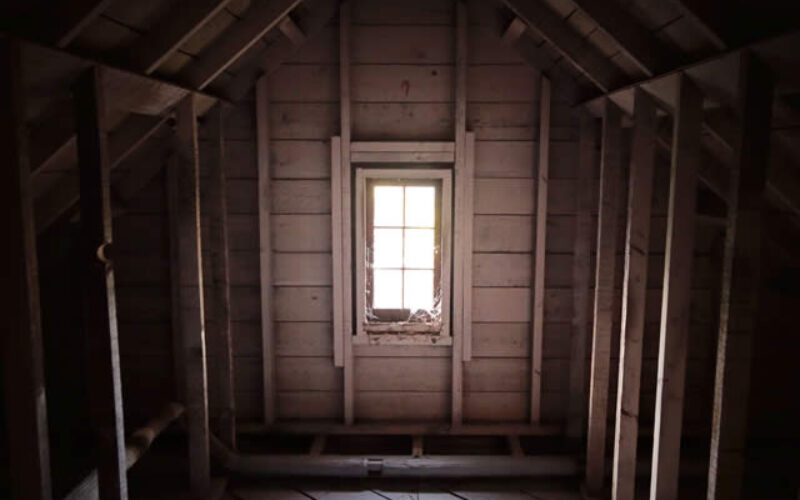

plan the specifications you need for making …

… key home improvement and remodeling decisions


May We Suggest Other Photo Remodeling Ideas About
“Some Latest Analysis for Home Improvement …” (new win)



third “photo remodeling” idea

copyright image by 123rf.com
Aid Help Tip 3: Exploring State and Local Government Grants
Notes:
-
In addition to federal programs, state and local governments offer a myriad of grants tailored to meet the specific needs of their communities. These grants can be invaluable resources for homeowners looking to improve, renovate, or ensure the safety of their properties.
By exploring available state and local options, individuals can find targeted assistance that may not be covered by broader federal initiatives. Understanding how to access these resources is key to maximizing their potential benefits.
-
Quick scroll to “state and local” side notes …
-
-
1st: Research State Government Resources
To begin searching for state-level grants, homeowners should first visit their state’s government website. Here, a wealth of information is available about home improvement grants, loans, and tax credits that the state offers.
Many of these websites provide a dedicated section for housing resources, where individuals can access application forms, eligibility criteria, and deadlines.
It’s also beneficial to sign up for state newsletters or alerts to stay informed about new programs or changes to existing ones.
-
Connect with Local Government Offices
Local government offices, such as city or county housing departments, can be a direct source of information about grant opportunities. These offices can provide personalized assistance, guiding homeowners through the application process and suggesting programs that best fit their needs.
Attending community meetings or workshops hosted by local housing authorities can also offer insights into upcoming grants and partnerships with local organizations that may amplify the available support.
-
Leverage Online Grant Databases
Online grant databases are powerful tools for identifying both state and local opportunities. Websites like Grants.gov or the National Association of Housing and Redevelopment Officials provide searchable directories of available grants.
By filtering searches by location and grant type, homeowners can quickly find relevant programs and access application details. Staying diligent in monitoring these databases can help ensure that homeowners do not miss out on valuable funding opportunities.
By taking advantage of these diverse resources, homeowners can secure vital funding to enhance their living conditions and safeguard their investment in their homes.
-
Utilize the Eldercare Locator
The Eldercare Locator is an essential resource for homeowners seeking information specifically tailored to older adults. As a service of the U.S. Administration on Aging, it provides valuable support in connecting seniors with local services, including housing assistance.
By contacting the Eldercare Locator, homeowners can receive guidance on accessing grants and programs that cater to the needs of elderly residents. This can be particularly beneficial for finding age-friendly housing options and resources that support independent living for seniors.

copyright image by 123rf.com
-
-
2nd: Nonprofit and Private Organization Grants
Navigating the world of grants for home improvement can at first seem daunting, but understanding the types of grants available can be empowering. Nonprofit and private organization grants provide invaluable resources for those looking to renovate, repair, or enhance their living spaces.
These grants often align with specific social, environmental, or community-focused goals and can significantly reduce the financial burden of home improvement projects.
-
Finding Nonprofit Grants
Nonprofits dedicated to specific causes, like environmental sustainability or increasing accessibility for disabled individuals, often offer grants to promote similar home improvement goals. These organizations aim to make a social impact and usually require a commitment to their focus areas.
To locate nonprofit grants, begin by identifying organizations whose missions align with your home improvement goals. Nonprofits often publish grant information on their websites, detailing eligibility criteria and application processes.
Networking through community events and engaging with local nonprofit forums can also unveil lesser-known grants. Additionally, using terms such as “home improvement grants nonprofit” in search engines can help uncover potential opportunities.
Online databases and grant directories are also key tools for finding nonprofits that offer grants in your area.
-
Sourcing Private Company Grants
Many private companies, including those in the construction and energy sectors, offer grants as part of their corporate social responsibility initiatives or to promote new products.
These may come with requirements tied to using their products or services. Staying updated with industry publications and news can help identify these opportunities.
Private company grants are often advertised through industry-specific publications and business news outlets. Companies in construction, home appliance manufacturing, or energy sectors frequently launch grant programs to promote their products or support community-focused projects.
Following these companies on social media or subscribing to their newsletters can provide instant updates on grant availability. Using targeted search phrases like “private company home improvement grants” or visiting dedicated grant application platforms can streamline the search process.
It’s important to regularly check business websites for announcements related to grant offerings and competitions.
By being proactive in your search and understanding the mission and focus of granting organizations, you can increase your chances of successfully securing funding for your home improvement endeavors.

copyright image by 123rf.com
-
-
-
ideas to view and compare from the information discussed above
Scroll up to directory … or scroll to next section about home improvement grants …
SHARE IT ..! You might have someone in your social network who could find this informative post home improvement grants valuable. Feel free to share it on Facebook, X (formally Twitter), LinkedIn, or Pinterest!


fourth “photo remodeling” idea

copyright image by 123rf.com
Aid Help Tip 4: Demystifying Home Improvement Tax Breaks
Notes:
-
Tax breaks are another powerful tool that can substantially reduce the cost of home improvements, making it more feasible for homeowners to enhance their living spaces. These benefits can come in the form of tax credits or deductions, which effectively decrease your overall tax liability and can lead to significant savings.
-
Tax Credits vs. Deductions
A tax credit directly reduces the amount of tax you owe, while a deduction lowers your taxable income. Both can provide significant savings, but it’s crucial to understand which type of break is available for your project.
Tax credits are often available for energy-efficient upgrades. For instance, installing solar panels might qualify you for the Residential Renewable Energy Tax Credit, which can cover a substantial portion of the costs.
Deductions might be available for home office improvements, especially if you’re using a dedicated space in your home for business purposes. You might be able to deduct expenses related to renovations that make your workspace more efficient.
Other deductions can apply to accessibility modifications, like adding wheelchair ramps or modifying bathrooms. These improvements not only enhance your home’s usability but can also provide tax savings.
-
Examples of Available Tax Breaks
Homeowners looking to make energy-efficient upgrades should investigate the Energy Efficient Home Improvement Credit. This program offers rebates for projects that reduce energy consumption, such as better insulation or efficient HVAC systems.
For those working from home, the Home Office Deduction can be a valuable tax break. This deduction allows you to claim improvements to your workspace, potentially covering things like new lighting or ergonomic furniture.
If you’re planning modifications to improve accessibility, the Medical Expense Deduction may apply. This can offset costs for projects that accommodate disabilities, such as bathroom remodels or stairlifts.
-
-
Quick scroll to “tax breaks” side notes …
-
-
1st: Home Improvement Tax Credits
Home improvement tax credits provide financial support for homeowners seeking to enhance their living spaces while adhering to certain qualifications and guidelines.
These credits can alleviate part of the costs involved in building, renovating, or altering homes, especially to meet specific needs such as accessibility or energy efficiency.
Below are some types of tax credits and grants available to homeowners, particularly focusing on those catering to veterans and individuals requiring home adaptations.
-
Finding Tax Credits for Home Improvement
To explore potential tax credits for home improvement, homeowners can start by visiting the IRS website, which offers comprehensive information on available tax credits, eligibility criteria, and application processes.
Another excellent resource is the Database of State Incentives for Renewables and Efficiency (DSIRE), which provides details on federal, state, and local tax credits, focusing on energy-related home improvements.
Additionally, consulting with a tax professional can provide personalized guidance based on individual circumstances and ensure compliance with the latest tax regulations.
Homeowners should also consider checking with local government websites and utility companies, as they often provide information on regional and utility-based tax credits aimed at promoting energy efficiency and sustainable home practices.
-
Where to Find Available Tax Credits
- IRS Website:
A primary source for federal tax credit information and guidelines. - Database of State Incentives for Renewables and Efficiency (DSIRE):
Offers comprehensive data on federal, state, and local energy-related tax credits. - Local Government Websites:
Often contain information on regional incentives and credits for sustainable home improvements. - Utility Companies:
May provide details on utility-based tax credits that promote energy efficiency. - Consulting with a Tax Professional:
Personalized advice and up-to-date knowledge on tax regulations and credits. - Home Improvement Organizations:
Associations and organizations that focus on home renovations may also offer insights into available tax credits. - Community Outreach Programs:
Local community centers or non-profits may inform and assist in identifying applicable tax credits.
- IRS Website:

copyright image by 123rf.com
[ youtube: energy efficient home improvement credit ]
[ youtube: maximize your home improvement tax credit ]
-
-
2nd: Using Tax Deductions for Home Improvement
While tax credits can directly reduce the amount of tax owed, deductions offer another valuable method for homeowners to manage their tax liability through home improvement expenses.
Certain home improvements can qualify as deductions if they meet specific criteria set by the IRS. For example, if home improvements are primarily made for medical reasons, such expenses may be deducted as medical expenses.
Additionally, if a portion of the home is used exclusively for business purposes, improvements or repairs to that part of the home may be deductible under business expense rules.
It is important for homeowners to keep detailed records of all expenditures and consult a tax professional to ensure that they maximize their eligible deductions while remaining in compliance with tax laws.
-
Finding Tax Deductions for Home Improvement
Finding tax deductions for home improvement involves identifying eligible expenses that can be subtracted from taxable income, thereby reducing the overall tax burden for homeowners.
Unlike tax credits, which directly reduce the amount of tax owed, deductions lower the taxable income, potentially placing homeowners in a lower tax bracket.
It’s crucial for homeowners to understand the specific types of improvements or repairs that may qualify for deductions, such as those related to home office expenses, energy-efficient installations, or medically necessary modifications.
Diligently maintaining records and receipts of all improvement-related expenditures is essential for successfully claiming these deductions and navigating the intricacies of the tax code.
- IRS Publications and Guidance:
The IRS offers specific publications that delineate which home improvements might be eligible for tax deductions. These resources provide detailed criteria and the necessary forms required for claiming deductions. - Official State Tax Websites:
Each state may have its own tax guidelines concerning home improvements. Homeowners should visit the official tax websites of their state to understand how state-specific tax deductions might apply. - Consulting with Tax Advisors:
A certified tax advisor can provide in-depth advice about which home improvements are tax-deductible, taking into account recent changes in tax laws and ensuring all paperwork is correctly filed. - Online Tax Software:
Several online tax software platforms, like TurboTax or H&R Block, offer guidance and checklists to help homeowners determine eligible deductions related to home improvements. - Homeowner Associations and Community Centers:
Local homeowner associations and community centers may offer workshops or resources that outline tax-deductible home improvement opportunities and how to leverage them.
- IRS Publications and Guidance:

copyright image by 123rf.com
[ view diagram: 7 home improvement tax deductions ]
[ youtube: are home improvement expenses tax deductible? ]
-
-
3rd: Who Qualifies for Tax Credits and Deductions
Qualifying for tax credits and deductions related to home improvements often depends on several factors, including the type of improvement made, the purpose of the improvement, and applicable state and federal tax laws.
-
Homeowners who make energy-efficient upgrades, such as installing solar panels, energy-efficient windows, or geothermal systems, may qualify for federal tax credits under programs like the Residential Renewable Energy Tax Credit.
-
Additionally, those who make medically necessary modifications to their homes, such as installing wheelchair ramps or grab bars, might also be eligible for deductions.
-
Income levels and filing status can influence eligibility for specific credits and deductions. For instance, some deductions may phase out or be reduced beyond certain income thresholds.
-
It’s also critical that the homeowner is the legal owner of the property and that the improvements are made on a primary or second home, as rentals or business properties may follow different rules.
-
To ensure eligibility, it’s advisable for homeowners to maintain detailed documentation of the improvements, including invoices and invoices.
Consulting with a tax professional or using specialized tax software can help verify whether specific improvements qualify for credits or deductions, ensuring homeowners maximize their tax benefits.

copyright image by 123rf.com
-
-
-
ideas to view and compare from the information discussed above
Scroll up to directory … or scroll to next section about home improvement grants …

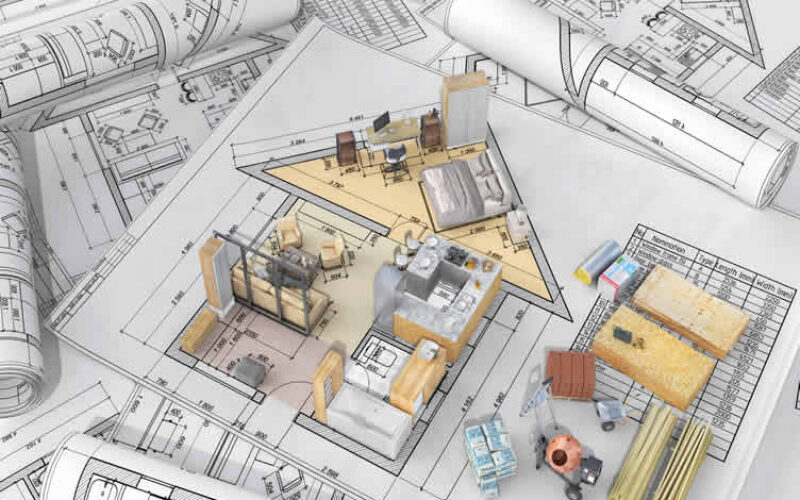
get the size dimensions for any home remodeling project …
… for functionality, aesthetics, and adhering to building codes


below for …
… remodeling home needs
Find Home Remodeling Services Additions Major Remodels Minor Remodels Disability Needs Plumbing Drain Clearing Appliances Electrical top-rated, pre-screened local contractors FREE: download contractor selection enter zip code – powered by HomeAdvisor ™
Quick Contractor Guides selecting negotiating working with inspecting

fifth and last “photo remodeling” idea


copyright image by 123rf.com
Aid Help Tip 5: Recent Developments and Future Opportunities
Notes:
-
The landscape of grants and tax breaks is continuously evolving. Staying updated on recent changes and future opportunities can help ensure you take full advantage of these programs.
-
Recent Program Updates
In the past few years, several new initiatives have emerged to address environmental concerns and promote sustainable living. Many of these programs offer increased support for green home improvements, recognizing the long-term benefits of reducing carbon footprints.
Additionally, some grant programs have expanded eligibility criteria to support a broader range of homeowners, including low-income families and seniors. Keeping an eye on news releases and government announcements can help you stay informed about these changes.
-
Emerging Opportunities
Looking ahead, several potential opportunities could benefit homeowners. With growing interest in renewable energy, new incentives for solar installations or electric vehicle charging stations might become available.
Increased emphasis on climate resilience may also lead to grants for projects that make homes more resilient to natural disasters. Exploring these possibilities can give you a head start on future improvements.
-
-
Quirk scroll to topic "benefits and help" side notes …
-
-
1st: Strategies for Maximizing Your Benefits
To fully leverage available grants and tax breaks, consider these strategic tips:
- First, research all applicable grants and tax incentives that align with your business goals or projects. Make a list of eligibility requirements and deadlines to ensure you don’t miss out on potential funding opportunities.
- Next, develop a strong proposal that clearly outlines how the funding will be used and the expected outcomes.
- Additionally, keep thorough records of your expenses and progress, as this can help you when applying for future funding or during audits.
- Finally, consult with financial advisors or grant specialists who can provide tailored advice and insights on maximizing these benefits.
-
Plan Your Projects Wisely
Timing is crucial when it comes to home improvements. Aligning your projects with grant application deadlines or tax seasons can ensure you receive the maximum benefits.
Prioritize projects that qualify for multiple programs. For example, a solar installation might qualify for both federal tax credits and state grants, multiplying your savings.
-
Stay Informed on Legislation
Legislation can change rapidly, impacting available benefits. Regularly checking government websites or subscribing to newsletters can keep you updated on new programs or modifications to existing ones.
Engaging with local community groups or online forums can also provide insights into available resources. Other homeowners may share experiences or tips that could benefit your plans.
-
Consult Professionals
Sometimes, consulting with a tax professional or a grant advisor can pay off. These experts can help you understand the intricacies of available programs and ensure you don’t miss any opportunities.
While there may be fees associated with these services, the potential savings from grants and tax breaks often outweigh the costs, making professional advice a worthwhile investment.

copyright image by 123rf.com
-
2nd: Success Stories That Inspire
Hearing real-world examples of homeowners who have successfully leveraged grants and tax breaks can be motivating.
-
Transformative Renovations
Consider the story of Jane, a homeowner who wanted to make her home more energy-efficient. By tapping into a combination of federal tax credits and state grants, she was able to install top-of-the-line solar panels and triple-pane windows, significantly reducing her energy bills.
Not only did Jane benefit financially, but her home became more comfortable and environmentally friendly, serving as an inspiration to her neighbors.
-
Overcoming Accessibility Challenges
Another inspiring example is Robert, who needed to modify his home to accommodate his mobility challenges. Through diligent research, he discovered several nonprofit grants and tax deductions that covered a substantial portion of the renovation costs.
The modifications enabled Robert to live independently and improved his quality of life, showcasing the profound impact of these programs.

copyright image by 123rf.com
-
-
3rd: Finding a Remodeling Contractor
Choosing the right home improvement or remodeling contractor is crucial, especially when navigating home improvement grants and tax breaks. A reliable contractor not only completes the renovation to your satisfaction but can also guide you through the financial incentives available.
Start by seeking recommendations from friends, family, or online platforms to identify contractors with a proven track record in leveraging these programs. Interview potential candidates to ensure they have experience with projects similar to yours.
Inquire about their familiarity with local, state, and federal incentives, and check if they have established relationships with the necessary advisors or professionals who can assist in the application process.
Ensure the contractor you select is licensed, insured, and possesses a good reputation within your community.
By securing a knowledgeable and professional contractor, you’ll be better positioned to maximize grants and tax breaks related to your home improvement project.
LetsRenovate has partnered with HomeAdvisor™, a renowned provider of highly-rated, carefully-vetted local contractors. Start your search here by choosing the type of contractor you need and entering your zip code to find local professionals.

copyright image by 123rf.com
But Wait!
Before starting your search and evaluation of home improvement contractors, it is highly recommended to download and use this evaluation worksheet.
This resource will help you objectively rank and assess potential contractors, considering essential factors such as pricing, licensing, and referral information.

Evaluation Sheet
File Type:
-
-
FINAL REMARKS
Home improvement grants and tax breaks offer incredible opportunities for homeowners and DIY enthusiasts. By understanding the available options and staying informed, you can unlock significant savings and achieve your renovation goals.
Whether you’re aiming to boost energy efficiency, create a more accessible environment, or simply enhance your space, there’s likely a program to support your efforts. Remember, taking the time to explore these resources can lead to substantial financial rewards.
Don’t keep this knowledge to yourself—share this post with fellow homeowners who could benefit from these insights. And if you have questions or need further assistance, feel free to reach out. Together, we can make home improvement accessible and rewarding for everyone.
-
ideas to view and compare from the information discussed above
book: illustrated building codewalk-in tubswater efficiency toilet
- What comments can you share about
home improvement grants?
Scroll up to directory … or scroll to more home remodeling-related topics …
view illustration “becoming a bank”

Calendar For:
Home Maintenance
File Type:

… view our sharing links below for a quick "share the knowledge"
Cover image credit: home improvement grants by 123rf.com
end of post … please share it!
 |
did you find how simple renovations can home improvement grants analysis helpful? If so, please share the article with your friends and family! |
Nice pic idea? Leave us a quick comment below.
And please share this pic idea within your social networks.