Summary Outline –
Gardens can often be a source of stress, particularly for those who aren’t gardening experts. However, there are numerous ways to enhance your garden’s appearance without having to wait until summer to mow the lawn. With a few thoughtful adjustments, you can ensure your garden looks its best year-round.
A garden makeover can vary widely in cost, depending on your vision. Some individuals favor a sleek, all-concrete backyard with wooden decking, while others opt for expansive grassy areas or vibrant flower beds to cultivate their own crops.
Nothing is more stressful for your backyard than dealing with overgrown plants and persistent weeds that return each year. If you’re looking to breathe new life into your garden, you’ve come to the right place.
Before you begin digging and cutting the foliage in your garden, it’s essential to have a clear plan in place for your tasks.

-
Quick scroll to first topic about give your garden a new life …

first “give your garden a new life” idea


copyright image by 123rf.com
Garden Tip 1: Wait to See It All Year Round
Notes:
-
Grape growing, also known as viticulture, is an agricultural practice with a rich history dating back thousands of years. It involves the careful cultivation of grapevines to produce fruit that is primarily used for wine-making, but also for fresh consumption and dried products like raisins.
The process of growing grapes requires understanding various factors including climate, soil quality, and vine care techniques. Successful viticulture relies on selecting the right grape varieties suited to the local environment and implementing proper vineyard management practices.
This includes tasks such as pruning, pest control, and irrigation to ensure the health and productivity of the vines. As the global demand for quality grapes continues to rise, viticulture remains an important and evolving field within agriculture.
-
Quick scroll to “analyzing seasonal elements” side notes …
-
-
1st: Garden Seasonal Analysis
Understanding how your garden behaves throughout the different seasons is key to creating a vibrant and resilient outdoor space. Each season presents distinct characteristics that influence plant growth, soil conditions, and overall garden health.
By analyzing these seasonal changes, you can make informed decisions that enhance the beauty and functionality of your garden year-round.
-
Spring
In spring, your garden awakens from the dormancy of winter, showcasing the first signs of life. Observe which plants are among the first to bloom, as these are often indicators of your garden’s micro-climates.
Take note of soil moisture levels, as spring rains can create saturated conditions. This time is perfect for planting seeds and nurturing young plants, but be alert for any late frosts that could damage tender species.
-
Summer
Summer brings warmth and vibrancy, but it can also introduce challenges such as heat stress and drought. Monitor your plants for signs of wilting or scorch, and assess which areas require supplemental watering.
Note the blooming patterns of perennials, as many will reach their peak during this season. This is also an ideal time to evaluate your garden’s layout for shade and sun exposure, helping you plan future plant placements.
-
Fall
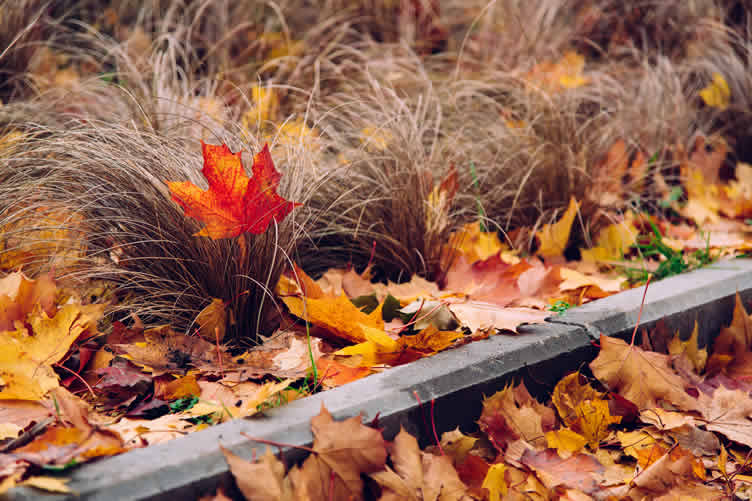
As temperatures begin to cool, fall is a time of transformation and preparation. Observe the behavior of deciduous trees and perennial plants as they lose leaves or enter dormancy.
Pay attention to the yield of your harvest crops and make assessments about plant performance. This season is perfect for planting bulbs for spring blooms and mulching to protect the soil over winter. Take advantage of this time to reflect on what worked well throughout the warmer months.
-
Winter
During winter, your garden might seem lifeless, but it is crucial to carry out assessments even in the cold. Evaluate the structure of your garden, noting any damage from snow or ice and identifying areas needing improvement.
Observe the effects of winter winds on exposed plants and consider strategies for windbreaks. Take this downtime to plan for next season, creating a vision for what you wish to grow and how to enhance your garden’s design for the coming year.
copyright image by 123rf.com

-
-
-
ideas to view and compare from the information discussed above
Scroll up to directory … or scroll to next section about give your garden a new life …

second “photo remodeling” idea

copyright image by 123rf.com
Garden Tip 2: Create a List and Space
Notes:
-
Once you’ve observed your garden throughout the seasons, it’s time to get organized. Creating a list of your ideas and desires for your garden is a great starting point. Consider what features you want to include, such as flower beds, vegetable patches, or seating areas. Having a clear vision will guide your renovation efforts.
Assessing your garden’s current layout is equally important. Identify any clutter or unused elements that can be removed to make way for new developments. Optimize your space by considering vertical gardening solutions or tiered planting to maximize the area available to you.
A well-organized plan is essential for bringing your garden dreams to fruition. By prioritizing ideas and allocating space efficiently, you ensure that your garden renovation is both practical and inspiring, setting the stage for a delightful outdoor retreat.
-
Quick scroll to “space planning” side notes …
-
-
1st: Steps to Assess Your Current Space
Assessing your current garden space is a critical first step in the renovation process. This evaluation not only helps you understand what is working well but also highlights areas that may require improvement.
By following a structured assessment process, you can effectively identify your garden’s strengths and weaknesses.
This section will review each step necessary to thoroughly evaluate your outdoor area, enabling you to make informed decisions as you plan for a more vibrant and functional garden.
- Take Measurements:
Begin by measuring the dimensions of your garden space, noting the length and width of each area. This will provide a solid foundation for planning. - Create a Visual Map:
Draw a simple map of your garden layout, marking key features such as existing plants, structures, pathways, and any problematic areas. This visual representation will help you identify the overall spatial dynamics. - Evaluate Plant Health:
Examine the condition of your plants and trees. Determine which ones are thriving, which may need relocation or replacement, and any that require immediate attention due to disease or pests. - Identify Sunlight and Shade Areas:
Spend time observing how sunlight moves through your garden throughout the day. Note areas that receive full sun, partial shade, or full shade, as this will influence your plant selection. - Observe Water Drainage:
After rainfall, pay attention to how water drains in your garden. Identify any areas that retain water and look for potential solutions to improve drainage. - Consider Accessibility:
Assess the ease of movement within your garden. Make note of the accessibility to different areas, including paths and entrances, and think about how to improve the flow and navigate around your garden. - Look for Opportunities:
Finally, identify spaces that are underutilized or could serve a new purpose, such as installing seating areas, new plant beds, or decorative features that enhance the overall enjoyment of your garden.

copyright image by 123rf.com
- Take Measurements:
-
-
ideas to view and compare from the information discussed above
book: landscape architecturelandscape design softwarelandscape design notebook
Scroll up to directory … or scroll to next section about give your garden a new life …
May We Suggest Other Photo Remodeling Ideas About
“Interior Home Upgrades …” (new win)


third “photo remodeling” idea

copyright image by 123rf.com
Garden Tip 3: Don’t Chop Down Your Trees Yet
Notes:
-
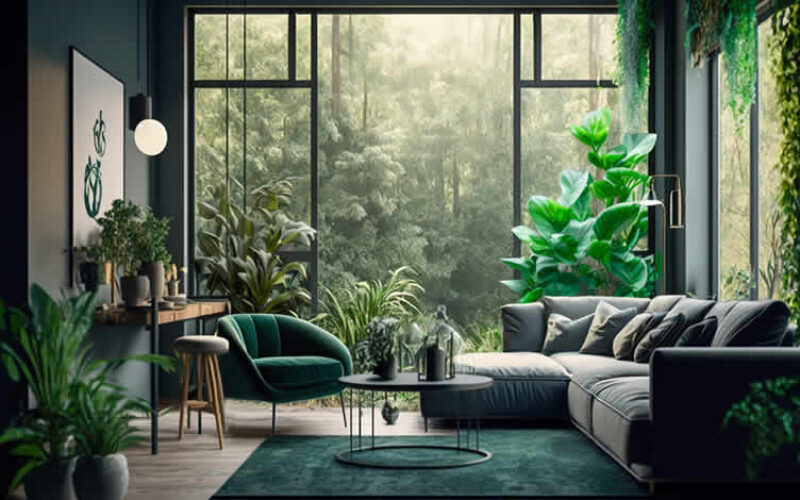
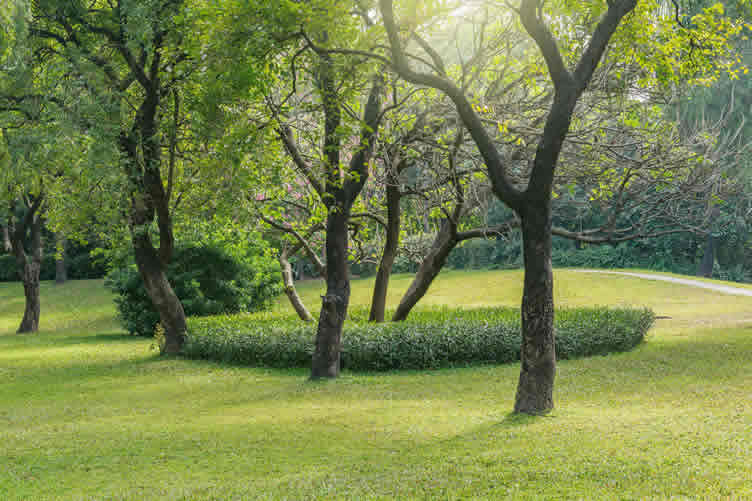
Mature trees are often seen as obstacles during garden renovations, but they hold significant value. Before reaching for the chainsaw, consider the benefits these trees offer. They provide shade, reduce erosion, and contribute to the ecological balance of your garden. Preserving them can be a wise decision.
Instead of removing trees, think about how they can enhance your garden design. Use them as focal points or create shaded seating areas beneath their canopies. Their presence can add character and depth to your garden landscape, making it more visually appealing.
Remember, trees are long-term investments in your garden’s health and beauty. By preserving them, you not only maintain the ecosystem but also add a touch of grandeur and elegance that cannot be easily replicated.
-
Quick scroll to “using trees” side notes …
-
-
1st: How to Use Existing Trees in Your Garden Plan
Incorporating existing trees into your garden landscaping plan can enhance aesthetics while providing various functional benefits. Rather than viewing them as burdens, you can leverage their presence to improve the visual appeal and usability of your outdoor space.
Here are several strategies to effectively integrate existing trees into your garden design.
-
1. Create Natural Shade Areas
Utilizing the shade cast by mature trees can significantly improve the comfort and usability of your garden. Position seating or dining areas beneath the canopy to provide a cool retreat on hot days.
You can also incorporate outdoor furnishings that complement the natural scenery, creating an inviting environment for relaxation and gatherings.
-
2. Establish Focal Points
Mature trees can serve as stunning focal points within your garden landscape. Emphasize their stature by designing plant beds or pathways that draw the eye towards the tree.
Consider adding decorative elements like benches or sculptures nearby, allowing the tree to stand out as a central feature while enhancing its surrounding area.
-
3. Enhance Wildlife Habitat
Existing trees can be valuable habitats for local wildlife, contributing to the biodiversity of your garden. By planting flowering or fruiting plants nearby, you can attract birds, butterflies, and beneficial insects, creating a lively ecosystem.
Choose plants that thrive in the shade of the tree to promote a harmonious balance within the landscape.
-
4. Use Trees for Vertical Interest
Incorporate climbing plants along the trunk or branches of mature trees to add vertical interest and lush greenery to your garden.
Vines such as clematis or climbing roses can create a beautiful natural curtain, softening the tree’s appearance while bringing more color to the surrounding area. This approach not only enhances visual appeal but also maximizes the use of available space.
-
5. Design Seasonal Displays
Consider how existing trees change with the seasons and incorporate complementary plants that highlight these changes. For example, you might plant spring-flowering bulbs at the base of the tree or choose under-story plants that showcase their vibrant hues in the fall.
By planning for seasonal variations, your landscape can remain dynamic and engaging throughout the year.
copyright image by 123rf.com
-
-
2nd: How to Use "New" Trees in Your Garden Revival
Incorporating trees into your garden landscaping plan can dramatically transform the aesthetic and functional aspects of your outdoor space. Trees provide structure, shade, and a habitat for wildlife, while their varied shapes and sizes add visual interest throughout the seasons.
By thoughtfully selecting and positioning trees, you can create a harmonious balance in your garden design that enhances both its beauty and utility.
-
1. Create Vertical Interest
Trees can add verticality to your landscape, breaking up flat expanses and drawing the eye upward. Consider using taller species as focal points to anchor your garden or to create a sense of enclosure around seating areas.
Large trees can create dramatic silhouettes against the sky, establishing a striking backdrop for other plantings.
-
2. Provide Shade and Comfort
Strategically placed trees can offer much-needed shade, making your garden more comfortable during hot summer months. This not only improves the usability of outdoor spaces but also protects other plants from the harsh sun.
Look for tree varieties with broad canopies to maximize shaded areas, and consider situating seating or dining areas beneath these trees for a pleasant retreat.
-
3. Enhance Privacy
When strategically located, trees can serve as natural privacy screens, blocking out unwanted views and creating secluded areas for relaxation. Dense evergreen trees are particularly effective for year-round privacy, while deciduous trees can provide a seasonal barrier.
Planting trees in clusters can create a lush wall of foliage, ensuring a more intimate atmosphere in your garden.
-
4. Support Wildlife
Incorporating trees into your garden landscape can support local wildlife by providing habitats and food sources. Consider planting native tree species that attract birds, insects, and other beneficial wildlife.
This not only enhances the ecological value of your garden but also enriches your outdoor experience through increased biodiversity.
-
5. Frame Views
Trees can be used to frame specific views or focal points within your landscape. Use them to draw attention to architectural features, garden ornaments, or beautiful vistas.
By positioning trees on either side of a pathway or at the end of a vista, you can create a dramatic and inviting perspective that enhances the overall flow of your garden.

copyright image by 123rf.com
-
-
-
ideas to view and compare from the information discussed above
book: tree maintenancetree trimming toolstree support stakes
Scroll up to directory … or scroll to next section about give your garden a new life …

addressing how to give your garden a new life and other home improvement needs …

… grab this directory of ideas for future use

fourth “photo remodeling” idea

copyright image by 123rf.com
Garden Tip 4: Pick Which Plants You Want To Keep
Notes:
-
When revamping your garden, it’s crucial to evaluate which existing plants you want to keep and which ones may need to be removed. Begin by assessing the health and condition of each plant.
Look for signs of disease, pest infestations, or poor growth, as these can indicate that a plant may not be worth maintaining. Also, consider the seasonal appeal of your plants; those that provide visual interest year-round may be more valuable to keep than those that only flower briefly.
Next, think about the overall design and theme of your garden. Certain plants may clash with the new vision you have or may not thrive in the conditions you wish to create.
Take note of plants that might be overcrowded or compete for light, as these may be prime candidates for removal. Finally, if a particular plant has sentimental value or is a native species, you might decide to keep it, even if it doesn’t fit perfectly into the new plan.
If you lack soil for planting, think about purchasing flower pots to place throughout your garden.
-
Quick scroll to “garden plants” side notes …
-
-
1st: How to Choose Plants Wisely
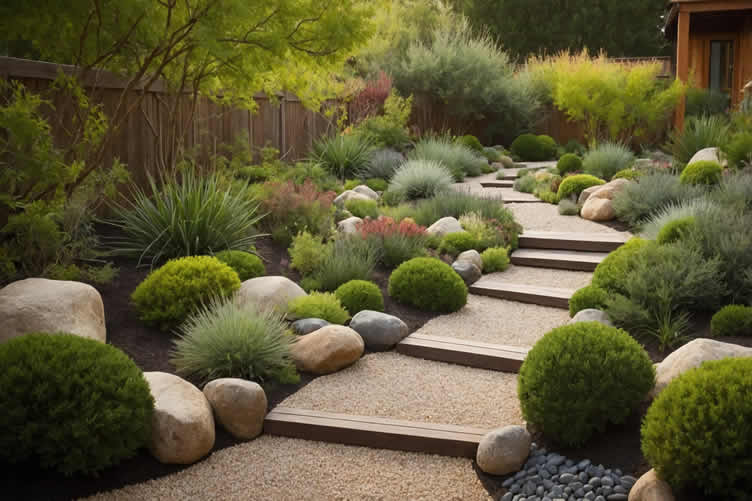
The success of your garden depends heavily on selecting the right plant species. Choose plants that are well-suited to your climate and soil conditions to ensure healthy growth and minimal maintenance. It’s essential to research native species that thrive in your region as they are adapted to local conditions.
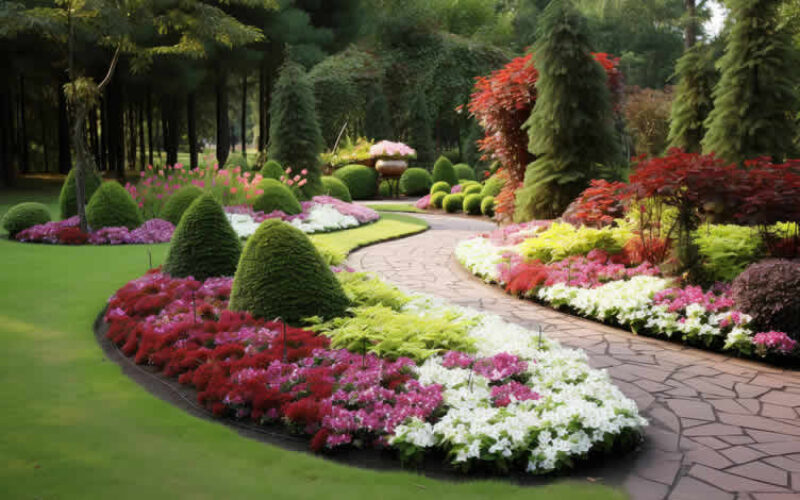
Consider the aesthetics of your garden when choosing plants. Opt for a mix of tall and short, leafy and flowering varieties to create visual interest. Pay attention to blooming times to ensure that your garden has color and texture throughout the year.
Integrating diverse plant species not only enhances the beauty of your garden but also supports biodiversity. By choosing plants wisely, you create a robust ecosystem that offers habitat for beneficial insects and wildlife.
Below is a curated list of suitable plants, segmented into different categories to guide you in creating a diverse and thriving garden.
-
Perennials
Perennials are remarkable plants that return year after year, offering long-lasting beauty and vibrancy to any garden. Unlike annuals, which must be replanted each season, perennials establish deep roots and can thrive over multiple years.
They provide consistent color and texture throughout the seasons, making them a staple in any garden design. With a wide variety of species available, they can bloom at different times, ensuring that your garden remains visually appealing and full of life from spring through fall.
- Example:
Echinacea (Coneflower) – This hardy plant thrives in various soil types and attracts pollinators, adding both beauty and biodiversity. - Example:
Astilbe – Known for its feathery plumes of flowers that bloom in shades of pink, red, white, and purple, Astilbe is a fantastic choice for adding texture and color to shaded areas of the garden. - Example:
Peony – Known for their large and fragrant blooms, peonies are a popular perennial choice for adding color and elegance to any garden.
- Example:
-
Annuals
Annuals are plants that complete their entire life cycle within a single growing season. This unique characteristic allows for a great deal of flexibility in your garden design, as you can easily change your plant selections each year to keep things fresh and exciting.
These versatile plants can be strategically used to fill gaps in your garden, add splashes of color, and create vibrant displays that draw the eye.
With countless varieties available, annuals can also provide a range of textures and forms, making it easy to experiment with different combinations and styles to enhance the overall beauty of your outdoor space.
- Example:
Calendula – With bright, cheerful blooms, these are easy to grow and ideal for adding color throughout the season. - Example:
Marigold – Marigolds are beloved for their vibrant orange and yellow flowers, bringing warmth and cheer to any garden. - Example:
Pansies – These popular annuals come in a variety of colors, making them perfect for adding pops of bright hues to your garden design.
- Example:
-
Succulents
Succulents are a fantastic choice for gardeners looking to incorporate low-maintenance yet striking plants into their designs. Known for their fleshy, drought-resistant leaves, these plants come in a variety of shapes, sizes, and colors, adding unique textures and visual interest to any garden.
They thrive in well-drained soil and can easily adapt to various conditions, making them perfect for rock gardens or sunny spots.
- Example:
Sedum – Sedums display fleshy leaves and produce clusters of star-shaped flowers, making them an excellent addition for adding both greenery and beauty to your garden space. - Example:
Agave – With its spiky and architectural form, agaves add a unique touch to any garden. These plants come in various sizes, from small rosettes to large architectural succulents, making them versatile for different garden designs. - Example:
Aloe – This succulent is not only visually appealing but also has medicinal properties as the sap can be used to treat minor burns and cuts.
- Example:
-
Climbing Plants and Vines
Incorporating climbing plants and vines into your garden design can add vertical interest and create a lush, layered look. These plants are perfect for trellises, arbors, and fences, transforming otherwise blank spaces into vibrant focal points.
- Example:
Sweet Pea – This fragrant annual vine produces beautiful, delicate flowers in a variety of colors. Ideal for a trellis or garden gate, sweet peas not only add beauty but also a delightful scent to your outdoor space. - Example:
Wisteria – Known for its stunning cascading clusters of flowers, wisteria can create a dramatic visual effect when grown on structures. This hardy vine can provide shade as well as a lush backdrop, attracting pollinators while adding elegance to your garden. - Example:
Virginia Creeper – A native vine that showcases brilliant red foliage in the fall, Virginia creeper is an excellent choice for covering walls or fences. Its adaptability and ability to thrive in various conditions make it a practical and attractive option.
- Example:
-
Ornamental Grasses
Incorporating ornamental grasses into your garden will significantly enhance its texture and movement, creating a lively and dynamic atmosphere. These versatile plants come in various heights, colors, and shapes, allowing you to choose the perfect varieties to complement your existing landscape.
They can provide a soft contrast to flowering plants, adding depth and interest to your garden design. Additionally, ornamental grasses sway beautifully in the breeze, bringing a sense of serenity and grace.
Their low-maintenance nature makes them an excellent choice for both novice and experienced gardeners, ensuring your garden remains stunning with minimal effort.
- Example:
Miscanthus sinensis (Maiden Grass) – This tall grass creates a striking visual effect and sways beautifully in the breeze. It also offers a range of foliage colors, from green and silver to red and gold. - Example:
Carex (Sedge) – With over 2,000 species to choose from, Carex is incredibly versatile and can add texture and interest to any garden. Some varieties also produce colorful blooms or berries. - Example:
Pennisetum (Fountain Grass) – This ornamental grass features fluffy plumes that resemble fountains, providing a unique focal point in your garden design.
- Example:
-
Shrubs
Shrubs play a crucial role in providing structure and form to gardens, often serving as the backbone of landscape designs. They can create beautiful backdrops, define spaces, and add depth to any outdoor area.
When choosing shrubs, it’s beneficial to select a variety that will bloom at different times throughout the seasons. This approach ensures that your garden maintains visual interest year-round, with vibrant colors and textures that change with each season.
Additionally, consider the height, shape, and foliage of the shrubs to create a dynamic and layered effect in your landscape.
- Example:
Hydrangea – Known for their large blooms that change color, hydrangeas can add drama and elegance to your garden. They come in a range of varieties, including mophead, lacecap, and panicle. - Example:
Rhododendron – These evergreen shrubs produce vibrant clusters of flowers in shades of pink, purple, and white. They also offer year-round foliage that adds texture and interest to your garden. - Example:
Boxwood – This classic shrub is known for its dense, compact form. It’s often used as a hedging plant or topiary due to its ability to be pruned into various shapes and sizes.
- Example:
-
Ornamental Trees
Planting ornamental trees significantly enhances vertical interest in your garden, adding dimension and depth to your outdoor space. These trees serve as beautiful focal points, drawing the eye and creating a sense of structure.
With their seasonal changes, ornamental trees offer stunning displays throughout the year, from vibrant blossoms in spring to rich foliage in summer, followed by the warm hues of autumn leaves and the sculptural beauty of bare branches in winter.
By incorporating these trees, you can create a dynamic landscape that evolves with the seasons, providing constant visual interest and beauty.
- Example:
Japanese Cherry Blossom – With their enchanting pink flowers in spring, these trees provide a breathtaking view and are perfect for small gardens. They also offer stunning fall foliage, making them a popular choice for year-round interest. - Example:
Magnolia – These trees are famous for their large, fragrant flowers that bloom in early spring. They come in various colors and sizes, making them versatile and suitable for any garden. - Example:
Japanese Maple – Known for their delicate leaves and vibrant autumn foliage, these trees add a touch of elegance to any landscape. With their slow growth rate, they can also be grown in containers or small gardens.
- Example:
-
Ground Covers
Ground covers are essential for suppressing weeds and providing a lush carpet of greenery in gardens and landscapes. These low-growing plants not only help to crowd out unwanted weeds, reducing the need for chemical herbicides, but they also play a vital role in improving soil quality by preventing erosion and retaining moisture.
Additionally, many ground covers have beautiful foliage and vibrant flowers, adding visual appeal and enhancing the overall aesthetic of outdoor spaces. By choosing the right ground covers, gardeners can create a stunning and sustainable environment that promotes healthy growth and biodiversity.
- Example:
Creeping Thyme – This low-growing herb is fragrant and drought-resistant, making it an excellent choice for sunny areas. It also produces small purple flowers in summer, adding a pop of color to the garden. - Example:
Hostas – These shade-loving plants have large, leafy foliage in various shades of green and blue. They are easy to care for and can tolerate moist soils, making them perfect for areas with high levels of moisture. - Example:
Ajuga – With its dark, glossy leaves and vibrant blue-purple flowers, this ground cover is both visually appealing and low maintenance. It does well in shady areas and can even handle light foot traffic.
- Example:
-
Native Plants
Native plants are uniquely well adapted to the local environment, thriving in the specific conditions of their region, such as soil type, climate, and moisture levels. These plants can significantly enhance your garden by providing a natural habitat for native wildlife and beneficial insects, such as bees and butterflies, which are essential for pollination.
Additionally, native plants often require less water and maintenance compared to non-native species, making them an environmentally friendly choice that promotes biodiversity and supports the local ecosystem.
By incorporating native flora into your garden, you not only create a beautiful landscape but also contribute to the health of the environment.
- Example:
Black-eyed Susan – This hardy perennial blooms summer through fall and is perfect for pollinator gardens, giving your garden a new life. Its bright yellow and black center flowers are a favorite among bees and butterflies. - Example:
Eastern Redbud – This ornamental tree is known for its beautiful pink or purple blossoms in early spring, making it a stunning addition to any garden. It also provides food and shelter for birds and small mammals.
- Example:
-
Other
Consider incorporating other unique plants to add special character and charm to your garden. These may include unusual varieties, such as exotic succulents or rare ferns, as well as heirloom flowers that have fascinating histories and reflect your personality and taste.
Selecting plants with vibrant colors, interesting textures, or distinctive shapes can create a visually stunning landscape that stands out. Additionally, think about choosing plants that attract local wildlife, such as butterflies and hummingbirds, to further enhance the beauty and life of your garden.
- Example:
Foxglove – With their tall spires and tubular blooms, foxgloves can add a touch of whimsy and attract hummingbirds to your garden. They come in a variety of colors, including pink, purple, and white.
- Example:
copyright image by 123rf.com
-
-
-
ideas to view and compare from the information discussed above
Scroll up to directory … or scroll to next section about give your garden a new life …


get the size dimensions for any home remodeling project …

… for functionality, aesthetics, and adhering to building codes


… ornamental grasses in your landscape design

fifth “photo remodeling” idea

copyright image by 123rf.com
Garden Tip 5: Revive Your Lawn
Notes:
-
A lush, green lawn is often the centerpiece of a garden, and revitalizing it can significantly enhance your outdoor space. Begin by assessing the health of your grass and addressing any underlying issues such as soil compaction or pest infestation.
Regular lawn care practices, including aeration, mowing, and fertilization, will keep your grass healthy and vibrant. Consider overseeding to fill in bare patches and improve density. Choosing the right grass variety for your climate can also make a significant difference.
By investing time in lawn care, you create a vibrant backdrop for your garden. A well-maintained lawn enhances the overall aesthetic and provides a versatile space for relaxation and recreation.
-
Quick scroll to “reviving lawn” side notes …
-
-
1st: Creating the Perfect Lawn
Achieving a perfect lawn requires careful attention to detail and a commitment to consistent care. A lush, well-maintained lawn not only enhances the aesthetic of your outdoor space but also provides a welcoming environment for family and guests.
Below are essential steps to guide you through the process of transforming your lawn into a stunning green oasis.
-
Assessing and Preparing the Soil
Before laying the groundwork for a perfect lawn, it’s crucial to assess the quality of your soil. Conduct a soil test to identify pH levels and nutrient content.
Based on the results, you may need to amend the soil with compost, lime, or fertilizers to create optimal conditions for grass growth. Clearing debris, rocks, and weeds will also provide a clean canvas for your lawn.
-
Choosing the Right Grass Variety
Selecting the appropriate grass type is essential for a thriving lawn. Consider your local climate, sun exposure, and the intended use of your lawn when making your choice.
Cool-season grasses, like Kentucky bluegrass, thrive in northern climates, while warm-season varieties, such as Bermuda grass, are ideal for southern areas.
Researching the benefits of various grasses will help you make an informed decision.
-
Establishing Proper Watering Practices
Watering is a critical component of lawn care. It’s best to water deeply and infrequently, encouraging grass roots to grow deeper into the soil.
Aim for about one to two inches of water per week, adjusting based on rainfall and humidity levels. Early morning is the ideal time for watering, as it reduces evaporation and fungal diseases.
-
Lawn Maintenance Routine
Developing a consistent maintenance routine will keep your lawn looking its best. Regular mowing is essential to promote healthy growth and prevent weeds.
Furthermore, introduce fertilization schedules based on the specific needs of your grass type and season. Aeration, done annually, helps alleviate soil compaction and improves nutrient absorption.
-
Managing Weeds and Pests
To maintain a pristine lawn, it’s vital to control weeds and pests proactively. Employ mulching and handpicking for weed management, while chemical options can be used selectively if necessary.
For pest issues, identify the problem accurately and choose targeted treatments, including beneficial insects or organic methods, to protect your lawn’s health.

copyright image by 123rf.com
[ pinterest: lawn revival ]
[ youtube: how to grow a lawn from scratch ]
-
-
2nd: Choosing the Best Lawn Grass: Regional Insights
Selecting the right type of grass for your lawn is essential to ensure a thriving outdoor space tailored to your specific region.
The climate, soil type, and daily temperature fluctuations all influence grass growth, so understanding which varieties are best suited for your area can give your garden a new life.
Below, we delve into the best grass types for various regions across the United States, ensuring that your lawn remains lush and healthy.
-
Northern Regions
Cool-season grasses thrive in the northern regions where temperatures are milder. Kentucky bluegrass is a popular choice due to its rich color and lush texture; it establishes deep roots and can withstand the colder winters.
Perennial rye grass is another excellent option, known for its quick germination and ability to establish a beautiful lawn quickly, giving your garden a new life in the springtime.
-
Mid-Atlantic Regions
The Mid-Atlantic experiences diverse weather, making a blend of cool and warm-season grasses ideal. Tall fescue is particularly well-suited, offering drought resistance and adaptability to various soil conditions.
This grass maintains its vibrant green color throughout the growing season, allowing your lawn to remain visually appealing and promote healthy growth.
-
Southern Regions
In the warmer southern regions, warm-season grasses dominate. Bermuda grass is a standout choice, providing a hearty, durable lawn that can withstand high temperatures and foot traffic.
Its fast growth encourages a thick, green carpet, giving your garden a new life during the hot summer months. Zoysia grass also performs well in these areas, offering a soft texture and resistance to pests.
-
Midwestern Regions
The Midwest benefits from a blend of both cool and warm-season grasses, but Kentucky bluegrass reigns supreme for its resilience and lush appearance.
However, for sunnier areas, fescue varieties like tall fescue adapt well, providing a sturdy lawn that thrives even in heat. Incorporating either of these grasses will not only give your garden a new life but also ensure its long-term health.
-
Rocky Mountain Regions
In the Rocky Mountain regions, where altitude and climate can vary greatly, it’s essential to choose grass types that can endure both cooler temperatures and dry conditions.
Kentucky bluegrass remains a top choice, but fine fescue varieties excel as well, offering great drought tolerance and establishing well in rocky or sandy soils.
-
Southwestern Regions
Warm-season grasses excel in the arid climate of the Southwestern regions. Buffalograss is a highly drought-resistant option that thrives in dry conditions while maintaining a vibrant green appearance.
This type of grass not only adds visual appeal to your landscape but also encourages sustainability by requiring less water, thereby giving your garden a new life while conserving resources.
By selecting the appropriate grass type for your location, you can ensure a lush lawn that complements your home and garden beautifully.

copyright image by 123rf.com
-
-
-
ideas to view and compare from the information discussed above
Scroll up to directory … or scroll to next section about give your garden a new life …
below for …
lawn revival and other garden needs


sixth “photo remodeling” idea

copyright image by 123rf.com
Garden Tip 6: Don’t Rush the Renovation
Notes:
-
Garden renovation is a process that demands careful planning and execution. Rushing through it can lead to costly mistakes and unsatisfactory results. Take a step-by-step approach, starting with foundational work like soil preparation and drainage improvements.
Once the groundwork is laid, proceed to plant installation and hardscaping elements. Be mindful of seasonal variations and plan tasks accordingly to ensure success. Remember, a well-thought-out renovation will yield rewards for years to come.
Patience and attention to detail are crucial during the renovation phase. By allowing adequate time for each step, you ensure that your garden transformation is seamless and stunning, culminating in a space that reflects your vision and dedication.
-
Quick scroll to “garden renovation” side notes …
-
-
1st: Understanding the Steps in a Garden Renovation
Successful garden renovation requires a structured approach to ensure that every detail is meticulously planned and executed. By breaking the process into specific steps, you can systematically enhance your outdoor space while minimizing errors.
Each phase of the renovation contributes to the overall functionality and aesthetic appeal of the garden. Below are the essential steps to guide you through the renovation journey.
-
Step 1: Assessment and Planning
Begin by evaluating your current garden layout, identifying areas that require changes or improvements. Take note of existing plants, structures, and features that you would like to keep or discard.
Developing a clear plan that outlines your vision, including design sketches and a list of necessary materials, will serve as a blueprint for your renovation.
-
Step 2: Soil Preparation
Healthy soil is the foundation of a thriving garden. Test your soil to determine its pH and nutrient levels, and amend it as necessary to create the optimal growing environment.
This step may involve removing debris, adding organic matter, and improving drainage to ensure that your plants have the best possible conditions for growth.
Step 3: Hardscaping
Before planting, focus on the hardscaping elements that will define the structure of your garden. This includes installing pathways, patios, fencing, and other features like retaining walls or raised beds.
Ensure that these elements complement the overall design and provide accessibility and functionality to your garden layout.
-
Step 4: Plant Selection and Installation
Choose plants that align with your design vision and the specific needs of your garden. Create a planting plan that includes positioning for each plant based on their sunlight requirements and mature size.
When ready, install your plants following best practices, such as digging appropriate-sized holes and ensuring proper spacing for healthy growth.
-
Step 5: Maintenance Plan
Once your renovation is complete, develop a maintenance plan that outlines ongoing care for your plants and garden features.
This should include regular watering, fertilizing, and pruning schedules, as well as pest management strategies. Consistent maintenance is key to keeping your garden looking vibrant and flourishing.

copyright image by 123rf.com
If you’re considering a comprehensive overhaul of your yarn and garden, here are some essential steps to keep in mind for a successful landscape renovation.
Step 1: Analyze the NumbersBefore you start any yard n’ garden landscaping – such as a swimming pool, patio kitchen, and other backyard landscaping, run some financial numbers to determine whether the landscaping is a smart investment.
The numbers include the estimated costs, home value assessment, financing costs, and other related calculations.
Review these cost-related issues to remodeling vs. buying a new home.
links to internal page (opens new win)
analyze the numbers estimate the cost of your project start assembling a budget get your home value Step 2: Collect IdeasThe 2nd step for planning your landscaping is deciding what you would like to do.
Will it be a –
- installing a swimming pool,
- building a play area with courts, playground, and other,
- redo your landscaping,
- build a deck or patio,
- install an outdoor kitchen and bar,
- start your own farm,
- or something else.
You can find other yard n’ garden ideas by referencing our landscape analysis and topic directories (opens new win)
view landscaping "ideas" directory view latest "topics" for yard ‘n garden Step 3: Plan the Needed SpecsStep 3 is sketching your ideas on paper (or digitally) and developing the spec plan.
The spec plan determines what type of yard n’ garden equipment and design considerations that will be needed. It will also contain the product specifications for each landscape element.
You will use the spec plan and architectural design to bid the project out to a contractor.
links to internal page (opens new win)
developing the spec plan sketch remodeling plan design considerations Step 4: Find a ContractorStep 4 is finding and negotiating the contract with a landscape contractor.
Give your landscaping ideas and specs to a contractor for review and bid analysis. Use the local network (aligned with HomeAdvisor) to find the right contractor for your project.
Review guides for contractor selection and negotiation.
links to internal page (opens new win)
search yard n’ garden contractors selecting your contractor checklist contractor negotiations contractor evaluation form Step 5: Financing Your ProjectStep 5 is arranging financing once you selected the contractor and finalized the contract for your project.
Using the equity value in your home is one of the best financing option for landscaping. Start with a home equity line of credit or use the bank equity program.
Other options may include cash-out refinancing, personal savings, and/or financing from home improvement contractors.
links to internal page (opens new win)
financing options getting qualified for financing negotiate rates Step 6: Manage the ProjectStep 6 is where the project begins.
It starts with setting up the work area, removing everything that needs to be replaced, installing electrical and network connections, putting in the final touches, etc.
It also means working with the contractor, managing the project, and getting the landscape project inspected before releasing any funds.
links to internal page (opens new win)
working with the contractor managing remodeling project about a home project inspections find home inspector -
-
-
ideas to view and compare from the information discussed above
Scroll up to directory … or scroll to next section about give your garden a new life …

plan the specifications you need for reviving your yard n’ garden …
… and other key home improvement and remodeling decisions
Find Landscaping/Maintenance Landscape Design Landscape Maintenance Pest Control Sprinkler Systems Tree & Shrubs Water Features top-rated, pre-screened local contractors FREE: download contractor selection enter zip code – powered by HomeAdvisor ™
Quick Contractor Guides selecting negotiating working with inspecting

seventh and last “photo remodeling” idea


copyright image by 123rf.com
Garden Tip 7: Have a Budget in Place
Notes:
-
Financial planning is a critical aspect of any garden renovation project. Establishing a budget helps you prioritize tasks and avoid overspending. Consider costs for plants, materials, labor, and unforeseen expenses when setting your budget.
Explore cost-saving options such as re-purposing materials or exchanging plants with fellow gardeners. DIY projects can also reduce costs while adding a personal touch to your garden. Keeping track of expenses ensures that your renovation stays within limits, allowing you to enjoy the process without financial stress.
A well-planned budget enables you to allocate resources effectively, ensuring that your dream garden becomes a reality without compromising on quality or creativity.
-
Quirk scroll to topic "implementing plan" side notes …
-
-
1st: Having the Right Tools To Work With
Transforming your garden can be an exciting endeavor, but having the right tools at your disposal makes all the difference.
Whether you’re planning to plant new flowers, create stunning landscapes, or even building a pathway, investing in quality tools will not only enhance your efficiency but also ensure that your hard work leads to spectacular results.
Below are essential tools that can help give your garden a new life.
-
Hand Trowel
A hand trowel is one of the most versatile tools in any gardener’s toolkit. Perfect for digging, planting, and removing weeds, this small yet mighty implement allows for precise work in tight spaces, whether you’re installing new plants or preparing soil.
Its durability and ergonomic design make it an essential tool for transforming and caring for your garden.
-
Pruning Shears
To rejuvenate your garden, pruning shears are indispensable. These tools help shape plants, remove dead or overgrown branches, and encourage healthy growth.
Regular pruning can significantly improve the appearance and vitality of your plants, allowing them to flourish in your newly revitalized garden.
-
Rake
A garden rake is essential for maintaining a tidy outdoor space. It not only helps to clear away debris like leaves and twigs, but it also prepares soil for planting by breaking up clumps and ensuring it’s well-aerated.
With a good rake, you can create the ideal foundation for giving your garden a new life.
-
Spade
When it comes to larger projects or rearranging the layout of your garden, a spade is your best friend. This robust tool is designed for digging, edging, and turning soil, making it perfect for any substantial landscaping tasks.
Having a spade on hand allows you to effectively shape your garden according to your vision.
-
Watering Can or Hose
Maintaining hydration is crucial for your garden’s success. A sturdy watering can or hose with a spray nozzle provides you with the means to keep your plants nourished and vibrant.
Whether you’re starting new seeds or caring for established flora, having the right watering tools will support your efforts in giving your garden a new life.
-
Wheelbarrow
Finally, for transporting soil, plants, or debris around your garden, a wheelbarrow is a must-have. This tool makes it easy to move heavy loads without strain, allowing you to work more efficiently.
With a wheelbarrow, you can manage the logistics of your gardening project, ensuring that everything from plants to tools is easily accessible as you breathe new life into your garden.
copyright image by 123rf.com
-
-
2nd: Budgeting for a Conservatory or All-Season Room
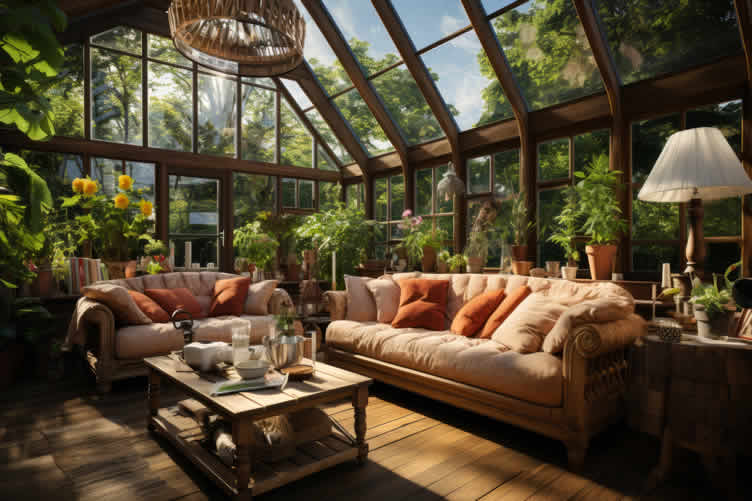
When planning to add a conservatory or all-season room to your garden space, careful budgeting is essential to ensure that your project remains both achievable and enjoyable.
First, outline the overall vision you have for the space, including size, style, and intended use. This will help refine your project scope and estimate costs accurately.
Key expenses to consider include construction materials, labor, heating and cooling systems, and additional features such as glazing options or decorative elements.
It’s wise to set aside a contingency fund of around 10-15% of your total budget to account for unexpected expenses that may arise during construction.
Researching suppliers and builders can lead to significant savings, and comparing quotes will help you make informed decisions. You may also explore financing options or phased building to spread costs over time.
Finally, remember to evaluate the long-term benefits of your investment; a well-planned conservatory or all-season room not only enhances your garden’s aesthetic appeal but can also contribute to your property’s value.
Note to use companies like CI Group to help insulate your conservatory or all-season room so it provides a more comfortable temperature to your property.

copyright image by 123rf.com

Budgeting Worksheet For Costing Home Remodeling and Home Improvement Decisions
 File Type (excel)
click here for budgeting worksheet -
3rd: What Type Of Contractor
While many of the concepts mentioned above can be tackled as DIY projects, you may require professional assistance for more complex changes, such as constructing a new patio, creating pathways, installing landscape lighting, or renovating outbuildings.
Hiring a professional landscaper or garden designer can alleviate the stress associated with these complex tasks, ensuring that your vision for your garden is executed properly. They bring expertise in design, horticulture, and project management, which can help streamline the process and prevent costly mistakes.
When searching for the right professional, consider reviewing their portfolio, reading customer testimonials, and asking for quotes to compare services and pricing.
Selecting someone who understands your style and preferences can make a significant difference in successfully reviving your outdoor space.
LetsRenovate has partnered with HomeAdvisor™, a renowned provider of highly-rated, carefully-vetted local contractors. Start your search here by choosing the type of yard n’ garden contractor you need and entering your zip code to find local professionals.

copyright image by 123rf.com
But Wait!
Before starting your search and evaluation of outdoor yard n’ garden contractors, it is highly recommended to download and use this evaluation worksheet.
This resource will help you objectively rank and assess potential contractors, considering essential factors such as pricing, licensing, and referral information.

Evaluation Sheet
File Type:
-
-
FINAL REMARKS
Transforming your garden into a vibrant and lively space is a rewarding endeavor that enhances your home’s appeal and your personal well-being. By following the steps outlined above, you can create a garden that flourishes year-round, offering endless beauty and enjoyment.
Share your garden renovation stories with us and inspire fellow enthusiasts to take on their own projects. Let’s cultivate a community of passionate gardeners dedicated to creating beautiful, sustainable outdoor spaces.
Remember, the key to a successful garden renovation lies in thoughtful planning, patience, and a love for nature’s wonders. Happy gardening!
-
ideas to view and compare from the information discussed above
- What comments can you share about
give your garden a new life?
Scroll up to directory … or scroll to more home remodeling-related topics …
view illustration “becoming a bank”

Calendar For:
Home Maintenance
File Type:


… view our sharing links below for a quick "share the knowledge"
Cover image credit: give your garden a new life by 123rf.com
end of post … please share it!
 |
did you find this give your garden a new life analysis helpful? If so, please share the article with your friends and family! |
Nice pic idea? Leave us a quick comment below.
And please share this pic idea within your social networks.