Summary Outline –
The decision to move toward a green energy home is not only a personal one but a part of a much larger, global movement. With increasing awareness of climate change and the need to reduce our carbon footprint, architects, engineers, and home builders worldwide are innovating and implementing sustainable designs and technologies.
However, you don’t need to start from scratch to join this revolution; existing homeowners have a unique opportunity to transform their houses into green energy havens even with small changes.
Summary of Site Content
1st Green Energy Tip: [view tip]
… … we initiate your transition to a “green” lifestyle by first grasping the fundamentals of a green energy home. This includes performing an energy assessment to identify potential improvements.
2nd Green Energy Tip: [view tip]
… the second section initiates the journey towards eco-friendly transformation, focusing on low cost-effective methods. This includes upgrading to LED light bulbs, ensuring doors and windows are properly sealed, and implementing additional measures derived from your home energy assessment.
3rd Green Energy Tip: [view tip]
… moving forward, the third section addresses additional budget-friendly strategies, focusing on minimizing household waste. It covers efficient water use, recycling, composting, and embracing digital solutions.
4th Green Energy Tip: [view tip]
… the fourth section delves into mid-budget conversion strategies, emphasizing the integration of home automation to lower energy usage. By utilizing smart thermostats, intelligent lighting, and various smart devices, it aims to streamline management and minimize consumption effectively.
5th Green Energy Tip: [view tip]
… the fifth section transitions to discussing high-budget remodeling choices aimed at enhancing energy efficiency. This includes upgrading outdated appliances, installing energy-efficient windows, and boosting home insulation.
6th Green Energy Tip: [view tip]
… the sixth section gets into investing in energy production sources for homes to reduce energy costs further and decrease reliance on external energy suppliers. It covers utilizing solar, wind, geothermal, and water harvesting techniques.
7th Green Energy Tip: [view tip]
… the seventh and final section completes the evolution of your green energy home by evaluating the benefits, addressing challenges, seeking assistance, and envisioning the future of sustainable living.
In the following comprehensive analysis, we will explore seven strategies for transforming your current home into a sustainable energy haven.
Starting with cost-effective measures and progressing to significant investments, these approaches aim to enhance both cost efficiency and environmental responsibility, ultimately achieving a truly green energy home.
- post content
- Green Tip 1: Understanding the Basics of a Green Energy Home
- Green Tip 2: Transitioning to a Green Energy Home on a Budget
- Green Tip 3: Reducing Wasteful Living Habits
- Green Tip 4: Home Automation as a Mid-Budget Green Energy Transition
- Green Tip 5: Upgrading Home Appliances and Structure Elements
- Green Tip 6: Investing in Green Energy Solutions
- Green Tip 7: The Evolution of Your Green Energy Home

-
Quick scroll to first topic about green energy home ideas …

first “green energy home” idea


copyright image by 123rf.com
Green Energy Tip 1: Understanding the Basics of a Green Energy Home
Notes:
-
To embark on creating a green energy home, it’s crucial to grasp the foundational components that contribute to energy efficiency and sustainability.
At its core, a green home focuses on four primary areas: energy conservation, reducing household waste, converting to energy-saving appliances, and incorporating green energy sources.
-
Energy Conservation
Energy conservation involves optimizing home energy use to reduce waste and increase efficiency. This can be achieved through a variety of methods, such as improving insulation, sealing leaks, and implementing smart home technologies that manage electricity consumption more effectively.
Simple changes, like switching to LED lighting and adopting energy-efficient practices, can significantly impact reducing a home’s overall energy demand.
-
Reducing Household Waste
An integral component of transforming your home into a green sanctuary involves minimizing the waste output. This can start with simple steps such as recycling plastics, metals, paper, and glass, as well as composting organic waste to enrich your garden soil.
Beyond recycling and composting, focusing on reducing consumption by choosing products with minimal packaging, re-purposing items instead of disposing of them, and donating unneeded goods can significantly lower the amount of waste a household produces.
Adopting a mindful approach to consumption not only contributes to a healthier planet but can also instill a sense of responsibility and awareness towards environmental conservation in household members.
-
Converting to Energy-Saving Appliances
Modern advances in technology have led to a new generation of appliances that use a fraction of the energy of their predecessors without sacrificing performance. When transitioning to a green energy home, it’s essential to prioritize the replacement of older, inefficient appliances with Energy Star-rated products.
These include refrigerators, washers, dryers, and HVAC systems designed for maximum efficiency, which can dramatically lower electricity bills and reduce your carbon footprint.
-
Incorporating Green Energy Sources
The heart of a green energy home lies in its ability to harness renewable energy sources. Solar panels are the most recognized and accessible option, converting sunlight into electricity to power your home. Other renewable sources include wind turbines, geothermal heating and cooling, and solar water heating systems.
By integrating these sources, homeowners can reduce their reliance on fossil fuels, contribute to a cleaner environment, and, in many cases, enjoy long-term savings through lower utility costs and government incentives for green energy adoption.
By focusing on these key areas, homeowners can take tangible steps towards creating a more sustainable and efficient living space. A green energy home not only benefits the environment but also offers a healthier and more cost-effective lifestyle for those who dwell within it.
-
-
Quick scroll to “home energy assessment” side notes …
-
-
1st: Assessing Your Home’s Energy Efficiency
To effectively transition to green energy, it’s crucial to first understand your current energy usage within your home. This means conducting a thorough examination of how energy is consumed in various aspects of your home life.
By closely analyzing your electricity bills, identifying energy-intensive appliances, and considering the times of day when energy consumption peaks, you can gain valuable insights.
These insights can then guide you in making informed decisions about where and how to implement green energy solutions, ensuring a more sustainable and energy-efficient home.
-
Conducting a Home Energy Audit
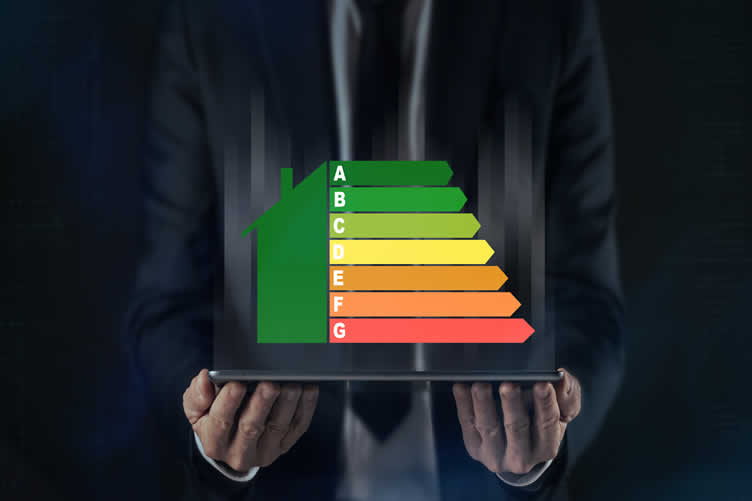
A home energy audit is a critical step towards understanding and improving your home’s energy efficiency. This process can help uncover the areas in your home that are losing energy and suggest the most effective measures to reduce your overall energy consumption. Here are key items to audit during this process:
- Insulation Levels:
Check the attic, walls, and floors adjacent to an unheated space, like garages, to ensure there’s adequate insulation to maintain your home’s temperature. - Windows and Doors:
Examine all windows and doors for leaks, drafts, or poor seals that could result in energy loss. Consider the benefits of double glazing or energy-efficient window replacements. - HVAC Systems:
Assess your heating, ventilation, and air conditioning systems. Older units often operate less efficiently than newer models designed with energy conservation in mind. - Water Heating:
Look at your water heating system to determine its efficiency and explore options like solar water heaters or tankless models that reduce energy use. - Lighting:
Evaluate the types of bulbs in use around your home. Switching to LED lighting can significantly cut energy consumption. - Appliances and Electronics:
Identify the age and efficiency rating of major appliances—refrigerator, dishwasher, washer, and dryer. Older, inefficient appliances can greatly increase your home’s energy usage. - Power Usage:
Use a smart meter or energy monitor to track your home’s electricity usage in real-time. Pay special attention to peak usage times and what might be causing these spikes.
By carefully assessing each of these areas, homeowners can identify specific changes that can lead to more significant energy savings and a reduction in their carbon footprint.
- Insulation Levels:
-
Identifying Energy-Guzzling Areas
To optimize your home for energy efficiency, pinpointing areas that consume excessive amounts of energy is crucial.
These energy-guzzling zones not only drive up your utility bills but also have a more significant environmental impact. Here are key areas typically identified as consuming a lot of energy:
- Heating and Cooling Systems:
Often the largest energy expense in a home, outdated or poorly maintained systems can be incredibly inefficient. - Water Heater:
Especially if set too high or if it’s an older model, can use a substantial amount of energy. - Refrigerator and Freezer:
Older models or units that are constantly opened and closed can use more energy than necessary. - Dryer and Washer:
Frequent use, especially on high settings, can lead to significant energy consumption. - Kitchen Appliances:
Ovens, dishwashers, and even coffee makers can add to your energy bill if they are used frequently or inefficiently. - Entertainment Systems:
TVs, game consoles, and computers, especially when left on standby, can cumulatively consume a lot of power.
Addressing these areas with energy-efficient practices and devices can substantially reduce your home’s energy consumption and environmental footprint.
- Heating and Cooling Systems:
copyright image by 123rf.com
[ view diagram: home energy audit worksheet ]
[ youtube: what to expect from home energy assessment ]

-
-
-
ideas to view and compare from the information discussed above
Scroll up to directory … or scroll to next section about green energy home ideas …

second “photo remodeling” idea
copyright image by 123rf.com
Green Energy Tip 2: Transitioning to a Green Energy Home on a Budget
Notes:
-
Transitioning your home to green energy doesn’t have to be a financial burden. Instead of diving straight into major renovations, which can be quite costly, there are several cost-effective strategies you can employ to significantly reduce energy consumption and move towards a more sustainable lifestyle.
These can include simple actions like switching to LED light bulbs, installing a smart thermostat to better control heating and cooling, or even adopting more mindful energy usage habits around the house.
Each of these steps can contribute to not only lowering your energy bills but also reducing your overall environmental footprint, making them an excellent starting point for anyone looking to make their home more eco-friendly without breaking the bank.
-
Quick scroll to “low-budget green solutions” side notes …
-
-
1st: Making the Switch to LED Light Bulbs
One of the most accessible and impactful steps toward a green energy home is replacing conventional incandescent light bulbs with energy-efficient LED bulbs. LEDs use at least 75% less energy and last 25 times longer than incandescent lighting, according to the U.S. Department of Energy.
This switch not only contributes to significant energy savings but also reduces the frequency of bulb replacements, thus saving money in the long run.
On average, switching to LED lighting can save a household about $225 in energy costs per year. While the upfront cost of replacing your existing bulbs with LED bulbs may be high, the long-term savings and environmental benefits they offer make them an essential investment for anyone looking to reduce their energy consumption and environmental impact.
This simple change is a practical and budget-friendly step that can set the foundation for a more extensive green energy transition in your home.
copyright image by 123rf.com
-
2nd: Incorporating Smart Power Strips
Another effective measure to enhance your home’s energy efficiency is the integration of smart power strips with your electronic devices. Many household appliances and gadgets continue to draw power even when they’re turned off, a phenomenon known as phantom load.
Smart power strips combat this issue by shutting down power to devices that go into standby mode, effectively cutting off any passive energy consumption.
By using smart power strips for your home entertainment systems, computer setups, and even kitchen appliances, you can significantly reduce unnecessary power usage.
This is not only beneficial for the environment by decreasing overall energy demand but also reflects positively on your energy bills. The U.S. Department of Energy estimates that cutting phantom load can save the average household up to $100 annually.
Although the savings might seem modest compared to other energy-saving measures, when combined with other strategies like switching to LED lighting, the impact on both your wallet and the planet can be substantial.

copyright image by 123rf.com
[ view diagram: electronics energy consumption ]
[amazon: smart power strips ]
-
3rd: Sealing Doors and Windows
Another crucial step in making your home more energy-efficient involves addressing drafts through doors and windows. Unwanted air leakage can be a significant source of energy loss, forcing heating and cooling systems to work overtime and unnecessarily increasing energy consumption.
By sealing these leaks with weatherstripping or caulking, you can maintain a more consistent indoor temperature, leading to a more comfortable living environment and lower energy bills.
The U.S. Department of Energy reports that sealing uncontrolled air leaks can save homeowners up to 10% to 20% on their heating and cooling bills. This improvement not only reduces the environmental impact of excess energy use but also enhances the overall comfort and air quality inside your home.
Considering the relatively low cost of weatherstripping and caulking materials, this is one of the most cost-effective energy-saving measures homeowners can implement.

copyright image by 123rf.com
[ youtube: caulk around windows for energy savings ]
[amazon: window and door sealant ]
-
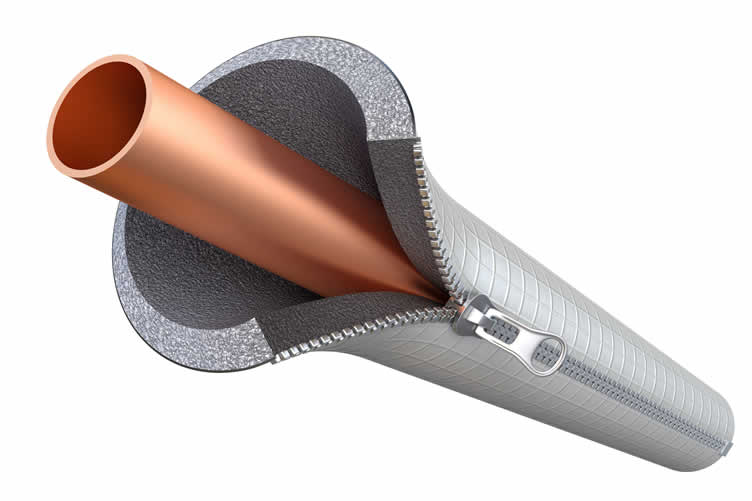
4th: Pipe Insulation for Energy Efficiency
One often overlooked aspect of home energy efficiency is the insulation of pipes. Insulating hot water pipes reduces heat loss as water travels from your heater to faucets or showers, allowing for lower water temperatures and energy savings.
This simple measure can significantly decrease the cost of heating water by ensuring that less energy is needed to maintain the desired temperature.
-
Enhancing Home Insulation
Improving the insulation in your home retains heat during colder months and keeps the interior cool in warmer months, significantly reducing the demand on heating and cooling systems. This not only conserves energy but also contributes to a more stable and comfortable indoor climate.
The Environmental Protection Agency’s ENERGY STAR program estimates that adding insulation in attics, crawl spaces, and basement rim joists can save homeowners up to 15% on heating and cooling costs, or an average of 11% on total energy costs.
View our discussion below on the significant benefits of enhancing your home insulation:
[ see topic below: improving home insulation ]
copyright image by 123rf.com
[ youtube: how to insulate pipes ]
[amazon: pipe insulation ]
-
-
-
ideas to view and compare from the information discussed above
book: home weatherizationwindow insulation kitdoor sealant strip
Scroll up to directory … or scroll to next section about green energy home ideas …
 … grab this directory of ideas
LED light bulbs

May We Suggest Other Photo Remodeling Ideas About
“Home Utility Management …” (new win)


third “photo remodeling” idea
copyright image by 123rf.com
Green Energy Tip 3: Reducing Wasteful Living Habits
Notes:
-
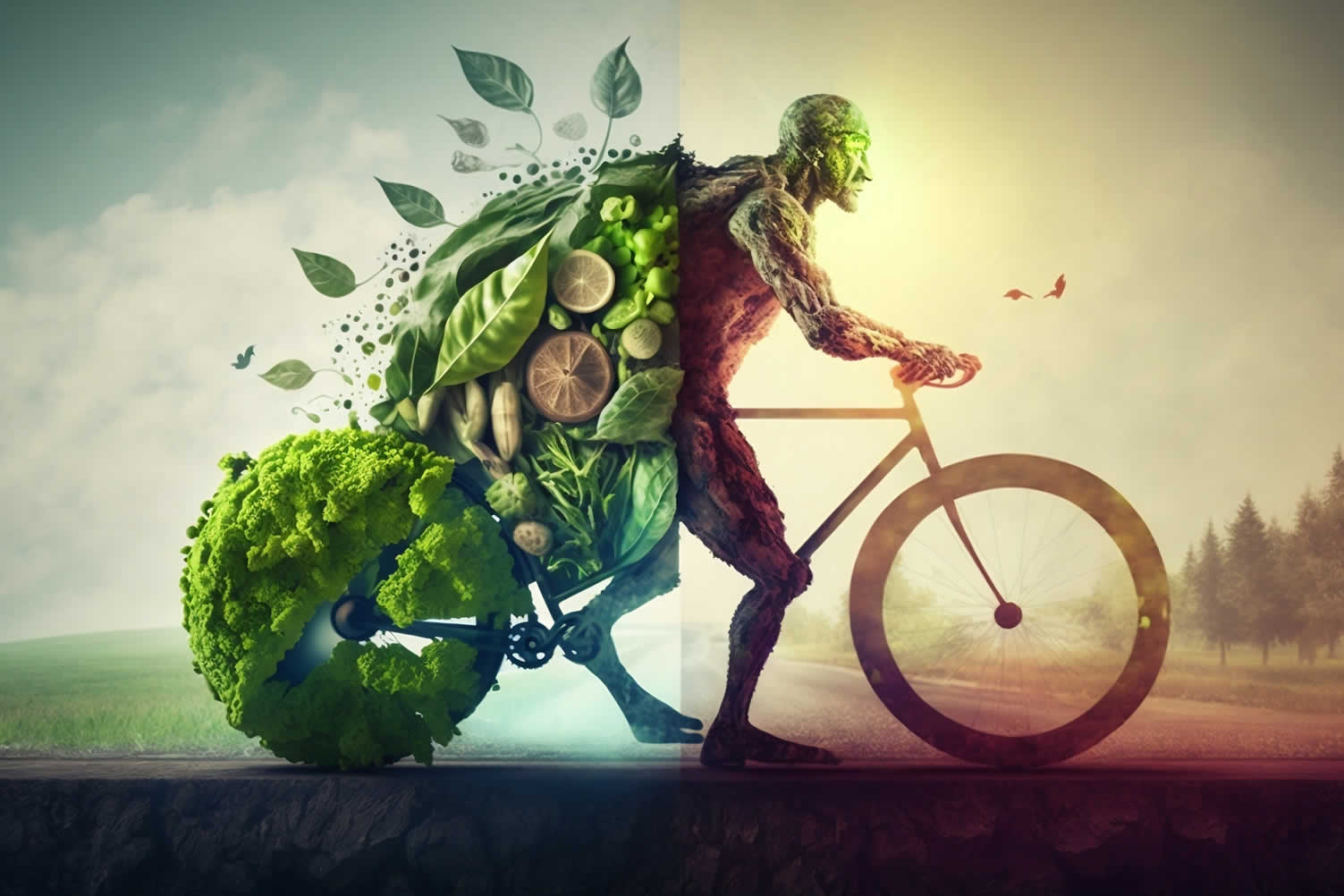
Transitioning to a green energy home involves more than just upgrading to energy-efficient devices; it also requires a conscientious effort to minimize wasteful living habits. Focusing on everyday practices can significantly lower your environmental impact and support sustainable living goals.
Some of these wasteful habits are simple to implement and again won’t break the budget as you transition to a green energy home
-
Quick scroll to “reducing waste as low-budget initiative” side notes …
-
-
1st: Minimizing Water Usage at Home
Reducing water usage is a crucial step in creating a greener, more sustainable home. It not only helps conserve a precious natural resource but can also lead to significant savings on your water bill.
Adopting simple yet effective habits and making minor adjustments to your daily routine can make a big difference in your overall water consumption. Here are practical steps to reduce water usage at home:
- Fix Leaks Promptly:
A dripping faucet or a leaking toilet can waste a significant amount of water over time. Regularly check your plumbing for leaks and repair them promptly to prevent water wastage. - Install Low-Flow Fixtures:
Consider replacing your showerheads and faucets with low-flow models. These fixtures use less water per minute than standard models, significantly reducing water usage without affecting water pressure. - Use Water-Efficient Appliances:
When it’s time to replace your washing machine or dishwasher, opt for models that are designed to minimize water use. Look for the ENERGY STAR label, which indicates the appliance meets energy efficiency and water savings standards. - Water Lawns and Gardens Wisely:
Water your lawn and garden during the cooler parts of the day to reduce evaporation. Also, consider installing a drip irrigation system for your plants, which delivers water directly to the roots and reduces waste. - Collect Rainwater:
Use a rain barrel to collect rainwater from your gutters. This water can then be used for watering plants, washing cars, or cleaning outdoor areas. It’s an effective way to reuse water and save on your water bill.
By integrating these strategies into your daily life, you can significantly reduce your water consumption, leading to a more sustainable home and environment.

copyright image by 123rf.com
[ view diagram: home water usage chart ]
[ youtube: 10 easy ways to save water at home ]
- Fix Leaks Promptly:
-
2nd: Reduce, Reuse, Recycle at Home
Adopting the mantra of "reduce, reuse, recycle" can substantially lessen your household’s environmental impact. Here are some of the best tactics for incorporating these principles into your daily life:
- Minimize Single-Use Products:
Start by reducing your consumption of single-use plastics and disposables. Opt for reusable bags, containers, water bottles, and straws instead. This not only cuts down on waste but also promotes a more sustainable lifestyle. - Donate Unwanted Items:
Before throwing things away, consider if someone else might find them useful. Clothes, toys, furniture, and electronics can often be donated to charitable organizations, giving them a second life and reducing waste. - Recycle Properly:
Familiarize yourself with your community’s recycling rules and sort your waste accordingly. Not all plastics are recyclable everywhere, so it’s important to know what can and cannot be recycled in your area. - Buy Second-Hand:
Whenever possible, consider buying used items. Shopping at thrift stores, yard sales, and online marketplaces can save you money and reduce demand for new products, conserving resources and reducing pollution.
By integrating these strategies, you can significantly contribute to a healthier planet and foster a more sustainable home environment.

copyright image by 123rf.com
[ view diagram: recycling process ]
[ youtube: entire recycling process explained ]
- Minimize Single-Use Products:
-
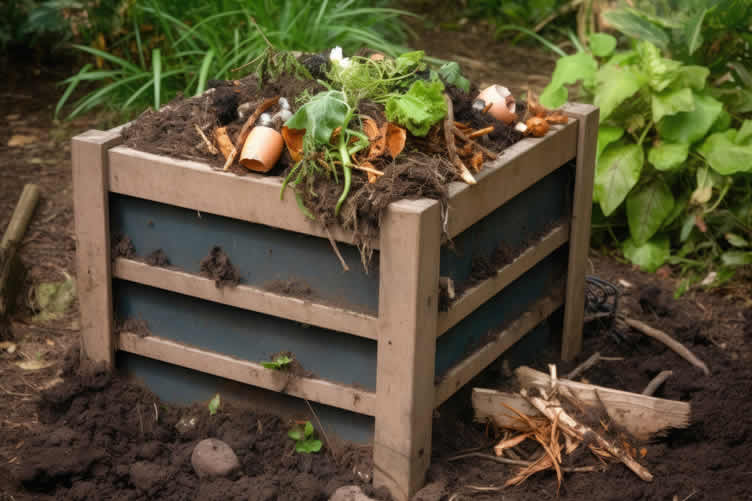
3rd: Composting Kitchen Scraps and Yard Waste
Composting is a powerful tool in the quest for sustainability. It transforms organic waste into a resource, reducing our ecological footprint while enhancing the health of our gardens.
Here’s how to begin composting and what items are best suited for your compost bin.
-
How to Best Compost:
- Set Up Your Compost Bin:
Choose a dry, shady spot near a water source for your compost pile or bin. An enclosed bin can speed up the process and keep animals out. - Balance "Greens" and "Browns":
Your compost needs a good mix of green waste (kitchen scraps like fruit and vegetable peels) and brown waste (dry leaves, sawdust, or shredded newspaper) to decompose effectively. Aim for a balance to ensure proper aeration and speed up the composting process. - Keep It Moist:
The pile should be moist, but not soaked, as water is crucial for the composting process. - Turn Your Compost:
Regularly turning your compost helps to aerate the pile and distributes moisture and heat, speeding up the decomposition process. - Monitor the Temperature:
A healthy compost pile will heat up in the center. This warmth is a sign that decomposition is taking place. If the pile cools down, it may need more green material, water, or turning.
- Set Up Your Compost Bin:
-
What to Compost:
- Kitchen Scraps:
Fruit and vegetable peels, coffee grounds and filters, eggshells, and tea bags. - Yard Waste:
Grass clippings, leaves, plant trimmings, and small branches. - Others:
Non-glossy paper, cardboard egg boxes, straw, and wood chips.
Remember, not everything is compostable. Avoid adding meat, dairy products, diseased plants, or pet waste to your compost, as these can attract pests and create odor problems.
Composting is a patient process, but the rewards are great, offering a natural fertilizer that enriches the soil and nurtures plant life.
- Kitchen Scraps:
copyright image by 123rf.com
[ view diagram: composting for beginners ]
[ youtube: the art of lazy composting ]
-
-
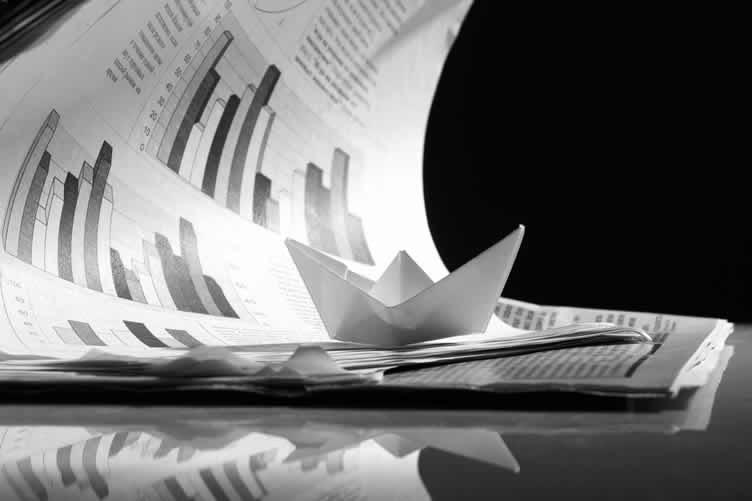
4th: Reducing Paper Waste through Digitalization
In our ongoing efforts to create more sustainable living and working environments, digitalization stands out as a highly effective strategy for reducing paper waste.
Transitioning from paper-based systems to digital alternatives not only conserves resources but also enhances efficiency and accessibility.
Below are several tactics for digitalizing various aspects of our daily lives and operations:
- Go Paperless with Bills and Statements:
Opt for electronic statements for your bank accounts, utilities, and other services. Many institutions encourage this practice by offering online access to statements and bills, reducing the need for physical copies. - Digital Note-Taking:
Replace traditional notebooks with digital note-taking apps. These apps not only save paper but also offer features such as search functionality and easy sharing. - E-Books and Digital Publications:
Whenever possible, choose digital versions of books, magazines, and newspapers. This not only reduces paper use but also allows for portability and instant access to a vast array of titles. - Online Forms and Signatures:
Use online forms and digital signature software for agreements and document signing. This significantly cuts down on the need for printing and mailing documents. - Digitalize Office Practices:
Encourage a paperless environment in the workplace by utilizing project management and collaboration tools that minimize the need for physical documents. Meetings can be conducted virtually, and documents shared and reviewed digitally. - Electronic Receipts:
Many retailers now offer the option of receiving receipts via email or through their mobile apps, eliminating the need for paper receipts.
By adopting these digital practices, individuals and organizations can make a significant impact on reducing paper waste, contributing to environmental conservation and efficiency improvements.
copyright image by 123rf.com
[ youtube: ready to go paperless ]
[ youtube: must-haves for paperless office ]
- Go Paperless with Bills and Statements:
-
5th: Switching to Biodegradable Products
In addition to adopting digital practices to reduce paper waste, households can further contribute to environmental conservation by switching to biodegradable and environmentally friendly products.
These products break down naturally, causing less harm to the environment compared to their non-biodegradable counterparts. Incorporating such products into daily life is a significant step towards sustainable living.
- Cleaning Supplies:
Opt for cleaning solutions that are made from natural, biodegradable ingredients. These are not only better for the environment but also safer for your home and family. - Personal Care Items:
Use personal care products such as soaps, shampoos, and toothbrushes made from natural ingredients and materials. Bamboo toothbrushes and biodegradable hair brushes are great examples. - Kitchen Products:
Switch to compostable trash bags, beeswax wrap instead of plastic cling wrap, and use reusable, washable shopping bags instead of disposable plastic or paper bags. - Tableware and Cutlery:
For parties or picnics, choose biodegradable plates, cups, and cutlery made from bamboo, palm leaves, or cornstarch, instead of plastic items. - Packaging Materials:
Seek out products that use packaging made from recycled or biodegradable materials. This can range from recycled paper to bioplastics.
By making these switches, households can play a crucial role in reducing their environmental footprint, paving the way for a more sustainable and eco-friendly lifestyle.

copyright image by 123rf.com
[ amazon: biodegradable laundry detergent ]
[amazon: biodegradable wares ]
- Cleaning Supplies:
-
-
ideas to view and compare from the information discussed above
Scroll up to directory … or scroll to next section about green energy home ideas …


making green energy and other home improvement decisions



fourth “photo remodeling” idea
copyright image by 123rf.com
Green Energy Tip 4: Home Automation as a Mid-Budget Green Energy Transition
Notes:
-
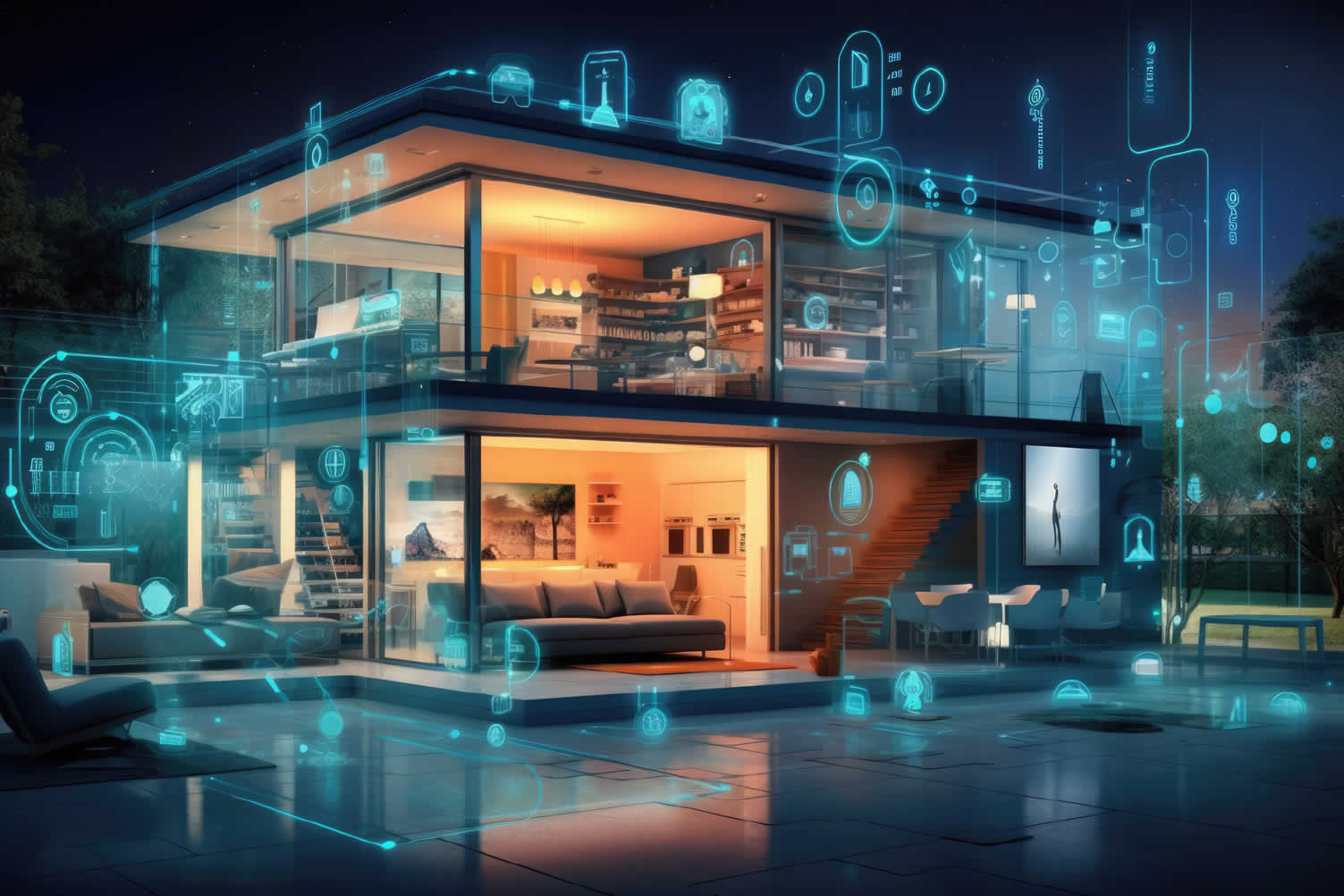
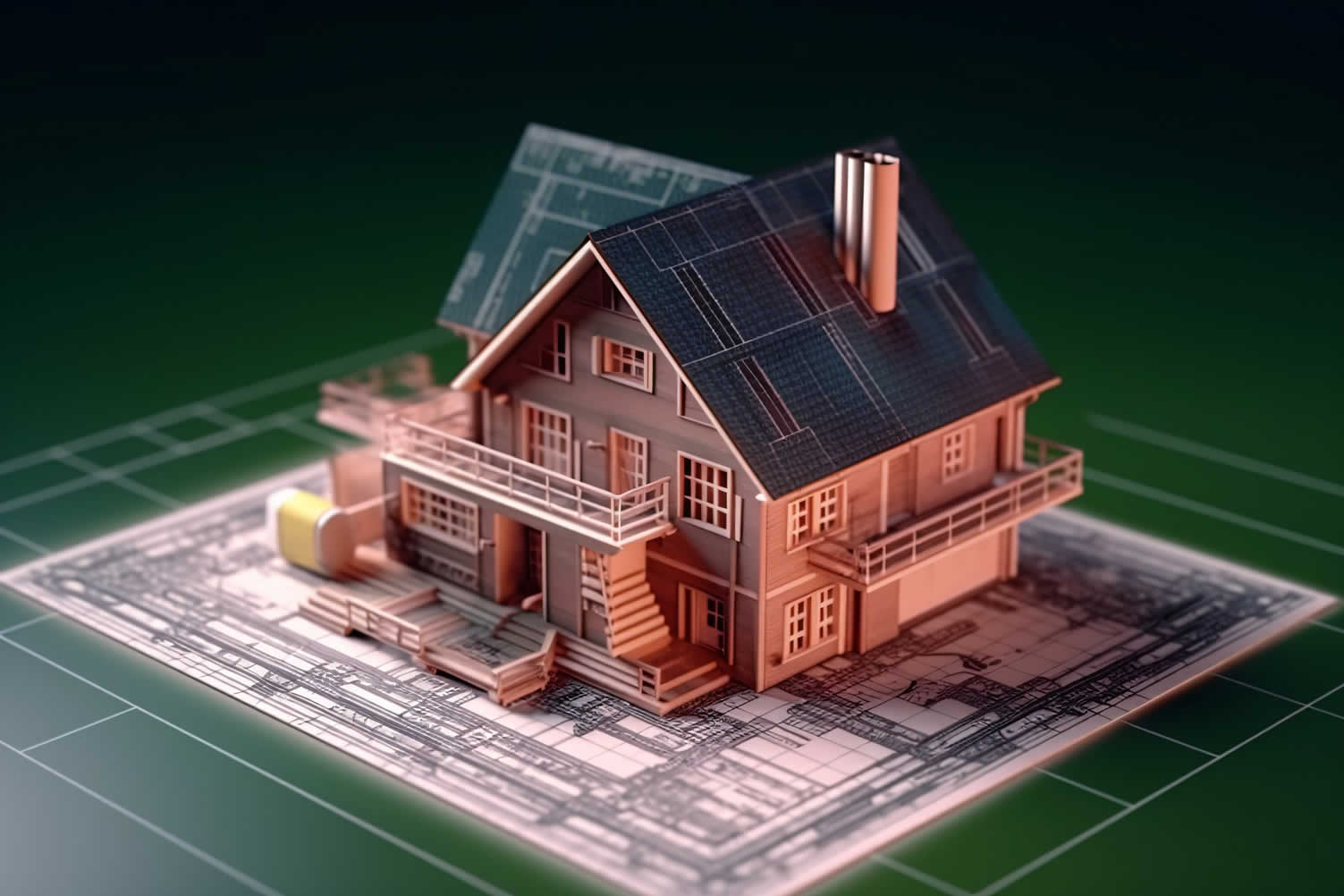
Transitioning to a green energy home doesn’t just mean adopting sustainable practices; it also involves leveraging technology to make those practices more efficient and effective.
Home automation stands out as a powerful tool in this transition, allowing homeowners to control their energy usage with unprecedented precision. And the implementation cost can be within an affordable range for most homeowners.
Through smart thermostats, lighting systems, and appliances, individuals can significantly reduce their carbon footprint while maintaining a comfortable lifestyle.
This integration of technology not only streamlines the management of household energy consumption but also paves the way for a future where eco-friendly living and convenience go hand in hand.
-
Quick scroll to “mid-budget home automation” side notes …
-
-
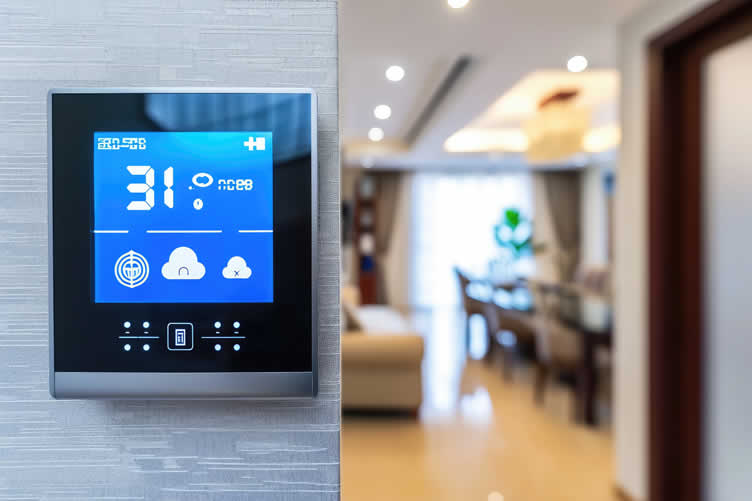
1st: Smart Thermostats
Smart thermostats stand at the forefront of home automation for green energy. They learn your schedule and temperature preferences, making automatic adjustments to save energy when you’re away or asleep.
Installation is straightforward, and over time, these devices can significantly reduce unnecessary heating and cooling, directly contributing to a lower carbon footprint and reduced energy bills.
Let’s review how smart thermostats can be used to cut energy costs:
- Learning Schedules:
By analyzing your daily routines and adjusting the heating or cooling based on when you are typically home or away, smart thermostats ensure that energy is not wasted on an empty house. - Remote Control:
These devices allow you to control your home’s temperature remotely via a smartphone app. This means you can adjust your home’s settings on the go, ensuring that you’re only using energy when it’s needed. - Energy Reports:
Many smart thermostats provide detailed energy usage reports, helping you understand your consumption patterns and identify opportunities to save energy. - Geofencing:
This feature uses the location of your smartphone to determine whether you’re home or away, automatically adjusting your home’s temperature to save energy. - Integration with Other Smart Home Devices:
By working in tandem with smart lighting and energy-efficient appliances, smart thermostats can optimize energy usage throughout your entire home. - Adapting to Weather Conditions:
Smart thermostats can adjust the internal temperature based on external weather conditions, ensuring efficient use of heating and cooling systems.
copyright image by 123rf.com
[ view images: how install smart home thermostat ]
[amazon: smart thermostats ]
- Learning Schedules:
-
2nd: Automated Lighting Controls
Switching to LED lighting is a well-known energy-saving move, but combining LEDs with automation technology takes energy efficiency to the next level.
Programmable smart light systems (such as smart switches and outlets) allow you to control lighting remotely, set schedules for when lights turn on and off, and even adjust brightness according to the time of day, further reducing electricity usage while maintaining comfort and convenience in your home.
- Scheduling:
Set specific times for lights to automatically turn on and off, simulating presence at home even when you’re away, and ensuring lights are only used when necessary. - Motion Sensors:
Incorporate motion sensors to automatically activate and deactivate lights based on room occupancy, enhancing energy efficiency and convenience. - Ambient Light Adjustment:
Use ambient light sensors to adjust the brightness of lights based on the amount of natural light in the room, ensuring consistent lighting levels and minimizing energy use. - Voice Control Integration:
Connect your lighting system to voice-controlled smart assistants for hands-free operation, allowing you to adjust lighting with simple voice commands. - Remote Access and Control:
Utilize a smartphone app to control your home’s lighting remotely, enabling you to make adjustments on-the-go and monitor your lighting system from anywhere. - Scene Creation and Automation:
Create customized lighting scenes for different activities or times of day and automate these settings for routine activities, providing both ambiance and energy savings.

copyright image by 123rf.com
- Scheduling:
-
3rd: Energy Monitoring Systems
Energy monitoring systems provide detailed insights into your home’s energy consumption patterns. By integrating these systems with home automation, you can pinpoint exactly where and when your energy is being used most, allowing you to make informed adjustments.
Real-time feedback and analysis help in identifying high-usage appliances, making it easier for homeowners to adopt more energy-efficient practices and technologies.
To effectively incorporate and use energy monitoring systems, consider the following steps:
- Initial Setup and Installation:
Begin by selecting an energy monitoring system that integrates seamlessly with your existing home automation setup. Installation may require professional assistance, particularly if it includes hardwired components. - Integration with Smart Home Devices:
Connect your energy monitoring system with other smart devices in your home, such as smart thermostats and lighting, to centralize control and maximize energy efficiency. - Customize Alerts and Notifications:
Set up custom alerts to notify you of unusual energy consumption patterns. This can help you quickly identify and address any inefficiencies or issues with home appliances. - Analyze Energy Use Data:
Regularly review the data collected by your energy monitoring system. Look for trends in your energy consumption and identify areas where you can cut back to save energy and reduce your utility bills. - Implement Energy-Saving Measures:
Use the insights gained from your energy data analysis to make informed decisions about energy-saving measures, such as upgrading to energy-efficient appliances or adjusting your heating and cooling schedules. - Monitor and Adjust:
Energy management is an ongoing process. Continuously monitor your energy consumption and make necessary adjustments to your habits and home setup to ensure optimal energy efficiency.
copyright image by 123rf.com
[ youtube: how install home energy monitor ]
[amazon: home energy monitoring system ]
- Initial Setup and Installation:
-
4th: Automated Blinds and Curtains
Automated window treatments like blinds and curtains can significantly enhance a home’s energy efficiency by controlling the amount of sunlight entering the home.
During warmer months, automated blinds can close during the hottest part of the day to reduce cooling costs, while in colder months, they can open to leverage natural sunlight for heating.
This not only reduces reliance on artificial heating and cooling but also optimizes natural light usage.
- Maximize Natural Heating:
In the winter months, program your automated blinds to open during the sunniest parts of the day, allowing natural sunlight to warm your home and decrease the need for artificial heating. - Minimize Cooling Needs:
Conversely, in the summer, set the blinds to close during peak sunlight hours, which can significantly reduce the amount of heat entering your home and lower the demand on your air conditioning system. - Optimize Light Usage:
Automated blinds can be programmed to adjust according to the time of day, ensuring that you make the most of natural light and minimize the need to use electric lighting during daylight hours. - Reduce Energy Loss:
By closing at night or during extremely cold periods, automated blinds add an extra layer of insulation to your windows, reducing energy loss and helping to maintain a consistent indoor temperature.

copyright image by 123rf.com
[ youtube: install motorized shades ]
[amazon: automated windows blinds ]
- Maximize Natural Heating:
-
5th: Smart Water Management
Incorporate smart water leak detectors throughout your home to instantly be alerted to any leaks, no matter how small.
These devices can monitor your entire plumbing system in real time, notifying you via smartphone if a leak is detected—allowing for immediate action to prevent extensive water waste and potentially costly water damage.
This proactive approach to water management significantly contributes to reducing overall household water usage.
-
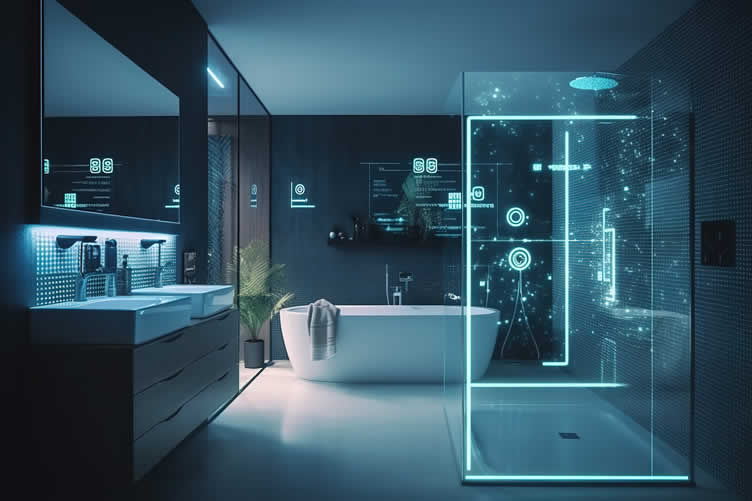
Intelligent Shower Systems
Adopt intelligent shower systems to mitigate excessive water usage and limit shower time efficiently. These systems can be programmed to adhere to optimal shower durations, reducing water consumption significantly.
With features like eco-mode settings, they adjust water flow to conserve while still providing a satisfying shower experience. Users can track their water usage, receive insights on conservation strategies, and even set personalized water usage goals.
This proactive measure not only fosters awareness around individual consumption patterns but also promotes a sustainable lifestyle by minimizing unnecessary waste.

copyright image by 123rf.com
-
-
6th: Smart Irrigation Systems
Implement smart irrigation systems for your garden or lawn to optimize water usage. These systems can adjust watering based on weather conditions, soil moisture, and plant needs, ensuring that your outdoor spaces receive just the right amount of water without waste.
This not only conserves water but also saves on utility bills and supports plant health. How automated irrigation systems work to reduce water usage:
- Weather-based Adjustments:
Automated systems can adjust watering schedules based on current weather conditions, reducing water use during rainy days or increasing it in hot, dry periods. - Soil Moisture Sensors:
These sensors detect the moisture level in the soil and signal the irrigation system to water only when necessary, avoiding over-watering and promoting efficient water use. - Zone-Specific Watering:
Allows for the customization of watering schedules based on the specific needs of different areas in a garden or lawn, ensuring that each zone receives the appropriate amount of water. - Timed Watering:
The ability to set precise watering times helps minimize evaporation and ensures water is applied when plants can best absorb it, usually during cooler parts of the day. - Leak Detection:
Modern systems can monitor water flow and detect leaks in the irrigation system, preventing water waste and informing the homeowner of any necessary repairs.

copyright image by 123rf.com
[ youtube: automatic garden watering system ]
[amazon: smart irrigation controller ]
- Weather-based Adjustments:
-
-
ideas to view and compare from the information discussed above
Scroll up to directory … or scroll to next section about green energy home ideas …
SHARE IT ..! You might have someone in your social network who could find this informative post on building a green energy home valuable. Feel free to share it on Facebook, Twitter, LinkedIn, or Pinterest!



home automation to reduce energy costs


fifth “photo remodeling” idea
copyright image by 123rf.com
Green Energy Tip 5: Upgrading Home Appliances and Structure Elements
Notes:
-
We now shift our focus to investments in the green energy transition, particularly those related to energy-efficient home appliances and structural modifications. These investments not only lower energy costs but also serve as savvy enhancements that increase your home’s value.
Making strategic upgrades to to appliances and structural enhancements are essential steps in this transformation. Here’s a look at some effective ways to green your living space:
-
Quick scroll to “high-budget structural changes” side notes …
-
-
1st: Energy-Saving Appliances
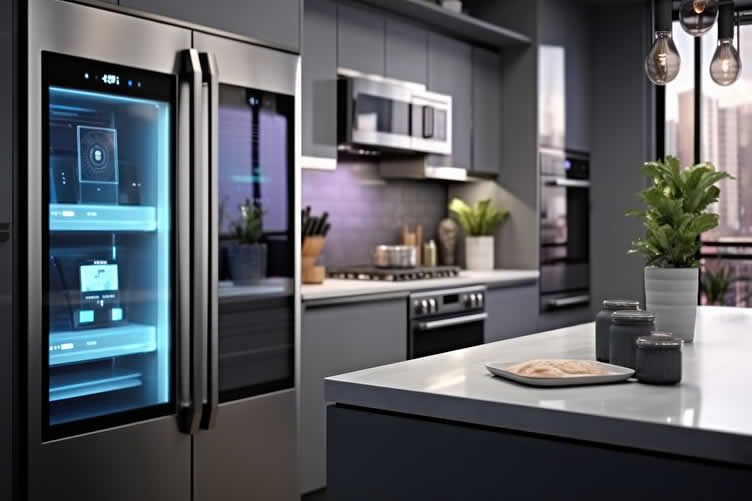
Upgrading old, inefficient appliances to modern, energy-saving models is one of the most impactful changes you can make. Look for products bearing the ENERGY STAR label indicating they meet energy efficiency guidelines set by the U.S. Environmental Protection Agency.
Refrigerators, dishwashers, washers, and dryers are among the top appliances to consider replacing. These energy-efficient appliances use advanced technology to consume less electricity and water, leading to lower utility bills and a reduced environmental impact.
How energy-efficient appliances save energy costs:
- Lower Electricity Consumption:
Energy-efficient appliances are designed to do more with less energy. For instance, modern refrigerators use advanced insulation technology and more efficient compressors that significantly reduce electricity use. - Smart Water Usage:
Energy-saving dishwashers and washing machines utilize smart water management systems, requiring less water per cycle. Less water usage means lower energy costs to heat water. - Improved Efficiency Over Time:
These appliances often include features like eco-modes and automatic shutdown that reduce energy consumption during standby or when not actively in use. - Government Rebates and Incentives:
Purchasing ENERGY STAR-certified appliances might qualify you for government rebates and incentives, offsetting the initial cost and enhancing long-term savings. - Decreased Dependency on Fossil Fuels:
By reducing the overall energy demand, these appliances contribute to a decrease in dependency on fossil fuels, potentially lowering energy prices and further reducing your home energy costs over time.
copyright image by 123rf.com
[ view info: energystar.gov ]
[ youtube: energy rating of appliances ]
- Lower Electricity Consumption:
-
2nd: Energy-Efficient Windows
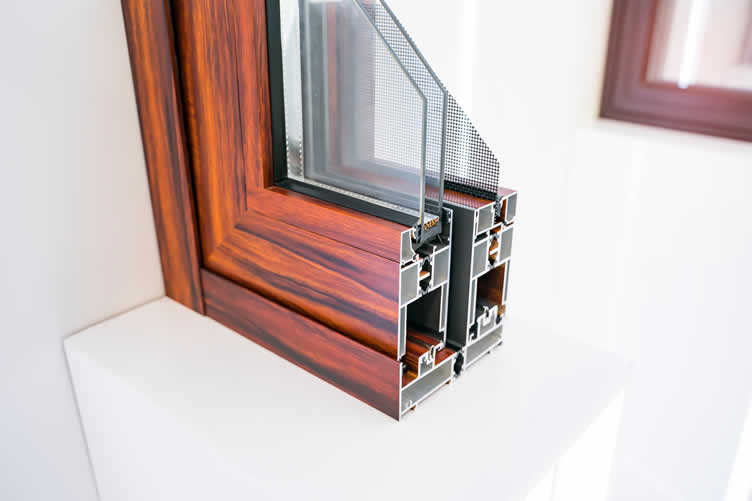
Investing in energy-efficient windows can dramatically reduce energy loss. Double or triple-pane windows filled with inert gas and coated with reflective material can help maintain your home’s temperature, reducing the need for heating and cooling.
This upgrade not only enhances comfort but also contributes to a substantial decrease in energy consumption.
- Double or Triple-Pane Glass:
These windows feature multiple layers of glass, which create insulating air spaces that reduce heat transfer, making your home more energy-efficient. - Inert Gas Fill:
Spaces between the panes in energy-efficient windows are often filled with inert gases, like argon or krypton, which are better insulators than air and further reduce heat transfer. - Low-Emissivity (Low-E) Coatings:
A microscopically thin coating on the glass reflects infrared light, keeping heat inside during the winter and outside during the summer high temperatures. It also protects against harmful UV rays without noticeably reducing natural light. - Quality Frame Materials:
Energy-efficient windows also utilize frames made from materials that provide additional insulation and durability, such as fiberglass, vinyl, or composite woods. These materials help reduce heat transfer and contribute to the overall energy efficiency of the window. - Proper Installation:
Proper sealing and installation are crucial to maximizing the energy efficiency of windows. Even the most advanced windows will under-perform if they are not correctly installed, emphasizing the importance of professional installation.
copyright image by 123rf.com
[ view diagram: energy efficient windows ]
[ youtube: how do energy efficient windows work ]
- Double or Triple-Pane Glass:
-
3rd: Improving Home Insulation
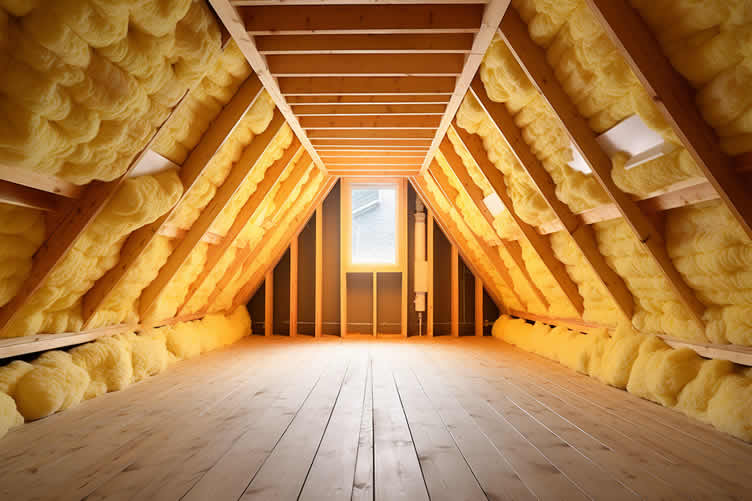
Enhancing your home’s insulation is key to preventing heat loss during colder months and keeping your home cool during the summer. Focus on areas like attics, basements, and walls.
High-quality insulation materials can significantly reduce the strain on your heating, ventilation, and air conditioning (HVAC) system, thereby decreasing energy use and increasing savings.
- Spray Foam Insulation:
Provides excellent air sealing and insulation, effectively reducing energy usage by preventing heat transfer and air infiltration. It’s ideal for filling gaps and hard-to-reach areas. - Fiberglass Insulation:
Composed of fine glass fibers, it is one of the most common types of insulation, valued for its ability to minimize heat transfer at a relatively low cost. - Cellulose Insulation:
Made from recycled paper products and treated for fire resistance, cellulose insulation is an eco-friendly option that offers superior air-blocking properties. - Rigid Foam Insulation:
Offers high insulating value for relatively little thickness, making it suitable for exterior and interior applications, including basements and crawl spaces. - Reflective Insulation:
Utilizes reflective surfaces to reduce heat transfer, making it particularly effective in hot climates to keep indoor spaces cool.
copyright image by 123rf.com
- Spray Foam Insulation:
-
-
ideas to view and compare from the information discussed above
energy star appliancesenergy star air purifierenergy star TV
Scroll up to directory … or scroll to next section about green energy home ideas …
below for …
green energy home contractors

Calendar For:
Home Maintenance
File Type: 
Find Energy Efficient Services Insulation Windows-Insulation Ducts & Vents Thermostats Solar Installation Skylights Home Automation Generators Home Automation Electrical Wiring Networks/Phone Computers/ Media Home Security Alarms top-rated, pre-screened local contractors FREE: download contractor selection enter zip code – powered by HomeAdvisor ™
Quick Contractor Guides selecting negotiating working with inspecting

sixth and last “photo remodeling” idea

copyright image by 123rf.com
Green Energy Tip 6: Investing in Green Energy Solutions
Notes:
-
This upcoming section, though initially expensive, can be a significant investment in energy and water self-sufficiency with proper planning.
By investing upfront, homeowners can significantly reduce their long-term costs and energy consumption. Moreover, this strategic move not only contributes to a more sustainable living environment but also substantially increases the overall value of your home, making it an attractive asset in the market.
This proactive approach to self-sufficiency not only benefits the individual homeowner but also contributes to broader environmental conservation efforts.
-
Quirk scroll to topic "high-budget energy solutions" side notes …
-
-
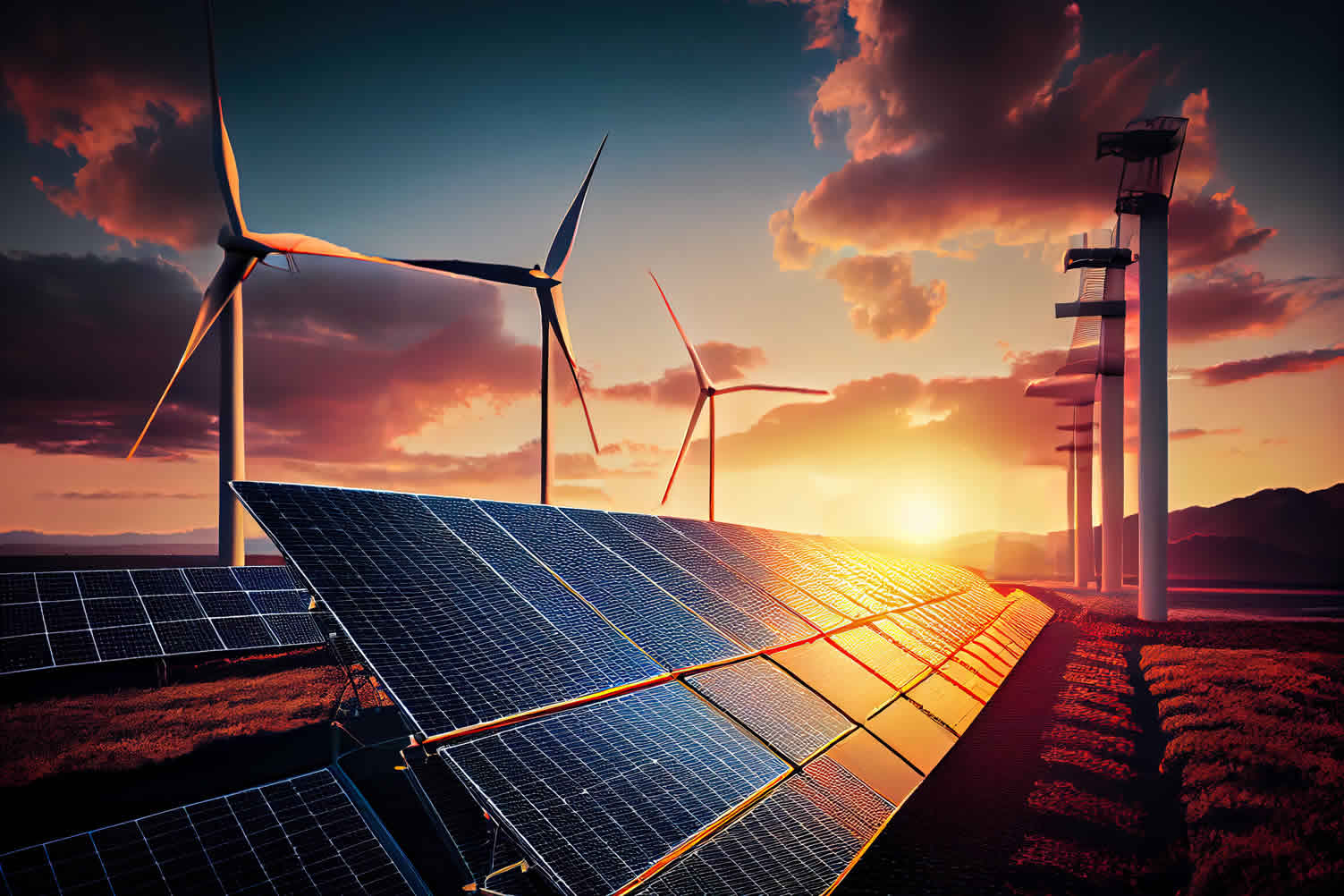
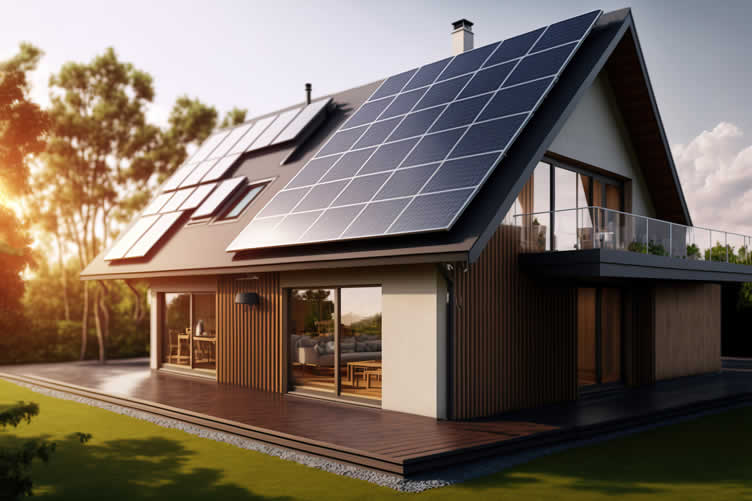
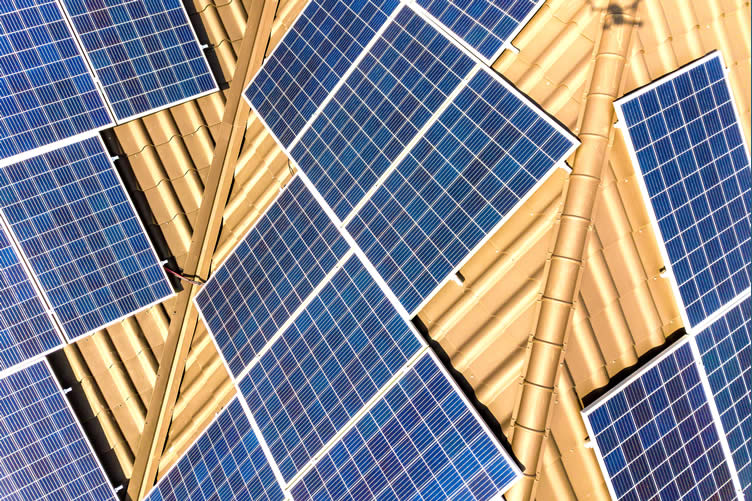
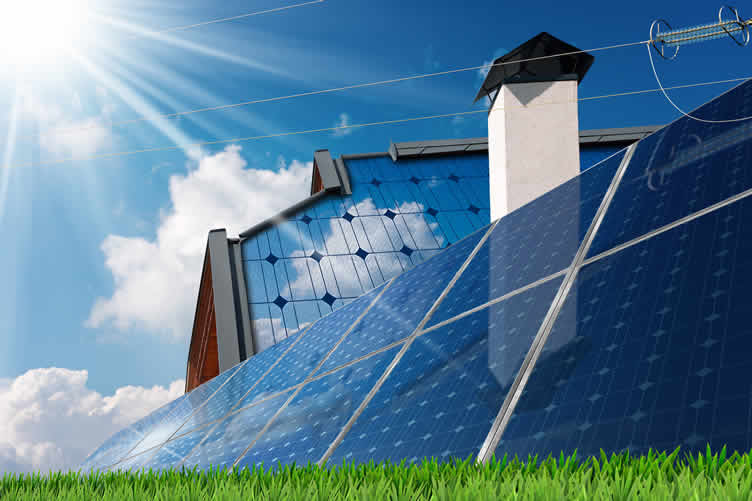
1st: Invest In Solar Panels
Solar panels convert sunlight into electricity, providing a clean and renewable source of energy for your home. They can be installed on rooftops or in open spaces where sunlight is abundant.
Solar energy can power your entire home, reducing reliance on traditional power grids and saving on electricity costs. Advances in solar technology and government incentives have made solar panels more accessible and affordable than ever.
-
Reduced Dependence on Fossil Fuels:
By harnessing the power of the sun, solar panels directly reduce the need for energy derived from fossil fuels, contributing to a significant decrease in greenhouse gas emissions.
-
Lower Electricity Bills:
Solar panels generate free power from the sun, which can lead to substantial savings on your monthly electricity bills, especially over the long term.
-
Increased Home Value:
Homes equipped with solar panel systems often experience an increase in property value, making it an attractive feature for potential buyers interested in sustainability.
-
Energy Independence:
With the installation of solar panels, homeowners can achieve a greater degree of energy independence, reducing their vulnerability to utility price increases and power outages.
-
Eligibility for Tax Credits and Incentives:
Many governments offer tax credits, rebates, and other incentives to encourage the adoption of solar energy, making the initial investment more affordable.
-
Support for Local Economy:
Investing in solar panels often involves working with local businesses for installation and maintenance, thus supporting the local economy while advancing your green energy goals.
copyright image by 123rf.com
Need for Solar Battery Storage
Incorporating a solar battery system into your solar panel setup is crucial for maximizing the efficiency and utility of your solar energy collection.
Batteries store excess energy generated during peak sunlight hours, making it available for use during nighttime or cloudy days when solar panels are not actively generating power. This ensures a continuous energy supply and further minimizes dependence on the grid.
-
Why Solar Batteries are Important:
Solar batteries enhance energy security and independence by providing a reliable power source during outages or in areas with unstable grid infrastructure.
They also allow homeowners to take full advantage of their solar investment, storing surplus energy that would otherwise be sent back to the grid, often at a lower value than the cost of drawing power from the grid when needed.
Furthermore, as electricity rates continue to rise, having a stored energy reserve can lead to even greater savings and a more predictable energy budget.
[ view diagram: how solar batteries work ]
[ images: understanding solar batteries – beginner’s guide ]
-
-
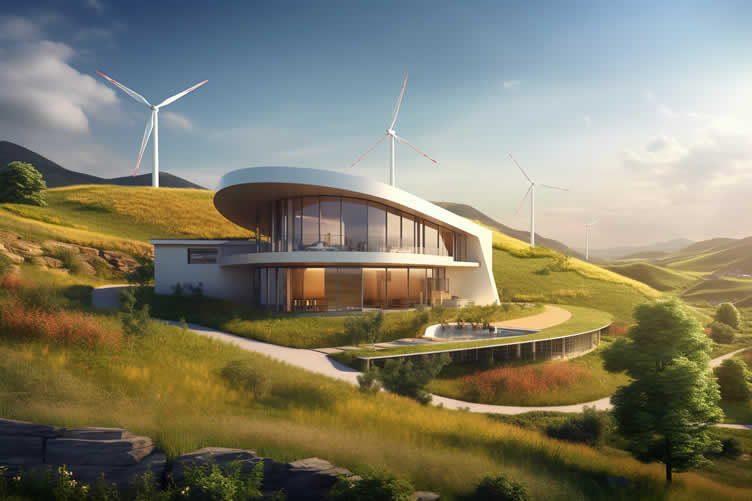
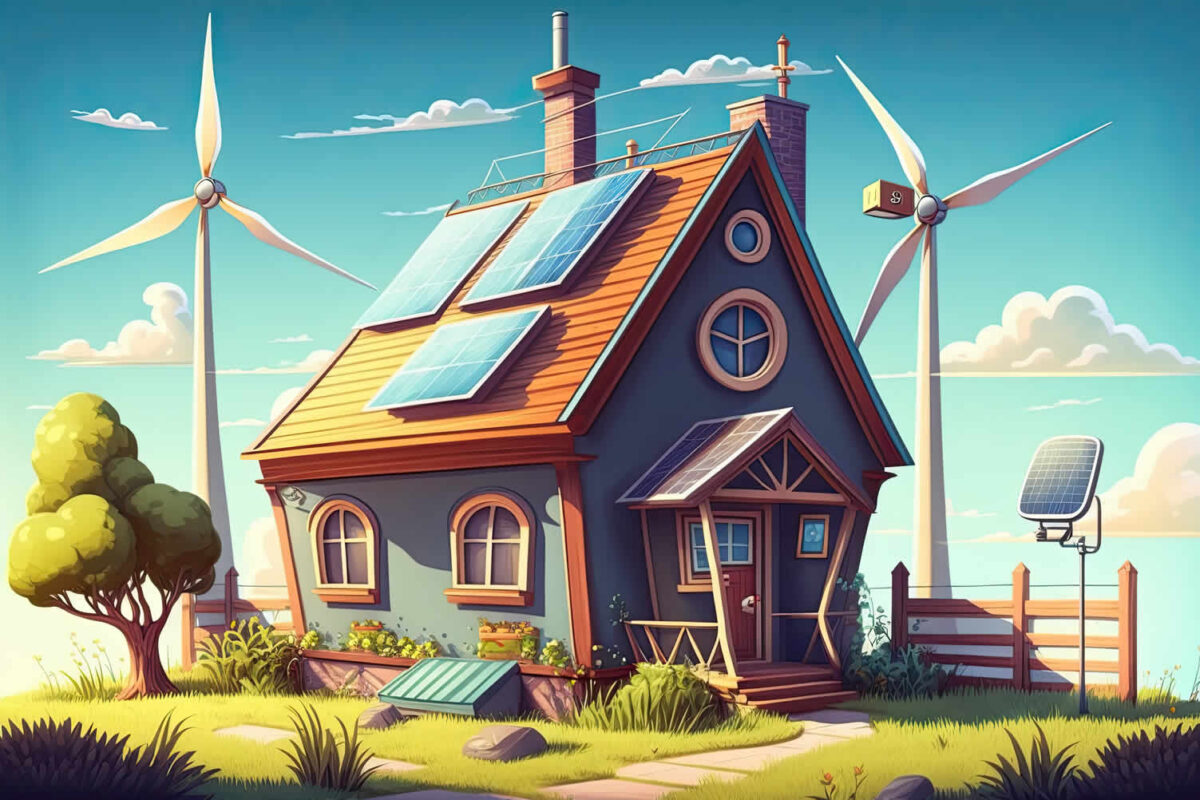
2nd: Wind Turbines
For properties in windy locales, residential wind turbines offer an efficient way to harness natural energy. Small-scale turbines can generate significant power to supplement your home’s energy needs.
While installation and initial investment can be high, the long-term savings and environmental impact are substantial.
When considering the best locations and methods to harness wind energy effectively, several factors come into play. Here are some key points to keep in mind:
-
Geographical Locations:
Ideal sites are typically found in open, rural areas or on elevated terrains where wind flows are less obstructed by buildings or trees. Coastal areas near the sea or large lakes also receive consistent winds, making them excellent choices for wind turbine installation.
-
Land Topography:
High ground or smooth, rounded hilltops that are free of obstructions can maximize wind exposure. It’s important to conduct a wind study to identify the most advantageous site on your property.
-
Wind Mapping Tools and Resources:
Utilizing wind maps and resources from government or renewable energy associations can help in assessing the wind energy potential of a specific location.
-
Professional Assessment:
Consulting with a wind turbine installer or a wind energy expert can provide a detailed analysis of your site’s wind profile, ensuring the selection of the most effective turbine type and its optimal placement.
-
Community Wind Projects:
Participating in or initiating community-based wind projects can be a viable option for individuals in less windy areas. These projects pool resources to install larger turbines in a mutually beneficial location, offering a sustainable energy solution for multiple participants.
copyright image by 123rf.com
-
-
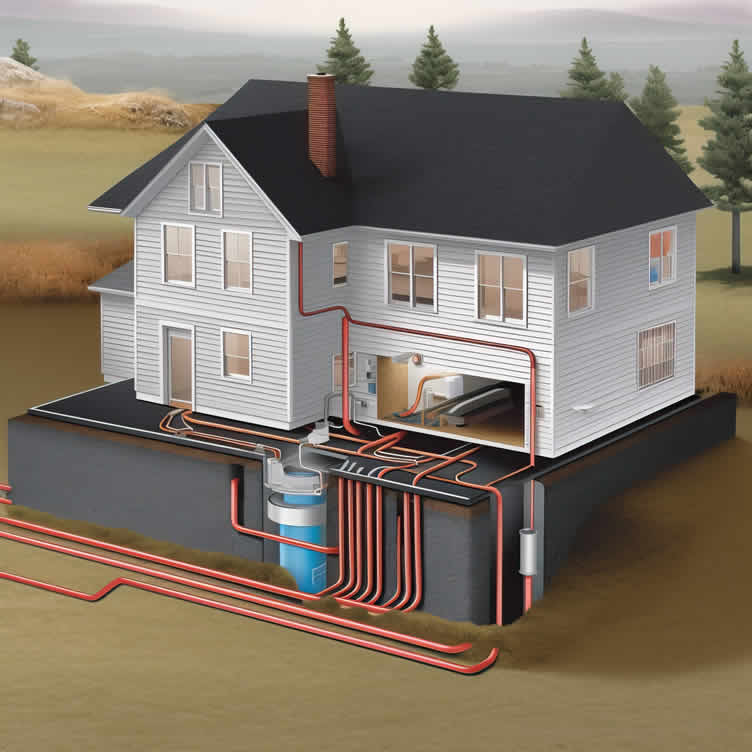
3rd: Geothermal Systems
Geothermal heating and cooling systems leverage the constant temperature beneath the earth’s surface to regulate your home’s climate.
This system uses underground pipes to transfer heat to and from your home, providing efficient heating in the winter and cooling in the summer.
While the upfront cost is significant, geothermal systems are incredibly durable and efficient, offering substantial savings over time.
-
Conduct a Site Survey:
A comprehensive site survey by a qualified geothermal systems installer is critical. They will assess the land topography, soil conditions, and available space to determine if your property can accommodate the underground loop system required for a geothermal heat pump.
-
Evaluate Soil and Groundwater Conditions:
The efficiency of a geothermal system depends greatly on the soil composition and the presence of sufficient groundwater. Certain types of soil and rock conduct heat better, making the system more efficient.
-
Consider Space Requirements:
Geothermal systems require significant space for the installation of the ground loop. Properties with large open spaces are ideal, but there are options for vertical installation in smaller areas.
-
Analysis of Heating and Cooling Needs:
An evaluation of your home’s heating and cooling needs will help determine the size and type of geothermal system required, ensuring it can effectively meet your climate control demands.
-
Review Local Regulations and Incentives:
Understanding local building codes and permits is essential before installation. Additionally, some regions offer tax incentives or rebates for geothermal heating and cooling systems, which can offset the upfront costs.
-
Professional Feasibility Study:
Investing in a professional feasibility study can provide a detailed analysis of the potential costs, savings, and environmental impact of installing a geothermal system in your home.
copyright image by 123rf.com
[ view diagram: geothermal home diagram ]
[ youtube: how does a geothermal heat pump work ]
-
-
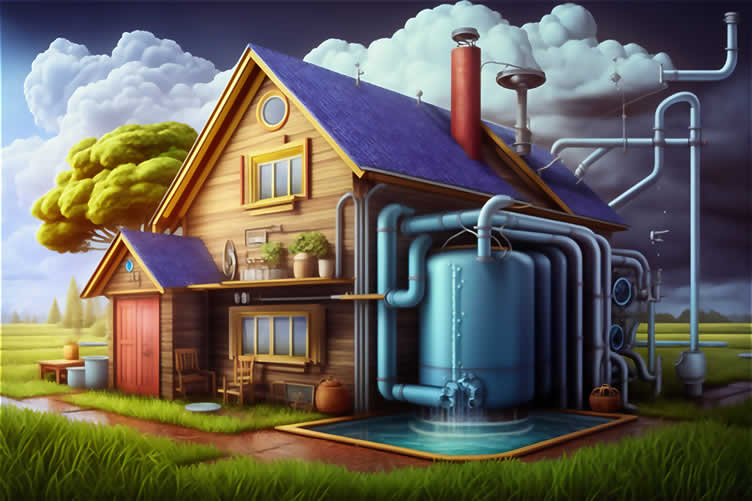
4th: Underground Rainwater Collection
Collecting and utilizing rainwater can significantly reduce your water bill and conserve a valuable resource. Underground rainwater collection systems capture, filter, and store rainwater for landscape irrigation, toilet flushing, and, with proper treatment, even potable use.
This solution is particularly effective in areas prone to drought, making your home more sustainable and less reliant on municipal water supplies.
To effectively install an underground rainwater collection system, consider the following steps and locations:
-
Identify Collection Surface:
Typically, the roof serves as the primary surface for rainwater collection. Ensure it is suitable and large enough to capture the volume of water you aim to collect.
-
Select a Tank Location:
The tank should be situated close to the collection point but in an area that can support the weight of a full tank. Underground tanks are preferred to save space and maintain the aesthetic of your property.
-
Incorporate Pre-Filtration:
Before storing the water, it’s essential to filter out debris such as leaves and twigs. Install a pre-filtration system at the downspout from your roof to the collection tank.
-
Install the Storage Tank:
Dig a hole to accommodate your storage tank, ensuring you have all necessary permits. The tank should be buried below the frost line to prevent freezing.
-
Connect to a Pump and Distribution System:
For the collected water to be usable, it needs to be pumped out of the tank. Install a pump connected to a distribution system for irrigation, flushing toilets, or even domestic supply with proper treatment for potability.
-
Plan for Overflows:
Design the system with an overflow outlet that can handle excess water, directing it safely away from your home’s foundation and into stormwater systems or a soaking area.
copyright image by 123rf.com
-
-
-
ideas to view and compare from the information discussed above
Scroll up to directory … or scroll to next section about green energy home ideas …
view illustration “becoming a bank”



home remodeling – improvement – repair
seventh and last “photo remodeling” idea
copyright image by 123rf.com
Green Energy Tip 7: The Evolution of Your Green Energy Home
Notes:
-
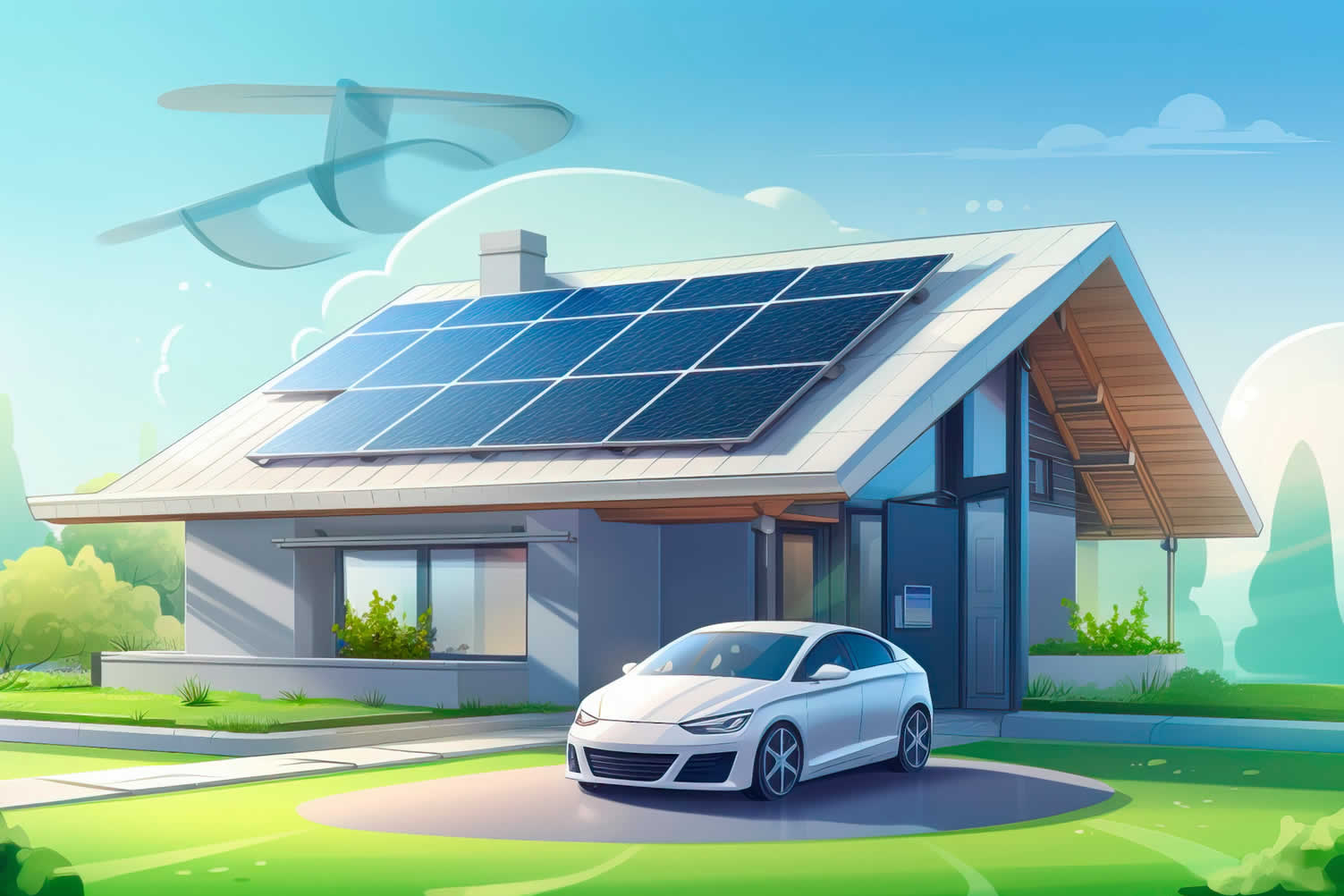
Investing in green energy not only contributes to a healthier planet but revolutionizes your living space. Initially, the changes might seem minor, such as replacing incandescent bulbs with LED lighting or integrating smart plugs to curb unnecessary power use.
These small shifts will subtly enhance your home’s energy efficiency without a significant upfront cost. Over time, as you incorporate more substantial investments like energy-efficient appliances and solar panels, the transformation becomes more pronounced.
Your utility bills will reflect a noticeable decrease as your reliance on traditional power sources diminishes.
Subsequently, upgrading your home’s insulation and windows will fortify this green energy ecosystem, ensuring that the energy generated and saved is utilized to its fullest potential with minimal waste. This step will not only further reduce energy costs but also enhance the comfort and air quality of your living space.
The culmination of these investments over time can lead to a nearly self-sustaining home environment, where energy consumption is optimized, and your carbon footprint is significantly reduced.
-
Quirk scroll to topic "economic assessment and help" side notes …
-
-
1st: Financial and Environmental Benefits
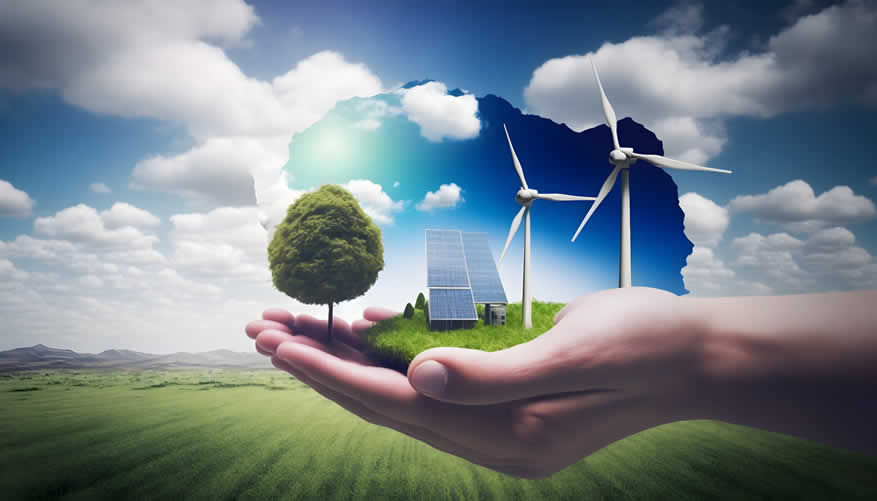
Adopting green energy solutions and making eco-friendly home improvements have profound benefits that extend well beyond immediate energy savings.
By converting to a green energy home, homeowners contribute significantly to the reduction of greenhouse gas emissions, actively participating in the global effort to mitigate climate change.
Additionally, properties equipped with energy-efficient features and renewable energy systems often enjoy higher market values and appeal to a growing demographic of environmentally conscious buyers.
Over time, the initial investments in green technologies pay off, not only by lowering utility bills but also by fostering a sustainable future, making the transition to green energy an economically sound and morally responsible choice.
-
The Cost-Savings Perspective
While there is an initial investment associated with many green energy solutions, the long-term savings are substantial. With energy-efficient upgrades, you’ll see a reduction in your monthly utility bills that could eventually offset the upfront costs.
-
Environmental Impact and Sustainability
Reducing your household energy consumption can have a significant impact on your carbon footprint. By harnessing renewable resources, you’ll be contributing to a cleaner, more sustainable environment.
copyright image by 123rf.com
[ youtube: save money/energy with eco-friendly home ]
[ youtube: help environment by going green ]
-
-
2nd: Overcoming Common Challenges
Switching to a green energy home presents several obstacles, including the initial investment, finding reliable technology, and adapting to new energy sources.
By understanding and preparing for these challenges, such as researching available technologies, budgeting for upfront costs, and planning for long-term savings, you can navigate the transition more smoothly and keep your green energy goals on track.
-
Investment Costs and Financial Planning
One of the most formidable barriers to converting to a green energy home is the upfront investment required for installing renewable energy systems, such as solar panels, wind turbines, and energy-efficient appliances.
The cost of these installations can vary widely depending on the size of your home, the technology chosen, and regional pricing differences. However, to effectively manage this challenge, homeowners should look into various financing options, government incentives, and rebates that can significantly reduce initial costs.
Additionally, conducting a thorough cost-benefit analysis can help in understanding how long-term savings on energy bills can outweigh the initial expenditures, making the investment not only sustainable but also economically advantageous in the long run.
-
Dealing with Space and Zoning Constraints
In some cases, your ability to install certain green energy solutions, such as solar panels or wind turbines, may be limited by the available space or local zoning regulations.
It’s important to research and consult with professionals to find solutions that comply with local codes.
-
Accurately Assessing the Efficiency of Green Technologies
Not all green energy solutions are equally effective for every home. It’s crucial to evaluate the potential of each technology for your specific needs, climate, and home design before making an investment.
copyright image by 123rf.com
-
-
3rd: Getting Some Help
When transitioning to a green energy home, enlisting the assistance of a professional green energy consultant or contractor can be invaluable. These experts bring a wealth of knowledge and experience in assessing your home’s potential for various green technologies and can provide tailored recommendations based on your specific goals and limitations.
They can help you understand the technical requirements, cost implications, and expected return on investment for each option.
Furthermore, a reputable professional will be well-versed in local zoning laws and can assist in navigating any regulatory hurdles, ensuring your green energy project complies with all local ordinances and regulations.
Their guidance can streamline the process, from planning and installation to maintenance, helping you to make informed decisions that maximize your home’s sustainability and energy efficiency.
LetsRenovate has partnered with HomeAdvisor™, a renowned provider of highly-rated, carefully-vetted local contractors. Start your search here by choosing the type of contractor you need and entering your zip code to find local professionals.

copyright image by 123rf.com
But Wait!
Prior to initiating the contractor search and evaluation process, it is strongly advised to download and make use of this detailed worksheet. Doing so will equip you with all the essential information and tools needed to make well-informed decisions and to efficiently navigate through the process.
This tool will provide an unbiased evaluation and ranking of potential contractors, considering key aspects like pricing for more informed decision-making.

Evaluation Sheet
File Type: -
4th: The Future of Green Energy Homes
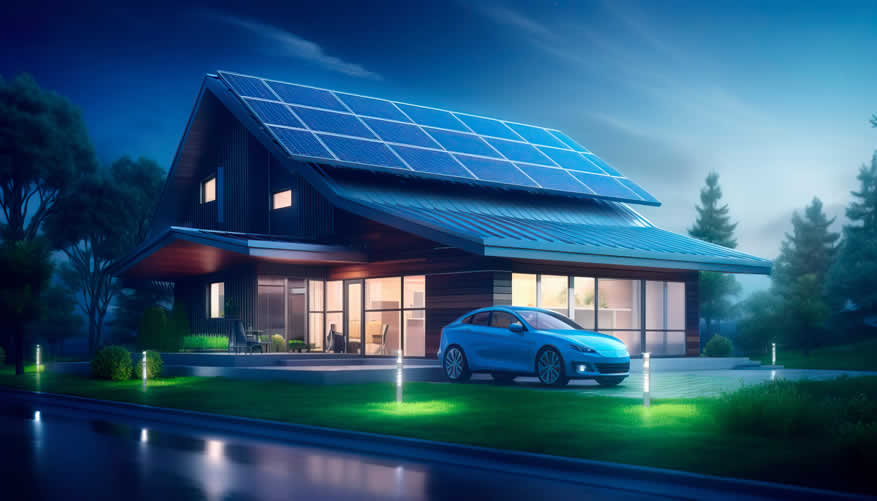
The evolution of green energy technology represents a promising horizon that is poised to fundamentally transform our approach to powering our homes and communities.
As we continue to innovate and push the boundaries of what’s possible, it’s exciting to consider the myriad of ways the future of green energy could impact our daily lives.
From solar panels that are more efficient and affordable, to wind turbines that can power entire neighborhoods, the potential for a cleaner, more sustainable energy future is immense.
Imagine a world where your home is not only powered by green energy but also contributes to a global network of renewable power sources. The possibilities are vast and the future is bright for those who invest in green energy homes.
-
Anticipating Technological Advances
Emerging technologies, such as more efficient solar panels and advanced battery storage, will make it even easier and more economical to power your home with green energy. Some ideas include:
- High-Efficiency Solar Panels:
Next-generation solar panels with significantly improved efficiency rates, capable of generating more power even in less sunny conditions. - Advanced Battery Storage:
Innovations in battery technology that offer longer life spans and higher storage capacities, enabling homes to store surplus energy more efficiently. - Smart Energy Systems:
Intelligent home systems that optimize energy use in real-time, automatically adjusting to energy needs and reducing waste. - Enhanced Wind Turbines:
Compact and more powerful wind turbines, designed for residential use, that can operate with lower wind speeds. - Solar Roof Tiles:
Solar technology integrated into roofing materials, allowing for more aesthetically pleasing and less obtrusive solar energy harvesting. - Geothermal Heating and Cooling Systems:
More accessible and cost-effective solutions for leveraging the stable temperatures underground to heat and cool homes. - Hydrogen Fuel Cells:
Development of safe, efficient home-scale hydrogen fuel cells as an alternative to traditional power and heat sources. - Energy-Generating Windows:
Windows capable of converting sunlight into electricity, adding to a home’s energy generation capabilities without compromising design. - Green Energy Blockchain Technologies:
Blockchain applications for secure, transparent tracking of green energy production and consumption, encouraging local energy trading and community grids.
- High-Efficiency Solar Panels:
-
The Role of Legislation and Incentives
Government policies and incentives are crucial drivers for the widespread adoption of green energy solutions. By creating favorable conditions and offering financial benefits, governments can significantly influence individuals and businesses to switch to sustainable energy sources.
It’s important to stay informed about changes in regulations and to actively seek out any available benefits or subsidies that could support your green energy initiatives.
Doing so not only helps in reducing your carbon footprint but also in promoting a sustainable future.
copyright image by 123rf.com
[ youtube: eco-friendly home of the future ]
[ youtube: how life will look like in 2050 ]
-
-
-
FINAL REMARKS
Making the shift to a green energy home is a multi-faceted process that requires education, planning, and action. By understanding the principles of green energy, identifying areas for improvement, and implementing sustainable solutions, you can create a home that not only helps to preserve the planet but can also enhance your quality of life.
The green energy movement is more than a trend; it’s a fundamental shift in our approach to living. By beginning the transformation of your home, you’re not just setting an example for your community—you’re also actively contributing to a more sustainable future for generations to come. Start your green energy home project today and be part of the solution.
-
ideas to view and compare from the information discussed above
- What comments can you share about
green energy home?
Scroll up to directory … or scroll to more home utility management topics …
green energy home decisions


Cover image credit: green energy home by 123rf.com
end of post … please share it!
 |
did you find this green energy home analysis helpful? If so, please share the article with your friends and family! |
Nice pic idea? Leave us a quick comment below.
And please share this pic idea within your social networks.