Summary Outline –
With the rising focus on clean, renewable energy sources, many homeowners are turning to solar power as a way to reduce their carbon footprint and save on utility bills.
However, the prospect of installing a solar energy system can be daunting, with numerous technical and financial considerations to keep in mind. This comprehensive guide is designed to demystify the process, walking you through the key steps to take when transitioning your home to solar power.
Summary of Site Content
1st Solar Tip: [view tip]
… lets’ begin this guide by looking into the rationale behind solar energy, assess your home’s suitability, and determine your energy requirements to support the installation of solar systems.
2nd Solar Tip: [view tip]
… the second section covers all the components of a solar system for residential use. You’ll explore different types of solar panels and discover how to choose the most suitable system for your requirements.
3rd Solar Tip: [view tip]
… proceeding further, the third section reviews crucial aspect of solar energy, encompassing factors such as prices, installation costs, and associated expenses to calculate a positive return on investment.
4th Solar Tip: [view tip]
… once you have chosen the appropriate system at the right price, this section will focus on reviewing the installation process. This includes obtaining permits, installing mounting racks, wiring, and connecting to the grid. This could be DIY or working with a solar contractor.
5th Solar Tip: [view tip]
… the fifth and final section is monitoring and maintaining your solar system so that you can maximize the utilization of the panels to eliminate your electric utility bills for good.
The sun, a free and abundant source of energy, is at the heart of sustainable living. Installing a solar energy system not only allows homeowners to reduce or eliminate their reliance on fossil fuels but also provides long-term financial benefits.
This guide is more than just a technical manual; it’s a comprehensive overview of how solar energy can transform your lifestyle and the well-being of the planet.

-
Quick scroll to first topic about installing a solar energy system …

first “installing a solar energy system” idea

copyright image by 123rf.com
Solar Tip 1: What To Know About Solar Energy
Notes:
-
Before you begin the installation process, it’s vital to grasp the fundamentals of solar energy. Solar panels work by capturing the sun’s rays and converting them into electricity through the photovoltaic effect. This direct current (DC) energy is then converted into alternating current (AC) through an inverter, making it usable in your home.
In addition, understanding the different types of solar systems, including photovoltaic (PV) systems, and solar thermal systems (for homes and business) will assist you in choosing the best option for your needs. Consult with a B2B solar energy provider today!
-
How Solar Systems Work
Solar panel systems harness the immense power of the sun to provide clean, renewable energy. At the core of this system are the solar panels themselves, which are composed of numerous solar cells.
These cells are made from materials like silicon, which has the property of generating electricity when exposed to sunlight. This phenomenon, known as the photovoltaic effect, is the foundation of solar energy conversion.
Once the solar cells convert sunlight into DC electricity, it’s then the job of the inverter to transform this DC power into AC power, which is the type of electricity used by most homes and appliances. Modern solar systems often come equipped with monitoring technology, enabling homeowners to track their system’s performance and energy production in real-time.
Additionally, many systems are now part of a larger grid, allowing excess energy produced during peak sun hours to be fed back into the grid, often resulting in credits from the utility company.
-
-
Quick scroll to “why home solar” side notes …
-
-
1st: Why Install a Solar Energy System?
Choosing to install a solar energy system is a major decision for any homeowner. Beyond its environmental benefits, this choice comes with significant practical and financial advantages. Below, we explore some of the most compelling reasons to make the switch to solar power.
-
Environmental Impact
Solar energy is one of the cleanest sources of power available. Unlike fossil fuels, it produces no air pollution, no water pollution, and no greenhouse gas emissions. By installing a solar energy system, you’re directly contributing to the reduction of harmful emissions and taking a stand against climate change.
-
Reduction in Energy Bills
One of the most immediate benefits of solar power is the reduction in your monthly energy bills. Solar panels can generate enough power to meet most, if not all, of your household’s electricity needs. Depending on the size of your system and your energy usage, you might even produce excess electricity, which you can often sell back to the grid.
-
Increased Home Value
Homes equipped with solar energy systems tend to sell for more than homes without. Buyers are increasingly looking for homes that offer renewable energy options, making solar panels a smart investment that can increase your property’s value and marketability.
-
Energy Independence (Off-the-Grid)
By harnessing the power of the sun, you reduce your dependence on traditional energy sources. This not only shields you from fluctuating energy prices but also ensures a consistent power supply even in the event of local power outages. Solar energy gives you a measure of control over your energy future.
People who choose off-the-grid living style with solar power often complement their energy systems with other renewable resources, such as wind or hydro power, and invest in energy-efficient appliances to reduce their overall energy needs.
This lifestyle not only deepens your environmental stewardship but also offers an unparalleled sense of independence and personal satisfaction.
-
Government Incentives and Rebates
To encourage the adoption of renewable energy, many governments offer tax credits, rebates, and other incentives for solar panel installation. These financial incentives can significantly reduce the upfront cost of solar systems, making solar power more accessible to a wider range of homeowners.
Choosing solar energy is a forward-thinking decision that offers a multitude of benefits. Whether motivated by environmental concerns, financial savings, or the desire for energy independence, solar power stands out as a practical and sustainable choice.
copyright image by 123rf.com
[ view diagram: roof solar panel benefits ]
[ youtube: should you go solar? ]

-
-
2nd: Assessing Your Home’s Suitability
Not all homes are equally compatible with solar energy. Begin by evaluating your home’s roof condition and orientation.
A south-facing roof with minimal shade is optimal, but modern technologies allow for some flexibility. A professional assessment, including a shading analysis, will provide a more detailed understanding of your property’s potential.
The structural integrity of your roof is critical when considering the installation of solar panels. The typical weight of a solar panel installation, including mounting hardware, is approximately 2-4 pounds per square foot, a range that most modern roofs are designed to support.
However, older homes or those with pre-existing roof damage may need reinforcement to safely bear this additional weight. It’s vital to consult with a structural engineer or an experienced solar installer who can evaluate your roof’s condition.
They will examine factors such as the age of the roof, construction materials, and any regional considerations like heavy snowfall or high winds that could impact the roof’s ability to support the weight of solar panels over time.
Engage with a qualified structural engineer or a certified solar installer to conduct a thorough inspection, focusing on the age of the roof, previous maintenance, and any signs of damage, wear and obstructions that may impede solar energy capacity.
copyright image by 123rf.com
-
What About Roof Replacement Prior to Solar Install
In addition to evaluating the overall structural integrity of your roof, it’s equally important to consider the condition of your roof shingles prior to solar panel installation. Damaged or aged shingles can significantly compromise the effectiveness and safety of the installation.
If an inspection reveals that your roof shingles are in poor condition, repairs or a full replacement may be necessary before proceeding. This step not only ensures a secure foundation for your solar panels but also protects your home from potential water damage and improves its overall energy efficiency.
Always consult with a roofing professional to determine the best course of action for your specific situation.
[ view diagram: roof suitability for solar panels]
[ youtube: is your roof strong enough?]
-
-
3rd: Evaluating Your Energy Consumption
Before making the leap to solar energy, it’s crucial to understand your household’s current energy consumption. This assessment will help you determine if investing in solar energy is a cost-effective decision for you.
Start by examining your electricity bills over the past year to get an average monthly consumption in kilowatt-hours (kWh). Many utility providers offer detailed usage reports, which can provide insights into your peak consumption periods and how you might be able to manage your energy use more efficiently.
Additionally, consider any forthcoming changes that could affect your energy consumption, such as the addition of an electric vehicle, plans to expand your home, or transitioning to more energy-intensive appliances.
Evaluating these factors will give you a clearer picture of your current and future energy needs and help you decide on the size of the solar system that would be most appropriate for your home or whether the investment is worth the cost.
A detailed understanding of your energy consumption patterns not only aids in selecting the right solar power system but also highlights opportunities for energy conservation.

copyright image by 123rf.com
[ view diagram: measuring home energy use]
[ youtube: how to access home energy use]
-
-
ideas to view and compare from the information discussed above
Scroll up to directory … or scroll to next section about installing a solar energy system …

second “photo remodeling” idea
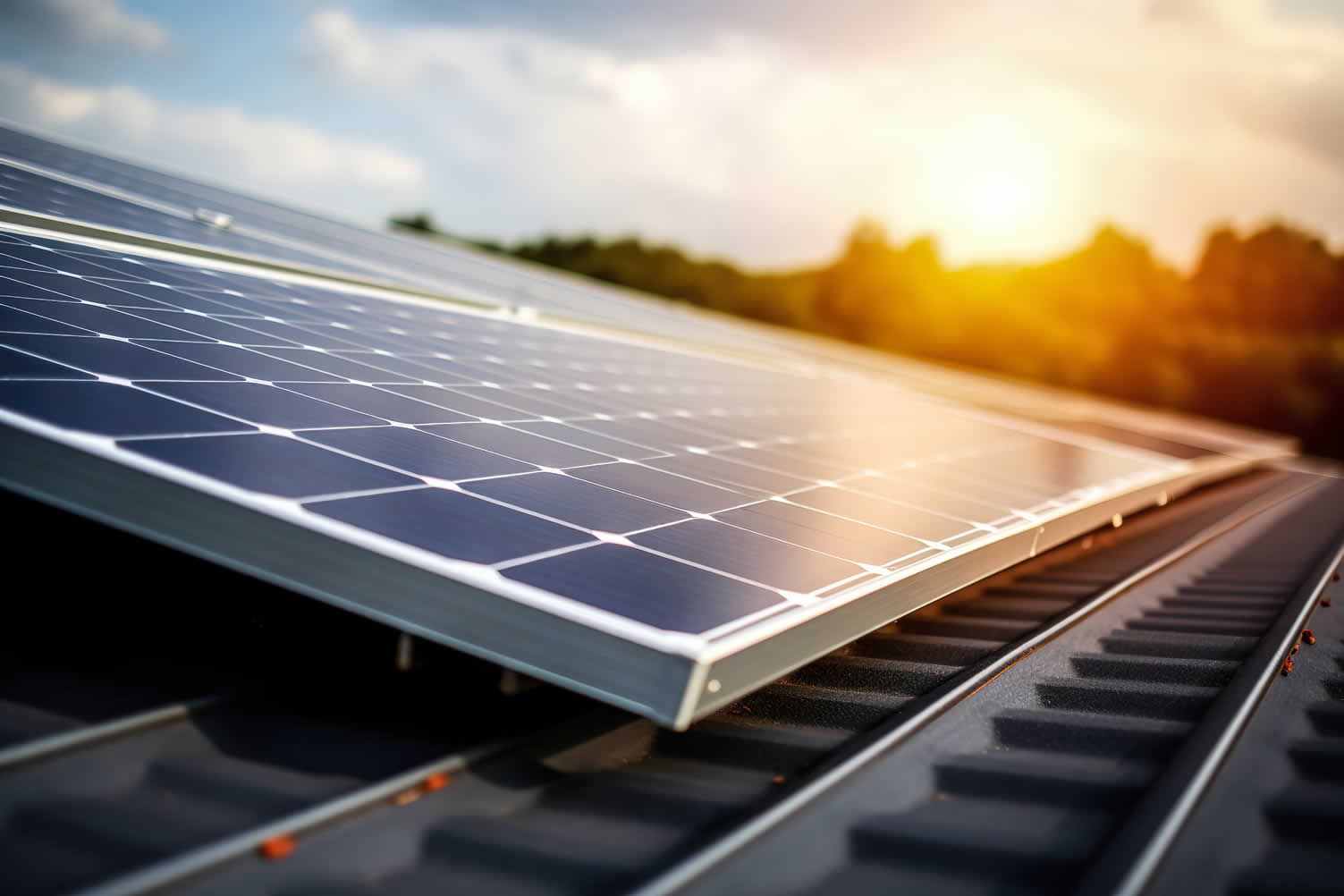
copyright image by 123rf.com
Solar Tip 2: Understanding What’s Needed
Notes:
-
After assessing your home’s energy consumption and understanding your energy needs, the next step is to consider the specifics of your solar system. This includes the components required and the overall cost.
A well-designed solar energy system is not a one-size-fits-all solution. It requires careful consideration of various factors such as your home’s location, roof space, and exposure to sunlight, in addition to your energy consumption patterns.
Determining the right size and type of system involves balancing the initial investment cost with the long-term energy savings and environmental benefits. Costs can vary significantly depending on the system’s size, the type of panels used, and additional features such as battery storage.
Fortunately, numerous financing options, rebates, and incentives are available to help make solar energy an achievable goal for many homeowners.
Understanding these components and associated costs is essential in designing a solar system that meets your specific needs while ensuring the best possible return on investment.
-
Quick scroll to “solar components” side notes …
-
-
1st: Understanding Solar Panel Components
A residential solar energy system consists of several key components, each playing a vital role in converting sunlight into usable electricity, managing energy storage, and monitoring system performance. Understanding these components is crucial for anyone considering the transition to solar power.
-
Solar Panels
Solar panels are the most visible part of the system, responsible for capturing sunlight and converting it into direct current (DC) electricity. They are typically made from silicon cells and come in various types, including monocrystalline, polycrystalline, and thin-film, each with different efficiencies and costs.
-
Inverter
The inverter is a critical component that converts the DC electricity generated by the solar panels into alternating current (AC) electricity, which is the type of electricity used by most home appliances.
Inverters come in several types, including string inverters, microinverters, and power optimizers, each offering different benefits and suited to specific system needs.
-
About String Converters
String converters, often used in larger solar energy systems, connect multiple solar panels in a series to a single inverter. This configuration can be more cost-effective for installations where the array layout allows for consistent sunlight across panels.String converters streamline the conversion process by managing the DC to AC conversion for groups of panels simultaneously. However, they might be less effective in scenarios where individual panels are frequently shaded, as the performance of the entire string is affected by the least performing panel.
This solution is ideal for installations with uniform solar exposure, offering an efficient and economical approach to energy conversion.
-
Microinverters
Microinverters are a type of inverter used in solar energy systems to convert direct current (DC) electricity generated by individual solar panels into alternating current (AC) electricity. Unlike string inverters that connect multiple panels in a series, microinverters are installed on each solar panel.This setup offers several advantages, including improved energy production from each panel, enhanced system reliability, and simplified expansion or troubleshooting.
Microinverters also allow for more detailed monitoring of individual panel performance, making it easier to identify and address issues.
-
Power Optimizers
Power optimizers are an innovative solution designed to enhance the efficiency of solar panels. Positioned between the solar panel and the inverter, they perform a similar function to microinverters by optimizing the DC electricity from each panel before it is converted to AC by the inverter.This optimization includes maximizing energy output from each panel by mitigating the impact of shading or obstructions. Additionally, power optimizers contribute to system safety by allowing for rapid shutdown of the panels’ electrical current.
Like microinverters, they also support detailed monitoring of individual panel performance, making system management more precise and efficient.
[ youtube: microinverters vs string inverter ]
[ youtube: power optimizers – what are they? ]
-
-
Wiring
Wiring facilitates the flow of electrical current from the solar panels to the inverter, and from the inverter to the home’s electrical grid.
The selection of appropriate wiring and electrical connectors is crucial for minimizing losses and ensuring the safety and efficiency of the system. It must be capable of handling the generated current under various conditions while complying with local electrical codes and standards.
Proper installation by qualified professionals is essential to prevent issues such as overheating, which can lead to system inefficiencies or even hazards.
-
Balance of System (BOS) Components
Balance of System (BOS) components encompass all parts of a solar energy system aside from the solar panels and inverters. This includes mounting hardware, wiring and electrical connectors, a monitoring system, and protective devices such as fuses and circuit breakers.BOS components are essential for safely and efficiently integrating the solar energy system with a home’s electrical system and the broader electrical grid. Proper selection and installation of these components ensure the longevity and performance of the solar installation.
[ youtube: electrical components in a solar system ]
[ youtube: wires and cables used with solar systems ]
-
-
Racking and Mounting
The racking and mounting system provides the structural support necessary to secure solar panels in place. These systems are designed to withstand environmental factors such as wind, rain, and snow, ensuring the durability and stability of the solar panels over their operational lifetime.
The choice of racking and mounting system depends on several factors, including the type of roofing, the angle of installation to maximize sun exposure, and aesthetic preferences. Proper installation is crucial to maintain the integrity of the roof and ensure the system’s overall safety and performance.
-
Monitoring System
A monitoring system enables homeowners to track the performance of their solar energy system in real-time. It provides valuable data on energy production, consumption, and overall system health, allowing for proactive management and maintenance.
Monitoring systems can be accessed via smartphone apps or web-based platforms, offering convenience and insight into the system’s performance.
-
Battery Storage (Optional)
Battery storage systems allow homeowners to store excess energy produced by their solar panels for use when the sun is not shining, such as during the night or on cloudy days. This component is essential for maximizing energy independence and can significantly enhance the utility of a solar energy system.
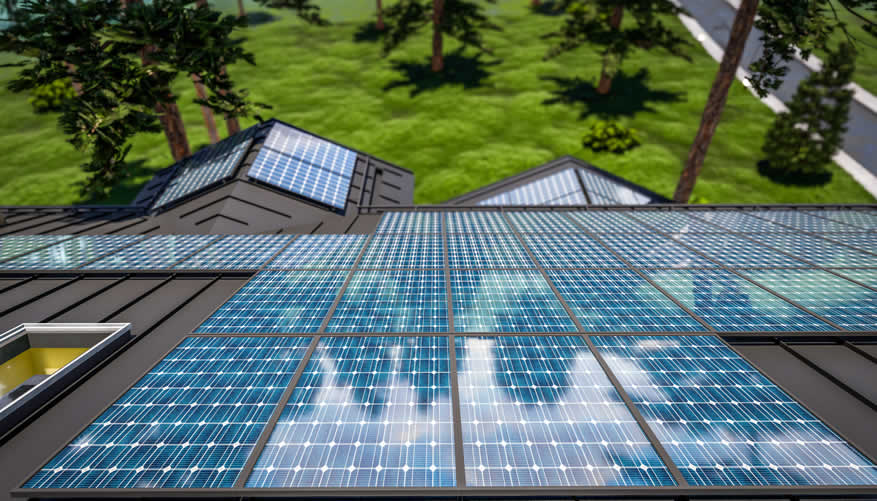
copyright image by 123rf.com
[ view diagram: home solar energy components ]
[ youtube: solar panel system components ]
-
-
2nd: Selecting the Right Solar Panels
Choosing the right solar panels is crucial for maximizing the performance and longevity of your solar energy system. Consider factors such as efficiency, durability, warranty, and aesthetics when selecting solar panels for your home.
It is also important to consider your geographical location, roof space, budget, and energy needs when selecting solar panels.
The market offers various types of solar panels, each with unique advantages and limitations. Understanding the differences among these types can help you make an informed decision that aligns with your energy goals.
-
Monocrystalline Solar Panels
Monocrystalline solar panels are known for their high efficiency and sleek design. Crafted from a single, continuous crystal structure, these panels can convert more sunlight into electricity than other types, making them an excellent option for areas with limited space.
Monocrystalline panels are characterized by their uniform dark color and rounded edges. Although they tend to be more expensive upfront, their longevity and higher efficiency may lead to greater savings in the long run.
[ view samples: monocrystalline panels ]
-
Polycrystalline Solar Panels
Polycrystalline solar panels, also known as multi-crystalline panels, are made by melting multiple silicon crystals together. They are easily recognizable by their blue, speckled appearance and squared edges.
These panels offer a more affordable alternative to monocrystalline panels but at a slightly lower efficiency rate. Polycrystalline panels are suitable for homeowners who have more available space and are seeking a cost-effective solution for their energy needs.
[ view samples: polycrystalline panels ]
-
Thin-Film Solar Panels
Thin-film solar panels are made by layering one or more thin layers of photovoltaic material onto a substrate. This technology includes a variety of solar cells, such as amorphous silicon (a-Si), cadmium telluride (CdTe), and copper indium gallium selenide (CIGS).
Thin-film panels are lightweight and flexible, allowing for a variety of installation options, including unconventional surfaces. They perform better in high-temperature and low-light conditions compared to crystalline solar panels.
However, they typically have lower efficiency rates and may require more space for the same electrical output. Thin-film panels may be the best choice for large commercial installations or areas where panel weight and flexibility are critical considerations.
[ view samples: thin-film panels ]
-
Solar Shingles
Solar shingles, also known as photovoltaic shingles, represent a blend of traditional roofing materials with modern solar photovoltaic (PV) technology. Unlike the more apparent solar panel installations, solar shingles integrate seamlessly with your existing roofing, offering a more aesthetic and less obtrusive option for homeowners.
These shingles generate electricity in a manner similar to traditional solar panels but are designed to look like conventional roofing materials. While solar shingles typically offer lower efficiency compared to standard solar panels, their attractive appearance and dual functionality as both a roof and energy source make them an appealing choice for residential applications, especially in areas with strict homeowners association regulations or for those prioritizing curb appeal.
[ view samples: solar shingles ]
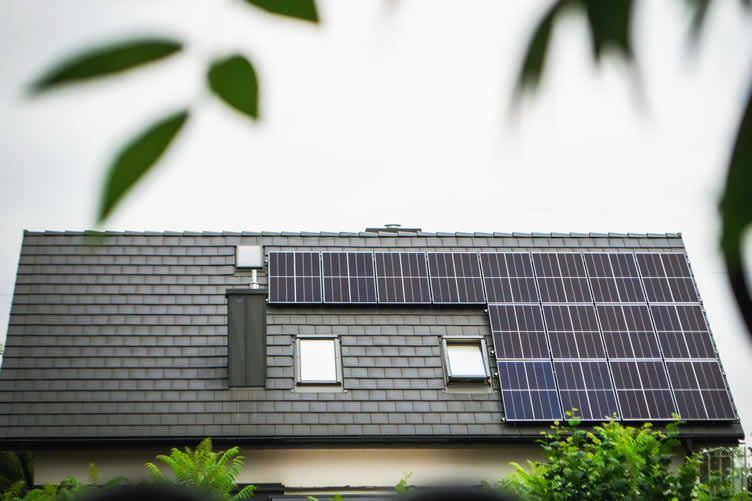
copyright image by 123rf.com
[ view diagram: types of home solar panels ]
[ youtube: types of solar panels ]
-
-
3rd: Choosing the Right System
Your choice of a solar energy system will significantly impact your experience and the system’s effectiveness. A grid-tied system, which remains connected to your local utility grid, is the most common and cost-effective option. It allows you to sell back any excess energy you produce through a process called net metering.
Conversely, off-grid systems are ideal for remote locations with no access to a utility grid but come with the added complexity of battery storage.
-
Understanding Grid-Tied Solar Systems
A grid-tied solar system, also known as a on-grid or grid-connected system, is an efficient and popular choice for many homeowners looking to harness solar power. This system operates in conjunction with the local utility grid to provide electricity to your home, offering both sustainability and reliability.
The key feature of a grid-tied system is its ability to balance energy production and consumption. During peak sunlight hours, when your solar panels produce more electricity than your home can use, the excess energy is fed back into the utility grid. In exchange, you receive credits on your utility bill through a process known as net metering.
Net metering policies vary by location, but the principle remains the same: for every kilowatt-hour (kWh) of surplus energy your system sends to the grid, you earn a credit that offsets the cost of grid electricity consumed when your panels aren’t producing—such as at night or during overcast days.
This symbiotic relationship not only reduces your electricity bills but also contributes to the sustainability of the overall energy grid by providing clean, renewable energy that can be used by others in your community.
[ youtube: how do grid-tied solar systems work? ]
[ youtube: designing a grid tie solar power system ]
-
Exploring Off-Grid Solar Systems for Residential Use
Off-grid solar systems stand as a beacon of independence in the realm of residential solar power. Unlike their grid-tied counterparts, off-grid systems operate autonomously, not connected to the local utility grid.
This system is particularly appealing for those located in remote areas without reliable access to the utility grid, or for homeowners who prioritize energy independence.
An off-grid solar system includes solar panels, battery storage, a charge controller, and often an inverter, meticulously working together to meet all the energy needs of a household.
The heart of an off-grid system lies in its battery storage, where excess energy produced during the day is stored for use during nighttime or cloudy days. This requires careful planning and sizing of the solar system to ensure it can produce and store enough power to meet the household’s energy consumption.
However, transitioning to an off-grid lifestyle also involves a higher initial investment and a deep understanding of energy management, making it a profound, yet rewarding choice for the environmentally conscious homeowner.
[ view diagram: sizing off grid solar system ]
[ youtube: how to design off grid – wire configuration ]
-
Calculating the Number of Solar Panels Needed
To calculate the number of solar panels you need not only to cover your home energy needs but also to generate excess power to sell back to the grid or to store excess power to your battery, you’ll need to consider several factors.
First, assess your household’s average energy usage, which can be found on your utility bills. This figure is typically given in kilowatt-hours (kWh) per month. Next, understand the average peak sunlight hours for your location, as solar panel output depends heavily on the amount of direct sunlight they receive.
The National Renewable Energy Laboratory (NREL) provides maps and tools to help determine this figure for your area. With these two pieces of information, you can estimate the total power output you’ll need from your solar system.
To calculate the number of panels,
- take your monthly kWh usage and divide it by the average peak sunlight hours per day, then divide by 30 to convert to a daily figure.
- divide this number by the wattage of the solar panels you’re considering (e.g., 300 watts). This gives you a rough estimate of the number of panels needed to meet your daily energy needs.
- factor in the capability to sell power back to the grid or to store to the battery, consider increasing this number by 10-20% or more, depending on your goals for energy production versus your current energy use.
Remember, consulting with a solar energy expert can provide a more tailored calculation and system design to meet your specific needs and objectives.
[ view diagram: solar system calculation ]
[ youtube: how to size your solar system ]
-
The Role of Batteries
Incorporating battery storage into residential solar systems adds a layer of independence and efficiency, enabling homeowners to maximize the use of their solar-generated electricity.
Batteries store excess energy produced during the day, making it available for use during periods when the sun isn’t shining, like at night or on cloudy days.
This storage capability not only ensures a steady electricity supply, enhancing the system’s reliability, but also further reduces dependence on the grid, leading to even greater energy bill savings.
[ view diagram: how solar battery system works ]
[ youtube: how design and size solar battery system ]
-
Types of Battery Systems for Solar
There are several types of battery systems available for residential solar power storage, each offering its own set of advantages and drawbacks:
-
Lead-Acid Batteries
- Pros: Cost-effective and well-established technology.
- Cons: Lower lifespan and efficiency; requires more maintenance and space due to their bulky size.
-
Lithium-Ion Batteries
- Pros: Higher efficiency and energy density; longer lifespan and virtually maintenance-free.
- Cons: Higher upfront cost; sensitive to high temperatures, which may require additional cooling systems.
-
Flow Batteries
- Pros: Long lifespan and the ability to discharge 100% of the stored energy without damage.
- Cons: Larger physical footprint and higher initial costs compared to other types.
-
Saltwater Batteries
- Pros: Environmentally friendly, as they do not contain heavy metals; easy to recycle.
- Cons: Newer technology, which may lead to uncertainties about long-term reliability and performance.
-
Choosing the right battery system for your residential solar setup involves weighing these pros and cons against your specific energy needs, budget, and environmental considerations.
Proper integration of a suitable battery system significantly enhances the self-sufficiency and sustainability of solar-powered homes, pushing the boundaries of what is possible with renewable energy technology.
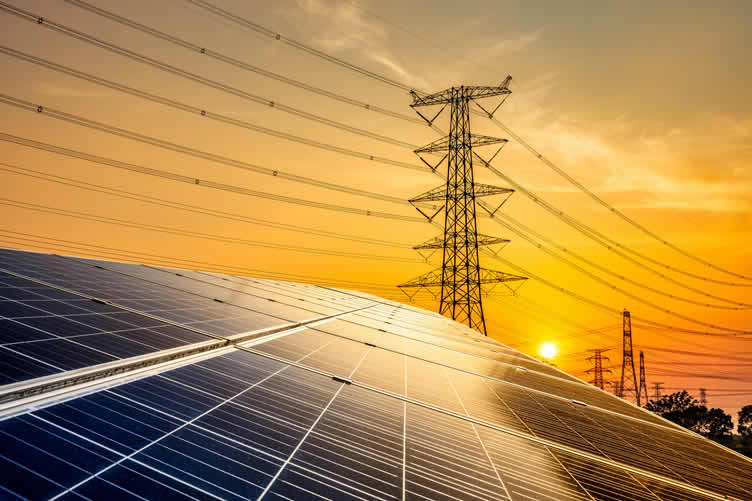
copyright image by 123rf.com
[ youtube: choose solar wisely and avoid costly mistakes ]
[ youtube: solar panel comparison ]
-
-
4th: Monitoring Your Residential Solar System
To truly harness the power of your residential solar system and maximize its usage, implementing a robust monitoring solution is essential.
Many modern solar systems come equipped with real-time monitoring capabilities accessible via mobile apps or web interfaces. This technology allows homeowners to track energy production, consumption patterns, and system health with ease.
By analyzing this data, you can make informed decisions on how to optimize electricity use, thereby enhancing efficiency and ensuring that your solar investment is performing at its peak. Additionally, regular monitoring can help identify any potential issues or maintenance needs early, preventing costly repairs and downtime.
For those with storage options, understanding how to manage stored energy during peak and off-peak hours can lead to significant savings. Monitoring not only contributes to the effective management of your solar system but also promotes a deeper understanding of your overall energy consumption and environmental impact.
-
Grid Connection and Earning Exchange Credits
Connecting your residential solar system to the grid opens up the possibility of earning exchange credits through net metering. Net metering is a billing mechanism that credits solar energy system owners for the electricity they add to the grid.
For example, if your solar panels produce more electricity than your home uses during daylight hours, excess power can be exported back to the grid in exchange for credits. These credits can then be used to draw electricity from the grid when your system is under-producing, such as during nighttime or on cloudy days.
To facilitate this process, it’s crucial to work with your local utility company to ensure your system is correctly set up for net metering. This may involve installing a special meter that can track both the electricity you consume from the grid and the excess energy your solar panels supply to it.
Understandably, policies and compensation rates for net metering vary by location and utility provider, so it’s important to familiarize yourself with your region’s regulations and incentives.
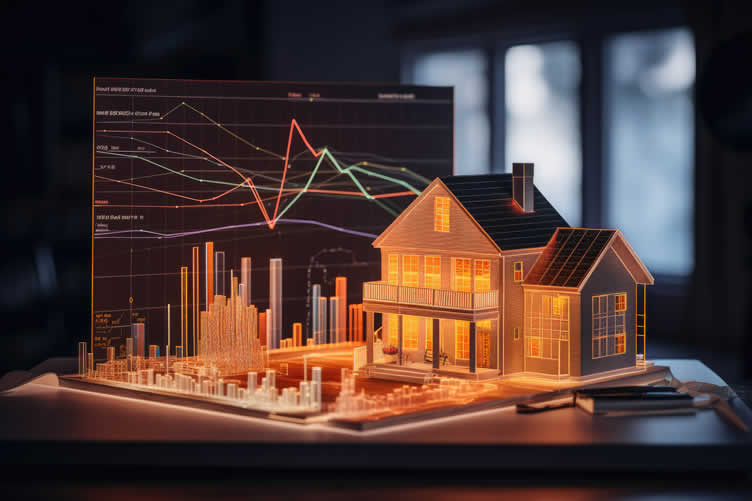
copyright image by 123rf.com
[ youtube: how to avoid solar panel scams ]
[ see topic below: monitoring solar panel usage ]
-
-
5th: Alternative Locations for Solar Panel Installation
While rooftop solar installations are the most common, there are several alternative locations for setting up a solar system if your roof isn’t suitable. Factors such as shading, roofing material, or structural issues can render a roof unfit for solar panel installation. In such cases, considering other locations is essential for harnessing solar energy efficiently.
Ground-mounted solar systems are a viable alternative, offering the flexibility to orient and tilt the panels for optimal sun exposure. This setup can be more efficient than rooftop installations since the angle and direction can be adjusted to maximize energy production.
However, ground-mounted installations require sufficient land space and may be subject to different zoning laws and aesthetic considerations.
Another option is installing solar panels on carports or pergolas, which not only generates clean energy but also provides additional benefits such as covered parking and enhanced outdoor living spaces. Solar carports, in particular, have grown in popularity due to their dual functionality and aesthetic appeal.
Considering these alternatives requires thorough evaluation and planning, taking into account local regulations, site conditions, and energy needs. Nevertheless, exploring different locations for your solar system ensures that you can still achieve sustainability goals, despite any limitations presented by your property’s roof.
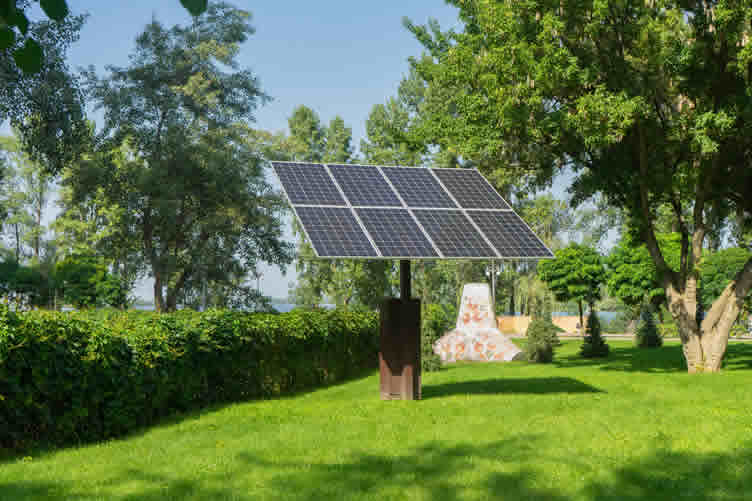
copyright image by 123rf.com
[ view ideas: backyard solar panels ]
[ youtube: the solar canopy ]
-
-
ideas to view and compare from the information discussed above
Scroll up to directory … or scroll to next section about installing a solar energy system …
 … grab this directory of ideas

pricing home solar systems





home remodeling – improvement – repair
May We Suggest Other Photo Remodeling Ideas About
“Working In The Garden …” (new win)



third “photo remodeling” idea
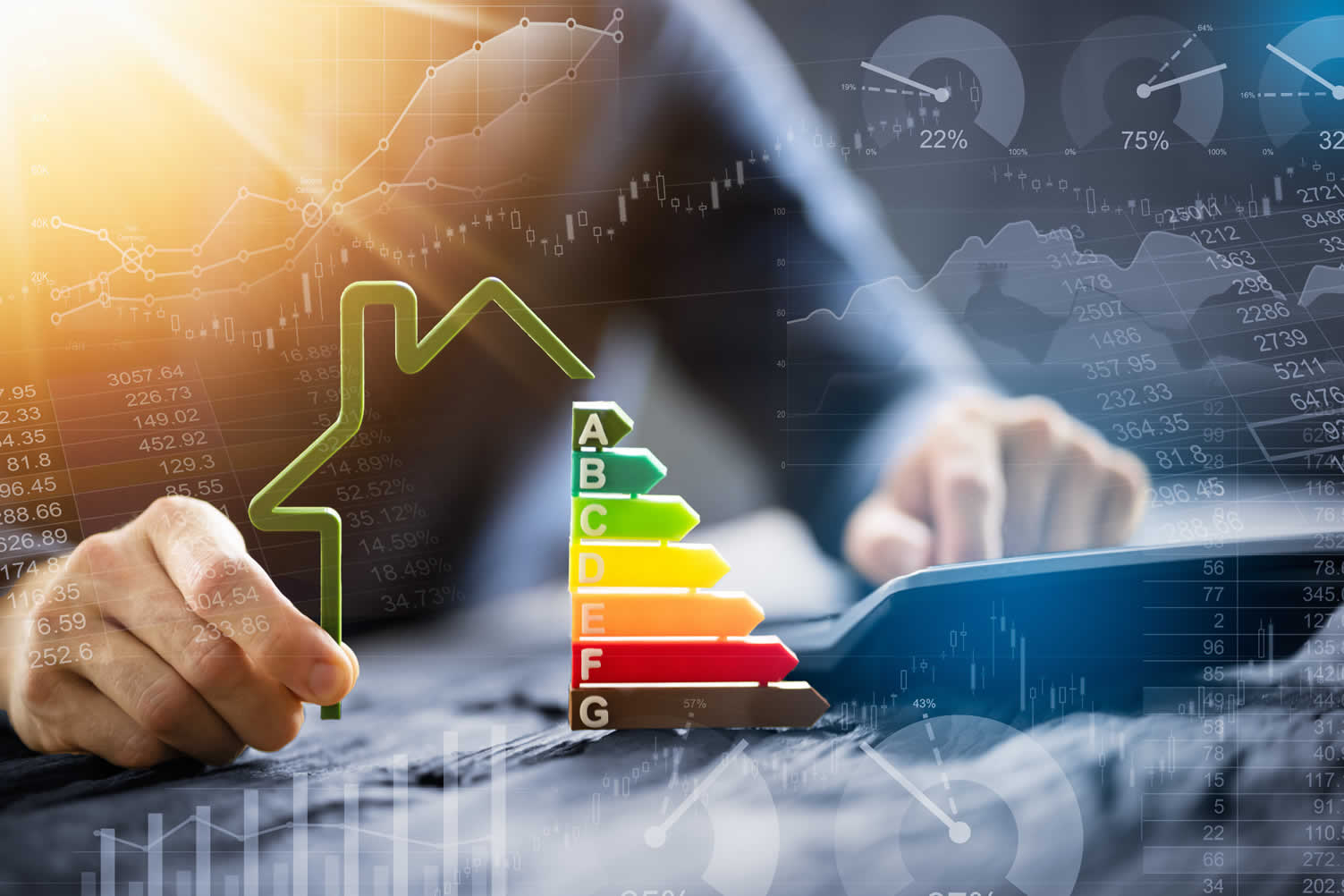
copyright image by 123rf.com
Solar Tip 3: Pricing for Various Residential Solar Systems
Notes:
-
When considering solar energy for your home, understanding the costs involved is crucial. The pricing of residential solar systems can vary widely based on factors such as the size of your system, the type of batteries you choose to incorporate, and any additional features or equipment you require.
- System Size:
Larger systems naturally cost more than smaller ones. - Equipment Quality:
Higher quality panels, inverters, and other components will typically cost more. - Location:
Costs can vary depending on local permitting fees, labor costs, and available incentives. - Roof Complexity:
Installing solar panels on a complex roof will likely be more expensive than a simple roof. - Battery Storage:
Adding battery storage significantly increases the overall system cost.
- System Size:
-
Quick scroll to “pricing and financing” side notes …
-
-
1st: Estimated Pricing Levels
Below, we break down the pricing into segmented sections to help you better understand what to expect at different budgeting levels.
Price range estimates are for residential solar systems in the United States, before applying any tax credits or incentives
(does not include installation costs)
-
Entry-Level Systems
- Price Range: $7,500 – $15,000+
- Description: These systems typically include basic solar panel setups without storage options. They are suited for small to medium-sized homes with lower energy demands. The lower price point reflects a smaller number of panels and potentially lower efficiency rates, but these systems still significantly reduce reliance on the grid and lower electricity bills.
-
Mid-Range Systems
- Price Range: $12,000 – $20,000+
- Description: These systems offer a balance between cost and performance, often including a small to medium-sized battery storage component to enhance energy independence. They provide a more significant offset of energy costs and are designed for medium to large homes with moderate energy consumption.
-
Premium Systems
- Price Range: $18,000 – $40,000+
- Description: Premium systems are equipped with high-efficiency solar panels, large capacity battery storage, and often additional features like enhanced energy management systems. They are tailored for large homes with high energy demands or those seeking nearly complete independence from the electrical grid. The higher investment brings superior performance, longevity, and savings in the long term.
The choice of system ultimately depends on your energy needs, budget, and long-term sustainability goals. Keep in mind that many regions offer incentives, rebates, or tax credits that can significantly offset the initial investment in solar technology.
Additional expenses to consider in the total solar package include installation costs, maintenance, and potential rises in home insurance premiums.:
-
Installation and Setup Costs
In addition to the equipment costs listed above, potential solar system owners should factor in installation and setup costs, which can vary widely depending on location, the size of the system, and the complexity of the installation.
On average, installation and setup costs can range from $1,000 to $5,000 for basic systems, $4,000 to $8,000 for mid-range systems, and can exceed $10,000 for premium systems with complex installation requirements.
These costs include labor, additional materials needed for installation, permits, and potentially an initial consultation or site assessment by the solar provider.
It’s also important to consider that some installers offer competitive packages that include both equipment and installation at a bundled price, potentially offering savings compared to purchasing equipment and installation services separately.
Always seek multiple quotes and inquire about any hidden costs to ensure a transparent and cost-effective installation process.
-
Impact on Home Insurance Costs
When installing solar panels, homeowners should also consider the potential impact on their home insurance costs. Typically, solar installations increase the value of a home, which can, in turn, lead to a rise in home insurance premiums.
This increase is largely because the insurance company may need to cover a higher amount in the event of damage to the property. However, the extent of the increase in insurance costs can vary widely depending on the insurer, the location of the property, and the specifics of the solar panel installation.
It’s advisable for homeowners to contact their insurance provider before installing solar panels to understand how their premiums might change. Some insurers offer specialized solar panel insurance coverage which might be beneficial.
-
Maintenance and Repairs
In addition to the upfront costs associated with purchasing and installing solar panels, homeowners should also factor in the ongoing cost of maintenance. Regular maintenance tasks, such as cleaning the panels to ensure they operate at peak efficiency and inspecting them for any needed repairs, can add to the total cost of ownership.
While these maintenance costs are generally not exorbitant, they can accumulate over the lifespan of the solar panel system. It’s beneficial for homeowners to set aside a small annual budget for these maintenance activities to mitigate any unexpected expenses and maintain the system’s performance and longevity.
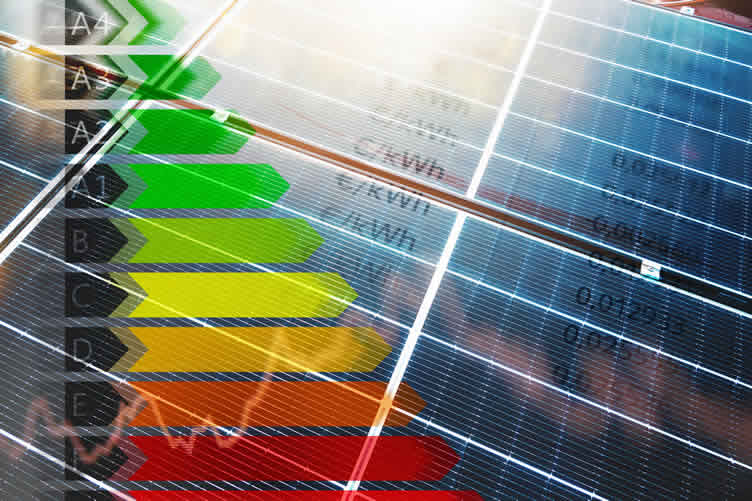
copyright image by 123rf.com
[ view info: estimated local panel costs ]
[ view diagrams: solar panel installation prices ]
-
-
2nd: Budgeting and Calculating ROI
The initial cost of a solar installation can be significant, but various factors contribute to the overall value and eventual cost savings. To budget effectively, consider the size of the system required to meet your energy needs, potential tax credits and incentives, and the cost differences between installation types.
When budgeting for a residential solar system, consider the following items:
- Initial Equipment Costs:
This includes the solar panels, inverter, mounting hardware, and wiring. - Installation and Labor Costs:
Professional installation fees and any additional labor required for your specific setup. - Permits and Inspections:
Costs associated with obtaining necessary permits and inspections required by local regulations. - Maintenance Costs:
While minimal, periodic maintenance may be needed to ensure optimal performance. - Potential Upgrades:
Budget for future technology upgrades or expansions to your system. - Energy Storage Systems:
If considering battery storage solutions, include the cost of the batteries and related equipment. - Insurance Cost Increases:
Assess any potential increases in home insurance premiums due to the addition of solar panels.
Calculating ROI involves comparing the upfront costs against the amount saved on energy bills over time. Solar panels typically have a lifespan of 25-30 years, offering long-term savings on electricity costs.
Additionally, solar installations can increase property values, contributing to ROI. Local incentives, such as rebates and tax breaks, can significantly reduce initial costs and improve ROI.
It’s important to conduct a detailed analysis, taking into account energy consumption patterns, to accurately estimate savings and payback periods. Consulting with solar energy professionals can provide tailored financial advice and help maximize your investment in sustainable energy.
Calculating the return on investment (ROI) for your system is relatively straightforward. Consider the total cost, subtract the value of financial incentives, and estimate your annual savings on electricity.
Divide this by the initial investment to find the payback period, typically between 5 and 10 years. The ROI over the system’s 25-30 year lifespan can be substantial.
-
Calculating ROI Example
To illustrate how to calculate the ROI of a solar energy system, consider the following example:
Suppose the total cost for installing a solar energy system in your home is $20,000. After applying a federal tax credit of 26%, the cost is reduced by $5,200, making the adjusted cost $14,800. If your local government offers a rebate of $1,000 and you qualify for $500 in renewable energy credits, your final cost would be $13,300.
If your average monthly electricity bill is $100, installing solar panels would save you $1,200 annually. Using the final adjusted cost of your system:
\$13,300 (final cost) / \$1,200 (annual savings) = approximately 11 years to break even.
Given that most solar energy systems have a lifespan of 25-30 years, your system would continue to generate savings long after the payback period, significantly enhancing the ROI over time.

copyright image by 123rf.com
[ youtube: calculate your solar panel payback ]
[ youtube: solar panels: is it still worth it? ]
- Initial Equipment Costs:
-
3rd: Finding and Applying for Solar Incentives
The upfront cost of a solar energy system can be sizable, but numerous financial incentives can help offset expenses. Federal tax credits, state and local rebates, and renewable energy credits can significantly reduce the cost of installation.
In addition, there are various financing options available, including solar loans, power purchase agreements (PPAs), and leasing programs.
A key starting point is the Database of State Incentives for Renewables & Efficiency® (DSIRE), a comprehensive resource for finding state, local, federal, and utility-based incentives.
By visiting [DSIRE](http://www.dsireusa.org), homeowners can search for available incentives by entering their zip code.
Another pivotal resource is the U.S. Department of Energy’s website, which provides updated information on federal tax credits for solar installations.
Homeowners are also encouraged to contact their local utility companies directly, as many offer rebates or incentive programs for solar energy adoption that are not widely advertised.
When applying for these incentives, it’s essential to compile all necessary documentation, such as installation invoices and the IRS Form 5695 for federal tax credits. For local rebates, contacting municipal or state energy offices can provide specific application guidelines.
Acting swiftly is also crucial since many programs have application deadlines or are capped at a certain funding level, operating on a first-come, first-served basis.
-
Summary List:
Finding the specific tax incentives, rebates, and other financial programs available for installing residential solar power in your area requires checking several resources:
-
Database of State Incentives for Renewables & Efficiency (DSIRE):
This comprehensive resource by the US Department of Energy provides a searchable database of incentives and rebates offered by states, local governments, and utilities. You can search by state and technology type (solar) to find relevant programs in your area: https://www.dsireusa.org/ -
State Government Websites:
Many state government websites have dedicated sections on energy and renewable energy, where they list available incentives and programs. Look for the website of your state’s energy office or department of environmental protection. -
Local Government Websites:
Some cities and counties also offer their own solar incentives or rebates. Check the website of your local government for information on any programs they may offer. -
Your Utility Company:
Your electricity provider may offer net metering programs or other incentives for solar panel installation. Contact your utility company directly to inquire about their offerings. -
Solar Installers:
Reputable solar installers in your area typically stay updated on available incentives and can help you navigate the process of claiming them. They can also factor these incentives into your system quote, providing a more accurate picture of your potential savings.
-
-
Note About Tax Credits
One significant financial incentive for homeowners considering solar panel installations is the availability of solar system tax credits. In an effort to encourage renewable energy use, the federal government, as well as some state governments, offer tax credits to reduce the cost of solar systems. These credits allow homeowners to deduct a portion of the cost of installing solar panels from their taxes.
To benefit from these tax credits, homeowners must first ensure that their solar installation qualifies under the specific guidelines set by the government. Typically, the solar system must be installed at a primary or secondary residence and must be new or being used for the first time. The credit is claimed by filling out a specific form as part of the homeowner’s tax return for the year the system was installed.
It’s crucial for homeowners to keep all receipts and documentation related to the purchase and installation of the solar panels, as this will be required when claiming the tax credit. The percentage of the cost that can be claimed, as well as deadlines and caps on the credit, may vary by the federal and state program, so it’s important for homeowners to research the specifics of the tax credit available to them.
It’s important for homeowners to note that the solar tax credit functions as a deduction from the taxes they owe, rather than a direct payout or rebate. This means if a homeowner is eligible for a $1,000 solar system tax credit, that amount is deducted from the total taxes they owe to the government for that fiscal year.
If, for instance, the homeowner owes $5,000 in taxes and is eligible for a $1,000 credit, they would then owe $4,000. This distinction is crucial as it emphasizes the credit’s role in reducing tax liability rather than offering an upfront cash benefit.
However, the solar tax credit cannot exceed your total tax liability. This is due to its "nonrefundable" nature in tax terms. In simple terms, if the credit reduces your tax bill to less than zero, the IRS won’t issue a refund. Nonetheless, you can carry over any unused credit to offset taxes in the next year.
(see Internal Revenue Service. Instructions for Form 5695)
Consulting with a tax professional can also be valuable to ensure that homeowners maximize their tax credits and comply with all applicable laws and regulations regarding solar energy systems.
copyright image by 123rf.com
[ youtube: solar tax credit explained ]
[ youtube: how avoid solar panel scams ]
-
-
4th: Financing and Leasing Considerations
When determining the feasibility of solar panel installation, understanding the various financing and leasing options available is crucial. While purchasing a system outright with cash can offer the highest long-term savings and increase the value of your home, not every homeowner has the immediate funds to cover the upfront costs.
Financing or leasing a solar system can make solar energy accessible to a broader range of homeowners by spreading out the costs over time or avoiding them entirely upfront.
-
Financing Options for Home Solar Systems
- Solar Loans:
Similar to home improvement loans, solar loans can cover the entire cost of your solar system. The terms can vary widely, but they generally range from 5 to 20 years. Interest rates can also vary, and they play a significant role in the overall cost of your system over time. - Home Equity Loans:
Leveraging the equity in your home can be a cost-effective way to finance a solar system due to the potential for low-interest rates and tax-deductible interest. However, your home serves as collateral, which introduces a level of risk. - PACE Financing (Property Assessed Clean Energy):
This option ties the financing of your solar system to your property’s assessed value and repays it through your property tax bill over time. Availability varies by state and local government offerings.
- Solar Loans:
-
Leasing Options for Home Solar Systems
- Solar Leases:
With a solar lease, you pay a fixed monthly fee for using the solar energy system installed on your roof. The leasing company owns the system, and they are responsible for maintenance and repairs. Leases typically last between 15 and 25 years. - Power Purchase Agreements (PPAs):
PPAs are similar to leases in that the solar company owns and maintains the system on your property. However, instead of a fixed monthly lease payment, you agree to purchase the power generated by the system at a set per-kWh price, which is usually lower than the local utility’s price.
Each financing and leasing option comes with its own set of benefits and considerations. Homeowners should weigh the long-term savings, potential risks, and their personal financial situations carefully before deciding on the best path forward.
Consulting with a financial advisor or solar energy consultant can provide valuable insights tailored to your specific circumstances.
- Solar Leases:

copyright image by 123rf.com
[ youtube: dirty secrets of solar financing ]
[ youtube: should I finance solar panels? ]
[ youtube: buying vs. leasing solar panels ]
-
-
-
ideas to view and compare from the information discussed above
Scroll up to directory … or scroll to next section about installing a solar energy system …
SHARE IT ..! You might have someone in your social network who could find this informative post on how simple renovations can boost your mental health valuable. Feel free to share it on Facebook, Twitter, LinkedIn, or Pinterest!


making green energy decisions
view illustration “becoming a bank”
fourth “photo remodeling” idea
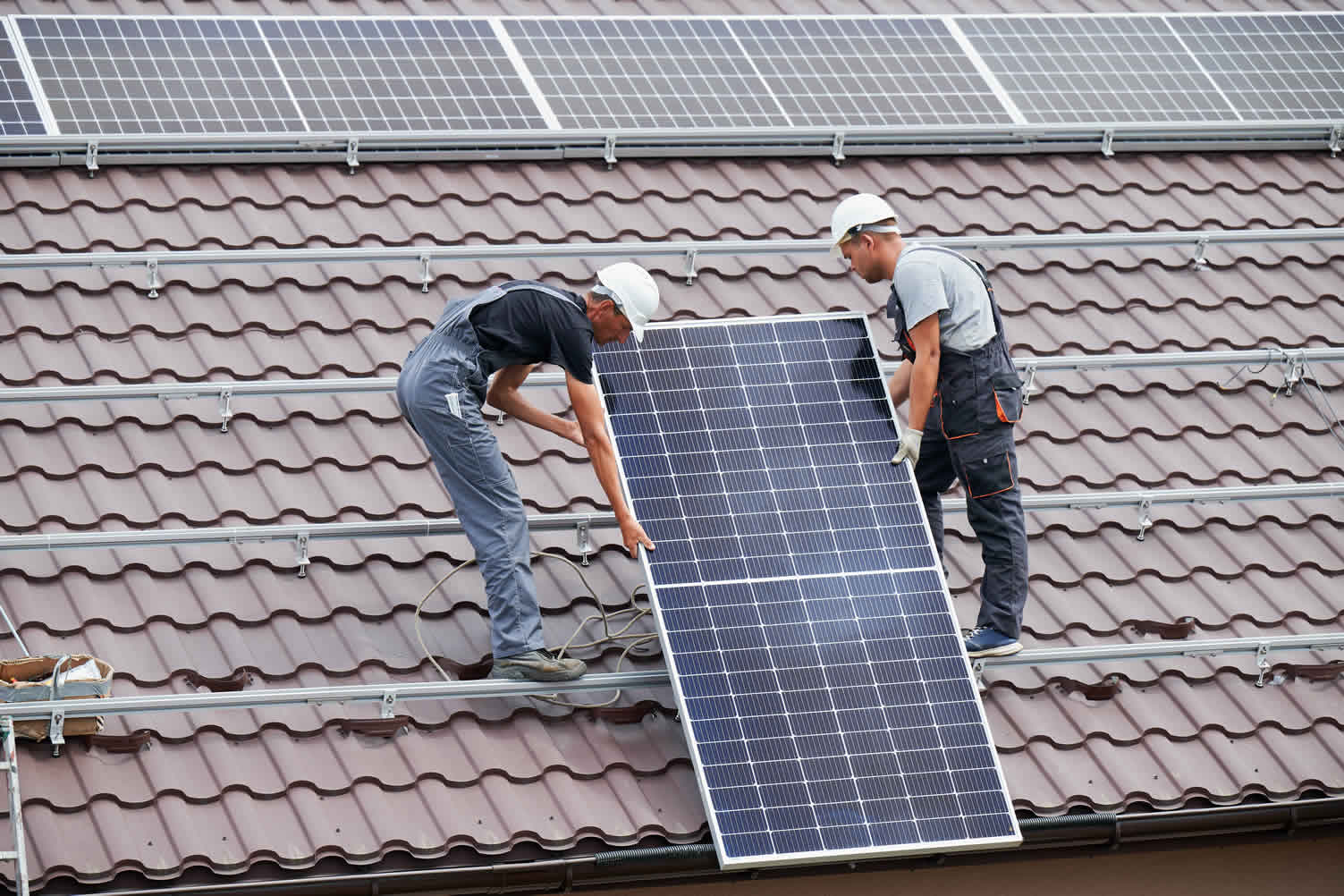
copyright image by 123rf.com
Solar Tip 4: Installation and Setup
Notes:
-
The installation of a solar energy system is a substantial project that demands specialized knowledge and skills. It is crucial to choose installers with a solid background, extensive experience in similar projects, a track record of successful installations, and positive feedback from satisfied customers.
Opting for local companies can be advantageous as they are likely well-versed in the specific regulations, local permits, and available incentives in your area, ensuring a smoother and more tailored solar system installation process.
The installation process typically involves the following steps:
- Site Inspection:
The installers will assess your property to determine its suitability for solar panel placement, taking into consideration factors such as roof orientation, shading, and structural integrity. - Design and Estimation:
Based on the site inspection results, a customized system design with an estimated cost will be drafted for your review and approval. This design will include details such as the number and placement of panels, inverters, and other necessary equipment. - Permit Acquisition:
Before installation can begin, the installers will obtain any necessary permits from local authorities to ensure compliance with building codes and regulations. - Installation:
This step involves mounting the panels on your roof or ground, wiring them to your home’s electrical system, and connecting them to the grid. The installation process can take anywhere from one day to a few weeks, depending on the size and complexity of the system. - Inspection:
Once installed, a final inspection will be conducted by local authorities or a third-party agency to ensure compliance with safety standards and building codes. - Activation:
Upon passing the inspection, your system will be activated and connected to the grid to begin generating clean energy for your home.
- Site Inspection:
-
Quick scroll to “solar installation” side notes …
-
-
1st: Obtaining Permits and Approvals
Before installing a residential solar system, obtaining the necessary permits and, if applicable, homeowner association (HOA) approval, is crucial. Local building permits ensure that your solar installation complies with municipal safety standards and zoning laws.
Permit requirements vary depending on location and can include building permits, electrical permits, and zoning approvals. The process typically involves submitting detailed plans of your proposed system to the local building department for review. This might include site plans, electrical diagrams, and specifications of the solar panels and mounting equipment.
A reputable solar installer will handle the permitting process on behalf of the homeowner, ensuring compliance with local regulations and codes.
For those living in communities governed by an HOA, securing approval might be an additional step. HOAs often have specific guidelines regarding the appearance and placement of solar panels to maintain the aesthetic uniformity of the neighborhood.
It’s advisable to review your HOA’s covenants, conditions, and restrictions (CC&Rs) before planning your installation. Submitting a detailed proposal to your HOA, highlighting how the solar installation will be done tastefully and in accordance with community standards, can improve your chances of approval.
Some states have laws that limit the ability of HOAs to deny solar installations, but it’s always best to proceed with clear communication and understanding of the rules.
-
Installation and Commissioning
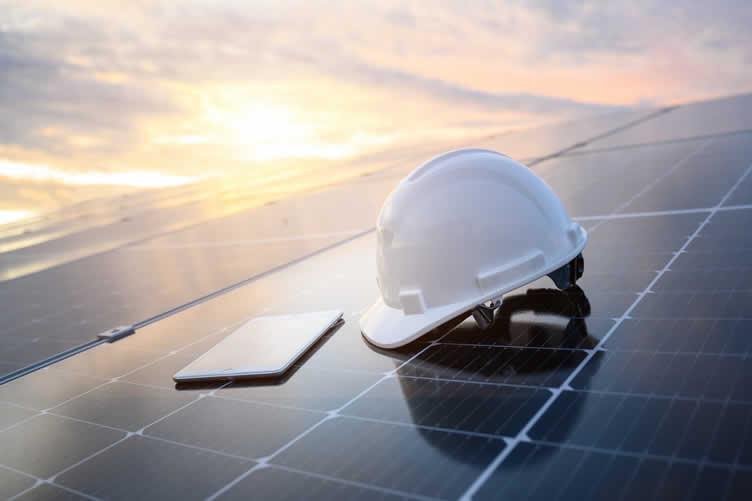
Once all necessary permits and approvals are obtained, the solar installation process can begin. Professional solar installers will carefully install the solar panels, inverters, and other system components according to manufacturer specifications and industry best practices.
After installation, the system will undergo testing and commissioning to ensure proper functionality and performance. The installation process typically takes a few days to complete, depending on the size and complexity of the system.
copyright image by 123rf.com
[ view diagram: solar installation permit ]
[ youtube: navigate solar permitting process ]
-
-
2nd: Mounting Residential Solar Systems
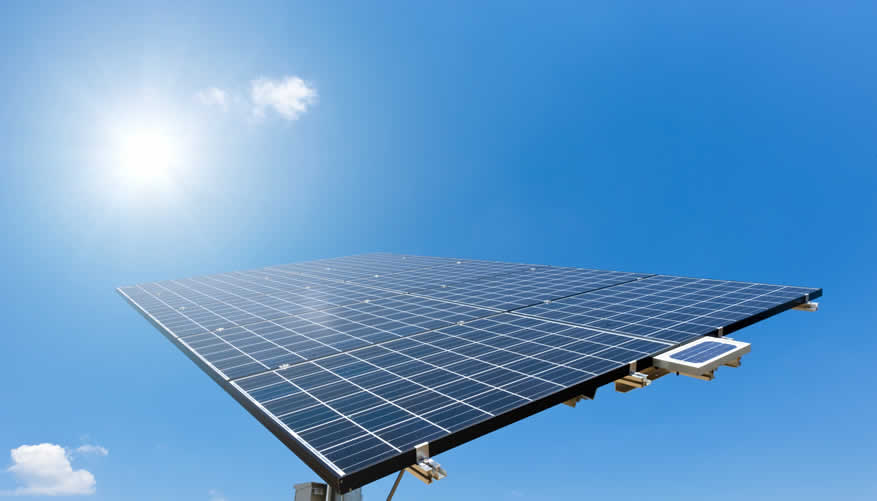
Mounting solar panels on your roof is a critical step in the installation of a residential solar system. This process requires careful planning and precision to ensure that the panels are securely attached and optimally positioned to capture sunlight.
-
Evaluating Roof Structure and Material
The first step in mounting solar panels is to evaluate the condition and suitability of your roof. This involves assessing the structural integrity of the roof to ensure it can support the weight of the solar panels.
Additionally, the type of roofing material can affect the mounting technique. Common roofing materials like asphalt shingles, metal, and tile each require different mounting hardware and installation methods.
-
Choosing the Right Mounting Hardware
Selecting the appropriate mounting hardware is essential for securing the solar panels to the roof. There are two primary types of mounting systems: flush mounts and raised mounts.
Flush mounting systems are used for most residential installations as they offer a sleek, low-profile appearance. Raised mounts, on the other hand, provide better air circulation around the panels, which can improve performance in hot climates.
The choice of mounting system will depend on the roof type, angle, and the specific energy needs of the household.
-
Installation Process
The installation of solar panels typically begins with setting up the mounting hardware, which involves securing mounting brackets to the roof. These brackets must be anchored directly into the roof’s rafters to provide sufficient support.
Next, metal rails are attached to the brackets, upon which the solar panels are mounted. The panels are then connected to each other and to the home’s power system. Finally, all connections are secured, and weatherproofing measures are applied around the mounts to prevent leaks.
-
Safety Considerations
It is crucial to prioritize safety throughout the mounting process. This includes using proper safety equipment such as harnesses and helmets, and ensuring that all electrical work is performed by a qualified electrician.
Considering the complexity and potential hazards involved in mounting solar panels, many homeowners opt to hire professional solar installers who are experienced in safely and efficiently mounting systems to various roof types.
copyright image by 123rf.com
[ view diagram: roof mounting systems ]
[ youtube: roof mount vs ground mount ]
-
-
3rd: Connecting the Utility Grid
After the physical installation of solar panels, the next crucial step is connecting the solar system to the utility grid. This process enables homeowners not only to use electricity from their solar panels but also to feed excess energy back into the grid, often receiving credits from their utility company through a process known as net metering.
The process of connecting a solar system to the utility grid involves several essential steps to ensure safety and compliance with local regulations and utility company requirements.
-
Obtaining Permission
Before connecting to the grid, homeowners must first obtain permission from their local utility company. This typically involves submitting detailed plans of the solar installation, including an electrical diagram. The utility company will review these plans to ensure they meet all technical and safety standards.
-
Installing a Bi-Directional Meter
Once approval is granted, a bi-directional meter must be installed. This meter has the capability to track both the electricity drawn from the grid and the excess electricity generated by the solar panels and sent back to the grid.
-
Electrical Inspection
An electrical inspection by a certified professional is usually required to ensure that the installation complies with local electrical codes and safety standards. This inspection may need to be scheduled with the local government or a designated inspector.
-
Final Connection
After passing the electrical inspection, the final step involves the physical connection of the solar system to the utility grid. The utility company may perform this step, or it might allow a certified electrician to make the connection.
Once connected, the utility company will finalize the setup by activating the bi-directional meter.
copyright image by 123rf.com
[ youtube: how grid solar works ]
[ youtube: ugly truth behind grid-tie solar systems ]
-
-
4th: DIY vs. Professional Solar Installer
When considering the installation of a rooftop solar system, homeowners must decide between undertaking the project as a do-it-yourself (DIY) endeavor or hiring a professional solar installer.
While a DIY solar project might appeal as a cost-saving measure, it’s important to understand the complexities and risks involved. A successful solar installation requires a thorough knowledge of electrical systems, a grasp of local building codes, and the ability to safely work at heights.
Furthermore, professional installers often provide warranties and can ensure that the system is efficiently designed and eligible for any available incentives.
-
Taking the DIY Approach
Opting for a DIY approach to solar installation can be a rewarding project, but it requires careful planning and execution. Here are the key steps to follow:
- Education and Research:
Begin by educating yourself on solar energy fundamentals and the specifics of home solar systems. Research local regulations and permit requirements which can vary significantly by location. - Design and Planning:
Design your system based on your energy needs and roof space. This includes selecting the right type of solar panels and inverters. Be realistic about your capabilities and consider consulting with an expert for the design phase. - Permitting and Approval:
Before purchasing equipment or starting the installation, obtain all necessary permits. This often involves submitting your system design for review and ensuring it complies with local codes and regulations. - Procuring Equipment:
Purchase the solar panels, inverters, mounting equipment, and other required components from a reputable supplier. Ensure compatibility among components to avoid issues during installation. - Installation:
Carefully install the solar panels, mounting system, inverters, and electrical wiring. Safety is paramount during this step, especially when working at heights or with electrical components. - Inspection and Connection:
After installation, arrange for a professional inspection as required by local regulations. Following approval, make the final connection to the electrical grid, often under the guidance or supervision of a professional.
By meticulously following these steps, homeowners can successfully undertake a DIY solar installation. However, it’s crucial to assess the complexity of the project and one’s own skill level before proceeding, as mistakes can lead to safety hazards or reduced system efficiency.
- Education and Research:
-
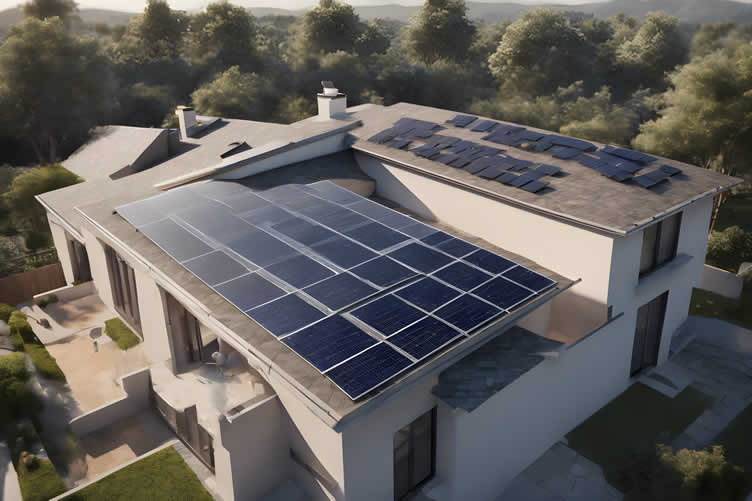
Taking the Professional Route
Opting for a professional solar installer brings multiple benefits that ensure the efficiency, reliability, and safety of your solar energy system.
Firstly, professionals possess the expertise to accurately assess your energy needs and tailor the system design to your specific requirements, securing optimal performance. They are also familiar with the latest technologies and can recommend high-quality equipment that offers long-term reliability.
Furthermore, professionals navigate the permitting process efficiently due to their familiarity with local regulations and codes. Their experience ensures that the installation complies with all safety standards, minimizing risks of electrical or structural issues.
Importantly, many offer warranties and ongoing maintenance services, providing peace of mind and protecting your investment.
Lastly, professional installation can significantly enhance the system’s efficiency and potentially increase your property value, making it a wise choice for those seeking to maximize the benefits of solar energy.
In summary, while a DIY approach may offer initial cost savings, the expertise and comprehensive service offered by professional solar installers often present a more appealing and secure investment for homeowners looking to adopt solar energy.
LetsRenovate has partnered with HomeAdvisor™, a renowned provider of highly-rated, carefully-vetted solar contractors. Start your search here by entering your zip code to find local professionals.
AI generated image by 123rf.com
But Wait!
Before starting the search and evaluation process for contractors, it is highly recommended to download and utilize this comprehensive worksheet. This will help ensure that you have all the necessary information and tools at your disposal to make informed decisions and streamline the entire process.
This resource will assist in impartially ranking and evaluating potential contractors, taking into consideration essential factors such as pricing,

Evaluation Sheet
File Type:
[ view diagram: do it yourself solar power? ]
[ youtube: how to design your system ]
-
-
-
ideas to view and compare from the information discussed above
Scroll up to directory … or scroll to next section about installing a solar energy system …
below for …
solar and other green services





Find Energy Efficient Services Insulation Windows-Insulation Ducts & Vents Thermostats Solar Installation Skylights Home Automation Generators Home Automation Electrical Wiring Networks/Phone Computers/ Media Home Security Alarms top-rated, pre-screened local contractors FREE: download contractor selection enter zip code – powered by HomeAdvisor ™
Quick Contractor Guides selecting negotiating working with inspecting

fifth and last “photo remodeling” idea

copyright image by 123rf.com
Solar Tip 5: Monitoring and Maintaining Solar System
Notes:
-
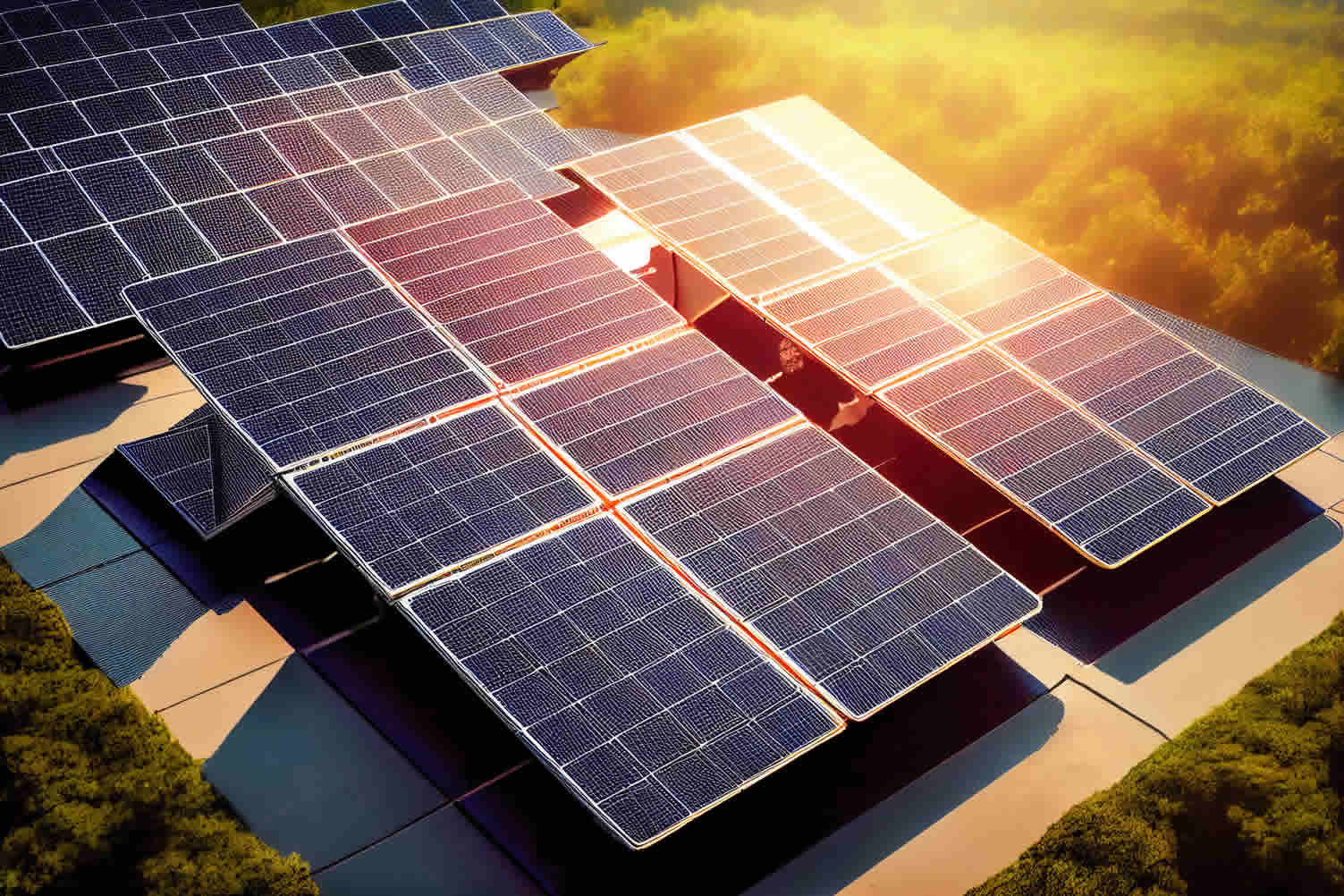
After the solar energy system is up and running, regular monitoring and maintenance are essential to ensure optimal performance and longevity. Most modern solar systems come equipped with monitoring software that allows homeowners to track energy production and system performance in real time.
Additionally, annual maintenance checks by a professional solar technician can help identify and address any issues before they escalate. Routine maintenance tasks can include cleaning the solar panels, inspecting electrical connections, and updating software as needed.
-
Quirk scroll to topic "solar management" side notes …
-
-
1st: Monitoring Your Home Solar System
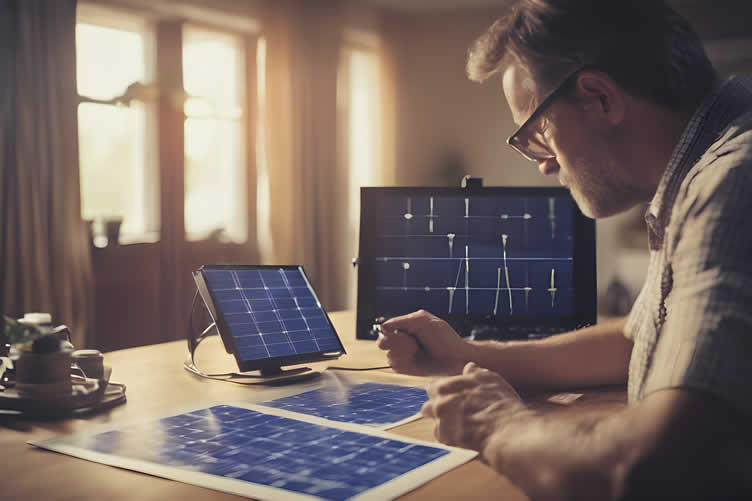
After successfully installing your home solar system, active monitoring is essential to ensure its optimal performance and longevity. Modern technology allows homeowners to monitor their system’s performance in real-time, ensuring that any issues can be promptly identified and addressed.
-
How to Monitor
Many solar energy systems come equipped with a monitoring app that can be accessed via a smartphone or computer. This app provides detailed insights into your system’s daily, monthly, and yearly energy production, consumption patterns, and efficiency. For systems without an integrated app, third-party monitoring devices and software are available.
-
What to Monitor
Key metrics to keep an eye on include the total energy produced, the energy currently being generated, and the health status of your solar panels and inverters. Monitoring these metrics helps identify trends in your system’s performance and can alert you to any irregularities or drops in efficiency.
Additionally, keeping track of the weather and its impact on your system’s performance can provide useful insights for optimizing energy usage.
-
Addressing Issues from Monitoring
If monitoring reveals consistent under-performance or specific components not functioning as expected, it’s crucial to take action. Initial steps should include checking for any obvious physical damage to the panels or obstructions such as accumulated debris.
For more complex issues, contact the installer or a professional solar technician. Regular maintenance checks, ideally once a year, can also help prevent and address potential problems, ensuring your system operates at peak efficiency.
copyright image by 123rf.com
[ youtube: why solar monitoring is important ]
[ youtube: biggest regrets after 6 years of solar ]
-
-
2nd: Maintaining Your Home Solar System
To ensure your solar power system continues to operate efficiently and effectively, regular maintenance is essential. This section will explore the key maintenance areas necessary for the upkeep of your solar installation.
-
Regular Cleaning
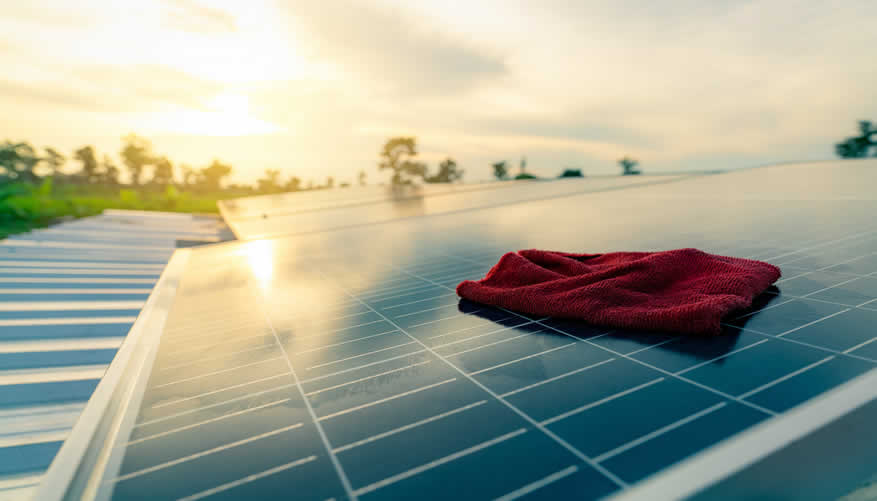
Solar panels accumulate dust, pollen, and other debris, which can significantly reduce their efficiency.
- Frequency:
It’s recommended to clean your solar panels at least twice a year, preferably during the spring and autumn months. - Method:
Use a soft brush or cloth and soapy water to gently clean the surface of the panels. Avoid using abrasive materials or harsh detergents, as these can damage the panels’ surface.
- Frequency:
-
Inspection of Solar Panels and Components
Over time, solar panels may develop issues such as cracking or may become loose. It’s crucial to inspect your system to ensure all components are in good condition.
- Frequency:
Conduct a thorough inspection of your solar panels and components once a year. - Checklist:
Look for any visible damage such as cracks or warping on the panels. Ensure all connections are tight and secure. Check for signs of corrosion on the mounts and frames.
- Frequency:
-
Inverter Maintenance
The inverter is a critical component of your solar system, converting the DC electricity generated by your solar panels into AC electricity that can be used in your home.
- Visual Inspection:
Check for any warning lights or error messages on the inverter display panel. - Professional Check-up:
Although a visual check can be done by the homeowner, it’s advisable to have the inverter professionally inspected every few years to test its efficiency and operational safety.
- Visual Inspection:
-
Professional System Check
In addition to self-maintenance, having a professional solar technician perform a comprehensive system check can pre-emptively address issues that may not be apparent to the untrained eye.
- Frequency:
Arrange for a professional system check at least once every two years. - Coverage:
The technician should inspect the mounting system, wiring, and connections for potential issues, test system performance, and calibrate the system if necessary.
- Frequency:
copyright image by 123rf.com
[ youtube: clean solar panels the right way ]
[ youtube: should I turn off solar panels before cleaning ]
-
-
-
FINAL REMARKS
In conclusion, installing a solar energy system is a significant investment that offers numerous benefits for homeowners.
By assessing your home’s suitability, understanding solar panel components, selecting the right panels, obtaining permits and approvals, and completing the installation process, homeowners can harness the power of the sun to generate clean, renewable energy for their homes.
With proper monitoring and maintenance, solar energy systems can provide reliable electricity and substantial cost savings for years to come.
-
ideas to view and compare from the information discussed above
- What comments can you share about
installing a solar energy system?
Scroll up to directory … or scroll to more home remodeling-related topics …
remodeling decisions



Cover image credit: installing a solar energy system by 123rf.com
end of post … please share it!
 |
did you find this installing a solar energy system analysis helpful? If so, please share the article with your friends and family! |
Nice pic idea? Leave us a quick comment below.
And please share this pic idea within your social networks.