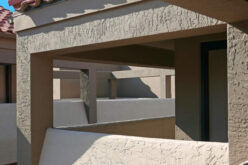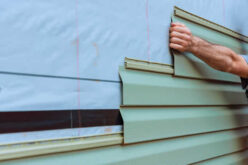
Over time, siding materials can deteriorate, and knowing when to replace them can save you from costly repairs down the road. Recognizing the warning signs that you need to replace your home’s siding helps ensure your home stays protected and visually appealing.
Visible Damage and Wear
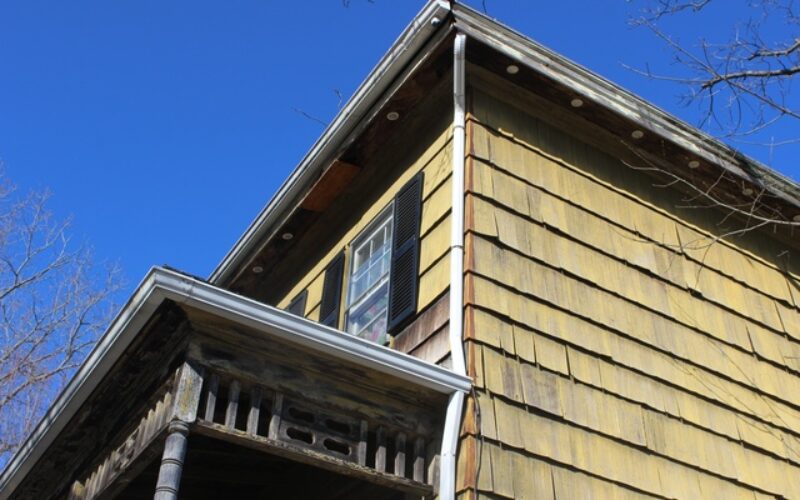
Cracks, warping, or loose panels indicate that the material is no longer performing as it should. Even small fractures can allow moisture to seep behind the siding, leading to mold growth or structural rot.
If sections of siding are frequently coming loose or appear misshapen, repairs may no longer be enough, and replacement becomes the more practical solution.
Fading, Peeling, or Constant Repainting
Siding that has lost its color or shows peeling paint is often more than just a cosmetic issue. Excessive fading can signal that the material has reached the end of its lifespan and is no longer resistant to sun exposure.
If you find yourself repainting every few years just to keep your home looking presentable, it may be more cost-effective to invest in new siding that offers long-lasting color and durability.
Rising Energy Bills
Old or damaged siding can negatively impact your home’s insulation. Gaps, cracks, or warped sections allow air to escape, making it harder to maintain comfortable indoor temperatures.
If your heating and cooling costs have been steadily increasing without a clear explanation, your siding may be contributing to energy loss. Replacing it with modern, insulated options can improve efficiency and reduce monthly utility expenses.
Moisture Issues and Interior Damage
Moisture problems are a serious red flag when it comes to siding. Bubbling, blistering, or soft spots on the exterior often indicate trapped water.
Inside the home, this may show up as peeling wallpaper, damp walls, or mold near exterior surfaces. Once moisture penetrates the siding, it can compromise the underlying structure, making replacement essential to prevent further damage.
Popular Siding Options to Consider
When replacing your siding, it’s important to choose a material that fits both your climate and aesthetic preferences. Vinyl siding remains a popular option due to its affordability, low maintenance, and variety of styles. Wood siding provides timeless charm and character, though it requires regular upkeep.
Engineered wood and metal siding have also gained popularity for their strength and modern appeal, giving homeowners more flexibility than ever before. Before deciding on any material, you’ll want to go in knowing the cost comparison of wood and vinyl sidings so you can stuck to your budget.
Knowing When to Take Action
Once you notice the signs that you need to replace your home’s siding, it’s critical that you act fast to correct the issue before it becomes something more serious. Addressing the issue sooner rather than later helps protect your home’s structure, improve energy efficiency, and maintain its appearance. Investing in new siding is not just about looks, but about long-term protection and peace of mind.
Image Credentials: replace your home’s siding by Alex, 198830310
end of post … please share it!
| more photo remodeling |
Jump Over to Our Photo Analysis Center for Ideas on
"Renovating Home"

|__________________________________________________________|
home remodeling surprise
find out where it might go - new win


Helpful article? Leave us a quick comment below.
And please share this article within your social networks.