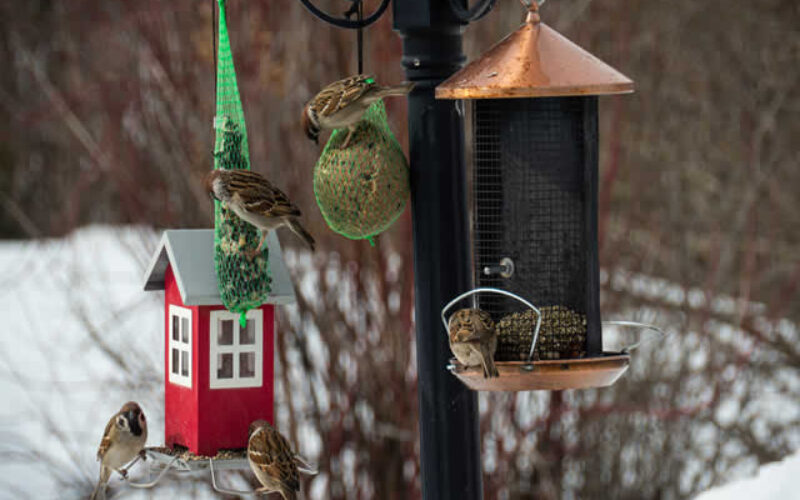
Quick Answer:
A winter-ready backyard gives birds and wildlife reliable food, water, and shelter when natural resources disappear. Offer high-fat foods like suet and black-oil sunflower seeds, keep water from freezing, leave seed heads and leaf litter standing, and add dense evergreens or brush piles so visiting creatures can rest, refuel, and stay warm until spring.
Cold weather strips away natural food sources just as animals need more energy to survive freezing nights, and a thoughtfully prepared yard can mean the difference between a hungry, exposed winter and one spent safely close to home.
Turning your backyard into a winter habitat doesn’t require a landscaping overhaul. Small, intentional choices, what you feed, where water sits, which plants you leave standing, add up to a space that supports birds and other wildlife through the coldest months.
This guide walks through the food, water, shelter, and plant choices that make the biggest difference, along with placement tips to keep visitors safe while they take advantage of what you provide.
Below, you’ll find practical steps organized by habitat need, a quick-reference summary table, and answers to common questions about feeding and sheltering backyard wildlife in winter.
- post content
- Why Backyard Birds Need Extra Help This Winter
- What Foods Keep Winter Birds Alive
- How To Set Up A Reliable Water Source
- Why Standing Plants And Leaf Litter Matter
- How Shelter And Roosting Boxes Protect Birds
- Where Should You Place Feeders And Water
- What Native Plants Attract Winter Wildlife
- Start Small And Build Your Winter Habitat Over Time
- FAQs
- view table:content summary
- view notes:collective tips
- view analysis:winter bird feeding guide
- view ideas:latest remodeling analysis
Why Backyard Birds Need Extra Help This Winter
Birds rely on backyard feeders far more heavily once temperatures drop. Feeder birds typically get around 20% of their daily calories from feeders, but that share climbs in cold weather, according to Wild Birds Unlimited.
On especially cold nights, a bird can lose up to 10% of its body weight simply staying warm, which means the fat it burns overnight has to be replaced the following day. A yard that offers consistent, high-energy food gives birds a dependable way to recover those lost calories before the next freeze.
This is also the season when a garden’s “mess” becomes genuinely useful. According to the Associated Press, 2025, birds need backyard support most as the growing season winds down and natural food and shelter become scarce.
A yard prepared with that in mind, rather than one cleared and tidied for winter, does far more for local wildlife.

What Foods Keep Winter Birds Alive
High-fat, high-protein foods matter most in winter because they deliver the quick energy birds need to regulate their body temperature. Unsalted peanuts, black-oil sunflower seeds, and suet, a mix of animal fat with seeds, grains, or mealworms, are among the most effective options, according to the Associated Press, 2025.
Suet cakes are especially valuable for woodpeckers, nuthatches, and chickadees, while nyjer seed draws finches and peanuts attract jays, per Town and Country Nurseries.
Fruit-eating species like robins and bluebirds respond well to apples, oranges, and raisins set out near feeders. Choose black-oil sunflower seed if you want a feeder that appeals to the widest range of species, and add suet if woodpeckers and nuthatches are common in your area.
For migrating hummingbirds still passing through, a nectar mix of one cup of white sugar dissolved in four cups of boiled water, then cooled, mimics natural nectar without additives.
How To Set Up A Reliable Water Source
Open water is often harder for birds to find in winter than food, since natural sources freeze over. A heated birdbath solves this problem and gives birds a place to drink and bathe even on the coldest days.
Clean feathers insulate far better than dirty ones; research cited by Wild Birds Unlimited shows a chickadee with well-maintained feathers can create roughly a 70°F layer of insulation between its skin and the outside air, which makes bathing access a genuine survival tool, not just a convenience.
Add a small stone or branch inside the birdbath so birds have a stable perch while drinking, and change the water regularly to keep it clean, as recommended by Town and Country Nurseries.
If a heated birdbath isn’t an option, even manually breaking ice once or twice a day provides meaningful access during cold snaps.
creating an backyard bird sanctuary
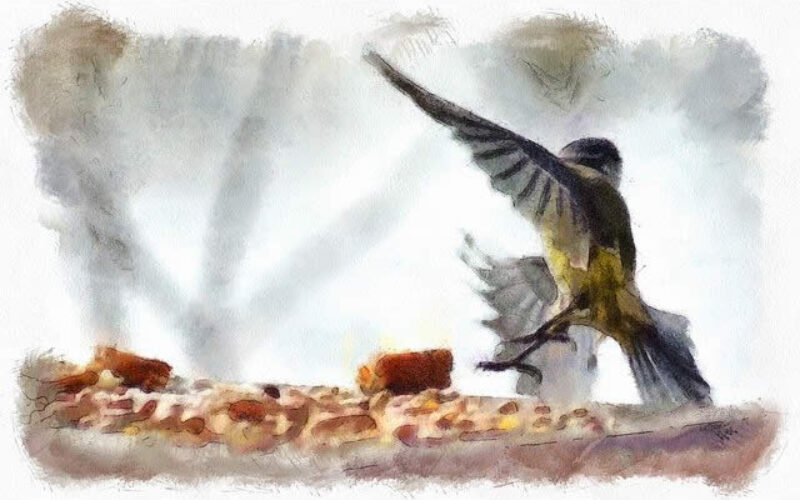
Hey Birdie, Birdie – Welcome To My Backyard
Creating a bird-friendly backyard is a wonderful way to connect with nature and enjoy the beauty of wildlife right outside your door.
Why Standing Plants And Leaf Litter Matter
Resist the urge to cut back every perennial before winter. Leaving spent plants like asters, coneflowers, black-eyed Susans, goldenrods, and ornamental grasses standing gives non-migratory birds a seed source when other food is scarce, according to the Associated Press, 2025. Berries on American holly, viburnum, and dogwood extend that food supply further into the season.
Fallen leaves do more good in your garden beds than in a bag at the curb. Pushing leaves into beds insulates plant roots, nourishes the soil as they break down, and shelters hibernating insects that ground-feeding birds rely on for food, per the same reporting.
Choose this approach over leaf removal if your priority is supporting overwintering insects and the birds that eat them.
How Shelter And Roosting Boxes Protect Birds
Food and water only help if birds also have somewhere safe to retreat. Roosting and nesting boxes give birds a warm, dry place to spend the night and also offer protection from predators such as birds of prey and outdoor cats, according to Wild Birds Unlimited.
Dense evergreens, including spruce, pine, and holly, serve a similar purpose by blocking wind and offering cover close to feeding areas.
A simple brush pile made from pruned branches and leftover leaves creates ground-level shelter for species that don’t use boxes or dense evergreens, according to Town and Country Nurseries. Place a brush pile in a quiet corner of the yard if you want to support ground-dwelling birds and small mammals without adding a structure.
Where Should You Place Feeders And Water
Placement affects both how much wildlife uses your yard and how safe that wildlife stays. Feeders positioned near trees or shrubs give birds a quick escape route and a place to perch before and after feeding, as Town and Country Nurseries recommends.
At the same time, a feeder should remain visible to both you and the birds, and kept away from likely predator cover such as dense brush near the ground where a cat could hide, according to Platt Hill Nursery.
Window collisions are a related risk worth planning around. Choose a feeder location more than a few feet from glass, or close enough that birds can’t build up dangerous flight speed before reaching the window, rather than placing feeders immediately next to large windows.
During migration season, turning off outdoor and porch lights and closing curtains at night also helps, since birds navigating by the moon and stars can become disoriented by artificial light, according to the Associated Press, 2025.
What Native Plants Attract Winter Wildlife
Native plants tend to support winter wildlife more reliably than ornamental alternatives, since local species have adapted to use them for food and shelter. Winterberry holly draws robins and cedar waxwings, while serviceberry and eastern red cedar provide both berries and cover, according to Town and Country Nurseries.
Choose native berry-producing shrubs if your goal is feeding fruit-eating birds through the colder months, since their fruit timing aligns with when natural food becomes scarce.
Avoiding pesticides in these plantings matters just as much as the plant choice itself, since pesticide use can reduce the insects and larvae that ground-feeding birds depend on even in winter.
Keeping a simple observation journal of which species visit your plantings can also help you refine your choices season to season, as Town and Country Nurseries suggests.
Smart Fall Cleanup
Preparing your outdoor spaces for winter doesn’t mean clearing everything away.
A thoughtful fall cleanup shields your lawn, garden beds, trees, and irrigation systems from harsh winter damage while preserving natural habitats for pollinators and birds.
By balancing tidiness with sustainability, you can protect your home’s exterior and support vital wildlife, ensuring a thriving yard when spring returns.
view ideas: Complete Checklist Before Winter (new win)

Start Small And Build Your Winter Habitat Over Time
You don’t need to tackle every element at once. Start with one or two changes, a suet feeder near a tree line, a heated birdbath, or a patch of standing perennials left uncut, and build from there as you see which visitors respond. Each addition compounds: food draws birds in, water keeps them healthy, and shelter keeps them coming back.
Over a season or two, a yard built around these habits becomes a dependable stop for birds and small wildlife moving through a landscape that offers them less and less.
The reward is a backyard that feels alive even in the coldest months, and the knowledge that your choices are genuinely helping the wildlife around you get through winter.
Frequently Asked Questions
-
What is the easiest way to start a backyard winter habitat?
The simplest starting point is a single feeder stocked with black-oil sunflower seed or suet, placed near a tree or shrub for cover. From there, add a water source and leave some plants standing before expanding further.
-
How much does it cost to feed birds in winter?
Costs vary widely based on feeder type and food volume, but a basic seed feeder and a bag of black-oil sunflower seed or suet cakes represent a low-cost entry point, with ongoing costs tied mainly to how often you refill feeders.
-
Is suet safe to leave out in warmer winter weather?
Suet can soften or spoil in temperatures above freezing, so check it regularly during warm spells and replace it if it becomes rancid or moldy to avoid attracting pests or harming birds.
-
Do I need a heated birdbath, or will a regular one work?
A heated birdbath keeps water accessible through freezing temperatures without daily maintenance, while a regular birdbath works too if you’re willing to break ice or refill it manually once or twice a day.
-
Will leaving my garden messy over winter attract pests?
Standing perennials, leaf litter, and brush piles mainly shelter beneficial insects and overwintering wildlife rather than attracting pests, and this debris can be cleared in spring once temperatures warm.
-
How do I keep predators away from my bird feeders?
Place feeders where you and the birds can see them clearly, away from dense low cover where cats could hide, and keep feeders at a height and distance that makes it harder for predators like hawks to ambush visiting birds.
-
What should I do if birds keep hitting my windows?
Move feeders either very close to windows or well away from them, since both positions reduce the flight speed and distance birds build up before a potential collision; window decals or screens can also help.
-
Can I attract wildlife in winter without using feeders at all?
Yes. Leaving seed heads standing, planting native berry shrubs, and adding a brush pile or evergreen cover all support birds and small wildlife without requiring supplemental feeding.
-
Who benefits most from creating a winter wildlife habitat?
Homeowners with existing garden beds, mature trees, or shrubs will see the fastest results, since they already have natural shelter in place a
home improvement ideas to consider (complete directory – new win):
Section Content Summary Key Insights Creating A Backyard Winter Habitat A winter-ready backyard provides food, water, and shelter for birds and wildlife during colder months when natural resources become scarce. Ensure high-fat foods, prevent water freezing, leave plants standing, and add shelter options. A thoughtfully prepared yard supports local wildlife through winter, ensuring their survival and comfort. Why Backyard Birds Need Extra Help This Winter Birds rely on backyard feeders more heavily in winter for essential calories. Feeders can provide up to 20% of their daily energy, which is crucial to replace body fat burned to stay warm during freezing temperatures. Prepared backyards with consistent high-energy food sources help birds survive harsh winter conditions. What Foods Keep Winter Birds Alive High-fat, high-protein options like suet, black-oil sunflower seeds, and peanuts are vital. Fruits like apples and raisins help attract fruit-eating birds. Nectar solutions can sustain migrating hummingbirds during transit. Providing appropriate food specifically caters to different bird species, aiding in their survival. How To Set Up A Reliable Water Source A heated birdbath ensures birds have access to clean, open water for drinking and bathing. Manual breaking of ice on traditional birdbaths also helps. Water access in winter improves health and survival, making it crucial for a backyard habitat. Why Standing Plants And Leaf Litter Matter Leaving seed heads of perennials and fallen leaves supports birds with food and insect access. This approach provides insulation, soil nutrients, and feeding options. Standing plants benefit overwintering birds and insects, adding value to a habitat without clean-up. How Shelter And Roosting Boxes Protect Birds Roosting boxes or dense plants like spruce and pine protect birds from predators and cold. Brush piles serve ground-level species. Adding shelter ensures safety and protection, creating a more dependable habitat for different species. Where Should You Place Feeders And Water Feeders should be near trees for safety but not close to predator cover or reflective windows. Proper placement reduces risks like collisions and increases use. Thoughtful feeder placement ensures visibility and accessibility for wildlife while minimizing harm. What Native Plants Attract Winter Wildlife Native plants like winterberry and serviceberry provide berries and cover. Avoiding pesticides ensures available insects and larvae for ground-feeding birds. Native and pesticide-free planting supports wildlife more effectively than ornamental options. Start Small And Build Your Winter Habitat Over Time Gradually introduce elements like suet feeders, heated birdbaths, or standing perennials to grow a habitat over time. Each addition builds on the last. An incremental approach makes creating a winter habitat manageable and effective. 
Find Yard Maintenance Services Lawn Maintenance Sprinkler Systems Pest Control Tree & Shrubs top-rated, pre-screened local contractors 
FREE: download contractor selection enter zip code – powered by HomeAdvisor ™ end of post collection
Image credit: by envato.com
end of post … please share it!
twitter facebook linkedin pinterest more photo remodeling Jump Over to Our Photo Analysis Center for Ideas on
"Renovating Home"
|__________________________________________________________|
home remodeling surprise
find out where it might go - new winHelpful article? Leave us a quick comment below.
And please share this article within your social networks.