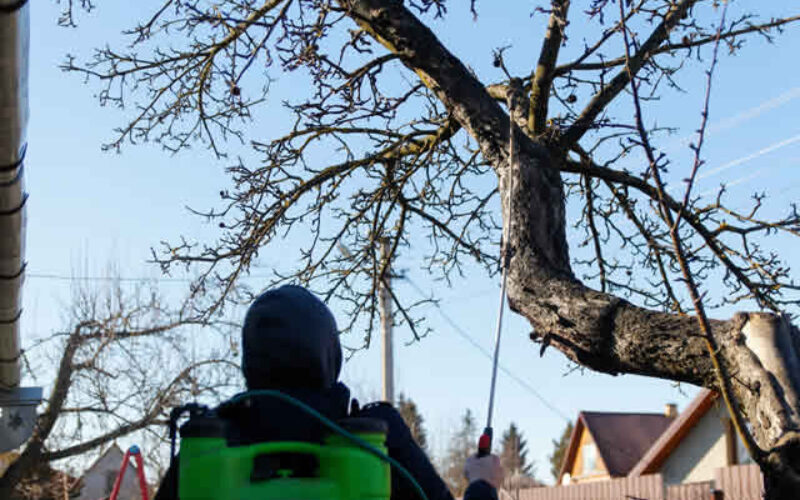
While hiring a professional is always an option, the costs can add up quickly, leading many homeowners to consider taking on the task themselves.
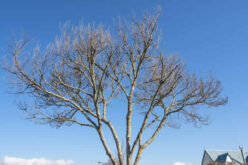
There is something deeply satisfying about caring for your own garden and helping your trees thrive. Mid-winter to early spring is generally the ideal time to trim most trees because they are in a dormant state.
This timing minimizes stress on the tree and reduces the risk of transmitting diseases that are active during the warmer months. However, working with large trees and sharp tools brings inherent risks that we must take seriously to ensure a safe and successful project.
Before you head to the shed, it is vital to understand the proper safety protocols. Trimming trees involves more than just cutting branches; it requires planning, the right equipment, and a healthy respect for gravity and physics.
By following a few expert strategies, you can maintain the beauty of your landscape without compromising your well-being.
- post content
- Gear Up for Safety First
- Assessing the Tree and Surroundings
- Executing Safe Trimming Techniques
- Steering Clear of Electrical Hazards
- Maintaining Ladder Safety
- Responsible Waste Disposal
- Knowing When to Call a Pro
- conclusion
- view table:content summary
- view notes:collective tips
- view ideas:latest remodeling analysis
- view post (new win):Indoor Plant Stands and Holders
Gear Up for Safety First
The most critical step in any tree trimming project happens before you even touch the tree. Equipping yourself with the correct safety gear is non-negotiable. Your head needs protection from falling debris, making a hard hat or a helmet specifically designed for forestry work an essential piece of kit.
Eyes are vulnerable to sawdust and snapping twigs, so high-quality safety glasses or goggles that wrap around the face are necessary to provide a barrier against flying particles.

Your hands and skin need shielding as well. Sturdy, non-slip gloves will protect your hands from blisters, cuts, and splinters while improving your grip on tools.
We also recommend wearing close-fitting clothing that covers your arms and legs to prevent scratches, along with sturdy boots that offer good traction. Loose clothing can easily snag on branches or machinery, creating a dangerous situation.
Using the right tools for the job is equally important for both your safety and the health of the tree. Pruning shears are perfect for smaller twigs, while loppers offer more leverage for branches up to two inches thick. For larger limbs, a pruning saw or a pole saw is required.
Ensure every tool is sharp and clean before you begin. Dull tools require more physical force, increasing the likelihood of slipping and causing injury to yourself or damaging the tree bark with jagged cuts.

Assessing the Tree and Surroundings
Take a moment to walk around the tree and observe it from all angles. You are looking for signs of distress such as dead, diseased, or weak limbs that could fall unpredictably during the trimming process.
These hazards are often referred to as widowmakers for a grim but accurate reason. Identifying these branches early allows you to plan a safe approach to removing them without standing directly underneath.
This inspection phase is also the time to look outward at the surrounding environment. Note the location of your home, fences, sheds, or any other structures that a falling branch could damage. More importantly, scan the area for utility lines.
If a tree is interfering with a power line, this ceases to be a DIY project immediately. We will discuss electrical hazards in more detail later, but for the assessment phase, simply identifying these risks is the priority.
Once you have a clear picture of the tree’s condition and the obstacles around it, you can formulate a plan. Decide exactly which branches need to be removed and in what order.
It is often best to start with dead wood to clean up the tree before making aesthetic or structural cuts. Planning your cuts while your feet are firmly on the ground reduces the need for split-second decisions when you are balancing on a ladder or holding a saw.
Executing Safe Trimming Techniques
Making the cut requires a specific technique to prevent damaging the tree. When removing a heavy branch, you should never attempt to cut it flush with the trunk in a single go.
This often causes the branch to snap before the cut is finished, tearing a strip of bark down the trunk. This type of damage creates a wound that is difficult for the tree to heal and invites pests and disease.
To avoid this, use the three-cut method. First, make an undercut about a foot away from the trunk, cutting halfway through the bottom of the branch. Second, make a top cut a few inches further out on the limb than the undercut.
As you saw through, the branch will break away cleanly between these two cuts, removing the weight. Finally, make your third cut just outside the branch collar—the swollen area where the branch meets the trunk—to leave a smooth surface that the tree can heal over naturally.
Gravity is a constant force, and large branches can be surprisingly heavy and unpredictable when they fall. Never just cut a large limb and let it drop, especially if you are working near a house or garden bed. Instead, use a rope to lower large branches safely.
Loop a rope over a higher, sturdy branch and tie it to the limb you are cutting. Have a partner on the ground control the rope to gently lower the cut piece to the ground, preventing injury to people below or damage to your lawn.
taking care of trees

5 Tree Care Investments That Pay for Themselves Within a Year
Addressing tree health, maintenance, and long-term growth strategies ensures they remain vibrant and resilient, forming the foundation of a sustainable landscape that lasts for generations.
Steering Clear of Electrical Hazards
Electricity is a silent and invisible danger that demands absolute caution. Trimming trees near power lines is one of the most dangerous tasks a homeowner can attempt, and in almost all cases, it should be avoided. High-voltage lines are not always insulated, and electricity can arc—or jump—from a wire to your tools, the tree, or even you if you get too close.
You must maintain a significant distance from all utility lines. The general rule is to stay at least 10 feet away from any power line, but this distance should increase if the voltage is higher or if conditions are wet.
Remember that tree branches can conduct electricity. If a limb touches a live wire while you are trimming it, the current can travel through the branch and your tool to reach you.
If you notice a tree growing into or hanging precariously over a power line, the safest and most responsible action is to contact a professional.
Utility companies often have arborists who handle these specific situations, or they can recommend certified professionals trained to work near high-voltage hazards. It is never worth risking your life to save money on trimming a branch near a power line.
Maintaining Ladder Safety
Falls are a leading cause of injury during tree trimming projects. If the work requires a ladder, selecting the right one and setting it up correctly is paramount.
An orchard ladder, which has three legs, is often more stable on uneven garden ground than a standard step ladder. However, an extension ladder may be necessary for reaching higher limbs. Regardless of the type, inspect the ladder for any defects before climbing.
Stability is the goal. Place the ladder on firm, level ground. If using an extension ladder, lean it against the tree trunk rather than a branch, which might be unstable or break.
Adhere strictly to the three-points-of-contact rule, keeping two hands and one foot, or two feet and one hand, on the ladder at all times. This stabilizes your center of gravity and prevents slips.
Overreaching is a common mistake that leads to accidents. It is tempting to stretch just a few more inches to reach a branch rather than climbing down and moving the ladder, but this shifts your center of gravity and can cause the ladder to tip.
Keep your belt buckle inside the side rails of the ladder. If you cannot reach the limb comfortably, climb down and reposition the ladder.
Responsible Waste Disposal
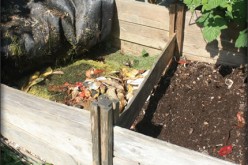
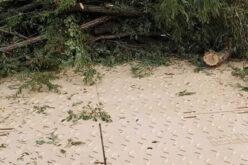
Once the trimming is done, you will likely be left with a substantial amount of debris. Proper disposal is the final step in your project. Small twigs and leaves can be great additions to a compost pile, where they will break down and return nutrients to your garden soil.
Larger branches can be cut into firewood or chipped into mulch, which can be spread around the base of your trees to retain moisture and suppress weeds.
If you are dealing with diseased branches, however, the rules change. Do not compost or mulch diseased wood, as this can spread the infection to other plants in your garden.
Instead, bag this waste and dispose of it according to your local municipal guidelines for yard waste. Many communities have specific collection days or drop-off centers for green waste, so it is wise to check your local regulations to ensure you are disposing of the material responsibly and legally.
Knowing When to Call a Pro


While we champion the spirit of DIY, wisdom lies in knowing your limits. There are situations where the risks simply outweigh the benefits of doing it yourself.
If a tree is too large to prune from a ladder, requires climbing into the canopy, or involves heavy rigging to lower branches over a structure, it is time to call a certified arborist.
Arborists have the specialized training, insurance, and equipment to handle complex tree work safely. They understand the biology of the tree and can perform pruning that ensures long-term structural integrity.
If a tree is hollow, rotting, or leaning dangerously, a professional can assess the risk of failure and remove it safely if necessary. Investing in professional help for these high-risk scenarios protects you, your home, and the value of your property.
Prioritizing Safety in Your Garden
Taking care of your trees is a rewarding part of homeownership that enhances the beauty and value of your property. By choosing the right time of year and equipping yourself with the proper gear and knowledge, you can manage many trimming tasks safely.
Remember that assessing the risks before you cut and respecting the power of gravity and electricity are the hallmarks of a smart gardener.
We encourage you to embrace the process of learning about your trees, but never hesitate to ask for help when the job gets too big. Your safety is the most important tool in your shed.
Whether you are pruning a small fruit tree or managing a mature oak, patience and precaution will ensure that both you and your garden flourish for seasons to come.
| Section | Content Description | Key Points |
|---|---|---|
| Introduction | Presents the idea of DIY tree trimming during winter and discusses the benefits and challenges of undertaking this task. Highlights the importance of safety and preparation. | The dormant state of trees in winter; Minimizing stress and disease; Satisfaction of self-care for gardens. |
| Gear Up for Safety | Details the essential safety gear and tools needed for tree trimming, emphasizing the importance of preparation to avoid accidents. | Hard hats, safety glasses, gloves, close-fitting clothing, sturdy boots; Using sharp and clean tools for efficient work. |
| Assessing the Tree and Surroundings | Stresses the need to evaluate the tree and its environment for potential risks before trimming to ensure the safety of the project. | Check for dead or weak limbs; Inspect surrounding areas for obstacles and utility lines; Plan cuts systematically. |
| Executing Safe Trimming Techniques | Explains proper cutting techniques to avoid harming the tree and highlights methods to manage the weight and fall of large branches. | Use the three-cut method; Avoid flush cuts; Utilize ropes for lowering heavy branches safely. |
| Steering Clear of Electrical Hazards | Cautions against attempting to trim trees near power lines and advises when to call a professional. | Maintain a minimum of 10 feet from power lines; Contact utility companies or certified professionals if needed. |
| Maintaining Ladder Safety | Offers advice on selecting and using ladders to prevent falls during tree trimming projects. | Use sturdy, stable ladders; Ensure three points of contact; Avoid overreaching; Reposition ladder as needed. |
| Responsible Waste Disposal | Provides guidelines for cleaning up and disposing of trimming debris in ways that benefit the garden or comply with local regulations. | Compost small debris; Create mulch or firewood; Dispose of diseased branches properly. |
| Knowing When to Call a Pro | Encourages recognizing personal limits and seeking professional help for high-risk or complex tree trimming tasks. | Call certified arborists for large, hazardous, or technical jobs; Ensure safety and structural health of trees. |
| Final Thoughts | Concludes with encouragement to prioritize safety and patience, ensuring a flourishing garden and personal well-being. | Safe practices lead to thriving gardens; Assess risks wisely; Seek assistance when necessary. |

Find Yard Maintenance Services Lawn Maintenance Sprinkler Systems Pest Control Tree & Shrubs top-rated, pre-screened local contractors FREE: download contractor selection enter zip code – powered by HomeAdvisor ™


Image credit: winter tree trimming by envato.com
end of post … please share it!
| more photo remodeling |
Jump Over to Our Photo Analysis Center for Ideas on
"Renovating Home"
|__________________________________________________________|
home remodeling surprise
find out where it might go - new win


Helpful article? Leave us a quick comment below.
And please share this article within your social networks.