The answer isn’t as straightforward as you might expect. While leaving some leaves can benefit your lawn ecosystem, knowing when and how to rake can make the difference between a healthy, thriving lawn come spring and one struggling with disease, pests, and bare patches.
This comprehensive guide will walk you through the essential reasons for leaf raking, optimal timing strategies, effective techniques, and environmentally friendly disposal methods.
Whether you’re a seasoned gardener or a new homeowner tackling your first fall cleanup, you’ll discover practical approaches that protect your lawn while respecting the natural cycle of your landscape.
Why Rake Leaves?
Understanding the benefits of strategic leaf removal helps you make informed decisions about your fall lawn care routine. While a light scattering of leaves can actually benefit your grass and garden beds, excessive leaf coverage creates several challenges that proper raking can prevent.
-
Prevent Suffocation of Grass
Thick layers of fallen leaves create a dense barrier that blocks essential sunlight from reaching your grass. During autumn, your lawn continues photosynthesis to store energy for winter survival and spring growth. When leaves completely cover grass blades, they essentially create a blackout effect that starves your lawn of the light it desperately needs.
Beyond sunlight deprivation, heavy leaf coverage restricts air circulation around grass crowns and soil surfaces. Your lawn requires proper airflow to maintain healthy respiration processes and prevent moisture buildup that can lead to root rot.
A thick leaf blanket traps humidity close to the ground, creating conditions that weaken grass plants and make them vulnerable to winter damage.
-
Reduce Risk of Lawn Diseases
Wet autumn leaves create an ideal breeding ground for fungal diseases that can devastate your lawn. Snow mold, one of the most common cold-weather lawn diseases, thrives under the moist conditions created by decomposing leaf layers.
This fungal infection appears as circular patches of matted, discolored grass that emerge when snow melts in spring.
The combination of moisture, organic matter, and reduced air circulation beneath leaf piles creates perfect conditions for various fungal spores to multiply. These pathogens can remain dormant through winter and cause significant damage when temperatures warm.
Regular leaf removal disrupts this disease cycle and helps maintain the healthy growing environment your grass needs to resist infection.
-
Pest Control
Accumulated leaf piles provide shelter and nesting sites for various pests that can damage your lawn and garden throughout winter and into spring.
Rodents such as voles and mice often burrow through leaf layers to create tunnels and nests near grass roots. These small mammals can cause extensive underground damage by gnawing on grass crowns and root systems.
Insects also take advantage of leaf cover for overwintering protection. While some beneficial insects deserve shelter, problematic species like grubs, slugs, and certain beetles can multiply under leaf coverage and emerge in spring ready to feed on your recovering lawn.
Strategic leaf removal helps disrupt these pest habitats while still allowing beneficial insects to find alternative shelter locations.

How To Reduce The Damage Done By Pests On A Property?
Household pests can become a menace – not to mention that some pests can transmit disease and do structural damage.

When is the Best Time to Rake?
Timing your leaf removal efforts properly maximizes efficiency while minimizing stress on both you and your lawn. Smart scheduling reduces the total time you’ll spend raking while ensuring optimal results for your grass health.
-
Rake After Most Leaves Have Fallen
Patience pays off when it comes to leaf raking schedules. Rather than raking multiple times throughout the fall season, wait until most of your trees have dropped their leaves. This approach reduces your total workload and prevents you from raking the same areas repeatedly as additional leaves continue falling.
Monitor your trees’ dropping patterns, which typically follow a predictable sequence based on species and weather conditions. Maple trees often drop leaves earlier than oaks, while evergreens may continue shedding needles well into winter.
Plan your major raking session when approximately 80 percent of deciduous leaves have fallen, then handle any significant additional accumulation with spot cleaning.
-
Avoid Raking Wet Leaves
Wet leaves present multiple challenges that make raking significantly more difficult and potentially harmful to your lawn. Moisture adds considerable weight to leaf piles, making them harder to move and more likely to cause back strain during removal.
Soggy leaves also clump together, creating heavy mats that are difficult to break apart and collect efficiently.
Raking wet leaves can damage grass blades and soil structure. The increased weight and reduced flexibility of wet leaves mean your rake may dig deeper into the lawn surface, potentially tearing grass crowns and compacting soil. Wait for dry conditions when leaves rustle freely and separate easily during raking motions.
-
Consider the Weather Forecast
Weather monitoring helps you plan raking sessions for optimal conditions and maximum effectiveness. Check forecasts for upcoming rain, snow, or high wind events that could complicate your leaf removal efforts or undo your hard work.
A dry, calm day provides ideal raking conditions that make the job easier and more thorough.
Schedule your raking before predicted precipitation that could compact leaves against your lawn or freeze them in place.
Similarly, avoid raking just before high winds that might blow leaves back onto cleaned areas. Planning around weather patterns helps ensure your efforts produce lasting results.

Fall Foliage: Your Complete Guide to Autumn’s Natural Spectacle
Every autumn, deciduous trees across North America put on nature’s most breathtaking show. The transformation from vibrant summer greens to brilliant reds, oranges, and yellows creates landscapes so stunning they draw millions of visitors to witness this seasonal masterpiece.
How to Rake Effectively
Proper technique and equipment selection transform leaf raking from a dreaded chore into an efficient task that protects your back while achieving excellent results. Smart approaches reduce fatigue and improve your raking effectiveness.
-
Use the Right Tools
Invest in a high-quality leaf rake designed for comfort and efficiency. Look for rakes with flexible tines that bend with your raking motion rather than rigid prongs that can damage grass or create jarring impacts. Lightweight materials like plastic or flexible metal reduce arm fatigue during extended raking sessions.
Ergonomic handle design makes a significant difference in comfort and control. Curved or angled handles allow for more natural wrist positioning, while cushioned grips reduce hand fatigue and prevent blisters.
Consider adjustable-length handles if multiple family members will be sharing the rake, ensuring everyone can maintain proper posture while working.
-
Rake in Sections
Divide your property into manageable sections rather than attempting to tackle the entire lawn at once. This systematic approach prevents overwhelming accumulation of leaves and allows you to maintain energy throughout the project.
Work with natural boundaries like sidewalks, driveways, or garden beds to create logical section divisions.
Focus on completing one section thoroughly before moving to the next area. This method provides a sense of accomplishment as you finish each zone and prevents fatigue from causing you to rush through areas inadequately. Small, completed sections also make it easier to judge your progress and estimate remaining work time.
-
Proper Raking Technique
Use smooth, sweeping motions that gather leaves efficiently without digging into the lawn surface. Keep your rake tines parallel to the ground and pull leaves toward you using your arms and shoulders rather than just your back muscles. This technique reduces strain while providing better control over the raking action.
Avoid aggressive downward pressure that can damage grass crowns or compact soil. Let the rake’s tines glide just above the lawn surface, allowing the flexible prongs to collect leaves while preserving grass integrity.
Work with the natural curve of your rake rather than forcing it into positions that create awkward body mechanics.
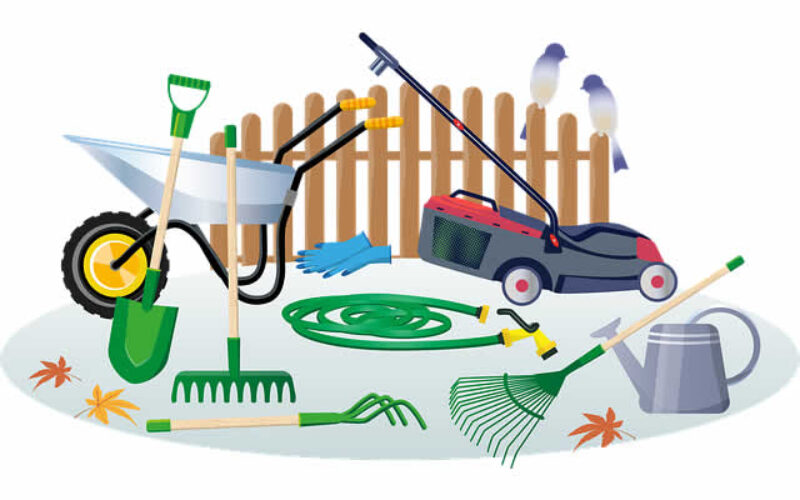
Garden Power Tools You Definitely Need for Your Lawn and Garden
Every homeowner dreams of a lush, thick, green lawn and flowerbeds bursting with colorful flowers. But, few homeowners are lucky enough to inherit a beautiful, perfect lawn from the previous owner, so if that’s what you want, you’ll have to work for it.
Disposal and Composting Options
Responsible leaf disposal transforms autumn cleanup into an opportunity to improve your landscape’s health and reduce environmental waste. Several eco-friendly approaches turn fallen leaves into valuable resources for your garden and lawn.
-
Composting
Creating leaf compost provides nutrient-rich organic matter that enhances soil structure and fertility throughout your landscape. Build your compost pile by alternating layers of brown materials like leaves with green materials such as grass clippings, kitchen scraps, or fresh plant matter.
This layered approach creates balanced carbon-to-nitrogen ratios that promote efficient decomposition.
Turn your compost pile regularly to maintain proper aeration and speed up the breakdown process. Well-managed leaf compost typically requires six months to two years to fully decompose, depending on pile size, moisture levels, and turning frequency.
The finished compost provides excellent soil amendment for flower beds, vegetable gardens, and lawn top-dressing applications.
-
Leaf Mulching
Shredding leaves with your lawn mower creates natural mulch that can benefit your lawn when applied correctly. Run your mower over moderate leaf coverage to chop leaves into small pieces that settle between grass blades.
These leaf fragments decompose gradually, releasing nutrients directly to your lawn while providing some winter protection for grass crowns.
Limit mulched leaf thickness to avoid smothering your grass. The chopped leaves should allow grass blades to remain visible and not create dense mats that restrict air and light penetration. This approach works best with lighter leaf coverage rather than thick accumulations that would create excessive mulch depth.
-
Municipal Leaf Collection
Many communities offer leaf collection services that convert residential leaf waste into community-wide compost or mulch programs. Contact your local waste management department to learn about collection schedules, preparation requirements, and any restrictions on leaf placement or bagging methods.
Follow municipal guidelines carefully to ensure your leaves are collected efficiently. Some programs require specific bagging materials or prohibit mixing leaves with other yard waste. Proper preparation helps these programs operate smoothly while ensuring your leaves contribute to community sustainability efforts.

Living Green By Building and Utilizing a Garden Compost
If you’re transitioning to a sustainable lifestyle, setting up a compost area in your garden is an excellent “green” initiative. A specially allocated area for depositing food scraps and other biodegradable materials allows them to break down over time, creating nutrient-rich compost.
Transform Your Fall Cleanup Into Lawn Care Success
Strategic leaf management protects your lawn’s health while creating opportunities to enrich your entire landscape. By understanding when and why to rake, you can maintain a thriving lawn that emerges strong and healthy each spring.
Remember that effective leaf raking isn’t about achieving perfect cleanliness—it’s about finding the right balance between supporting your lawn’s needs and respecting natural processes. Light leaf coverage can benefit your grass and garden ecosystems, while excessive accumulation requires removal to prevent problems.
Start planning your fall cleanup strategy now by assessing your trees’ dropping patterns and gathering the right tools for efficient raking. Whether you choose composting, mulching, or municipal collection, your thoughtful approach to leaf management will reward you with a more beautiful and healthier landscape for years to come.
other related analysis of interest: (new win)
| Category | Details | Key Tips | Benefits |
|---|---|---|---|
| Why Rake Leaves? | Leaves block sunlight, restrict air circulation, and trap moisture, which can suffocate grass and promote diseases or pests. | Remove heavy leaf coverage to prevent fungal infections like snow mold and pest habitats near grass roots. | Healthier lawn growth in spring, reduced disease risk, and fewer lawn-damaging pests. |
| Best Time to Rake | Wait until most leaves have fallen (approximately 80%). Avoid raking wet leaves to prevent strain and damage to the lawn. | Monitor tree patterns and weather forecasts. Schedule raking sessions before rain or wind events for optimal results. | Cost-effectiveness, reduced strain, and improved lawn conditions. |
| Effective Techniques | Use ergonomic rakes with flexible tines and divide your lawn into sections for manageable tasks. | Focus on smooth, sweeping motions to collect leaves efficiently and preserve grass crowns. | Reduced fatigue, faster completion, and protected grass health. |
| Disposal Options | Composting, leaf mulching, or municipal collection help minimize waste and improve lawn health. | Shred leaves for mulch, balance compost piles with green and brown materials, or follow local collection guidelines. | Enriches soil, sustainable practices, and promotes community-wide recycling efforts. |

Find Yard Maintenance Services Lawn Maintenance Sprinkler Systems Pest Control Tree & Shrubs top-rated, pre-screened local contractors FREE: download contractor selection enter zip code – powered by HomeAdvisor ™


Image credit: fall leaf raking guide by envato.com
end of post … please share it!
| more photo remodeling |
Jump Over to Our Photo Analysis Center for Ideas on
"Renovating Home"
|__________________________________________________________|
home remodeling surprise
find out where it might go - new win


Helpful article? Leave us a quick comment below.
And please share this article within your social networks.