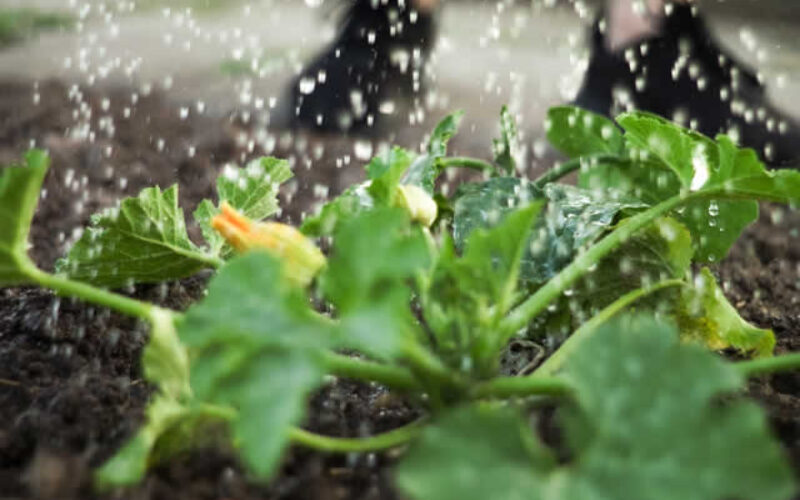
By adopting a protective design, you can enjoy a luscious and beautiful yard while saving the environment.
So how exactly can you ensure your yard work remains eco-friendly? Let’s discuss some practical tips you can use in your home.
Benefits of Keeping Yard Work Eco-Friendly
There are many benefits to ensuring your yard work remains eco-friendly. For instance, planting a nectar lawn with flowers and clover is a great way to attract insects. It needs less mowing, so you’ll use less fuel, energy, and time.
The yard waste can also become mulch, helping you control weeds. If you minimize mowing, wildflowers can thrive, and so will pollinators like birds and butterflies. Such landscapes are great for the environment and cost less to maintain.
Furthermore, eco-friendly yard work assists in waste management. One season’s waste plant material can become compost to enrich the soil for the upcoming season.


Tips to Keep Yard Work Eco-Friendly
Using eco-friendly practices in your yard work protects and enhances your environment. You can achieve this by taking proactive steps such as:
-
Selecting Native Plants
Native plants attract and provide a habitat for beneficial wildlife. When selecting yard trees and plants, ensure you opt for those native to the area. They can better handle the climate and rainfall patterns.
Such plants can withstand local diseases and pests, so they need less maintenance. They are also affordable, and you’ll use fewer fertilizers, pesticides, and water to maintain them.
-
Replacing Grass With Ground Cover
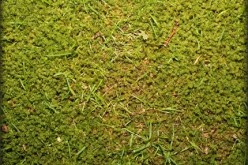
Ground cover is preferable to grass for many reasons. Plants like clover don’t need herbicides, pesticides, extra watering, or extensive mowing. It remains green throughout the seasons and has a nice smell and a soft feel. It harbors butterflies and bees and prevents soil compaction.
-
Mulching
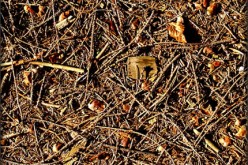
Organic mulch consists of things like leaves, bark, and other garden waste. This mulch brings multiple benefits to your yard, such as preventing weed growth while keeping your plants healthy. It also helps the soil keep moisture around the roots and regulates temperature.
-
Harvesting Rainwater
Harvesting rainwater is an effective way to maintain a green yard. Besides household uses, you can use natural water to take care of your flowers and plants. Doing so minimizes water usage and prevents water pollution by collecting excess water from gutters and your roof.
-
Cutting Your Grass Higher
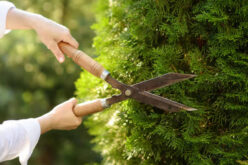
It’s advisable to cut your grass higher when mowing the yard. Try to cut a third of the blades’ length or less for a healthier yard with better water retention. The clippings also have a higher nitrogen and water content, so leave them in place to maintain a moist environment.
-
Installing Rain Gardens
Rain gardens are beautiful landscaping features that collect and filter excess rainwater or stormwater. Since you’ll be planting them where rainwater collects, opt for native plants that withstand floods. Ensure the soil is deep and loosely packed to allow the plants to absorb and filter more water.
-
Composting
Composting provides free natural fertilizer from the organic garbage we discard. You can easily start composting in your yard using soil and a partially sunny, warm area. If you prefer the compost away from view, installing a compost bin is a good idea.
The process is simple: combine all the garden and household waste in your area of choice and leave it for six to nine months. You can include weeds, vegetable water, wood shavings, newspapers, eggshells, and bad fruits. T
his mixture creates an environment where compost-making bugs can thrive. The result is a highly nutritious compost you can use in your kitchen garden and around your home.
-
Reducing or Eliminating Fertilizer Usage
Most yard care products you buy from the local store contain multiple chemicals. These fast-release herbicides and fertilizers rob the soil of vital nutrients. They make your yard dependent on the harmful chemicals. Using such products also transfers unnecessary chemicals to your lawn, which can eventually end up in nearby water sources.
Organic fertilizers are a great alternative, as they are harmless to the soil when used correctly. If your water source is close by, it’s best to avoid fertilizers and herbicides altogether. You can incorporate organic matter and compost into your soil instead.
-
Creating Terraces on Sloppy Areas
Steep slopes encourage soil erosion due to excessive rainwater runoff. Such yards are also challenging to maintain. You can curb excessive runoff and erosion by terracing your yard.
Creating terraces involves flattening parts of the steep slope to form planting sections. The flat sections allow rainwater to seep into the soil instead of flowing down the slope. These areas are perfect for shrubs, herb gardens, and flower gardens, resulting in gorgeous landscapes.
-
Adopting Natural Herbicides and Pest Control Solutions
Pesticides are often harmful to our health, the soil, and the environment. The effects of some banned chemicals, like DDT, are still present decades later. Pesticides are also responsible for the diminishing bee population, which is a major concern for the EPA.
You can avoid these chemicals by adopting IPM (integrated pest management) to keep off pests. IPM combines different techniques, including:
- Planting naturally resistant native plants
- Purposefully attracting useful insects like lacewings
- Removing insects and weeds manually
- Using natural insecticides like oil sprays and insecticidal soaps for mealybugs, aphids and mites
other related articles of interest:
Living Green By Building and Utilizing a Garden Compost
Backyard Wildlife: How to Invite, Control, and Remove When Necessary
Keep Your Yard Green
Eco-friendly yard work protects and enhances your home’s ecosystem while extending your yard’s life. Besides promoting healthy plants, it can reduce maintenance and utility costs while building your home’s value. Take proactive steps today and make the world a better place, one yard at a time.
By: Katherine Robinson, a writer for Gabion Supply
Find Yard Maintenance Services Lawn Maintenance Sprinkler Systems Pest Control Tree & Shrubs top-rated, pre-screened local contractors FREE: download contractor selection enter zip code – powered by HomeAdvisor ™


Image credit: by envato.com
end of post … please share it!
| more photo remodeling |
Jump Over to Our Photo Analysis Center for Ideas on
"Renovating Home"
|__________________________________________________________|
home remodeling surprise
find out where it might go - new win


Helpful article? Leave us a quick comment below.
And please share this article within your social networks.