With proper planning, you can make your first remodeling experience as smooth and stress-free as possible. Here are some things you should know before starting your first remodel project.
Create a Budget
Creating a realistic budget is a critical step in your first remodel endeavor. It helps you align your remodeling goals with your financial capabilities, ensuring that you can achieve your vision without straining your finances.
Begin by determining the total amount you are willing to spend on the project. Then allocate funds to different remodeling areas, prioritizing essential repairs and upgrades. Always factor in a contingency of around 20% for unexpected expenses that inevitably arise during the remodeling process.
Setting up your budget for your first remodel involves a few key steps:
-
First, list out all the potential projects or tasks that need to be done. Divide these tasks into ‘must-haves’ and ‘nice-to-haves’.
Must-haves are the non-negotiable, vital tasks that need to be performed for the remodel to be successful, such as fixing any structural issues or necessary upgrades. Nice-to-haves, on the other hand, are more cosmetic changes that would be great to have, but aren’t essential for the home to function properly.
-
Next, start assigning costs to each task. Use online resources, get quotes from professionals or visit local stores to get an understanding of the costs involved. Make sure you are comprehensive in accounting for all associated costs, including labor, materials, and any permits or fees.
-
Once you have estimated the costs, you can begin to allocate your available funds. Start with the must-haves and move towards the nice-to-haves as funds allow. Don’t forget to set aside approximately 20% of your budget for unforeseen expenses.
-
Monitoring your budget throughout the remodeling process is equally essential. Keep a close eye on your spending and be ready to make adjustments as needed to stay within the budget.
Below is a sample budget worksheet:
| Item
| Estimated Cost
| Actual Cost
| Difference
|This worksheet enables you to track the estimated cost of each component and input the actual cost as you progress. By doing so, it becomes easier to identify any discrepancies and make necessary adjustments to your plan.

Budgeting Worksheet
File Type:
Choose Experience
Next, you must work with an experienced and reputable contractor such as MC’s Lawn & Landscaping LLC and others. When it comes to remodeling your home, hiring experienced contractors is crucial for ensuring the success and quality of the project.
Not only do experienced contractors possess the required knowledge and skills to efficiently complete the job, but they have also likely encountered unforeseen issues that can arise during a remodeling project. This experience allows them to plan accordingly to avoid potential problems, or tackle any issues that arise with ease.
Additionally, established contractors often have strong relationships with local suppliers and vendors, which can lead to cost-saving opportunities for the homeowner.
By working with experienced contractors, you can ensure that your home remodel is completed on time, within budget, and to the highest possible standard. Overall, investing in experienced contractors like The Buildwell Group is an investment in the value, functionality, and aesthetics of your home.

Before you start any home remodeling – such as a kitchen or bathroom remodeling, adding an addition, building a new section onto the home, and other major renovation project, run some financial numbers to determine whether the renovation is a smart investment.
The numbers include the estimated costs, home value assessment, financing costs, and other related calculations.
Review these cost-related issues to remodeling vs. buying a new home.
links to internal page (opens new win)
| analyze the numbers | |
| estimate the cost of your project | |
| start assembling a budget | |
| get your home value |
The 2nd step for planning your home remodeling is deciding what you would like to do.
Will it be a –
- remodeling your kitchen or bathroom,
- converting the attic or basement,
- adding an addition or extension to the home,
- changing out your deck or patio into an all-season room,
- upgrading the home with new windows, doors and flooring,
- redesigning your landscape with new features,
- or something else.
You can find other home remodeling ideas by referencing our home renovation analysis and topic directories (opens new win)
| view remodeling design "ideas" directory | |
| view latest "topics" for home renovation | |
Step 3 is sketching your ideas on paper (or digitally) and developing the spec plan.
The spec plan determines what type of home remodeling materials, items, and design considerations that will be needed. It will also contain the product specifications for each renovation element.
You will use the spec plan and architectural design to bid the project out to a contractor.
links to internal page (opens new win)
| developing the spec plan | |
| sketch remodeling plan | |
| design considerations |
Step 4 is finding and negotiating the contract with a remodeling contractor.
Give your home remodeling ideas and specs to a contractor for review and bid analysis. Use the local network (aligned with HomeAdvisor) to find the right contractor for your project.
Review guides for contractor selection and negotiation.
links to internal page (opens new win)
| search remodeling contractors | |
| selecting your contractor checklist |
| contractor negotiations | |
| contractor evaluation form |
Step 5 is arranging financing once you selected the contractor and finalized the contract for your project.
Using the equity value in your home is one of the best financing option for home remodeling. Start with a home equity line of credit or use the bank equity program.
Other options may include cash-out refinancing, personal savings, and/or financing from home improvement contractors.
links to internal page (opens new win)
| financing options | |
| getting qualified for financing | |
| negotiate rates |
Step 6 is where the project begins.
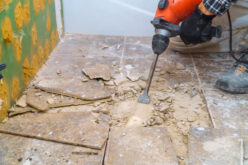
It starts with setting up the work area, removing everything that needs to be replaced, installing electrical and network connections, putting in the final touches, etc.
It also means working with the contractor, managing the project, and getting the home remodeling project inspected before releasing any funds.
links to internal page (opens new win)
| working with the contractor | |
| managing remodeling project |
| about a home project inspections | |
| find home inspector |
Think About the Space
When embarking on your first remodel, space planning is a crucial aspect to consider. A well-thought-out layout can enhance the functionality of your home and improve the flow between rooms. Begin by assessing your current space. Identify what works and what doesn’t.
Are you adding more storage? Will you need more outlets? These are things to consider when planning your remodeling project, as you want to ensure your new space is both beautiful and functional.
When evaluating your living space, pay attention to areas that feel cramped or rooms that are seldom used. By taking note of these insights, you can gain a deeper understanding of your home’s layout and identify opportunities for creating a more efficient and comfortable living environment.
Materials Matter
Choose quality materials. When it comes to home remodeling, the quality of materials used on the project cannot be understated. High-quality materials not only ensure the longevity and durability of the project but also significantly improve the overall look and feel of the space.
For instance, using top-grade materials such as granite, hardwood, or marble during a kitchen or bathroom renovation can boost the value of your home and attract potential buyers. Additionally, investing in high-quality materials also means lower maintenance costs, as they are less prone to wear and tear over time.
Moreover, premium materials are eco-friendly, meaning they are environmentally sustainable and do not harm the environment. In summary, during remodeling projects, it is critical to prioritize the use of quality materials to achieve a highly functional and aesthetically pleasing space that can last for years to come.
Don’t rush the process. Remodeling projects can take time. Rushing through the process can lead to mistakes, delays, and added expenses. Be patient and plan accordingly to ensure you end up with the remodel of your dreams.

Expect Delays
Finally, be prepared for the disruption that comes with a remodel project. Your home will be a construction area during the remodel, so expect some inconvenience and discomfort.
Delays can be due to a wide range of factors such as unexpected structural problems, weather conditions, or even changes in your own design preferences. These disruptions can extend your project timeline and likely increase costs.
Having a contingency plan in place from the start can help mitigate stress and keep your renovation on track. Remember, flexibility and patience are key when navigating through the unpredictable journey of home remodeling. However, a good contractor will work with your schedule and strive to minimize the disruption as much as possible.
other related articles of interest:
Signs It May Be Time To Invest in Home Renovations
Essential Tips for Home Renovations to Protect Yourself and Your Family
In conclusion, your first remodel doesn’t have to be a stressful experience. With the right planning, budgeting, and quality materials, you can achieve your desired remodel project. Remember to work with an experienced contractor, consider functionality, and be patient with the process. Now that you have a better understanding of what to expect, you can look forward to your first remodeling experience with confidence.
Find Home Remodeling Services Additions Major Remodels Minor Remodels Disability Needs Plumbing Drain Clearing Appliances Electrical top-rated, pre-screened local contractors FREE: download contractor selection enter zip code – powered by HomeAdvisor ™


Image credit: what you should know for your first remodel by envato.com
end of post … please share it!
|__________________________________________________________|
home remodeling surprise
find out where it might go - new win


Helpful article? Leave us a quick comment below.
And please share this article within your social networks.