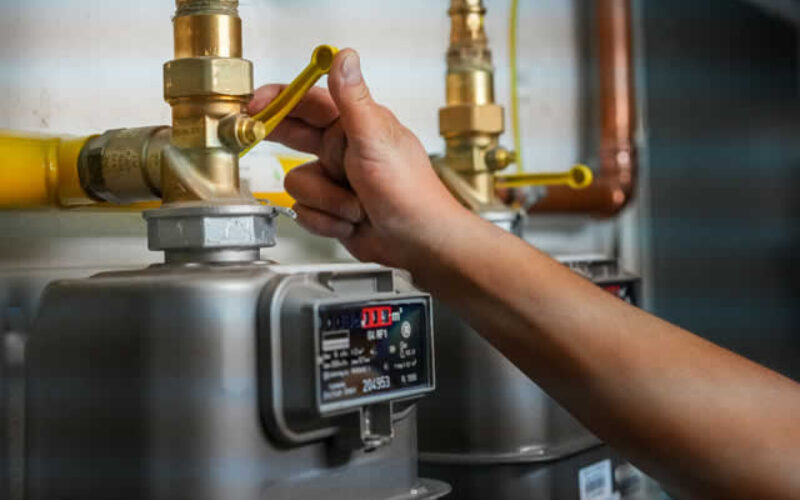
Regular heating unit maintenance protects both your family’s comfort and your wallet. A well-maintained system runs more efficiently, consuming less energy while keeping your home consistently warm.
It also prevents unexpected breakdowns that could leave you scrambling for emergency repairs during the coldest days of the year.
Whether you prefer handling maintenance yourself or working with an HVAC professional, checking your heating unit before winter begins ensures you’ll have reliable warmth throughout the season.
This guide walks you through essential inspection steps you can complete on your own and helps you recognize when it’s time to call in an expert.
DIY Heating Unit Check
Taking charge of basic heating unit maintenance empowers you to catch small issues before they become costly problems. Many homeowners can complete simple inspections and adjustments with minimal tools and just a few hours of time.
These straightforward checks give you confidence in your system’s readiness while helping you understand when professional assistance becomes necessary.
-
Visual Inspection
Start your heating unit checkup with a thorough visual examination of your system. Turn off power to the unit at the circuit breaker before beginning any inspection for your safety.
Look for obvious signs of wear or damage around your furnace or heat pump. Check for rust, corrosion, or water stains that might indicate leaks or moisture problems. Examine visible wiring for fraying, burn marks, or loose connections. Inspect the area around your unit to ensure nothing blocks airflow or creates a fire hazard.
Clear away any debris, dust, or stored items within three feet of your heating system. This space allows proper ventilation and reduces fire risk.
If you notice any concerning damage or deterioration during your inspection, document it with photos and contact an HVAC professional for assessment.
-
Filter Replacement
Your heating system’s air filter performs one of the most important jobs in maintaining efficiency and air quality. A clogged filter forces your system to work harder, increasing energy costs while reducing heating effectiveness.
Locate your filter, typically found in the return air duct or blower compartment. Check your owner’s manual if you’re unsure of its location. Remove the old filter and examine it in good light. If you can’t see light passing through it easily, replacement is overdue.
Install a new filter with the airflow arrow pointing in the correct direction, typically toward the blower motor. Standard filters should be replaced every one to three months during heating season, though homes with pets or allergies may require more frequent changes. Mark your calendar to check the filter monthly so this essential task becomes routine.
-
Thermostat Check
Your thermostat acts as the command center for your heating system, so verifying its accuracy protects your comfort and budget.
Start by testing basic functionality. Set your thermostat to heat mode and raise the temperature setting several degrees above the current room temperature. Listen for your heating system to activate within a few minutes. If nothing happens, check the thermostat’s batteries or power connection before investigating further.
Confirm your thermostat reads temperature accurately by placing a reliable room thermometer nearby and comparing readings after 15 minutes. Differences of more than two degrees suggest calibration problems that waste energy by triggering unnecessary heating cycles.
Consider upgrading to a programmable or smart thermostat if you still use an older manual model. Modern thermostats offer scheduling features that automatically adjust temperatures based on your daily routine, reducing energy waste while maintaining comfort when you’re home.


When to Call a Professional
Understanding the limitations of DIY maintenance helps you make smart decisions about your home’s heating system. While many basic checks fall within most homeowners’ capabilities, certain warning signs demand professional expertise. Recognizing these signals protects your investment and, more importantly, your family’s safety.
-
Strange Noises
Heating systems naturally produce some operational sounds, but unusual noises signal potential problems requiring professional attention.
Banging, clanging, or metallic scraping sounds often indicate loose or broken internal components. A high-pitched squealing might suggest belt problems or motor bearing issues. Rumbling or booming noises, particularly in a furnace, could point to burner problems or dangerous delayed ignition.
Popping sounds from ductwork during startup usually result from thermal expansion and rarely indicate serious problems. However, persistent or loud popping deserves professional evaluation. If you hear any concerning sounds from your heating unit, record them on your phone to help technicians diagnose the issue more quickly.
-
Inconsistent Heating
Uneven temperatures throughout your home suggest system inefficiency that wastes energy and reduces comfort.
Notice whether some rooms feel significantly colder than others or if your system runs constantly without reaching the set temperature. These patterns might indicate ductwork leaks, inadequate insulation, or equipment sizing issues that an HVAC professional can identify and resolve.
Pay attention to short cycling, when your system turns on and off frequently without completing full heating cycles. This behavior strains equipment, increases wear, and signals problems ranging from thermostat malfunctions to more serious mechanical issues.
-
Carbon Monoxide Concerns
Carbon monoxide poisoning represents the most serious heating-related danger homeowners face. This invisible, odorless gas can be deadly, making carbon monoxide concerns an immediate priority requiring professional intervention.
Install carbon monoxide detectors on every level of your home, particularly near bedrooms. If your detector alarms, evacuate immediately and call emergency services before contacting an HVAC technician.
Watch for subtle warning signs even without an alarm. Persistent headaches, dizziness, nausea, or flu-like symptoms that improve when you leave home might indicate carbon monoxide exposure. Yellow or flickering furnace flames instead of steady blue flames also suggest combustion problems that could produce carbon monoxide.
Schedule professional inspection if you notice soot accumulation around your furnace, excessive rusting on vent pipes, or moisture on walls near the heating unit. These signs suggest improper venting that could allow dangerous gases into your living space.

What Does HVAC Mean? Why HVAC is a Vital Component for Your Home
Understanding a home HVAC (Heating, Ventilation, and Air Conditioning) system is essential for ensuring comfort, energy efficiency, and proper indoor air quality in your living space.

Professional HVAC Maintenance
While DIY checks help maintain your heating system between professional visits, comprehensive maintenance from qualified technicians provides deeper protection for your home comfort investment. HVAC professionals bring specialized tools, training, and experience that uncover potential problems before they compromise your system’s performance or safety.
-
Comprehensive Inspection
Professional technicians perform detailed examinations that go far beyond what most homeowners can accomplish independently.
Trained specialists inspect heat exchangers for cracks or corrosion that could leak carbon monoxide into your home. They examine burner assemblies for proper flame patterns and combustion efficiency.
They test safety controls and limit switches that prevent dangerous operating conditions. They measure airflow throughout your system to identify restrictions that reduce efficiency.
These thorough inspections often reveal minor issues that, when addressed promptly, prevent major repairs down the road. A small crack detected during routine maintenance costs far less to repair than a complete heat exchanger replacement after catastrophic failure.
-
Cleaning and Calibration
Professional maintenance includes cleaning and adjustments that optimize your system’s performance.
Technicians clean burner assemblies, flame sensors, and other critical components that accumulate debris during normal operation.
They lubricate motors and bearings to reduce friction and extend equipment life.
They calibrate gas pressure and airflow settings to manufacturer specifications, ensuring efficient operation that minimizes energy costs.
Professionals also clean and inspect your ductwork for leaks that waste conditioned air. Sealing these leaks can improve system efficiency by 20 percent or more, reducing your heating bills while improving comfort.
-
Safety Checks
Safety represents the most compelling reason for professional HVAC maintenance.
Certified technicians test carbon monoxide levels, verify proper venting, and confirm all safety controls function correctly. They inspect gas connections for leaks and electrical components for hazards. They measure system pressures and temperatures to ensure operation within safe parameters.
This expert safety evaluation provides peace of mind that DIY maintenance simply cannot match. The modest cost of annual professional maintenance represents valuable insurance against dangerous system failures.


Prepare Your Home for Winter Comfort
Regular heating unit maintenance protects your comfort, safety, and budget throughout the winter season. Whether you handle basic checks yourself or rely on professional service, taking action before cold weather arrives prevents the stress and expense of emergency repairs when temperatures drop.
Schedule your professional HVAC maintenance now, before technicians’ calendars fill with emergency calls from unprepared homeowners. Complete your own visual inspections, replace filters, and test your thermostat to catch obvious issues early. These simple steps ensure your heating system stands ready to keep your family warm and comfortable all winter long.
Your home deserves the same care and attention you give other important aspects of your life. Taking time now to winterize your heating system represents an investment in your family’s wellbeing that pays dividends in comfort, efficiency, and safety for months to come.
other related analysis of interest: (new win)
The Messiest Trees: Why Some Species Turn Fall Cleanup Into a Major Chore
The Art of Timekeeping: Choosing the Perfect Home Timepieces
| Maintenance Task | Steps to Complete | Benefits | When to Seek Professional Help |
|---|---|---|---|
| Visual Inspection |
|
|
Visible deterioration, such as leaks or extensive wiring damage, should prompt professional assessment. |
| Filter Replacement |
|
|
None typically, unless filter installation results in system errors. |
| Thermostat Check |
|
|
Calibration issues or unresponsive thermostats may require a technician. |
| Strange Noises |
|
|
Unusual sounds like clanging or squealing often indicate the need for professional repair. |
| Carbon Monoxide Concerns |
|
|
If detectors alarm or physical symptoms like headaches occur, evacuate immediately and call a professional. |

Find Home Heating Services Central Heating Radiant Heat Fireplaces Thermostats top-rated, pre-screened local contractors FREE: download contractor selection enter zip code – powered by HomeAdvisor ™


Image credit: heating unit ready for winter by envato.com
end of post … please share it!
| more photo remodeling |
Jump Over to Our Photo Analysis Center for Ideas on
"Renovating Home"
|__________________________________________________________|
home remodeling surprise
find out where it might go - new win


Helpful article? Leave us a quick comment below.
And please share this article within your social networks.