Keep in mind the following when making plans for your vegetable garden this spring:
1. Know your local frost date. Avid gardeners know not to plant until after the final frost date in their area has been reached. That date is typically found on garden sites and can obtained by visiting your state’s extension service.
Some gardeners add in a few extra days before getting started, understanding that deviations do occur. The standard deviation is 12 days, therefore if your final frost day is April 20, you may feel comfortable waiting until May 2 to get started.
2. Know your cool season vegetables. Gardeners should know what vegetables grow best where they live and plan accordingly. But, be warned: even cool tolerant vegetables can be wiped out by a sudden, deep frost. If frost is forecast in your area and your garden is already in place, you can cover plants with frost blankets, newspapers or sheeting until the following morning.
Cool weather vegetable plants include lettuce, radish, kale, spinach, onions, carrots, collards and potatoes. Peas, argil, swiss chard, turnips, cabbage, beets and broccoli can also be planted early.
3. Your warm weather vegetables. If you live where your growing season is a short one, then you may plant warm and cool vegetables side by side. You may need to give your garden some help too by using black plastic mulch and choosing short-season plant varieties advises Karen Thurber of DoItYourself.
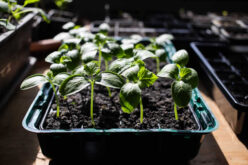
Warm weather vegetables include squash, pepper, tomatoes, corn, beans and cucumbers. Also, you may be able to grow artichokes, melons, okra, eggplant and artichokes. Peppers, tomatoes, squash, beans, cucumbers and even melons can be grown from either seed or transplants.
Raised-Bed Gardening
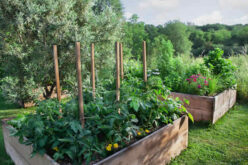
One way to get more out of a garden especially if space is limited is through raised-bed gardening. With this option you can also enjoy a longer growing season as better drainage encourages soil warming. Beds are easier to maintain, provide higher yields and make gardening possible in areas where the soil is not productive notes the University of Missouri Extension service.
And if you need help with gardening, your state’s extension service can advise you. Classes, brochures, seminars and experts are available, enabling you to learn and plant the garden you may never thought that you could grow.
See Also — Smart Options for Brown-Thumbed Gardeners
| google+ |
|__________________________________________________________|
home remodeling surprise
find out where it might go - new win


Helpful article? Leave us a quick comment below.
And please share this article within your social networks.