These daily frustrations are common for many homeowners, but a simple solution exists right above your ceiling.
A properly functioning attic fan acts as the respiratory system for your house, quietly working to expel trapped, blistering air while drawing in fresher, cooler breezes from outside.
This subtle exchange transforms uncomfortable, chaotic indoor climates into efficient, streamlined environments that support your family’s comfort and well-being.
Understanding how home ventilation works is the first step toward a more comfortable living space. By addressing the root cause of the heat trapped in your upper floors, you can create a sanctuary that feels welcoming and refreshing, even on the hottest afternoons.
- post content
- 1. The Purpose Of An Attic Fan
- 2. Why An Attic Fan Is Essential For Your Home
- 3. Optimal Locations For Attic Fan Installation
- 4. Types Of Attic Fans And Their Functions
- 5. The Benefits Of Installing An Attic Fan
- 6. Professional Installation Versus DIY
- 7. Maintaining Your Attic Fan For Longevity
- 8. Frequently Asked Questions About Attic Fans
- 9. A Smart Investment For Home Comfort
- view table:content summary
- view notes:collective tips
- view ideas:latest remodeling analysis
- related post (new win):Game Table For Your Recreation Room
1. The Purpose Of An Attic Fan
The primary purpose of an attic fan is to regulate the temperature and moisture levels within your highest living spaces. During warmer months, the sun beats down on your roof, turning the enclosed space beneath it into an oven.
An attic fan actively pushes this trapped, superheated air out through the roof vents, allowing cooler outside air to flow in through the soffit vents. This continuous circulation prevents the intense attic heat from seeping down into your living areas.
During the colder seasons, these devices serve an equally important role by managing moisture. Everyday activities like cooking, bathing, and running the dishwasher generate warm, moist air that naturally rises.
If this moisture becomes trapped under your roof, it can cause condensation, leading to potential mold growth and wood rot. The fan ensures this damp air is safely exhausted outdoors, protecting the structural integrity of your home.

2. Why An Attic Fan Is Essential For Your Home

Maintaining proper home ventilation is crucial for extending the lifespan of your roof and the comfort of your family.
When trapped air reaches extreme temperatures, it literally bakes your asphalt shingles from the inside out, causing them to curl, crack, and fail prematurely.
By installing a dedicated ventilation system, you preserve your roofing materials and save yourself from the financial burden of early replacements.
Furthermore, a well-ventilated space prevents your air conditioning unit from working overtime. When the space directly above your ceiling reaches excessive temperatures, that thermal energy radiates downward.
Your cooling system must then battle against this continuous heat transfer. Relieving this thermal pressure ensures your HVAC system operates smoothly, reducing unnecessary wear and tear.
3. Optimal Locations For Attic Fan Installation
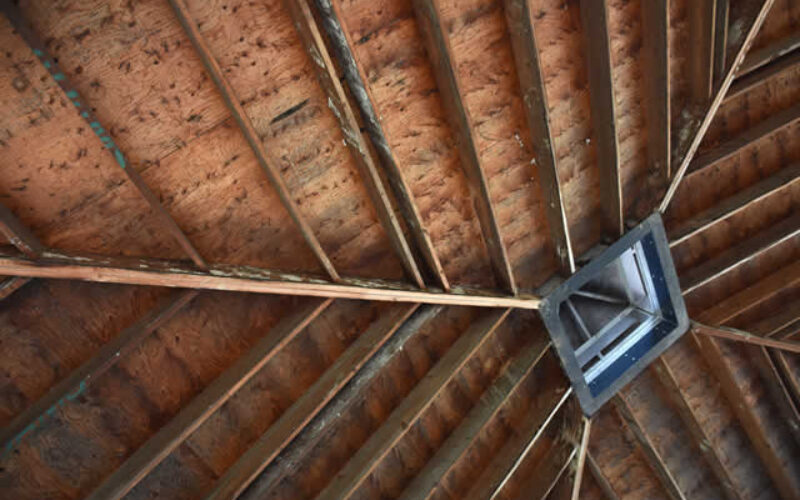
Proper fan installation relies heavily on positioning the unit where it can achieve the most efficient airflow. Roof-mounted models are typically installed near the highest point of the roofline, just below the ridge.
Because hot air naturally rises, placing the exhaust point near the peak ensures the most intense heat is targeted and expelled quickly.
Gable-mounted units offer an alternative for homes with specific architectural designs. These are installed behind the louvered vents located on the exterior triangular walls of the roof structure.
This location pulls a steady stream of air across the entire length of the space, creating a cross-breeze that efficiently sweeps away stale, warm air. The choice between roof and gable locations often depends on your home’s existing venting structures and layout.
4. Types Of Attic Fans And Their Functions
Homeowners can choose from several variations of ventilation systems to match their specific needs and environmental goals. Electric models wire directly into your home’s electrical grid and often feature built-in thermostats.
These intelligent units turn on automatically when the temperature reaches a certain threshold, providing hands-off, consistent temperature management.
Solar-powered options represent a wonderful, eco-friendly approach to home ventilation. Because they draw their energy directly from the sun, they operate completely off the grid, costing you nothing to run.
They function most actively during the sunniest parts of the day, which perfectly coincides with the periods of highest heat buildup.
5. The Benefits Of Installing An Attic Fan
The most immediate benefit you will notice is a significant reduction in your monthly cooling costs. By lowering the temperature of the space above your ceiling by several degrees, the living areas below stay naturally cooler.
Your air conditioning system requires less energy to maintain a comfortable indoor climate, directly translating to savings on your utility bills.
Energy efficiency goes hand in hand with environmental stewardship. Consuming less electricity reduces your home’s carbon footprint, allowing you to care for your family’s comfort while also respecting the natural world.
Additionally, the improved air circulation helps keep your indoor environment feeling fresh, supporting a healthier, more vibrant living space for you and your loved ones.
6. Professional Installation Versus DIY
Taking on a home improvement project brings a wonderful sense of personal satisfaction, but working on a roof introduces significant safety considerations. If you have extensive experience with roofing materials, electrical wiring, and working at heights, tackling a fan installation can be a rewarding weekend project.
For most homeowners, enlisting a licensed professional is the safest and most reliable choice. Experts understand how to properly seal the installation site to prevent water leaks, and they can calculate the exact ventilation requirements for your square footage.
Relying on professional guidance ensures the job is done correctly the first time, giving you total peace of mind.
making use of your attic

Unlock the Hidden Potential of Your Home with an Attic Renovation
Converting your attic into livable space is a fantastic way to maximize the usable area in your home and enhance its overall value.
7. Maintaining Your Attic Fan For Longevity
Caring for your ventilation system ensures it will serve your home faithfully for many years. Once a year, preferably in the spring before the intense heat arrives, take a few moments to inspect the unit. Look for any debris, such as leaves or bird nests, that might block the airflow or interfere with the fan blades.
Listen closely to the motor while it operates. A quiet, smooth hum indicates a healthy machine, while grinding or squeaking noises might suggest the motor needs lubrication or replacement. By performing these gentle, routine checks, you empower yourself to catch minor issues before they turn into costly repairs.
8. Frequently Asked Questions About Attic Fans
Many homeowners wonder if these fans run constantly. Modern units are equipped with thermostats and humidistats, meaning they only activate when the temperature or humidity reaches a specific level. This intelligent operation ensures they only consume energy when absolutely necessary.
Another common question is whether a single fan is enough for a large house. The answer depends on your total square footage and the capacity of the fan itself.
Professionals use specific calculations to determine the volume of air that needs to be moved, and sometimes, installing two smaller units provides better cross-ventilation than one massive fan.
9. A Smart Investment For Home Comfort
Nurturing a comfortable, safe, and efficient home environment is a goal every homeowner shares. Taking steps to manage the hidden climate beneath your roof drastically improves the overall harmony of your living spaces.
By prioritizing proper ventilation, you protect your home’s structural health, lower your monthly expenses, and create a cooler sanctuary for your family to enjoy.
Reach out to a local ventilation specialist today to evaluate your home’s needs, and take the first step toward a more comfortable, energy-efficient future.
other related analysis of interest: (new win)
| Section | Description | Details |
|---|---|---|
| The Purpose Of An Attic Fan | Regulating temperature and moisture levels in upper living spaces. | During warm months, attic fans expel superheated air, preventing heat from seeping into living areas. During colder seasons, they expel moisture caused by daily activities, avoiding condensation, mold, and wood rot. |
| Why An Attic Fan Is Essential For Your Home | Extending rooftop lifespan and enhancing indoor comfort. | Prevents roof damage caused by trapped excessive heat, reduces stress on air conditioning units, and enhances HVAC system efficiency. |
| Optimal Locations For Attic Fan Installation | Maximizing airflow efficiency through proper positioning. | Roof-mounted fans should be near the roofline’s peak for hot air expulsion. Gable-mounted units optimize airflow across roof structures based on home design and vent layout. |
| Types Of Attic Fans And Their Functions | Ensuring ventilation based on energy preferences and needs. | Electric models operate automatically with thermostats, while solar-powered options are eco-friendly and cost-free to operate during sunny periods. |
| The Benefits Of Installing An Attic Fan | Lowering cooling costs, energy efficiency, and improving indoor air circulation. | Fans reduce cooling costs, lessen electricity consumption to lower carbon footprints, and foster fresher, healthier indoor living spaces. |
| Professional Installation Versus DIY | Weighing safety and expertise for installation. | DIY installation requires roofing and wiring skills, while professional help ensures proper sealing, accurate calculation, and reliable execution. |
| Maintaining Your Attic Fan For Longevity | Ensuring consistent fan operation through yearly checks. | Inspect for debris, motor noise, and lubrication needs. Catch small issues early to avoid costly repairs and ensure long-term performance. |
| Frequently Asked Questions | Addressing common concerns about attic fan usage. | Fans activate based on temperature/humidity with thermostats or humidistats. Large homes may require multiple smaller units for optimal ventilation. |
| A Smart Investment For Home Comfort | Improving living space harmony, reducing expenses, and enhancing home efficiency. | Prioritizing ventilation can protect your home’s structural health, save expenses, and create a comfortable family sanctuary. |

Find Roofing Services Roof Replace Roof Repair Roofing Other Gutter Systems top-rated, pre-screened local contractors FREE: download contractor selection enter zip code – powered by HomeAdvisor ™


Image credit: by envato.com
end of post … please share it!
| more photo remodeling |
Jump Over to Our Photo Analysis Center for Ideas on
"Renovating Home"
|__________________________________________________________|
home remodeling surprise
find out where it might go - new win


Helpful article? Leave us a quick comment below.
And please share this article within your social networks.