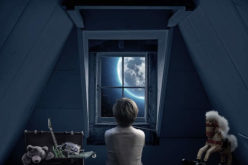
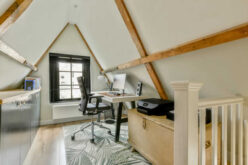
Converting your attic into a personal stargazing sanctuary offers an incredible opportunity to explore the cosmos from the comfort and safety of your own home.
Attic stargazing presents unique advantages that outdoor observation simply cannot match. You’ll enjoy protection from unpredictable weather, immediate access to refreshments and restrooms, and the freedom to create a customized environment perfectly suited to your astronomical interests.
The elevated position naturally reduces ground-level light pollution while providing excellent access to overhead celestial objects.
However, transforming your attic into an effective home observatory requires thoughtful planning and attention to several critical factors. From structural safety considerations to equipment placement strategies, each element plays a vital role in creating a space that delivers both exceptional viewing experiences and long-term enjoyment.
This comprehensive guide will help you navigate every aspect of your attic stargazing conversion, ensuring you create a space that brings the wonders of the universe right into your home.
Assessing Your Attic’s Stargazing Potential
Before investing time and resources into your attic observatory project, you need to carefully evaluate whether your space can support safe and effective astronomical observation. This assessment involves examining both the physical characteristics of your attic and its suitability for housing delicate optical equipment.
-
Structural Integrity and Safety
The foundation of any successful attic stargazing project begins with ensuring your space can safely support both human occupancy and specialized equipment. Standard attic construction typically handles distributed storage loads of 20-30 pounds per square foot, but telescope mounts and observation furniture create concentrated loads that may exceed these limits.
Contact a qualified structural engineer to assess your attic’s load-bearing capacity before proceeding with major modifications. This professional evaluation becomes especially important if you plan to install permanent telescope pier mounts or heavy observation chairs.
The engineer can identify any necessary reinforcements and ensure your modifications comply with local building codes.
Floor stability directly impacts your ability to use telescopes effectively. Even minor vibrations from footsteps or HVAC systems can render high-magnification viewing impossible. Traditional attic joists often create a springy surface that continues vibrating for several seconds after disturbance.
Consider installing additional blocking between joists or adding a subflooring system to distribute loads more evenly and reduce vibration transmission.
Safety considerations extend beyond structural concerns to include emergency access and fire protection. Your attic observatory will likely be accessed during nighttime hours when visibility is limited.
Traditional pull-down stairs may prove inadequate for frequent use, particularly when carrying equipment. Installing permanent stairs or a sturdy ladder system with handrails provides safer access and encourages regular use of your observatory space.
-
Space and Layout Considerations
The physical dimensions and layout of your attic significantly influence both equipment placement options and overall comfort during observation sessions. Most residential attics feature sloped rooflines that limit usable headroom, creating challenges for both equipment positioning and human movement.
Measure your attic’s dimensions carefully, paying particular attention to areas with sufficient headroom for comfortable movement and telescope operation. Most people require at least six feet of clearance for comfortable standing, though you may be able to work with lower ceilings if you plan to observe primarily from seated positions.
Consider the path of celestial objects across your local sky when evaluating viewing angles. Objects rise in the east, reach maximum altitude when crossing the meridian to the south, and set in the west.
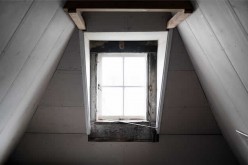
Your attic’s window placement and orientation will determine which portions of the sky you can observe effectively. North-facing windows provide excellent views of circumpolar constellations that never set, while south-facing openings offer access to the majority of deep-sky objects.
The presence of dormers, chimneys, or other structural elements can create viewing obstructions that limit your observatory’s effectiveness. Map these obstacles carefully and consider how they might affect your ability to track objects across the sky throughout the night.


Creating Optimal Viewing Conditions
Successful attic stargazing depends heavily on your ability to create and maintain conditions that support clear, stable astronomical observation. This involves addressing both environmental factors that affect image quality and practical considerations that impact your comfort during extended viewing sessions.
-
Minimizing Light Pollution
Light pollution represents one of the most significant challenges facing modern astronomers, and your attic observatory requires careful attention to both internal and external light sources. The elevated position of your attic may actually increase exposure to distant light sources that would be blocked at ground level, making light control strategies essential for optimal viewing.
External light pollution from street lamps, neighboring houses, and commercial buildings affects all astronomical observation. Windows and skylights that provide excellent sky access during daylight hours can become conduits for unwanted illumination at night.
Blackout curtains or specialized astronomical blinds offer effective solutions for controlling external light pollution when you’re not actively observing.
Install curtains or blinds that seal completely around window frames to prevent light leaks that can compromise your night vision. Consider using tracks or mounting systems that allow quick opening and closing without disturbing your telescope setup.
Some astronomy enthusiasts prefer removable blackout panels that can be stored when not needed, providing maximum flexibility for different observation scenarios.
Internal lighting requires careful planning to maintain your night vision while providing necessary illumination for equipment adjustment and safety. Red lighting preserves night vision adaptation better than white light, but even red illumination should be used sparingly and at the lowest practical intensity.
Dimmable LED strips with red filters can provide adjustable ambient lighting, while red flashlights or headlamps offer portable illumination for specific tasks.
Eliminate all white light sources from your observatory once you begin observing. Computer screens, smartphone displays, and conventional lighting can destroy the night vision adaptation that takes 20-30 minutes to develop.
If you must use electronic devices, apply red filters to screens or use astronomy apps specifically designed to preserve night vision.
-
Ventilation and Temperature Control
Proper ventilation and temperature management directly impact both viewing quality and personal comfort during observation sessions. Temperature differentials between your telescope and the surrounding air create thermal currents that can significantly distort astronomical images, while inadequate ventilation can lead to condensation problems that damage equipment and obscure viewing.
Thermal equilibrium between your telescope and the ambient air temperature is essential for sharp, stable images. Telescopes brought from warm indoor environments into cold observing conditions require substantial time to reach thermal equilibrium—often 30 minutes or more for larger instruments.
This cooling period typically coincides with the time needed for your eyes to adapt to darkness, but proper ventilation can accelerate the process.
Natural ventilation through operable skylights or windows helps maintain temperature balance while reducing thermal turbulence. Cross-ventilation works most effectively, with air intake from one side of the attic and exhaust from the other.
However, excessive air movement can create vibrations that interfere with telescope stability, so balance ventilation needs with equipment requirements.
Condensation prevention requires careful attention to humidity levels and temperature gradients throughout your attic space. Warm, moist air from your home’s living spaces naturally rises into the attic and can condense on cold surfaces, including telescope mirrors and eyepieces.
This condensation can permanently damage optical coatings and electronic components while making observation impossible.
Consider installing a separate climate control zone for your observatory area that can be adjusted independently from your home’s main HVAC system. This allows you to maintain optimal temperature and humidity conditions for both equipment protection and viewing comfort.

Unlock the Hidden Potential of Your Home with an Attic Renovation
Converting your attic into livable space is a fantastic way to maximize the usable area in your home and enhance its overall value. This transformation can provide additional rooms such as a cozy bedroom, a functional home office, or even a creative studio.
Equipment and Setup Strategies
The success of your attic stargazing project depends heavily on selecting appropriate equipment and implementing setup strategies that work within the unique constraints of your elevated observatory space. This involves balancing equipment performance with practical considerations like storage, accessibility, and vibration control.
-
Choosing the Right Telescope
Selecting an appropriate telescope for attic use requires careful consideration of several factors that differ from traditional outdoor observation. The confined space and structural limitations of most attics favor certain telescope designs while creating challenges for others.
Refractor telescopes often work exceptionally well in attic observatories due to their sealed optical systems and minimal maintenance requirements. These instruments are less sensitive to air currents and temperature variations than other telescope types, making them ideal for partially enclosed spaces.
Additionally, refractors typically provide comfortable viewing angles for objects near the zenith, which is often the primary viewing direction in attic setups.
Compact catadioptric telescopes, such as Schmidt-Cassegrain or Maksutov-Cassegrain designs, offer excellent performance in limited space situations. These instruments fold their optical path to achieve long focal lengths in relatively short tubes, making them easier to position and maneuver in attics with restricted headroom. However, they require more time to reach thermal equilibrium and may need occasional optical maintenance.
Reflector telescopes can work well in attic applications but require more careful consideration of positioning and maintenance. The open optical system of reflectors makes them more sensitive to air currents and dust accumulation, which can be problematic in attic environments.
Additionally, the eyepiece positioning on reflectors may create awkward viewing angles when observing overhead objects.
Consider the mount type carefully, as this significantly impacts both stability and usability in your attic observatory. Equatorial mounts provide excellent tracking capabilities for long-term observation and astrophotography but require precise polar alignment and may be more complex to set up in confined spaces.
Altitude-azimuth mounts offer simpler operation and more intuitive movement but lack the tracking capabilities needed for extended observation of single objects.
-
Mounting and Stabilization
Achieving adequate stability for your telescope represents one of the most critical aspects of attic observatory setup. The elevated position and wooden construction typical of most attics create unique challenges for eliminating vibrations that can ruin astronomical observation.
Permanent pier mounts provide the ultimate solution for telescope stability but require significant structural modifications and professional installation.
These systems involve installing a concrete foundation that extends below the frost line, then running a steel or concrete pier through your home’s structure to support the telescope mount. While expensive and disruptive to install, pier mounts offer the rock-solid stability necessary for serious astronomical observation and astrophotography.
For less permanent installations, focus on heavy-duty tripods designed specifically for astronomical use. Look for models with wide-stance legs that distribute weight effectively and incorporate vibration dampening features.
Some manufacturers offer tripods specifically designed for indoor use, featuring rubber feet and specialized leg bracing that reduces vibration transmission to the supporting structure.
Enhance tripod stability by adding weight to the legs using sandbags or other dense materials. This additional mass helps dampen vibrations and provides greater resistance to accidental bumps or air currents. Some observers create custom weight systems using containers filled with sand or lead shot that can be easily attached to tripod legs.
Consider the full range of motion required for your telescope mount when planning equipment placement. Ensure you can track objects across the sky without encountering structural obstacles like rafters, dormers, or HVAC equipment.
Plan for comfortable access to all telescope controls, including focusing knobs, finder scopes, and eyepiece holders.
Enhancing Your Stargazing Experience
Creating a truly exceptional attic observatory extends beyond basic equipment and safety considerations to encompass comfort, convenience, and the integration of modern technology that can significantly enhance your astronomical pursuits.
-
Creating a Comfortable Environment
The unique challenges of attic spaces—including limited headroom, temperature variations, and potential moisture issues—can make it difficult to create a comfortable stargazing environment. But with some careful planning and attention to detail, you can transform your attic into a cozy and inviting observatory.
- Insulation:
Properly insulating your attic will help regulate the temperature inside, making it more comfortable for extended stargazing sessions. Consider using eco-friendly insulation materials to reduce your environmental impact. - Seating and storage:
Make sure to have enough comfortable seating options for you and your stargazing companions. Bean bags, floor cushions, or folding chairs are great options that can be easily stored away when not in use. Additionally, it’s important to have storage space for any equipment or supplies you may need while stargazing. - Safety precautions:
Safety should always be a top priority when stargazing. Make sure your attic is equipped with smoke detectors and fire extinguishers, as well as proper ventilation to prevent buildup of harmful gases. It’s also a good idea to have a first aid kit on hand in case of any accidents or injuries. - Decorate with the stars in mind:
Let your love for stargazing shine through in your attic decor. Hang up posters or prints of constellations, planets, or other celestial bodies. You can also add string lights to mimic a starry night sky and create a cozy atmosphere. - Set the mood:
To fully immerse yourself in the stargazing experience, consider adding some relaxing elements to your attic. This could include soft blankets and pillows for comfortable seating, calming music playing in the background, or even scented candles with aromas that evoke the outdoors such as pine or lavender. - Share the experience:
Stargazing is often more enjoyable when shared with others. Consider inviting friends or family over for a stargazing evening in your attic. They may have never experienced stargazing in such a cozy and unique setting before, and it can be a memorable experience for everyone involved. - Learn about the stars:
As you gaze up at the night sky, take some time to learn about the constellations and their stories. There are plenty of apps or websites that can help you identify different constellations and their origins. You could also consider purchasing a star map or book on astronomy to further enhance your knowledge of the stars. - Take care of yourself:
Stargazing can be a peaceful and calming activity, but it’s important to remember to take care of yourself while doing so. Make sure to stay warm and comfortable, especially if you are stargazing during colder months. Bring a blanket or some hot tea to keep yourself cozy. Also, be mindful of any potential hazards such as uneven terrain or wildlife in the area. - Connect with others:
Stargazing is also a great activity to do with others. Invite friends or family members to join you on your stargazing adventure. You can even make it into a fun and educational experience by teaching them about different constellations and their stories. Stargazing can also be a romantic date idea for couples looking for a unique and intimate way to connect. - Take notes:
As you observe the stars, consider taking notes on what you see. This can help you track your progress in learning constellation patterns and identifying different stars and planets. It can also be a great way to journal your thoughts and reflections while stargazing. - Join a stargazing group:
If you’re interested in meeting others who share your passion for stargazing, consider joining a local stargazing group or club. Not only will you have the opportunity to learn from experienced astronomers, but you can also make new friends who share the same interests as you.
- Insulation:
-
Enhance Your Stargazing Setup
Incorporating technology into your attic stargazing experience can make it even more enjoyable and informative. Start by setting up a smart telescope or high-quality binoculars that can be easily positioned to look out from your attic windows or skylights.
Pair your optical equipment with a smartphone or tablet to use astronomy apps that provide real-time star maps and detailed information about celestial objects. For an even more immersive experience, you may consider investing in a star tracker or astrophotography equipment to capture stunning images of the night sky right from your attic.
These tools can help in identifying planets, constellations, and even track the International Space Station, making your stargazing sessions both engaging and educational.
other related analysis of interest: (new win)
The New Age of TVs Shaping Home Entertainment
How Modern Architecture Firms Use Technology to Transform Design
Conclusion
Transforming your attic into a stargazing haven is a unique and rewarding way to connect with the wonders of the universe. By creating a dedicated, cozy space equipped with the right tools and resources, you can turn your nighttime curiosity into a lifelong passion.
Whether you’re marveling at constellations, tracking planets, or capturing breathtaking photos of the stars, your attic can become a sanctuary for both learning and relaxation. With just a little effort, your attic can offer you a front-row seat to the beauty of the cosmos, inspiring awe and a deeper appreciation for the night sky.
Find Attic Conversion Services Additions Major Remodels Minor Remodels Home Theater top-rated, pre-screened local contractors FREE: download contractor selection enter zip code – powered by HomeAdvisor ™


AI generated image: personal stargazing by 123rf.com
end of post … please share it!
| more photo remodeling |
Jump Over to Our Photo Analysis Center for Ideas on
"Renovating Home"
|__________________________________________________________|
home remodeling surprise
find out where it might go - new win


Helpful article? Leave us a quick comment below.
And please share this article within your social networks.