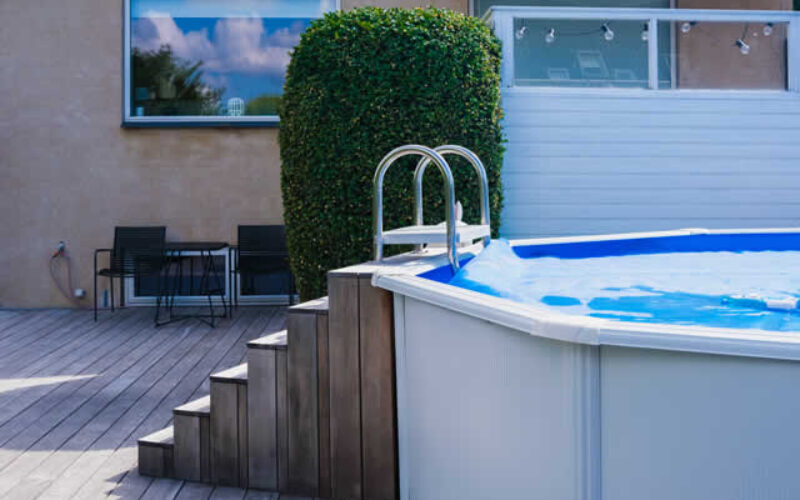
Understanding the selection process, installation requirements, and maintenance needs helps you make informed decisions that transform your outdoor space into a summer retreat.
Planning for an above-ground pool involves more than simply choosing a size and placing it in your yard. From evaluating your available space to understanding local regulations, each decision shapes your long-term satisfaction with this investment.
The good news is that with proper preparation and thoughtful design choices, your above-ground pool can become a stunning focal point that enhances both your property’s appeal and your quality of life.
- post content
- Understanding The Benefits Of Above-Ground Pools
- Essential Considerations For Selecting The Right Pool Size And Shape
- Evaluating Site Preparation And Professional Installation Requirements
- Designing Aesthetic Landscaping To Enhance Your Backyard Structure
- Maintaining Water Quality And Safety Standards For Long-Term Use
- Create Your Summer Oasis With Confidence
- view table:content summary
- view notes:collective tips
- view ideas:latest remodeling analysis
- related post (new win):Is Your Yard a Swamp?
Understanding The Benefits Of Above-Ground Pools Over In-Ground Alternatives
Cost considerations often drive homeowners toward above-ground pools, and for good reason. Traditional in-ground pools typically require investments ranging from $35,000 to $65,000 or more, depending on size and features, according to industry data from the Pool and Hot Tub Alliance.
Above-ground options start at approximately $1,500 for basic models and range up to $15,000 for premium installations with decking and accessories.

Beyond initial purchase price, installation expenses differ dramatically between these two options. In-ground pools demand extensive excavation, plumbing work, and structural engineering that can take several weeks to complete.
Above-ground pools, by contrast, can often be installed within a few days with minimal site preparation. Many homeowners with basic DIY skills successfully complete installations themselves, though professional assistance remains available for those who prefer expert guidance.
Maintenance accessibility represents another practical advantage of above-ground designs. The elevated structure allows easier access to pumps, filters, and plumbing connections, simplifying routine upkeep and repairs.
When issues arise, components are typically less expensive to replace compared to in-ground systems. Additionally, winterization proves more straightforward since these pools can be partially or completely drained and covered without complex procedures.
Property considerations also favor above-ground installations for many situations. These pools qualify as temporary structures in numerous municipalities, meaning they often bypass the extensive permitting processes required for permanent in-ground construction.
This distinction can save considerable time and expense while offering flexibility should you relocate or wish to reconfigure your backyard layout in the future.

Essential Considerations For Selecting The Right Pool Size And Shape
Yard dimensions establish your starting parameters when choosing pool specifications. Measure your available space carefully, accounting for required setbacks from property lines, structures, and utility easements.
Most local codes mandate specific distances between pools and fences, buildings, or septic systems. Contacting your municipal planning department early in the process prevents costly mistakes and ensures compliance with all regulations.
Family usage patterns should guide your size selection as much as available space. A household with young children might prioritize a larger shallow area for supervised play, while fitness enthusiasts may prefer an elongated design that accommodates lap swimming.
Round pools ranging from fifteen to thirty-three feet in diameter suit most recreational needs, while oval designs measuring eighteen by thirty-three feet or larger provide more versatile swimming space.
Depth requirements balance safety concerns with recreational preferences. Standard above-ground pools typically offer depths between forty-eight and fifty-four inches, which accommodate most swimming and play activities while reducing risks associated with diving.
Families with very young children sometimes opt for shallower forty-two-inch models that ease supervision, though these limit swimming capability as children grow. Remember that diving should never occur in above-ground pools regardless of depth, as their structure cannot safely support this activity.
Shape selection extends beyond aesthetics to influence both functionality and landscaping possibilities. Round pools maximize swimming space relative to their footprint and typically cost less than comparable oval designs.
Oval configurations provide more lap swimming area and integrate more naturally into rectangular yard layouts. Some manufacturers offer kidney-shaped or figure-eight designs that create visual interest and define separate shallow and deep zones within a single structure.
Evaluating Site Preparation And Professional Installation Requirements
Ground preparation forms the foundation of successful pool installation and long-term structural integrity. The installation site must be perfectly level, as even minor slopes create uneven water distribution that stresses pool walls and can lead to collapse.
Professional installers typically use laser levels to ensure accuracy, though dedicated DIYers can achieve acceptable results using string lines and careful measurement.
Soil composition affects both preparation methods and long-term stability. Sandy or loose soil requires compaction and may benefit from a sand base layer that distributes weight evenly and prevents settling.
Clay soils drain poorly and may need amended drainage solutions to prevent water accumulation beneath the pool structure. Sites with significant rocks or roots demand thorough clearing to prevent punctures or structural damage to the pool liner.
Base material selection impacts comfort, liner protection, and maintenance requirements. Most installations use a two to three-inch layer of masonry sand that provides cushioning and facilitates drainage.
Some homeowners add foam padding or specialized pool padding beneath the liner for additional protection against ground irregularities. While these materials increase initial costs, they extend liner life and reduce the likelihood of expensive repairs.
Professional installation services provide value through experience, proper equipment, and warranty protection. Experienced installers complete site preparation efficiently and recognize potential issues before they become problems. T
hey possess specialized tools for leveling, frame assembly, and liner installation that ensure professional results. Many manufacturers require professional installation to maintain warranty coverage, making this service an important consideration for protecting your investment.
Electrical requirements necessitate licensed electrician involvement for safe, code-compliant operation. Pool pumps, filters, and optional heaters demand dedicated circuits with ground fault circuit interrupter protection.
Local electrical codes specify exact requirements for circuit capacity, conduit installation, and equipment grounding. Attempting electrical work without proper licensing risks both safety hazards and code violations that complicate future property transactions.
more info below
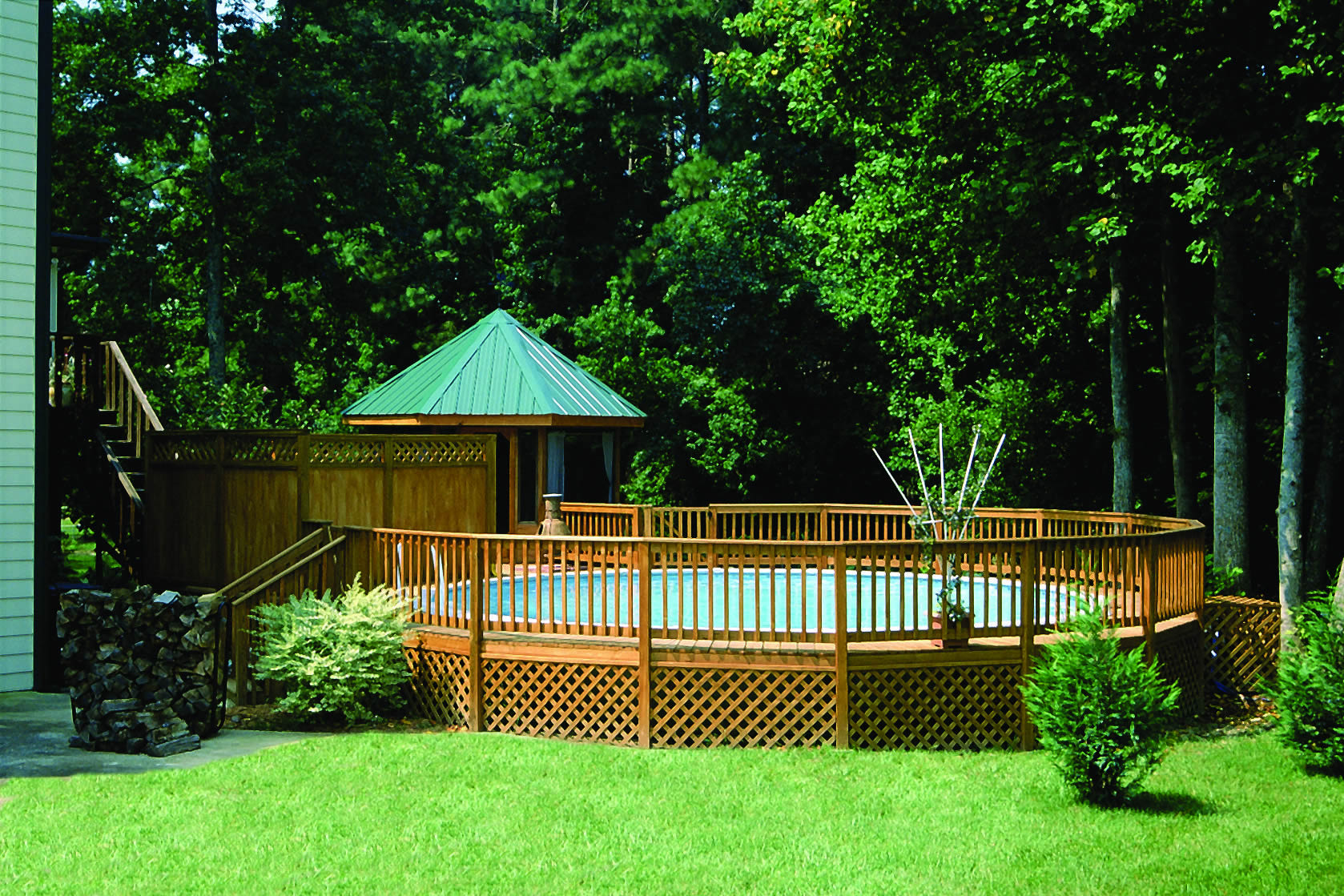
Landscaping Your Above Ground Pool Area
Who says an above-ground pool won’t look nice in your backyard? With a bit of landscaping and building a deck to surround and hide the pool wall, you may have something that will look great.
Designing Aesthetic Landscaping To Enhance Your Backyard Structure
Decking transforms above-ground pools from utilitarian structures into integrated backyard features. Professionally designed decks provide safe entry and exit points while creating lounging space that enhances poolside enjoyment.
Pressure-treated lumber offers affordability and durability, while composite materials eliminate maintenance concerns and provide slip-resistant surfaces. Deck designs ranging from simple entry platforms to wraparound structures with multiple levels accommodate various budgets and aesthetic preferences.
Privacy screening addresses both practical and visual considerations in pool area design. Strategic placement of lattice panels, privacy fences, or tall plantings creates secluded spaces that enhance comfort and security.
These elements also reduce debris infiltration from wind while providing attractive backdrops for pool photography. Living screens using fast-growing evergreen shrubs or ornamental grasses develop over time into natural privacy barriers that soften the pool’s visual impact.
Surrounding landscaping integrates your pool into the broader yard design rather than leaving it as an isolated feature. Planting beds incorporating colorful perennials and ornamental grasses soften hard edges and create visual transitions between pool area and lawn.
Container gardens positioned around the deck add flexibility for seasonal color changes without permanent commitments. Select low-maintenance, non-shedding plants to minimize cleanup requirements and reduce debris in pool water.
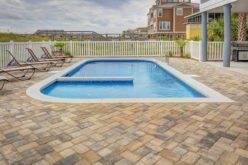
Hardscaping elements define pool areas while providing functional benefits. Gravel or mulch pathways guide foot traffic and reduce grass tracking into the pool. Pavers or flagstone create attractive transitions between lawn and deck while establishing defined boundaries.
These materials also improve drainage around the pool perimeter, reducing standing water and muddy conditions that develop in high-traffic areas.
Lighting extends pool usability into evening hours while enhancing safety and ambiance. Deck lighting mounted on railings or posts illuminates entry and exit points, reducing trip hazards after dark.
Underwater LED lights create dramatic visual effects and improve swimmer visibility. Solar-powered landscape lights positioned around the pool perimeter provide gentle illumination without electrical complexity or operating costs.
Maintaining Water Quality And Safety Standards For Long-Term Use
Chemical balance maintains healthy swimming conditions and protects pool components from degradation. Test water chemistry at least twice weekly during swimming season, checking pH, chlorine levels, and total alkalinity.
Maintain pH between 7.2 and 7.8 for optimal sanitizer effectiveness and swimmer comfort. Chlorine levels should remain between 1.0 and 3.0 parts per million, while total alkalinity stays within 80 to 120 parts per million according to guidelines from the Centers for Disease Control and Prevention.
Filtration systems remove debris and circulate chemicals throughout the pool volume. Run your filter system at least eight to twelve hours daily during peak swimming season to maintain water clarity.
Clean or backwash filters according to manufacturer specifications, typically when pressure gauges indicate restricted flow. Sand filters require backwashing every few weeks, while cartridge filters need removal and cleaning approximately monthly.
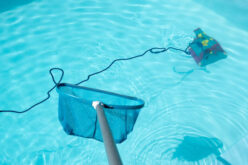
Physical cleaning prevents algae growth and removes debris that escapes filtration. Skim the surface daily to remove leaves, insects, and other floating materials before they sink and decompose.
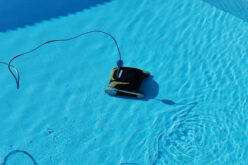
Brush walls and floor weekly to dislodge algae and prevent buildup in areas with poor circulation. Vacuum the pool floor regularly using manual or automatic cleaners appropriate for above-ground installations.
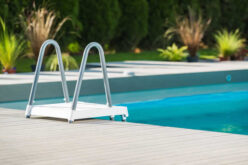
Safety equipment and protocols protect swimmers and provide emergency response capability. Install a sturdy ladder with secure mounting and slip-resistant steps for safe entry and exit.
Keep rescue equipment including a reaching pole and life ring readily accessible near the pool. Establish and enforce clear safety rules regarding running, diving, and supervision requirements, particularly for households with children.
Winterization protects your investment during off-season months. Lower water levels below skimmer and return fittings to prevent freeze damage. Add winterizing chemicals to prevent algae growth and staining during storage.
Install a quality cover that excludes debris and sunlight while supporting snow and ice loads. Some owners in harsh climates choose to completely disassemble and store certain pool types, though most modern designs withstand winter conditions when properly prepared.
more info below

Enhancing Outdoor Spaces with Ornamental Grasses in Landscape Design
Ornamental grasses have become a popular choice in landscape design due to their versatility, low maintenance, and year-round appeal. They come in a wide range of sizes, colors, and textures, making them suitable for a variety of design styles.
Create Your Summer Oasis With Confidence
Above-ground pools deliver affordable aquatic recreation that transforms your backyard into a summer destination. By carefully selecting appropriate size and style, preparing your site properly, and committing to regular maintenance, you establish the foundation for years of family enjoyment.
The flexibility these pools offer makes them ideal for homeowners seeking swimming amenities without the permanent commitment and expense of in-ground construction.
Your journey toward backyard pool ownership begins with thorough research and honest assessment of your space, budget, and maintenance willingness. Consult with local pool dealers who can provide site evaluations and recommend options suited to your specific circumstances.
Don’t hesitate to visit operating installations and speak with current owners about their experiences—their insights often prove invaluable in making informed decisions.
Remember that your pool represents more than just a water-filled structure. It becomes a gathering place for family memories, a catalyst for outdoor activity, and an investment in your property’s recreational value.
Approach the project with realistic expectations, commitment to proper installation and maintenance, and enthusiasm for the lifestyle enhancement it provides.
other related analysis of interest: (new win)
Change-Up Your Outdoors: The Ultimate Spring Garden Furniture Guide
2026 Garden Trends: Creating Your Sustainable Outdoor Sanctuary
| Category | Details | Benefits | Considerations |
|---|---|---|---|
| Overview | Above-ground pools offer an affordable and efficient alternative to in-ground pools, making them suitable for families looking to enhance their backyard. | Affordable option with easy installation; creates a refreshing and fun outdoor environment. | Requires proper planning for space allocation, local regulations, and maintenance needs. |
| Costs | Above-ground pools range from $1,500 to $15,000, significantly cheaper than in-ground pools that cost $35,000 or more. | Lower upfront costs and optional DIY installation save money; professional installation is faster and more reliable. | Additional costs for decking and accessories can increase total investment. |
| Installation | Quick installation that can often be completed within a few days. Requires level ground and site preparation. | Less time-consuming than in-ground pools, with options for DIY or professional assistance. | Leveling and site preparation are critical for safety and longevity. Professional help may be needed for complex setups. |
| Maintenance | Maintenance involves filtration, water chemical balance, and seasonal adjustments like winterization. | Elevated structure simplifies access to components; costs and repairs are generally lower than in-ground systems. | Need regular cleaning, water testing, and filter management to maintain quality and safety. |
| Design & Landscaping | Decking, landscaping, and lighting enhance the appearance and functionality of the pool area. | Decks create a comfortable, aesthetic environment; privacy screens add security and charm. | Requires additional time and budget for integration with existing yard layouts. |
| Safety | Includes use of ladders, rescue equipment, and safety rules to prevent accidents. | Promotes a secure environment for families with children; winterization protects the pool during the off-season. | Enforces clear rules and regular inspections to maintain safety standards. |

Find Pool n’ Ponds Services Swimming Pools Spas & Hot Tubs Water Features Fencing Landscape Design Outbuildings top-rated, pre-screened local contractors FREE: download contractor selection enter zip code – powered by HomeAdvisor ™


Image credit: above-ground pool by envato.com
end of post … please share it!
| more photo remodeling |
Jump Over to Our Photo Analysis Center for Ideas on
"Renovating Home"
|__________________________________________________________|
home remodeling surprise
find out where it might go - new win


Helpful article? Leave us a quick comment below.
And please share this article within your social networks.