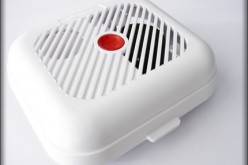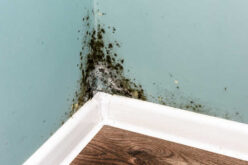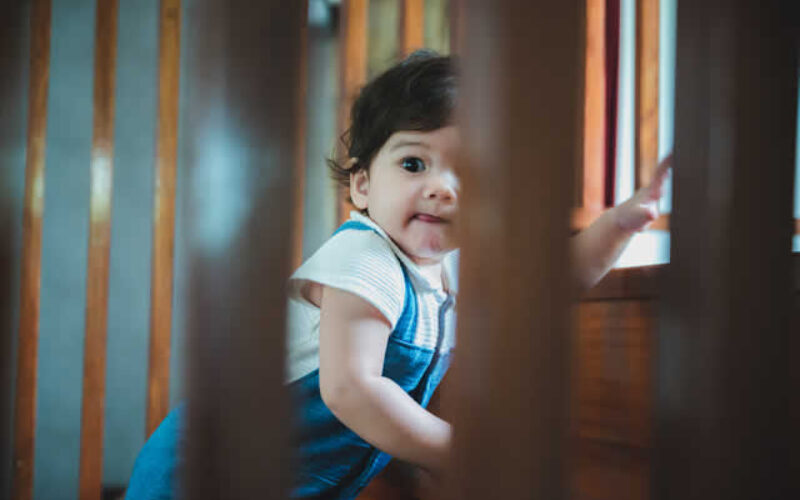
While we often think of the kitchen or bathroom as the primary zones for accidents, data consistently shows that bedrooms, stairs, and garages are frequent sites for household injuries among children.
Creating a safe environment isn’t about wrapping the world in bubble wrap; it’s about identifying risks and implementing smart, effective barriers.
By addressing these hidden hazards proactively, you can foster a space where your child can explore freely and you can breathe a little easier.
- post content
- Creating a Sanctuary in the Bedroom
- Navigating the Ups and Downs of Stair Safety
- Securing High-Risk Zones: Garages and Basements
- The Switch to Non-Toxic Cleaning
- Eliminating the Danger of Corded Blinds
- Building a Safer Future at Home
- view table:content summary
- view notes:collective tips
- view ideas:latest remodeling analysis
- view post (new win):Designing Study Room Areas
Creating a Sanctuary in the Bedroom
We tend to view bedrooms as safe havens, places for rest and quiet play. However, these rooms often contain subtle dangers that are easily overlooked during a standard childproofing sweep. The most critical area to address is furniture stability.
Dressers, bookshelves, and changing tables pose significant tipping hazards if a child attempts to climb them. Anchoring furniture to the wall using heavy-duty straps or L-brackets is a non-negotiable safety measure. Even low-profile furniture can tip if drawers are pulled out simultaneously, shifting the center of gravity.

Window safety is another crucial component of bedroom childproofing. Children are naturally drawn to windows, but screens are designed to keep insects out, not to keep children in. They cannot support the weight of a toddler leaning against them.
Installing window guards or stops that limit how far a window can open (usually no more than four inches) allows for fresh air without the risk of a fall.
Additionally, keeping furniture away from windows prevents children from having a climbing platform that grants them access to the sill.
Electrical outlets in the bedroom are often at the perfect height for curious crawlers. While plastic outlet plugs are a common solution, they can become choking hazards if a child manages to pry them loose.
A safer, more permanent solution involves installing sliding outlet covers that automatically snap shut when not in use. For outlets that are permanently in use—such as those for lamps or baby monitors—box-style covers can prevent little fingers from pulling out plugs or touching partially exposed prongs.

Navigating the Ups and Downs of Stair Safety
Stairs represent one of the most serious fall hazards in a multi-story home. The primary defense against stair-related accidents is the proper installation of safety gates. It is essential to understand that not all gates are created equal.
Pressure-mounted gates rely on tension against the walls to stay in place. While these are generally acceptable for the bottom of the stairs or between rooms, they should never be used at the top of a staircase. If a child pushes hard enough, the gate can dislodge, leading to a dangerous fall.
For the top of the stairs, hardware-mounted gates are the only safe option. these gates are screwed directly into the wall studs or banister posts, providing a secure barrier that cannot be pushed over.
When selecting a gate, look for models certified by the Juvenile Products Manufacturers Association (JPMA) to ensure they meet current safety standards. The gate should be kept closed at all times when not in active use, even if the child is asleep or in another room.
Beyond gates, the structural elements of the staircase itself require attention. Banisters with wide gaps between the slats can allow a small child to slip through or get their head stuck. If the gap exceeds four inches, installing a banister shield—a clear, durable plastic sheet—can bridge the gap without obstructing the view.
Additionally, ensuring that carpet on stairs is secure and free of snags, or that hardwood treads have non-slip surfacing, helps prevent slips for both parents carrying children and toddlers learning to navigate steps under supervision.
Securing High-Risk Zones: Garages and Basements
Garages and basements are often the storage hubs of the home, housing items that are strictly for adult use. These areas are fascinating to children because they are filled with tools, machinery, and colorful containers.
The garage, in particular, often contains automotive fluids like antifreeze and windshield washer fluid, which can look deceptively like juice or sports drinks. These chemicals must be stored high up in locked cabinets, completely out of reach and sight.
Tool safety is equally important in these workspaces. Power tools should be unplugged when not in use, with safety guards in place. Sharp hand tools like saws, screwdrivers, and garden shears need to be secured in locked toolboxes or on high pegboards.
If your garage door has an automatic opener, ensure the wall control button is mounted at least five feet above the floor so it is inaccessible to small children. The auto-reverse mechanism on the garage door should also be tested monthly to ensure it retracts immediately if it encounters an object (or a child) in its path.
Basements frequently house appliances like furnaces and water heaters, as well as exercise equipment. Treadmills and stationary bikes have moving parts that can trap fingers or cause friction burns.
When not in use, safety keys for treadmills should be removed and stored separately. Establishing a strict "no-play" rule for these utility areas is wise, but physical barriers like door locks or knob covers provide the necessary backup when adult attention is momentarily diverted.
here’s another interesting viewpoint

Raising Healthy and Mentally Adapt Kids In Troubling Environments
Raising children in challenging times can feel overwhelming, especially when trying to balance the demands of providing ample time, emotional support, and maintaining good health, all while navigating external pressures like economic uncertainties, social media influences, and societal expectations.
The Switch to Non-Toxic Cleaning
As children begin to crawl and walk, their hands touch everything—floors, counters, and furniture—and those hands inevitably end up in their mouths. This behavior makes the chemical residue left behind by standard household cleaners a concern.
Many conventional cleaning products contain harsh chemicals, synthetic fragrances, and volatile organic compounds (VOCs) that can irritate delicate respiratory systems and skin. Transitioning to non-toxic cleaners reduces this chemical load and creates a healthier indoor air quality for the entire family.
There are numerous effective, plant-based cleaning products available on the market today that carry certifications like the EPA’s Safer Choice label. However, many families also find success with simple, DIY alternatives.
A mixture of white vinegar and water is a powerful cleaner for glass and most surfaces, while baking soda works wonders as a gentle abrasive for scrubbing sinks and tubs. Hydrogen peroxide can be used for disinfecting. These pantry staples are generally safer than bleach or ammonia-based products if a child were to accidentally encounter them.
Regardless of whether you choose store-bought non-toxic options or homemade solutions, storage practices remain the same. "Natural" does not always mean "harmless" if ingested in large quantities.
All cleaning supplies, including laundry detergent pods which are frequently mistaken for candy, must be stored in locked cabinets. If under-sink storage is necessary, high-quality magnetic locks are often more effective than plastic latches, which determined toddlers can sometimes figure out.
Eliminating the Danger of Corded Blinds
Window coverings are one of the most overlooked yet critical hazards in the home. Traditional blinds and shades often feature long, dangling cords used for raising and lowering the slats.


These cords pose a severe strangulation risk to young children, who can become entangled in them within moments. The US Consumer Product Safety Commission (CPSC) has identified corded window coverings as one of the top hidden hazards in American homes.
The most effective way to eliminate this risk is to replace corded window treatments with cordless alternatives. Cordless blinds operate by pushing or pulling the bottom rail, removing the need for operating cords entirely.
Wand-operated blinds are another safe option. If replacing all window treatments is not immediately financially feasible, retrofitting existing blinds is a necessary interim step.
This involves cutting looped cords, using cord cleats to wrap dangling lines high out of reach, and ensuring that cribs and furniture are positioned far away from windows so children cannot reach the cords.
Ultimately, the goal is to remove any reachable loop or long cord. Even inner cords on older blinds can be pulled out to form a dangerous loop.
Because of this, full replacement with cordless products is the only way to be 100% certain the hazard is gone. Many retailers now stock exclusively cordless options, making it easier and more affordable to find safe, stylish solutions for every room in the house.
Building a Safer Future at Home
Childproofing is not a one-time event but an ongoing process that evolves as your child grows and gains new abilities.
By securing heavy furniture in bedrooms, installing proper gates on stairs, locking away hazards in garages and basements, choosing safer cleaning products, and eliminating corded blinds, you are building a foundation of safety.
These measures do more than just prevent accidents; they provide you with peace of mind, allowing you to focus on the joy of watching your child learn and grow in a home designed for their well-being.
other related analysis of interest: (new win)
Empowering Your Kids to Make Magic: Creative Kids Room Decorating Ideas
A Complete Guide to Protecting Your Assets and Valuables at Home
Resource Citations
| Section | Key Points | Solutions |
|---|---|---|
| Hidden Hazards in the Home | Sharp corners, open cabinets, and other hidden dangers in various rooms such as kitchens, bedrooms, stairs, and garages pose risks to children. | Identify and proactively address risks by implementing smart and effective safety barriers. |
| Creating a Sanctuary in the Bedroom | Furniture tipping risks, unsafe windows, and exposed electrical outlets may cause accidents. | Anchor furniture, install window guards or stops, and use sliding outlet covers or box-style covers for electrical outlets. |
| Stair Safety | Stairs are major fall hazards, especially in multi-story homes. Pressure-mounted gates are unsuitable for the top of the stairs, and wide banister gaps can present dangers. | Use hardware-mounted gates at the top of stairs, install banister shields for wide gaps, and ensure stairs have non-slip surfaces. |
| Securing Garages and Basements | Garages and basements contain tools, chemicals, and other items dangerous to children. Garage doors and fitness equipment can also be hazardous. | Store chemicals in locked cabinets, secure tools, test garage auto-reverse mechanisms, and implement “no-play” zones for these areas. |
| Non-Toxic Cleaning Alternatives | Harsh chemicals in traditional cleaning products can irritate children’s skin and respiratory systems. | Use non-toxic or DIY cleaners, store them securely, and ensure safe practices, including locked storage cabinets. |
| Eliminating Corded Blinds | Corded blinds pose strangulation risks to young children. | Replace corded blinds with cordless or wand-operated versions, or retrofit existing blinds with safety measures such as cord cleats or cutting loops. |
| Building a Safer Future | Childproofing evolves as children grow and requires ongoing attention. | Implement measures across all rooms to ensure safety and peace of mind, supporting a nurturing home environment. |

Find Handyman Services (opens new win) Handyman Carpentry Electrical Plumbing top-rated, pre-screened local contractors FREE: download contractor selection enter zip code – powered by HomeAdvisor ™


Image credit: childproofing guide by envato.com
end of post … please share it!
| more photo remodeling |
Jump Over to Our Photo Analysis Center for Ideas on
"Renovating Home"
|__________________________________________________________|
home remodeling surprise
find out where it might go - new win


Helpful article? Leave us a quick comment below.
And please share this article within your social networks.