Mold can begin developing within 24 to 48 hours in damp environments, putting your health and property at risk. For local support, consider services like mold removal and remediation the Palm Beaches to help manage post-water damage recovery.
Mold is more than an eyesore. It can lead to respiratory issues, allergies, and permanent damage to your house if left unchecked. Acting quickly and taking the right steps are essential to keeping your home safe. This article will walk you through practical steps to prevent mold growth and explain when to involve professionals.
If you are in the Boca Raton area and need help, you can look into mold removal and remediation Boca Raton for reliable local solutions.
- post content
- Understanding Mold Growth
- Immediate Steps to Take
- Drying and Dehumidifying
- Cleaning and Disinfecting
- Removing Damaged Materials
- Monitoring for Mold
- When to Seek Professional Help
- Long-Term Prevention Strategies
- view notes:collective tips
- shop n’ compare:water conservation
- view ideas:latest remodeling analysis
Understanding Mold Growth
Mold loves moisture and grows where it finds dampness, warmth, and organic material, like wood or drywall. According to the Centers for Disease Control and Prevention (CDC), preventing excess moisture in your home is the best way to stop mold before it starts.
Once water damage occurs, mold can take hold fast and spread to hidden corners, making early intervention crucial. For more information on mold prevention, visit this CDC resource.

Immediate Steps to Take
Speed is key. The first steps after discovering water damage set the foundation for preventing mold:
- Stop the water at its source:
Locate and fix the leak or burst pipe, or shut off the water supply. - Remove standing water:
Mop up or use pumps and wet/dry vacuums to remove as much water as possible right away. - Ventilate the area:
Open doors and windows to let fresh air circulate, which speeds up the drying process.
Drying and Dehumidifying
After the main water removal, focus on thoroughly drying every surface. Mold will not grow if everything is dry within 24 to 48 hours.
- Use dehumidifiers:
These machines lower indoor humidity levels. Lower humidity makes it harder for mold to grow. - Employ fans:
Point fans at wet areas to increase airflow and speed up evaporation. - Monitor moisture:
Use a moisture meter, if you have one, to monitor the drying process and ensure there are no hidden pockets of moisture.
understanding where mold resides

The Secret Threat Lurking in Your Home: Understanding Mold Growth
Understanding mold growth in the home is crucial for maintaining a healthy living environment.
Cleaning and Disinfecting
Once dry, cleaning is just as important as drying. Water-damaged surfaces can still have mold spores even if the area looks clean.
- Scrub all hard surfaces:
Use water and dish soap or detergent to clean floors, walls, and other solid areas that got wet. - Disinfect thoroughly:
After cleaning, use a disinfectant, such as diluted household bleach. One cup of bleach to one gallon of water is a safe recipe. Always keep the area ventilated. Never mix bleach with ammonia or other cleaners, as this can produce toxic fumes.
Removing Damaged Materials
Porous items such as carpet, drywall, insulation, and certain furniture can harbor mold and may need to be discarded. If these items are soaked and cannot be fully dried or cleaned, it is safer to remove them.
Inspect and remove anything that cannot be fully recovered, as these items provide a home for mold to thrive.
Monitoring for Mold
Keep an eye on the affected area for several weeks after cleanup. Mold often returns if all moisture is not eliminated.
- Check for signs of mold:
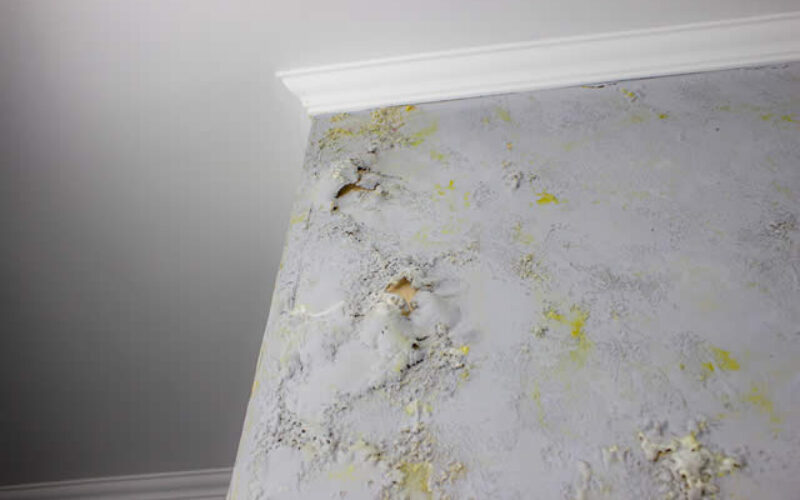
Look for musty smells, discoloration, or new spots on walls and ceilings. These could be signs of mold returning. - Keep humidity low:
Try to maintain indoor humidity below 50 percent, which most household hygrometers can measure. This step also helps prevent future mold growth.
When to Seek Professional Help
If the area affected by water and potential mold is larger than 10 square feet, or if mold keeps returning even after cleaning, it is time to call in experienced professionals. Experts have the right equipment to find moisture in hidden places, remove mold safely, and prevent it from coming back.
The Environmental Protection Agency recommends hiring pros for large or hard-to-reach infestations. Here is some helpful information from the EPA.
Long-Term Prevention Strategies
- Regular home maintenance:
Check your roof, windows, and plumbing for any leaks at least twice a year and fix them quickly. - Boost ventilation:
Use bathroom and kitchen fans every time you shower or cook to reduce moisture. - Fix landscape drainage:
Make sure the ground outside your house slopes away from the foundation so rainwater does not collect near the base of your home.
Staying ahead of water and moisture issues is the best way to prevent mold from ever becoming a problem.
By acting fast when water damage happens and following these steps, you can keep your home safe and healthy for your family.
other related analysis of interest: (new win)
Kitchen Backsplash Styles: How to Pick the Perfect Look
Crafting Your Personal Haven: A Guide to Home Library Design
Find Professional Services Abatement Services Junk Removal Site Preparation Recovery Services top-rated, pre-screened local contractors FREE: download contractor selection enter zip code – powered by HomeAdvisor ™


Image credit: by envato.com
end of post … please share it!
| more photo remodeling |
Jump Over to Our Photo Analysis Center for Ideas on
"Renovating Home"
|__________________________________________________________|
home remodeling surprise
find out where it might go - new win


Helpful article? Leave us a quick comment below.
And please share this article within your social networks.