When you make thoughtful decisions about air quality, materials, lighting, and how spaces flow together, you’re transforming your residence into a sanctuary that genuinely supports wellness for everyone under your roof.
Understanding which elements contribute most to a healthier home helps you make informed choices that’ll benefit your family for years to come.
This comprehensive approach touches everything from the materials used during construction to the daily habits that maintain a nurturing environment.
- post content
- Prioritizing Indoor Air Quality
- Selecting Safe and Non-Toxic Materials
- Optimizing Natural Light and Lighting Design
- Creating Organized and Clutter-Free Spaces
- Maintaining Cleanliness with Non-Toxic Products
- conclusion
- view notes:collective tips
- shop n’ compare:air safety
- view ideas:latest remodeling analysis
- related post (new win):TITLE
Prioritizing Indoor Air Quality
The air your family breathes indoors directly affects respiratory health, sleep quality, and day-to-day comfort. Poor indoor air quality stems from various sources, dust accumulation, pet dander, mold spores, volatile organic compounds from furniture and cleaning products, plus inadequate ventilation.
Opening windows regularly when weather permits allows fresh outdoor air to replace stale indoor air naturally. Installing high-quality air filters in your HVAC system and changing them according to manufacturer recommendations helps remove airborne particles and allergens before they circulate throughout your home.
Adding indoor plants like snake plants, spider plants, or peace lilies brings a natural filtering system that removes toxins while adding life to your living spaces.
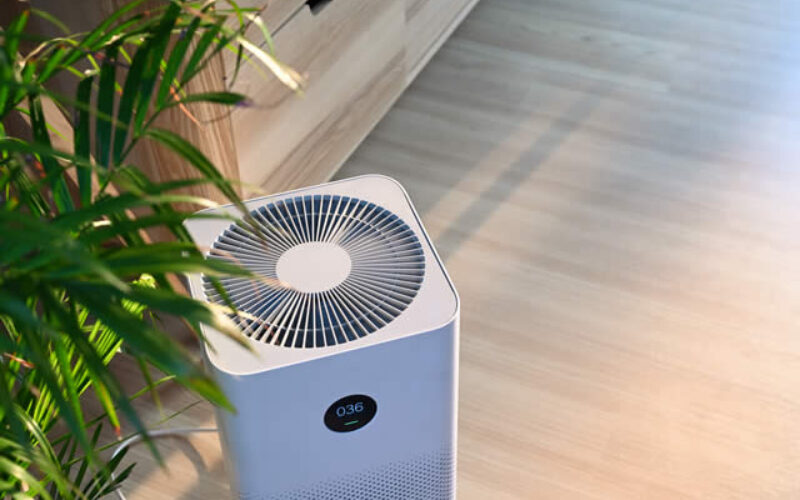
Air purifiers in bedrooms and common areas provide an additional protective layer, especially important for family members dealing with allergies or asthma.
Keeping humidity levels between 30 and 50 percent prevents mold growth while maintaining comfortable conditions for respiratory passages.
why air purifiers can help

Breathe Easy: A Complete Guide to Air Purifiers for Allergy Relief
Over 50 million Americans experience allergies each year, and many don’t realize that indoor air can be two to five times more polluted than outdoor air, according to the Environmental Protection Agency.

Selecting Safe and Non-Toxic Materials
The materials throughout your home either support or compromise your family’s health depending on their composition and chemical content.
Many conventional building materials, paints, and furnishings contain harmful substances like formaldehyde, flame retardants, and phthalates that gradually off-gas into your living environment.
When you’re renovating or building, working with professionals who understand sustainable design principles ensures your project incorporates healthier alternatives from the ground up.
Opting for low-VOC or zero-VOC paints, stains, and sealants minimizes chemical emissions while still delivering excellent coverage and durability.
Optimizing Natural Light and Lighting Design
Proper lighting significantly influences mood, circadian rhythms, sleep patterns, and visual comfort throughout your home. Natural light provides the full spectrum of wavelengths that support vitamin D production, regulate sleep-wake cycles, and enhance psychological well-being in ways artificial lighting simply can’t replicate.
You can maximize natural light by keeping windows clean, using sheer curtains that allow light penetration while maintaining privacy, and strategically placing mirrors to reflect sunlight deeper into rooms.
According to research from the Lighting Research Center at Rensselaer Polytechnic Institute, exposure to bright light during daytime hours and dimmer light in the evening helps maintain healthy circadian rhythms.
Creating Organized and Clutter-Free Spaces
Physical clutter contributes to mental stress, reduces productivity, and can harbor dust and allergens that compromise air quality. Establishing organizational systems helps every family member maintain order while knowing exactly where items belong.
Designating specific storage areas for commonly used items ensures everything has a home, preventing accumulation on countertops and floors.
Implementing a regular decluttering routine, assessing possessions seasonally and removing items that no longer serve a purpose, keeps your home from becoming overwhelmed with unused belongings.
finding creative home storage
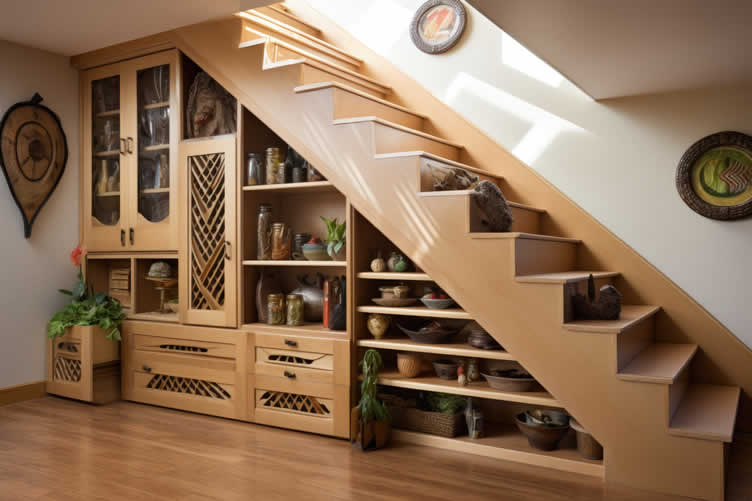
Finding and Building Home Storage Solutions
Adequate storage is the cornerstone of a well-organized home, warding off clutter and promoting an atmosphere where peace and productivity can flourish.
Maintaining Cleanliness with Non-Toxic Products
Regular cleaning removes allergens, bacteria, and dirt, but the products you choose can introduce new health concerns if they contain harsh chemicals. Many conventional cleaning products contain ingredients like ammonia, chlorine bleach, and synthetic fragrances that irritate respiratory systems and skin while polluting indoor air.
Switching to plant-based cleaning products or making your own solutions using simple ingredients like white vinegar, baking soda, castile soap, and essential oils works surprisingly well. These alternatives effectively clean surfaces without exposing your family to unnecessary chemicals, often costing less than commercial products too.
Establishing a cleaning routine that addresses high-touch surfaces daily, doorknobs, light switches, and countertops, while tackling deeper cleaning tasks weekly keeps your home consistently healthy. Using microfiber cloths that trap dust and dirt effectively without requiring chemical cleaners makes cleaning easier, and washing them regularly in hot water maintains their effectiveness.
When planning renovations that enhance both cleanliness and overall home health, professionals who need to integrate wellness principles into spatial design can work with a Denver architect to create layouts that optimize airflow, natural cleaning accessibility, and material selections.
Removing shoes at the door prevents tracking pesticides, heavy metals, and other outdoor contaminants throughout your home.
Paying special attention to bathrooms and kitchens where moisture can promote mold and bacterial growth, ensuring proper ventilation during and after use, keeps these high-use areas healthier.
What is Eco-Living?
Eco-friendly living is a testament to how small, thoughtful choices can make a significant impact.
By incorporating sustainable practices like reducing waste, conserving energy, and supporting green products, individuals can contribute to a healthier planet.
Its adaptability allows anyone, regardless of lifestyle, to take meaningful steps toward reducing their environmental footprint, proving that collective effort leads to lasting benefits.
view ideas: guide to sustainable practices (new win)

Conclusion
Building a healthy home environment requires ongoing attention to air quality, material safety, lighting, organization, and cleaning practices that collectively support your family’s well-being. Implementing these strategies thoughtfully and consistently creates a living space that nurtures physical health, promotes emotional balance, and provides a refuge from external stressors.
While transforming your home into a healthier environment may require time and investment, the benefits of improved respiratory health, better sleep, reduced stress, and enhanced quality of life make these efforts genuinely invaluable.
Start with manageable changes that address your family’s most pressing concerns, gradually incorporating additional improvements as resources and opportunities allow.
Your home should be where every family member can flourish, and these foundational elements help ensure your living environment supports rather than compromises the health and happiness of those you love most.
other related analysis of interest: (new win)
Find Home Cleaning Services Home Cleaning Carpet-Drapes Property Clean-Up Windows top-rated, pre-screened local contractors FREE: download contractor selection enter zip code – powered by HomeAdvisor ™


Image credit: healthy home environment by envato.com
end of post … please share it!
| more photo remodeling |
Jump Over to Our Photo Analysis Center for Ideas on
"Renovating Home"
|__________________________________________________________|
home remodeling surprise
find out where it might go - new win


Helpful article? Leave us a quick comment below.
And please share this article within your social networks.