Quick answer:
A healthy, year-round lawn comes down to five core practices—mowing at the right height, watering deeply but infrequently, fertilizing on a seasonal schedule, overseeding to restore density, and treating for grubs before they cause root damage. Nail each of these, and your lawn stays strong through every season.
Your lawn tells a story throughout the year. In spring, it either surges back with thick, lush growth—or it reveals the damage of a poorly managed season before.
Most homeowners don’t realize that the difference between a struggling lawn and a thriving one isn’t luck. It’s timing, consistency, and knowing exactly what your grass needs at each stage of the year.
This guide covers the five pillars of seasonal lawn maintenance: mowing height, watering technique, fertilization timing, overseeding strategy, and grub control.
Whether you’re starting from scratch or trying to rehabilitate a patchy, worn-out yard, these expert-backed practices will give you a clear, actionable path forward.
- post content
- Why Seasonal Lawn Care Produces Better Results Than Year-Round Routines
- Understanding Mowing Heights for Optimal Lawn Growth
- he Right Way to Water Your Lawn Each Season
- How to Build a Fertilization Schedule That Works for Your Lawn
- What Overseeding Does for a Thinning or Patchy Lawn
- Grub Control: Preventing Underground Damage Before It Surfaces
- Building Your Lawn’s Future, One Season at a Time
- FAQs
- view table:content summary
- view notes:collective tips
- shop n’ compare:lawn and garden care
- view ideas:latest remodeling analysis
Why Seasonal Lawn Care Produces Better Results Than Year-Round Routines
Grass is a living system, and it responds to seasonal shifts in temperature, daylight, and moisture. Treating it the same way in July as you do in October is one of the most common mistakes homeowners make.
According to Turgeon and Vargas in Turfgrass Management (2024), grass growth cycles vary significantly by type—cool-season grasses like Kentucky bluegrass and fescue peak in spring and fall, while warm-season varieties such as Bermuda and Zoysia thrive in summer heat.
Aligning your lawn care routine with these natural rhythms doesn’t just improve appearance. It builds genuine resilience—a root system deep enough to survive drought, turf dense enough to crowd out weeds, and soil healthy enough to support strong seasonal recovery.

Understanding Mowing Heights for Optimal Lawn Growth
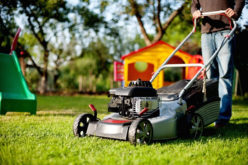
Mowing height is one of the most underestimated variables in lawn care. Cut too short, and you expose the soil to heat and weed pressure. Leave it too tall without structure, and moisture retention becomes unpredictable.
As a general principle, never remove more than one-third of the blade length in a single mowing session. This is known as the "one-third rule," and it prevents the stress response that causes grass to go brown or thin.
Hessayon’s The Lawn Expert (2023) recommends setting mowing heights higher during the heat of summer—typically between 3 and 4 inches for most cool-season grasses—and gradually lowering the cut in fall to prepare turf for overseeding or dormancy.
Taller blades shade the soil naturally. That shade suppresses weed germination, reduces surface moisture evaporation, and encourages roots to grow deeper—which directly improves drought tolerance heading into the warmer months.
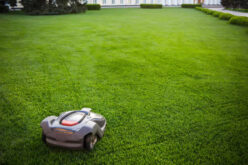
perhaps it’s time for robotic mowers

The Complete Guide to Robotic Mowers for Modern Homeowners
Robotic mowers have transformed from futuristic concepts into practical household companions, quietly working to maintain beautiful lawns while homeowners focus on what matters most.
The Right Way to Water Your Lawn Each Season
Overwatering is more damaging than most homeowners realize. Frequent, shallow watering trains grass roots to stay near the surface, where they’re vulnerable to heat, drought, and disease. Deep, infrequent watering—typically one inch per week, delivered in two sessions—encourages roots to reach further into the soil for moisture and nutrients.
The optimal time to water is early morning, between 5 a.m. and 10 a.m. This timing allows moisture to soak into the root zone before afternoon heat causes evaporation, and it ensures the blades dry completely before nightfall—reducing the risk of fungal disease.
Seasonal adjustments matter here too. Spring lawns typically need less supplemental watering due to natural rainfall and cooler temperatures. Summer demands closer monitoring, particularly during heat waves.
Fall watering should taper off as growth slows and the risk of frost approaches. According to Martin’s The Garden Safe Guide to Lawn Care (2023), adjusting irrigation schedules monthly—rather than setting a fixed program—is one of the most effective ways to conserve water without sacrificing turf health.
How to Build a Fertilization Schedule That Works for Your Lawn
A well-timed fertilization plan does two things: it feeds the grass during periods of active growth, and it avoids fueling rapid top growth at the expense of root development. The mistake most homeowners make is applying fertilizer in summer, when heat stress is already pushing the lawn to its limits.
For cool-season grasses, the most impactful fertilization windows are early fall and early spring. Fall feeding helps the lawn store energy reserves before dormancy, leading to a stronger comeback the following spring.
A secondary spring application supports that recovery without overpowering it. Warm-season grasses respond better to late spring and summer feeding, when they’re in their peak growth phase.
Before purchasing any fertilizer, a basic soil test—available through most cooperative extension services or garden centers—will identify specific nutrient deficiencies in your yard. Applying fertilizer without knowing your soil’s baseline is, at best, guesswork.
Turgeon and Vargas (2024) note that excess nitrogen application, particularly in fall for warm-season lawns, increases susceptibility to winter kill and fungal disease.
What Overseeding Does for a Thinning or Patchy Lawn
Bare patches and thinning turf aren’t just an aesthetic problem—they’re open invitations for weeds to establish. Overseeding fills those gaps with new, vigorous grass that competes aggressively for space, nutrients, and sunlight.
Early fall is the prime overseeding window for cool-season lawns. Soil temperatures remain warm enough for germination while cooler air temperatures reduce the stress on young seedlings. For warm-season grasses, late spring provides a comparable window of opportunity.
Preparation is critical to overseeding success. Mow the existing lawn slightly shorter than usual, dethatch if buildup exceeds half an inch, and aerate compacted soil before spreading seed. Seed-to-soil contact is essential—without it, germination rates drop significantly.
After seeding, keep the surface consistently moist for two to three weeks to support establishment. Hessayon (2023) also recommends selecting seed varieties suited to your region’s climate and your lawn’s specific sun and shade conditions, rather than defaulting to a generic mix.
reduce some of you backyard lawn with play zones

Transform Your Backyard into a Family Play Zone
Creating a backyard play zone is an excellent way to encourage outdoor play and foster quality time for kids and families.
Grub Control: Preventing Underground Damage Before It Surfaces
Grubs are the larvae of beetles—Japanese beetles, June bugs, and European chafers among the most common. They feed on grass roots through late summer and early fall, severing the turf’s connection to the soil. By the time brown patches appear above ground, the damage below is already significant.
Preventative grub control is far more effective than reactive treatment. Preventative insecticides applied in late spring to early summer—when beetle eggs are being laid—protect the root zone during the vulnerable larval stage.
Curative treatments applied in fall can address active infestations, but they’re less reliable once grubs have grown larger and burrowed deeper into the soil.
A simple tug test can confirm a grub problem: if a patch of turf lifts away from the soil like a piece of loose carpet, grub feeding is almost certainly the cause. Martin (2023) recommends confirming populations by cutting a one-square-foot section of sod and counting the grubs present—ten or more per square foot typically warrants treatment.
Biological controls, including nematodes and milky spore, offer lower-impact alternatives for homeowners who prefer to avoid synthetic insecticides. These options work best as long-term preventative strategies rather than immediate fixes.
Building Your Lawn’s Future, One Season at a Time
A beautiful lawn doesn’t happen in a single weekend of effort. It’s built through consistent, season-specific decisions that compound over time—the fall fertilization that powers next spring’s growth, the deep watering habit that produces drought-resilient roots, the timely overseeding that keeps weeds from ever gaining a foothold.
Start with whichever practice is most relevant to your current season. Adjust mowing height, recalibrate your watering schedule, or schedule a soil test to inform your fertilization plan. Small, well-timed actions produce outsized results in lawn care.
Your yard has more potential than it’s showing right now. Give it the right conditions, season by season, and it will return the investment.
Edible Landscaping
Edible landscaping is a creative approach that merges the visual appeal of ornamental gardens with the practicality of growing your own food.
By integrating fruit trees, herbs, and vegetables into your existing garden design, you can craft a space that is both productive and aesthetically pleasing.
This sustainable practice not only enhances your garden’s functionality but also promotes a closer connection to nature while providing fresh, homegrown produce for your kitchen.
view ideas: create a beautiful edible landscape (new win)

Frequently Asked Questions
-
When is the best time to fertilize a lawn?
For cool-season grasses, early fall and early spring are the most effective fertilization windows. Warm-season grasses respond best to late spring and summer feeding. Soil testing beforehand helps tailor the nutrient application to your lawn’s specific needs.
-
How often should I water my lawn each week?
Most lawns need approximately one inch of water per week, ideally delivered in two deep sessions rather than daily light watering. Early morning is the best time to water, as it reduces evaporation and minimizes fungal disease risk.
-
What mowing height is best for a healthy lawn?
Mowing height depends on grass type and season, but a general best practice is to keep cool-season grasses between 3 and 4 inches during summer and never remove more than one-third of the blade length in a single session.
-
How do I know if my lawn has a grub problem?
If sections of turf pull away from the soil easily or brown patches appear in late summer or fall, grubs may be feeding on the roots. Confirm by removing a small section of sod and counting larvae—ten or more grubs per square foot typically indicates a treatable infestation.
-
What is overseeding and when should I do it?
Overseeding is the process of spreading grass seed over an existing lawn to fill bare spots and increase turf density. Early fall is ideal for cool-season grasses; late spring works best for warm-season varieties.
-
Can I apply grub control and fertilizer at the same time?
In many cases, yes—combination lawn products that include both fertilizer and preventative grub control are widely available. However, timing must align with the early grub prevention window in late spring to early summer. Always check product instructions for compatibility and application rates.
other related analysis of interest: (new win)
Crafting Your Personal Haven: A Guide to Home Library Design
| Topic | Description | Key Practices |
|---|---|---|
| Achieving Your Dream Lawn | A year-round healthy lawn relies on core practices like proper mowing, deep but infrequent watering, seasonal fertilization, overseeding to restore density, and grub prevention to protect roots from damage. | Mowing height, watering technique, fertilization timing, overseeding strategy, grub control. |
| Why Seasonal Lawn Care Is Effective | Grass growth responds to seasonal changes, with cool-season and warm-season grasses requiring different routines to optimize growth and resilience. | Align care with grass type and growth cycles for enhanced resilience and appearance. |
| Mowing Heights | Setting proper mowing heights protects soil and balances moisture while encouraging deeper root growth. Following the “one-third rule” prevents stress on grass blades. | Adjust mowing height seasonally; mow higher in summer and lower in fall for overseeding preparation. |
| Irrigation Techniques | Deep, infrequent watering fosters root development. Overwatering creates shallow roots prone to heat, drought, and disease. Schedule watering early in the morning for optimal absorption and minimal evaporation. | One inch per week, split into two sessions, and adapt timing seasonally. |
| Fertilization Schedule | Proper fertilization aligns with active grass growth periods. Cool-season grasses benefit from early fall and spring applications, while warm-season grasses thrive with late spring and summer feeding. | Use soil tests to identify deficiencies; avoid excessive nitrogen application. |
| Overseeding | Overseeding fills bare spots and prevents weed growth. Best done in early fall for cool-season grasses and late spring for warm-season varieties. | Prepare soil by mowing, dethatching, and aerating; keep new seed moist for 2–3 weeks. |
| Grub Control | Grubs damage lawn roots in late summer and fall. Preventative treatment is preferable to reactive measures. Use biological controls for low-impact alternatives. | Apply preventative insecticides in late spring to early summer; confirm infestations with turf tests. |
| Building a Resilient Lawn | Seasonal care yields long-term results. Small, incremental actions, like adjusting mowing height or deep watering, create durable, thriving lawns over time. | Focus on seasonal-specific actions to maximize growth and resilience. |

Find Yard Maintenance Services Lawn Maintenance Sprinkler Systems Pest Control Tree & Shrubs top-rated, pre-screened local contractors FREE: download contractor selection enter zip code – powered by HomeAdvisor ™


Image credit: seasonal lawn care by envato.com
end of post … please share it!
| more photo remodeling |
Jump Over to Our Photo Analysis Center for Ideas on
"Renovating Home"
|__________________________________________________________|
home remodeling surprise
find out where it might go - new win


Helpful article? Leave us a quick comment below.
And please share this article within your social networks.