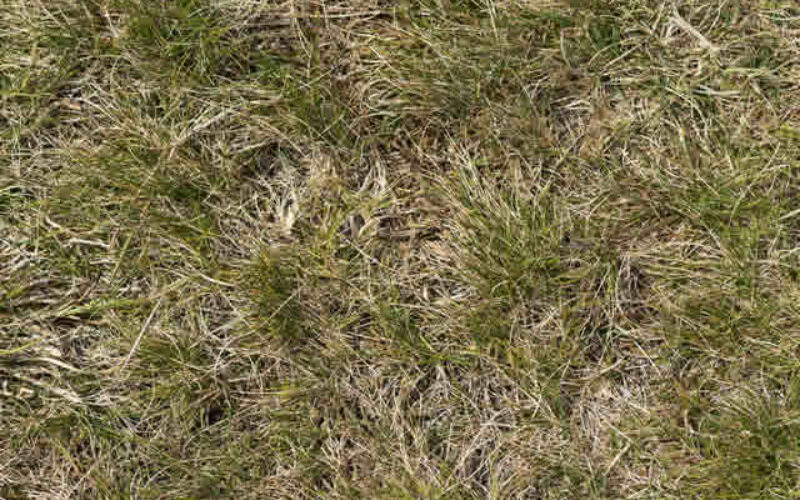
While a dying lawn might seem like a lost cause, understanding the root problems and taking swift action can often save your grass before permanent damage occurs.
The key is identifying the warning signs early and implementing the right solutions.
Common Culprits Behind Lawn Death
Water Stress: Too Much or Too Little
The most frequent cause of grass death is improper watering. Overwatering suffocates grass roots by preventing oxygen from reaching them, leading to root rot and fungal diseases. Conversely, underwatering causes grass to enter survival mode, shutting down growth and eventually dying from dehydration.
Signs of water stress include yellowing blades, spongy or mushy soil texture, and grass that doesn’t spring back when walked on. The timing and frequency of watering matters just as much as the amount.
Soil Compaction Choking Your Lawn
Heavy foot traffic, equipment use, and clay-heavy soil can create compacted conditions that prevent water, air, and nutrients from reaching grass roots. Compacted soil becomes rock-hard, making it nearly impossible for grass to establish healthy root systems.

Nutrient Deficiencies Starving Your Grass
Grass requires specific nutrients to thrive, particularly nitrogen, phosphorus, and potassium.
Depleted soil leads to weak, yellowing grass that’s susceptible to disease and pest damage. Poor soil pH can also prevent grass from absorbing available nutrients effectively.
Disease and Pest Invasions
Fungal diseases like brown patch, dollar spot, and rust can quickly spread across lawns, especially in humid conditions.
Grubs, chinch bugs, and other pests feed on grass roots and blades, creating dead zones that expand rapidly if left untreated.

Diagnosing Your Lawn’s Problems
Before implementing solutions, conduct a thorough assessment of your lawn’s condition. Walk your property and note patterns in the damage. Are brown spots concentrated in high-traffic areas? Do you notice mushrooms or unusual growths? Is the damage worse in shaded or sunny areas?
Perform a simple soil test by digging a small hole and examining the soil structure. Healthy soil should be dark, crumbly, and full of organic matter. Clay-like or sandy soil indicates potential drainage or nutrient retention issues.
Check your current watering schedule and observe how water moves across your lawn. Does it pool in certain areas or run off quickly? These observations will guide your recovery strategy.
Emergency Revival Strategies
Immediate Water Management
If your grass is suffering from drought stress, begin deep, infrequent watering sessions early in the morning. This allows grass to absorb moisture before heat stress occurs and reduces evaporation loss. Avoid shallow, frequent watering that encourages weak root development.
For overwatered lawns, immediately reduce watering frequency and improve drainage. Remove standing water and allow soil to dry between watering sessions.
Soil Aeration and Amendment
Compacted soil requires immediate aeration to restore proper air and water flow. Core aeration removes small plugs of soil, creating channels for root growth and nutrient absorption. Follow aeration with topdressing using compost or quality soil amendments to improve soil structure.
Targeted Fertilization
Apply appropriate fertilizer based on your soil test results and grass type. Slow-release fertilizers provide sustained nutrition without causing rapid growth spurts that stress already weakened grass. Focus on balanced nutrition rather than excessive nitrogen applications.

Things You Should Know Before Mowing Wet Grass
Mowing is an essential component of lawn care. It increases the aesthetic quality of your property and keeps your lawn healthy and green. But careless mowing can lead to more harm than good.
Long-Term Infrastructure Solutions
Professional Sprinkler System Trenching
Installing a properly designed irrigation system often requires professional sprinkler system trenching to ensure optimal coverage and water distribution.
This process involves carefully excavating trenches for underground pipes and sprinkler heads, creating zones that deliver precise amounts of water to different lawn areas.
Professional trenching ensures proper pipe depth to prevent freeze damage and allows for strategic placement of sprinkler heads to eliminate dry spots and overwatered areas.
Modern irrigation systems can be programmed for specific grass types, soil conditions, and seasonal requirements. For more information, contact a professional service provider like Bomat Trenching.
Comprehensive Lawn Renovation
Severely damaged lawns may require complete renovation, including soil preparation, seed or sod installation, and establishing new maintenance routines. This investment pays dividends in creating a resilient lawn that resists future problems.
other related analysis of interest: (new win)
Introduction to Fitness and Exercise Routines for Better Health
Prevention: Your Best Defense
Regular maintenance prevents most lawn problems before they become critical. Establish consistent watering schedules, annual soil testing, proper fertilization timing, and prompt treatment of emerging issues.
Monitor your lawn throughout growing seasons and adjust care based on weather conditions and grass response.
A healthy lawn is your home’s foundation, and with proper attention and timely intervention, you can restore even severely damaged grass to its former glory.
Find Yard Maintenance Services Lawn Maintenance Sprinkler Systems Pest Control Tree & Shrubs top-rated, pre-screened local contractors FREE: download contractor selection enter zip code – powered by HomeAdvisor ™


Image credit: why your grass is dying by envato.com
end of post … please share it!
| more photo remodeling |
Jump Over to Our Photo Analysis Center for Ideas on
"Renovating Home"
|__________________________________________________________|
home remodeling surprise
find out where it might go - new win


Helpful article? Leave us a quick comment below.
And please share this article within your social networks.