The edible landscape movement has grown from a niche gardening idea into a sophisticated practice of blending aesthetics with utility.
It’s not just about growing food; it’s about designing an experience. One where beauty, sustainability, and flavor coexist on the same plot of land.
Start with Your Microclimate, Not Your Wishlist
The first mistake people make is designing based on desire rather than reality. Your local climate, sunlight patterns, and soil composition dictate what will thrive, no matter how much you love blueberries.
A proper edible landscape begins with observation: where does the light hit, where does water pool, where does it drain too fast? Tailoring your plant selection to those details creates a landscape that practically grows itself.
Blend Ornamentals and Edibles Seamlessly
You don’t need to plant rows like a farmer to grow food. In fact, the most striking edible landscapes disguise productivity within lush, ornamental frameworks.

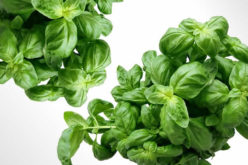
Think purple basil framing marigold borders or chard with neon stems rising beside sculptural succulents. This interplay creates texture and color contrast that rivals any purely decorative garden.
Design in Layers Like a Forest
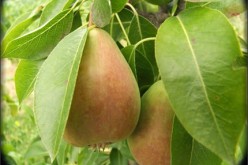
Mimicking the natural layering of a forest adds visual interest and functional depth to your space. Trees provide shade and fruit, shrubs offer berries or herbs, groundcovers protect soil while adding edible foliage.
Vines can grow vertically, maximizing tight spaces and creating privacy screens. When you design in layers, you also support better pollination and pest control, thanks to increased biodiversity.
Add Pathways That Invite Wandering and Harvesting
A functional edible landscape still needs structure, and nothing defines flow like a good path. Meandering gravel trails or stepping stones not only guide the eye but also allow you to engage more easily with your garden.
Keep harvesting in mind when laying these out—can you reach the beans without crushing the thyme? Well-placed paths prevent compaction and encourage everyday interactions with the plants.
Use Color and Shape to Elevate Utility
A thoughtful palette transforms a vegetable bed from utilitarian to elegant. Pair red amaranth with silvery sage, or arc bright nasturtiums around the edges of a raised bed. Playing with leaf texture and plant height adds sophistication to your plantings.
Curved beds, raised planters with stone edges, and clever use of trellises can turn food production into a living sculpture.
Embrace Seasonality for a Dynamic Display
Just like a well-designed floral garden, your edible space should evolve with the seasons. Spring radishes and peas give way to summer squash and tomatoes, then to fall kale and root vegetables.
This rhythm keeps the landscape in flux, offering fresh surprises throughout the year. Let dying seed heads and late-season foliage stay a bit longer for architectural interest and habitat support.
Think Beyond the Obvious Staples
You don’t need to stick to tomatoes and lettuce. Incorporating lesser-known edible perennials like sorrel, Egyptian walking onions, or even daylilies (yes, they’re edible) adds both novelty and resilience.
These plants often require less input and provide beauty in unexpected forms. A creative selection builds a space that’s not only functional but also a conversation starter.

Spring is Almost Here! It’s Time to Grow Your Own Vegetables
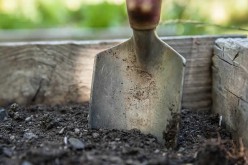
Growing your own vegetable garden is a rewarding and sustainable way to ensure a fresh supply of healthy produce while connecting with nature. This guide is designed to walk you through every step of the process.
Consider Turning Blooms Into Business
What’s growing in your yard could also grow your income if you approach it with a bit of business savvy. Whether you’re selling heirloom tomatoes at the farmer’s market or hosting hands-on gardening workshops, your garden can become a local hub for green-minded commerce.
Forming an LLC with ZenBusiness can provide limited liability protection and tax flexibility while keeping paperwork manageable for solo or family-run ventures. You can even skip the expensive attorney route by filing yourself or using a trusted formation service to get set up quickly.
An edible landscape, done well, is a living tapestry that tells a story of place, purpose, and pleasure. It’s not merely a source of food but a testament to intentional living. When you blur the line between ornamental and edible, you create something layered and lasting. In the end, you’re not just cultivating crops—you’re cultivating a way of life.
Find Landscaping/Maintenance Landscape Design Landscape Maintenance Pest Control Sprinkler Systems Tree & Shrubs Water Features top-rated, pre-screened local contractors FREE: download contractor selection enter zip code – powered by HomeAdvisor ™


Image credit: designing an edible landscape by envato.com
end of post … please share it!
| more photo remodeling |
Jump Over to Our Photo Analysis Center for Ideas on
"Renovating Home"
|__________________________________________________________|
home remodeling surprise
find out where it might go - new win


Helpful article? Leave us a quick comment below.
And please share this article within your social networks.