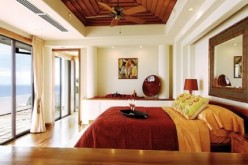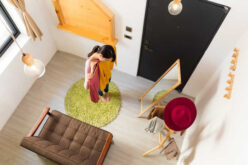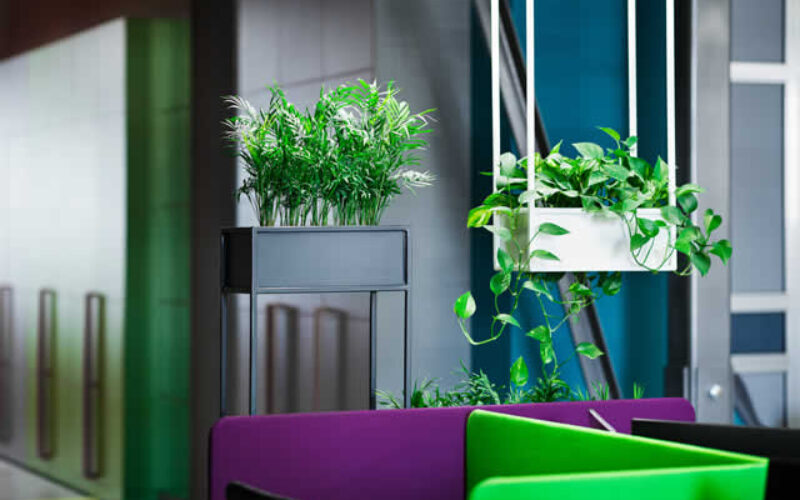
This design philosophy emphasises creating spaces that not only reflect the beauty of the natural world but also utilize sustainable materials that minimize environmental impact.
The following write-up will expand on the principles of biophilic design and explore how sustainable materials contribute to creating living spaces that nurture both inhabitants and the planet.
- post content
- The Rise of Biophilic Design and Sustainable Materials
- Understanding Biophilic Design
- Benefits of Biophilic Design
- Incorporating Biophilic Design in Homes
- Sustainable Materials in Design
- The Environmental Impact of Biophilic Design and Sustainable Materials
- Case Studies
- Future Trends in Sustainable and Biophilic Design
- conclusion
- side idea:Integrate Biophilic Design in Your Home Renovation
- view key:collective notes
The Rise of Biophilic Design and Sustainable Materials
In recent years, there has been a significant shift towards biophilic interior design and the use of sustainable materials in home interiors. This trend is not just a fleeting fad; it reflects a growing awareness of climate change and a universal desire for healthier, more eco-friendly living spaces.
Eco-conscious consumers and sustainability advocates are leading this movement, seeking to transform their homes into sanctuaries that harmonize with nature.
Biophilic design, a concept rooted in incorporating natural elements into our built environments, is gaining traction. It offers a refreshing approach to interior design by blending the indoors with the outdoors, creating spaces that both inspire and soothe.
But what exactly is biophilic design, and why is it becoming so popular? This blog post will explore these questions, offering insights and practical tips on how to integrate this design philosophy into your home.

We’ll also take a closer look at the rise of sustainable materials in interior design. From flooring to furniture, these materials are not only kind to the environment but also offer durability and aesthetic appeal.
Join us as we explore the benefits of biophilic design and sustainable materials, and discover how you can contribute to a greener, healthier planet through your design choices.

Understanding Biophilic Design
Biophilic design is more than just a trendy buzzword; it’s a design philosophy that emphasizes the connection between humans and nature. At its core, biophilic design seeks to bring the outside world inside, enhancing our well-being by incorporating natural elements into our living and workspaces.
This concept is rooted in the idea that humans have an innate affinity for nature, and by integrating natural elements into our environments, we can improve our mental and physical health.
The principles of biophilic design focus on creating spaces that mimic natural settings. This includes the use of natural light, greenery, water features, and organic shapes.
By doing so, biophilic design aims to reduce stress, enhance creativity, and promote overall well-being. It’s about more than just placing a few potted plants in your living room; it’s about creating spaces that feel alive and dynamic.
For eco-conscious consumers, biophilic designing concepts offers a way to align their homes with their values. It’s a holistic approach to interior design that not only enhances the aesthetic appeal of a space but also contributes to a healthier, more sustainable lifestyle.
Benefits of Biophilic Design
Biophilic design offers a multitude of benefits for both individuals and the planet. One of the most significant advantages is its positive impact on mental health.
Studies have shown that exposure to natural elements can reduce stress, improve concentration, and boost mood. By incorporating biophilic design into your home, you can create a calming sanctuary that supports mental well-being.
In addition to its mental health benefits, biophilic design also promotes physical health. Natural light, a key component of biophilic design, helps regulate our circadian rhythms and improves sleep quality.
Furthermore, incorporating plants into your space can improve indoor air quality by filtering out toxins and producing oxygen.
From an environmental perspective, biophilic design encourages sustainable living. By using natural and renewable materials, it reduces the environmental impact of interior design.
Additionally, by promoting energy efficiency through the use of natural light and ventilation, biophilic interiors can help reduce energy consumption and lower carbon footprints.

Best "Air Cleaning" Houseplants
Best "Indoor" Trees
Best "Pet Friendly" Houseplants
Incorporating Biophilic Design in Homes
Integrating biophilic design into your home doesn’t require a complete overhaul; small changes can make a big difference. Start by maximizing natural light.
Open up windows, choose sheer curtains, and position mirrors to reflect light throughout the space. This not only brightens your home but also creates a connection to the outside world.
Greenery is another essential element of biophilic design. Bring the outdoors in by incorporating a variety of plants into your decor.
Consider using vertical gardens or hanging plants to maximize space. Choose plants that thrive indoors and require minimal maintenance, such as succulents, snake plants, or pothos.
Water features can also enhance the biophilic experience. A small indoor fountain or an aquarium can introduce the soothing sounds and sights of water to your space. These elements create a sense of tranquility and can help reduce stress.
Sustainable Materials in Design
Sustainable materials are gaining popularity in the world of interior design, and for good reason. These materials are sourced responsibly, have a lower environmental impact, and often boast impressive durability. From flooring to furniture, sustainable options are available for every aspect of your home.
Bamboo, for example, is a versatile and eco-friendly material that is perfect for flooring. It grows quickly and requires minimal resources, making it a sustainable choice.
Reclaimed wood is another excellent option, as it repurposes existing materials and adds character to your home.
For furniture, consider pieces made from recycled materials or those certified by organizations like the Forest Stewardship Council (FSC). These certifications ensure that the materials are harvested sustainably and ethically.
By choosing sustainable materials, you’re not only reducing your environmental footprint but also investing in long-lasting, high-quality products.
The Environmental Impact of Biophilic Design and Sustainable Materials
The environmental impact of biophilic design and sustainable materials cannot be overstated. By choosing natural and renewable resources, we are reducing the demand for non-renewable materials and minimizing deforestation. This shift towards sustainability helps preserve our planet’s ecosystems and biodiversity.
Additionally, biophilic design encourages energy efficiency. By incorporating natural light and ventilation, we reduce the need for artificial lighting and air conditioning, leading to lower energy consumption and reduced greenhouse gas emissions. This not only benefits the environment but also results in cost savings for homeowners.
Furthermore, the use of sustainable materials often involves recycling and repurposing existing resources. This reduces waste and minimizes the burden on landfills. By making conscious choices in our design processes, we can create spaces that are both beautiful and environmentally responsible.

Case Studies
Real-world examples of biophilic design and sustainable materials demonstrate the potential for positive change. In urban environments, green roofs and vertical gardens are transforming concrete jungles into lush, thriving spaces. These projects not only improve air quality but also provide habitats for wildlife and reduce urban heat.
Incorporating biophilic design into commercial spaces has also yielded impressive results. Offices with natural elements report increased employee productivity and job satisfaction. Retail spaces that utilize biophilic principles create welcoming environments that encourage customers to linger and explore.
Residential projects that prioritize sustainable materials and biophilic design are becoming more common. Homeowners are finding that these choices enhance their quality of life while aligning with their values. By sharing these success stories, we can inspire others to make similar changes in their own spaces.
Future Trends in Sustainable and Biophilic Design
The future of sustainable and biophilic design is bright. With advances in technology and a growing awareness of our environmental impact, we can expect to see even more innovative solutions in the coming years.
Smart home technology combined with biophilic design principles can create spaces that adapt to our needs and reduce energy consumption.
Materials science is also evolving, with researchers developing new sustainable materials that mimic the properties of traditional options. These innovations offer exciting possibilities for eco-friendly home design and construction.
As the demand for sustainable and biophilic design increases, we can anticipate a shift in industry standards. More designers and architects will prioritize these principles, leading to a broader adoption of eco-friendly practices and a reduction in the environmental impact of our built environments.
other related analysis of interest: (new win)
Sustainable Flooring Options for an Eco-Friendly Home Renovation
Conclusion
The role of individuals in shaping greener spaces cannot be underestimated. By choosing biophilic design and sustainable materials, we can create homes that are not only beautiful but also kind to the planet. These choices reflect a commitment to a healthier, more sustainable future for ourselves and future generations.
The benefits of biophilic design extend beyond aesthetics. By incorporating natural elements, we enhance our well-being and promote a sense of harmony with the environment. Sustainable materials reduce our carbon footprint and ensure that our design choices align with our values.
By exploring these concepts and making conscious decisions, eco-conscious consumers and sustainability advocates can lead the way in creating a more sustainable world. Together, we can transform our living spaces into havens of green living and inspire others to do the same.
Find Interior Design Services Decorators Interior Designers Furniture Painting & Staining top-rated, pre-screened local contractors FREE: download contractor selection enter zip code – powered by HomeAdvisor ™


Image credit: by envato.com
end of post … please share it!
| more photo remodeling |
Jump Over to Our Photo Analysis Center for Ideas on
"Renovating Home"
|__________________________________________________________|
home remodeling surprise
find out where it might go - new win


Helpful article? Leave us a quick comment below.
And please share this article within your social networks.