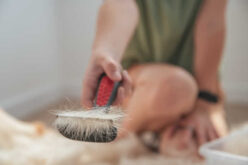
New construction homes start with spotless finishes, gleaming floors, and unmarked walls, yet without a strategic approach, dirt and dust accumulate faster than most homeowners expect.
The challenge is not complicated, but it does demand consistency and a clear understanding of where dirt originates in a new home.
Taking protective measures before damage occurs proves far more effective than intensive cleaning sessions after the fact.
- post content
- 1. Establish an Entry Protocol
- 2. Protect High-Traffic Areas
- 3. Control Dust During Construction or Renovation Overlap
- 4. Implement Daily Tidying Routines
- 5. Schedule Strategic Deep Cleaning
- conclusion
- view notes:collective tips
- view analysis:How to Choose the Best Area Rugs for Every Room
- view ideas:latest remodeling analysis
1. Establish an Entry Protocol
The front entryway serves as the primary gateway for dirt, dust, and debris entering your home. Creating a structured entry system prevents outdoor contaminants from spreading throughout your new space.
Install a sturdy doormat or boot scraper outside your main entrance, and place a secondary mat just inside the door to catch any remaining particles from shoes. Consider implementing a shoe removal policy for household members and guests, either by establishing a designated shoe rack near the entrance or by asking visitors to remove footwear upon arrival.
This single practice dramatically reduces the amount of dirt tracked onto clean flooring throughout your home. For families with young children or pets, this step becomes especially critical, as these groups naturally track in more soil and debris than adults.

2. Protect High-Traffic Areas
Certain zones in your new home will experience significantly more foot traffic than others, typically including hallways, kitchens, and family rooms. These areas face accelerated wear and dirt accumulation compared to less-frequented spaces.
Protect vulnerable flooring in these zones by placing area rugs or runner mats over new carpet or hardwood, which absorbs impact and shields surfaces from debris. If you have new hardwood floors, polished concrete, or other premium finishes along these pathways, consider temporary protective coverings until you have settled into your home for several months.
Area rugs also define spaces functionally and can guide foot traffic along specific routes, keeping people away from newly painted walls or fresh landscaping viewed through windows. Rotating or cleaning these protective items weekly prevents them from becoming a source of dirt themselves.
something of interest below

How to Choose the Best Area Rugs for Every Room with Hard Surface Floors
Choosing the perfect area rug for a specific room can completely transform the space, adding both style and functionality.
3. Control Dust During Construction or Renovation Overlap
If any final touches, renovations, or repairs extend beyond move-in day, dust becomes an inevitable byproduct that settles on every surface. Coordinate with contractors to complete all dusty work before your belongings arrive, if at all possible.
When overlap cannot be avoided, seal off construction zones with temporary plastic barriers or closed doors to contain dust to specific areas. Run air purifiers with HEPA filters in occupied rooms to capture airborne particles before they settle on furniture and fixtures.
Establish a containment routine where workers change clothes and wash up before entering the main living areas of your home. This preventative approach keeps already-clean spaces protected from the mess of ongoing work and reduces the need for extensive deep cleaning later.
4. Implement Daily Tidying Routines
A new home invites the temptation to relax standards, but establishing basic daily tidying habits early creates momentum that prevents chaos from developing. Spend 15 to 20 minutes each evening returning items to their designated spots, wiping down kitchen surfaces, and checking floors for debris or dirt.
This brief routine prevents clutter from accumulating and makes it easier to spot dirt or spills immediately rather than allowing them to become ground-in stains. The sooner you address fresh spills or scattered debris, the less likely they are to cause permanent damage to new flooring, countertops, or carpets.
Assigning simple responsibilities to household members, such as one person wiping tables and another sweeping, distributes the effort and builds accountability. Daily attention to cleanliness becomes automatic within weeks and requires far less effort than occasional intensive cleaning sessions.
5. Schedule Strategic Deep Cleaning
While daily maintenance prevents buildup, scheduling deeper cleaning tasks on a monthly basis addresses areas that routine tidying misses. Deep cleaning allows you to attend to baseboards, ceiling corners, light fixtures, and the interior spaces behind furniture where dust collects invisibly.
Plan these sessions during a time when household traffic is minimal, and involve multiple household members to complete the work efficiently. During the first few months in a new home, monthly deep cleaning reveals which areas attract dirt most quickly, helping you identify where additional protective measures or behavioral changes might help.
Homeowners who want thorough results during these critical early months may find that deluxe cleaning services in san diego provide professional-grade attention to baseboards, ceiling corners, and hard-to-reach surfaces that routine cleaning often misses.
Prioritize high-dust areas such as bedrooms and living spaces before tackling kitchens and bathrooms, since sleeping and relaxation areas benefit most from focused attention during the period when your home is newest.
Keeping a simple log of which surfaces attracted the most dust each month helps refine your approach and make future sessions more efficient. Over time, this process transforms deep cleaning from a reactive chore into a predictable and manageable part of home ownership.
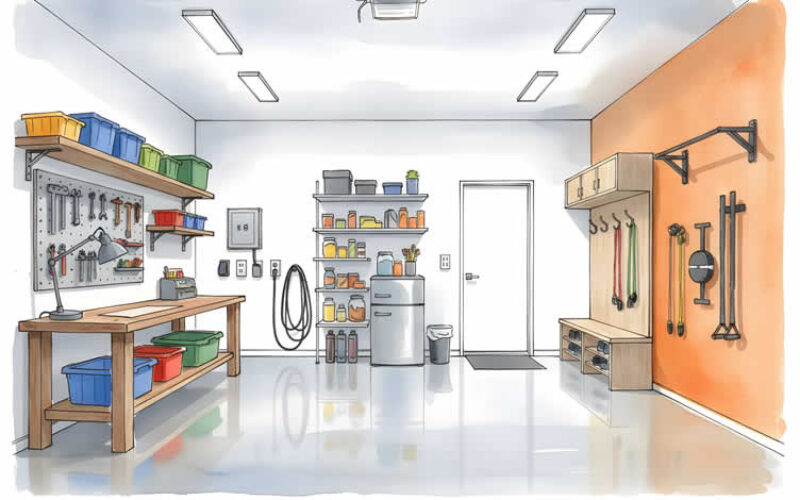
Maximize Your Garage Space
Transforming your newly-built garage into a multifunctional space doesn’t mean giving up vehicle parking.
With the right approach, you can create dedicated stations for tinkering and repair, charging, refrigeration, a mudroom, and even fitness.
The key lies in using perimeter-based zoning, vertical storage solutions, and wall-mounted systems to ensure the floor stays clear and the layout remains open.
Every square foot gains purpose, making your garage a highly efficient and practical space.
view ideas: 5 Hardworking Garage Stations (new win)
Conclusion
Preserving the cleanliness of a newly built home depends on combining preventative strategies with consistent daily habits. By controlling entry points, protecting high-traffic zones, managing construction dust, and maintaining simple daily routines, you establish an environment where cleanliness is sustained rather than constantly restored.
The effort required during those first months creates patterns that become automatic and require minimal ongoing attention. Your new home represents a significant investment, and treating it with intentional care during its earliest days pays dividends through preserved finishes, pristine walls, and protected flooring.
Starting strong with these practices means your home remains closer to its original condition while you enjoy the comfort of living in it.
home improvement ideas to consider (complete directory – new win):


Find Home Cleaning Services Home Cleaning Carpet-Drapes Property Clean-Up Windows top-rated, pre-screened local contractors FREE: download contractor selection enter zip code – powered by HomeAdvisor ™


Image credit: how to keep it clean by envato.com
end of post … please share it!
| more photo remodeling |
Jump Over to Our Photo Analysis Center for Ideas on
"Renovating Home"
|__________________________________________________________|
home remodeling surprise
find out where it might go - new win


Helpful article? Leave us a quick comment below.
And please share this article within your social networks.