Still, building an outdoor bar takes more thought than placing a counter and a few stools against an exterior wall. Below, we break down what to know about adding an outdoor bar to your home.
Choose the Right Location
Location shapes nearly every other decision in the project. Before selecting finishes or furniture, consider how people already move through the outdoor space.
A bar near the kitchen may make food preparation and cleanup easier. Homeowners who already have an outdoor kitchen may decide to place the bar nearby so both spaces can share plumbing, electrical connections, or refrigeration.
A poolside bar creates a different experience. It may need slip-resistant flooring, water-resistant seating, and enough clearance to prevent traffic from becoming crowded around the pool deck.
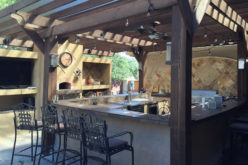
Sun exposure matters as well. Shade from a pergola, patio roof, umbrella, or nearby structure can make the area more usable during warmer months.
Plan the Layout Around How You Entertain
The size and shape of the bar should match the way the household expects to use it.
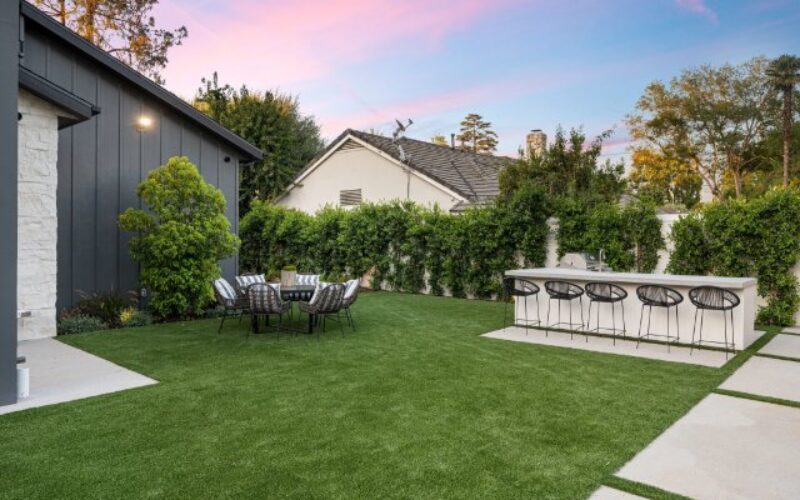
A compact bar for two or three people may only require a straight counter along the edge of a patio. Larger entertaining areas may benefit from an L-shaped or U-shaped design that creates more serving space while separating the host from seated guests.
Leave enough clearance behind the counter for someone to prepare drinks, open cabinets, and move comfortably. The seating side also needs space for people to pull stools out without blocking a walkway.
Consider what will happen on both sides of the bar. The host may need access to ice, utensils, bottles, or a refrigerator, while guests need enough room to sit and move around without interrupting food preparation.
Select Materials Made for Outdoor Conditions
Another thing to know about adding an outdoor bar to your home is what materials to use that can withstand outdoor conditions and fit with your home’s overall style.
For countertops, homeowners can consider materials such as granite, concrete, porcelain, or certain outdoor-rated engineered surfaces. Each option differs in appearance, maintenance requirements, and resistance to weather.
Cabinetry also requires careful selection. Marine-grade polymers, stainless steel, masonry, and special outdoor cabinets can withstand exposure better than standard indoor cabinetry.
Wood can bring warmth to an outdoor bar, but homeowners should choose species and finishes that suit the climate. Regular sealing may be necessary to protect the surface from moisture and ultraviolet exposure.
Pick Comfortable, Weather-Ready Seating
Choosing the right outdoor bar furniture has a major influence on how inviting the space feels. A beautiful counter will see limited use if the stools feel uncomfortable or deteriorate after a season outside.
Seat height should match the counter. Bar-height and counter-height stools serve different dimensions, so homeowners should confirm measurements before purchasing furniture.
Material selection also matters. Outdoor seating may use powder-coated metal, aluminum, teak, synthetic wicker, or weather-resistant polymers. Cushioned seating can add comfort, but fabrics and inserts should be designed for exterior conditions.
Allow enough room between stools so guests can sit comfortably without bumping elbows. Swivel stools may need additional clearance, while stools with backs usually require more room behind the seating area.
Decide Which Features You Actually Need
It can be tempting to equip a backyard bar with every available appliance. In practice, the most useful features depend on how the household entertains.
Refrigeration
An outdoor-rated refrigerator can keep drinks and ingredients nearby. It also reduces trips into the kitchen during gatherings. Homeowners should confirm that the model carries an appropriate rating for outdoor installation rather than placing a standard indoor refrigerator outside.
Sink and Plumbing
A sink can make cleanup easier and provide convenient access to water. However, plumbing may add considerable complexity, especially when the bar sits far from the house.
In colder climates, exposed plumbing may require winterization. Local codes can also affect installation requirements.
Storage
Closed storage keeps serving items, utensils, and supplies protected between gatherings. Drawers can hold smaller accessories, while larger cabinets can store pitchers, trays, or grilling tools.
Avoid treating outdoor cabinets as permanent storage for anything that moisture, insects, or temperature swings could damage.
Add Shade and Weather Protection
Weather protection can extend the amount of time homeowners can comfortably use the bar.
Permanent structures such as patio covers and pergolas provide reliable shade. Retractable awnings offer flexibility, while large umbrellas may suit smaller patios where permanent construction is impractical.
The right choice depends partly on climate. Homes in rainy regions may benefit from substantial overhead coverage. Areas with strong sun may need both shade and materials that resist fading.
Wind also deserves attention. Lightweight stools, umbrellas, decorative items, and serving accessories may become difficult to manage in exposed locations. A privacy wall, hedge, screen, or structural windbreak can make the bar more comfortable while giving the area greater definition.
Plan Lighting for Both Tasks and Atmosphere
An outdoor bar should remain easy to use after sunset. Lighting must support food and drink preparation while making the surrounding area comfortable for guests.
Task lighting around the counter helps the person serving drinks see bottles, glassware, ingredients, and surfaces clearly. Pendant lights may work beneath a covered structure, while wall-mounted fixtures can illuminate bars against the house.
Ambient lighting can soften the wider space. String lights, landscape lighting, and low-voltage fixtures can add enough illumination for conversation without making the patio feel overly bright.
Think About Maintenance Before Building
Every outdoor feature requires some upkeep, and a bar combines several materials in one place.
Countertops may need sealing. Metal components may require cleaning to remove salt, dirt, or environmental residue. Upholstered cushions may need covered storage during periods of heavy rain or prolonged winter weather.
Appliances require their own maintenance, particularly if the bar operates seasonally. Homeowners in freezing climates may need to disconnect water lines or protect plumbing components before winter.
Check Permits and Utility Requirements
A simple freestanding bar may require little construction work, while a larger built-in project can involve plumbing, electrical connections, structural changes, or gas lines.
Permit requirements vary by location. Before construction, homeowners should check local building regulations and determine whether licensed professionals must complete certain parts of the installation.
Deck-mounted bars also need structural consideration. Stone countertops, masonry, appliances, and cabinetry can add substantial weight. A contractor or structural professional can determine whether an existing deck can support the planned installation.
Make the Bar Feel Like Part of the Home
The most successful outdoor bar designs connect visually with the surrounding house and landscape.
That does not require matching every material exactly. Instead, homeowners can repeat a few elements already present on the property, such as wood tones, stone colors, metal finishes, or architectural details.
With careful planning, an outdoor bar can become more than a place to serve drinks. It can improve the flow of backyard gatherings, reduce trips indoors, and create a comfortable setting that supports everyday outdoor living.
Image Credentials: by Wirestock, #1028578069
end of post … please share it!
| more photo remodeling |
Jump Over to Our Photo Analysis Center for Ideas on
"Renovating Home"

|__________________________________________________________|
home remodeling surprise
find out where it might go - new win


Helpful article? Leave us a quick comment below.
And please share this article within your social networks.