Summary Outline –
By understanding the unique benefits of each shelter type, you can make an informed decision that meets your budget, complements your backyard decor, and gives your beloved pet the comfortable outdoor retreat they deserve.
Quick answer:
The best outdoor dog house depends on your local climate, your dog’s size, and your aesthetic preferences. Choose insulated wooden or igloo dog houses for cold weather, and well-ventilated plastic or flat-roof options for warmer climates. Always ensure the shelter allows your dog to stand, turn around, and lie down comfortably.
-
Why an Outdoor Dog House Matters
Creating a safe, comfortable environment for your furry family member is a top priority for any pet parent. When your dog spends time in the backyard, a high-quality outdoor shelter provides essential protection from harsh elements, a quiet place to rest, and a sense of security.
Integrating a beautiful outdoor dog house into your landscape also enhances your home’s exterior, blending functionality with your personal design style.
Before you start shopping, it helps to think through a few key factors. Consider the weather your dog will face throughout the year, how big your dog is (and how big they’ll grow, if they’re still a puppy), and how much time they’ll actually spend outside.
You’ll also want to think about maintenance, since some materials need far more upkeep than others. Keeping these factors in mind from the start will save you time, money, and frustration down the line.
This comprehensive guide will walk you through the various material options, architectural styles, and specialized features available today.
- post content
- Question 1: What Are the Main Material Types of Dog Houses?
- Question 2: Which Dog House Roof Style Is Right for You?
- Question 3: What Special Features Should You Look For?
- Question 4: How Do You Choose the Best Dog House for Your Dog?
- Question 5: What Else Does Your Dog Need for Outdoor Living?
- Question 6: Frequently Asked Questions About Outdoor Dog Houses

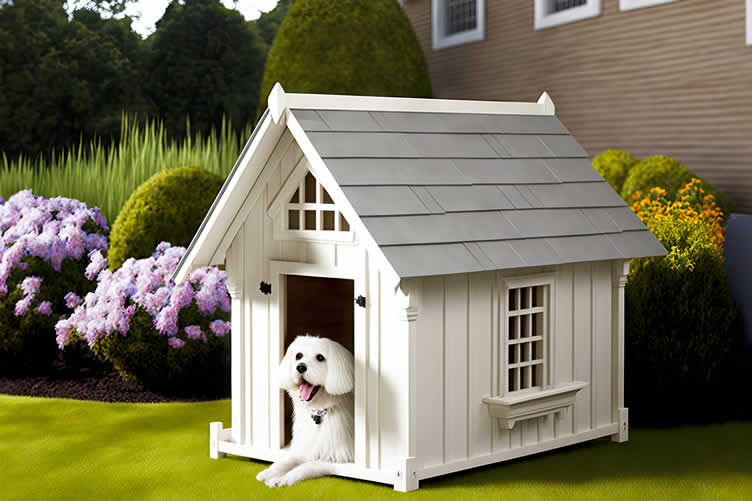
first “outdoor dog house” idea
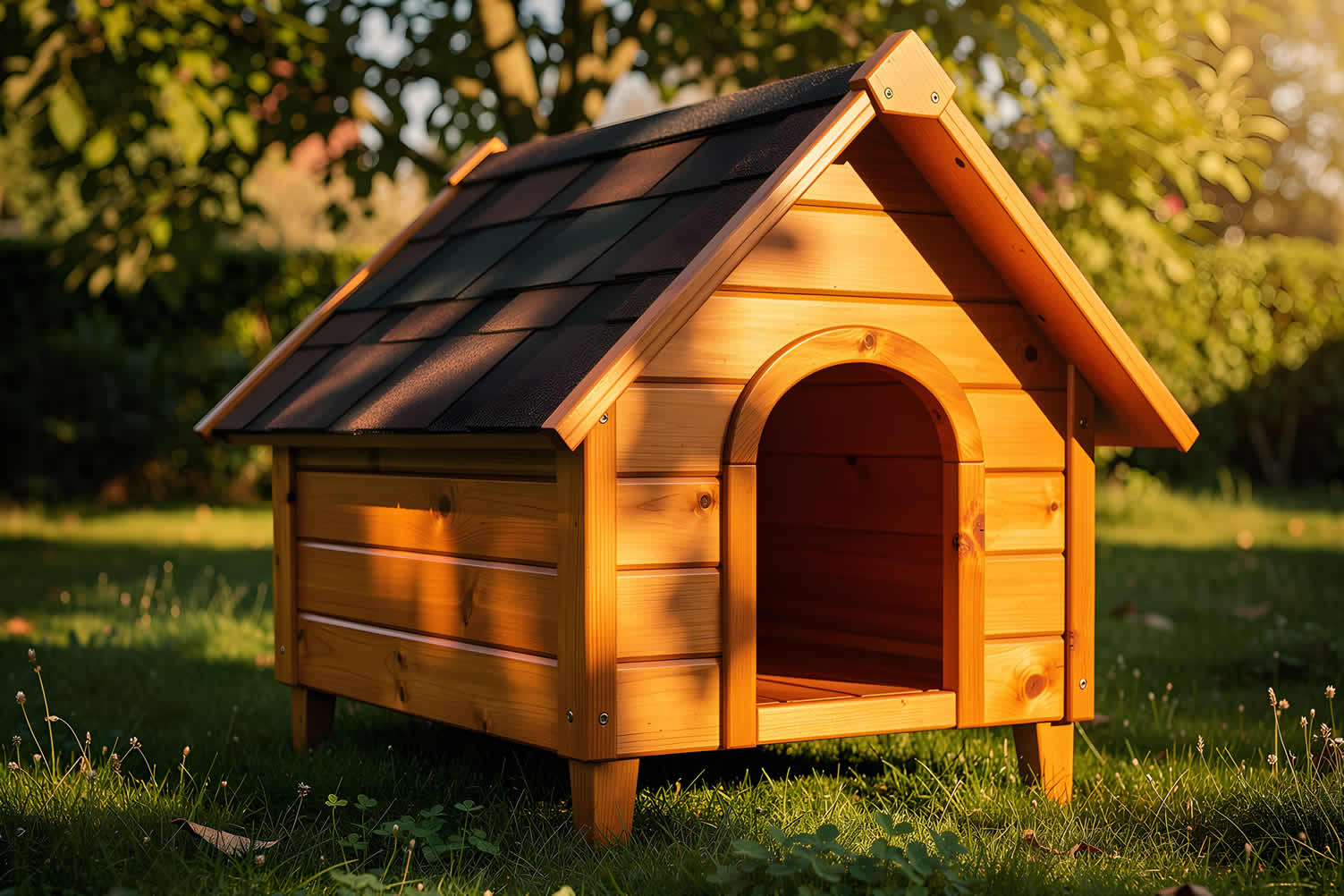

AI generated image by 123rf.com
Question 1: What Are the Main Material Types of Dog Houses?
Notes:
-
The material you choose for your dog’s house is one of the most important decisions you’ll make, as it affects nearly every aspect of its performance—from durability and insulation to its overall weight and how easy it will be to clean.
Understanding the differences between the most common materials can help you find the perfect shelter for your furry friend. Let’s explore how these options compare.

-
Wooden Dog Houses[ view]
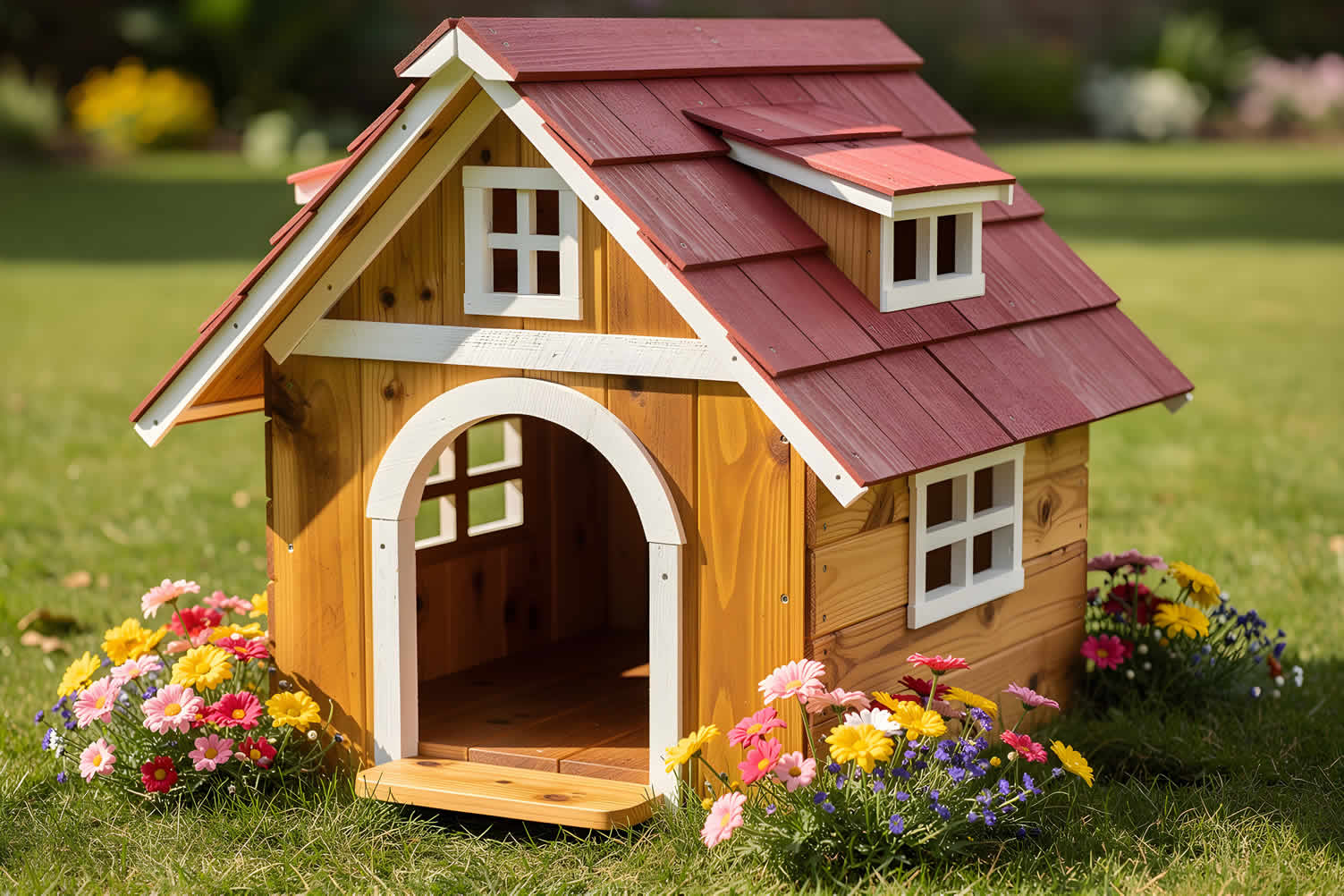
Wooden cabin-style dog houses are a timeless favorite, and for good reason. They’re sturdy, attractive, and blend naturally into most outdoor spaces. Many wooden models are raised off the ground, which improves airflow underneath and keeps the interior dry during wet weather.
Wood also offers natural insulation, making it a solid choice for year-round use in cooler regions. The trade-off is maintenance.
Wood needs periodic sealing or staining to protect it from moisture, rot, and pests. If you don’t mind a little upkeep in exchange for charm and warmth, wood is hard to beat.
-
Plastic Dog Houses[ view]
Plastic dog houses are lightweight, affordable, and refreshingly low-maintenance. They wipe clean in minutes, resist moisture, and hold up well in wet or humid climates.
Because they’re so easy to move, they’re a practical pick if you like to rearrange your yard or bring the shelter inside a garage during storms.
The downside is that plastic offers less insulation than wood, so it may not be ideal for harsh winters unless paired with bedding or insulation inserts. For pet parents who prioritize easy cleaning and simplicity, though, plastic is an excellent everyday option.
-
Metal Dog Houses[ view]
Metal kennels and kennel-style houses are built for toughness and security. When durability and containment matter more than cozy insulation—say, for an active or strong dog who needs a secure space—metal delivers. These structures stand up to chewing, weather, and wear better than most alternatives.
Keep in mind that bare metal can heat up in direct sun and feel cold in winter, so metal works best when shaded and paired with comfortable bedding. Many owners combine a metal kennel with a separate insulated sleeping box for the best of both worlds.
-
Other Materials[ view]
Canvas and soft-sided shelters round out the material options. These are portable, lightweight, and easy to pack, which makes them perfect for camping trips, travel, or temporary outdoor use.
They’re not built for permanent backyard living, however. For long-term outdoor use, it’s best to avoid lightweight soft-sided models unless your setup is genuinely temporary.

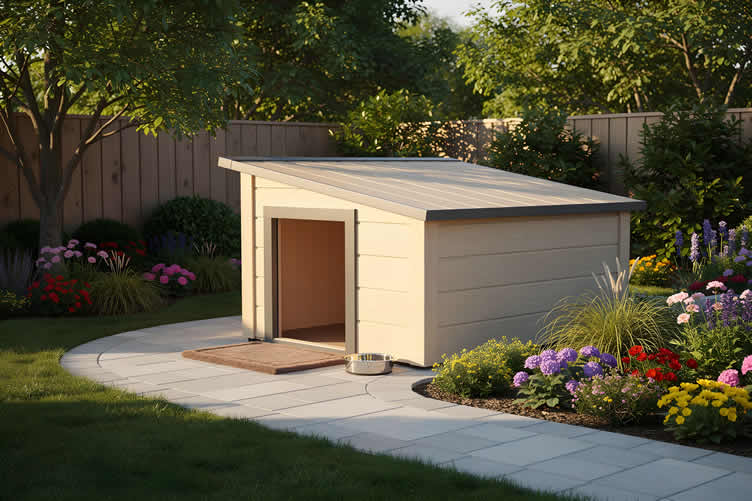
AI generated image by 123rf.com
Material Type Description Benefits Considerations Wooden Dog Houses Wooden cabin-style dog houses are sturdy, attractive, and blend naturally into outdoor spaces.
Many have raised floors to enhance airflow and remain dry during wet weather.
Provide natural insulation for year-round use in cooler climates and offer a charming aesthetic. Require regular maintenance such as sealing or staining to prevent moisture damage, rot, and pests. Plastic Dog Houses Lightweight and low-maintenance, plastic dog houses resist moisture and are suitable for wet or humid climates.
They are easy to clean and move.
Affordable and practical for situations where portability and ease of cleaning are priorities. Offer less insulation compared to wood, making them less ideal for harsh winters unless supplemented with bedding or insulation inserts. Metal Dog Houses Built for durability and security, metal dog houses withstand wear, chewing, and harsh environmental conditions better than most other materials. Provide excellent containment and toughness, perfect for active or strong dogs requiring secure spaces. Can become too hot in direct sunlight or cold in winter, so they are better used with shade and comfortable bedding. May require combination with insulated sleeping boxes for all-weather use. Other Materials Canvas or soft-sided shelters are portable and convenient for temporary outdoor use, travel, or camping. Lightweight and easy to pack, ideal for short-term needs or trips. Not suited for permanent backyard use and lack durability for long-term exposure to the elements. 
Perfect Outdoor Space
We know your dogs are family, and they deserve a safe, comfortable, and engaging outdoor space.
Secure fencing keeps them protected, while dog-friendly landscaping adds functional beauty.
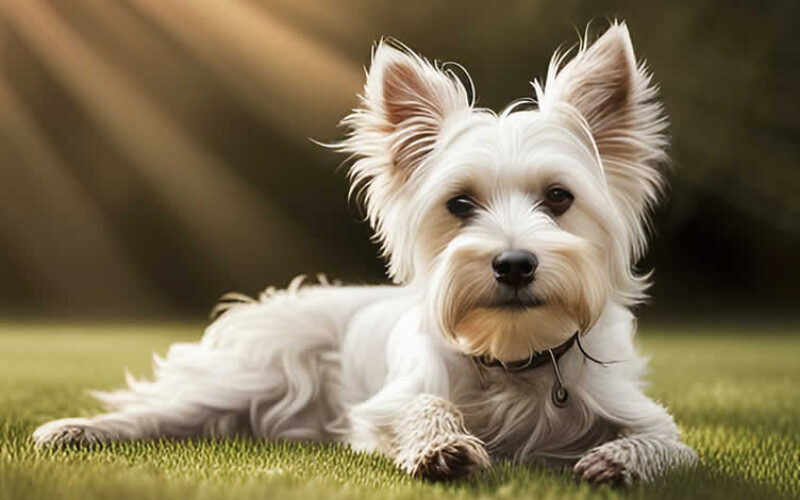
Interactive play areas provide mental stimulation, and cozy shelters offer comfort in any weather.
Combining these elements can turn your yard into the perfect haven for your furry friend.
view ideas: Remodel Exterior for Your Dogs(new win)

-
Scroll up to main directory … or scroll to next question about dog house roof style …


second “photo remodeling” idea
AI generated image by 123rf.com
Question 2: Which Dog House Roof Style Is Right for You?
Notes:
-
Beyond just the material it’s made from, the shape of your dog’s house roof plays a surprisingly big role in how well it performs as a shelter.
Different roof styles are designed to handle elements like rain, snow, and wind in unique ways, and they can even affect how much usable space your dog has inside.
Understanding these differences will help you choose a roof that not only looks good but also functions perfectly for your climate and your dog’s needs.
-
A-Frame Dog Houses[ view]
The A-frame is the classic, instantly recognizable dog house shape. Its peaked roof sheds rain and snow easily, preventing water from pooling on top.
This makes A-frames a reliable choice for rainy or snowy climates. They’re simple, effective, and the design most people picture when they think "dog house."
-
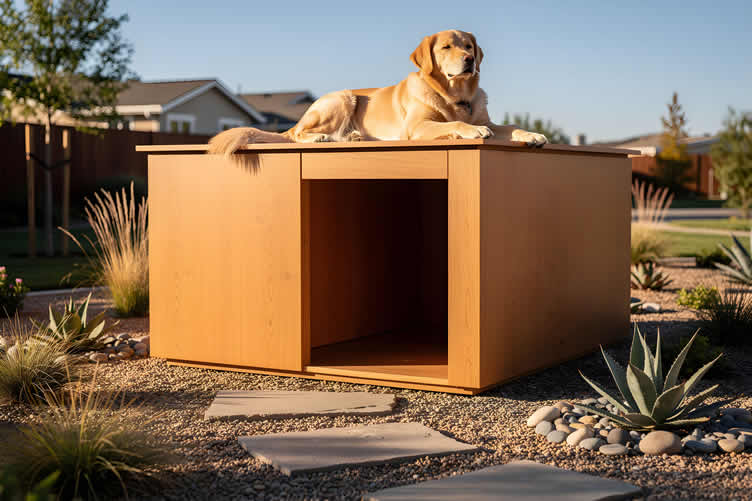
Flat-Roof Dog Houses[ view]
Flat-roof dog houses are box-style shelters that are easy to build and tend to cost less. They work well in dry climates where heavy rain or snow isn’t a concern.
A bonus: some dogs enjoy lounging on top of a flat roof. Just remember that without a slope, the roof won’t shed water as efficiently, so this style suits arid regions best.
-
Igloo Dog Houses[ view]
Igloo-style dog houses feature a rounded shape that does a wonderful job blocking wind and holding in warmth. The curved walls reduce drafts and help trap your dog’s body heat, making them ideal for cold or windy conditions.
If winter chill is your main worry, an igloo design deserves a close look.
-
Gambrel-Roof Dog Houses[ view]
Gambrel-roof dog houses have a barn-like silhouette with sloped sides that create extra interior headroom. This style offers more usable space inside and a charming, traditional appearance.
It’s a great pick for larger dogs who need room to stretch, or for owners who love a classic farmhouse look.
-
Other Unique Styles[ view]
Beyond these mainstays, you’ll find plenty of creative designs—from cottage-style houses with decorative trim to modern minimalist shelters.
These unique styles let you match your dog house to your home’s aesthetic while still meeting your dog’s practical needs. Just make sure form never comes at the expense of function.
AI generated image by 123rf.com
Roof Style Description Best For A-Frame Dog Houses The A-frame is the classic dog house shape with a peaked roof that sheds rain and snow easily, preventing water pooling.
It is simple yet effective.
Rainy or snowy climates. Flat-Roof Dog Houses Flat-roof dog houses have a box-style design that is easy to build and cost-effective.
While they do not shed water efficiently, they work well in dry climates.
Arid regions or dry climates; dogs that enjoy lounging on top. Igloo Dog Houses Igloo-style dog houses have a rounded shape that blocks wind and retains warmth.
The curved walls help reduce drafts and trap body heat effectively.
Cold or windy conditions. Gambrel-Roof Dog Houses These dog houses feature a barn-like silhouette with sloped sides, providing additional headroom and a traditional look. They offer extra interior space. Larger dogs or those needing extra room; owners who prefer a farmhouse aesthetic. Other Unique Styles These include creative designs like cottage-style houses with decorative trim or modern minimalist shelters.
They balance aesthetics with functionality.
Matching aesthetics to homes while meeting practical needs. Building a DIY Dog House
Thinking of crafting a DIY dog house tailored to your furry friend’s needs?
Designing a custom dog house allows you to combine creativity with functionality, ensuring comfort, safety, and style.
Start by assessing your dog’s size and habits to determine dimensions, select durable materials suitable for your local climate, and incorporate features like proper ventilation and insulation for year-round coziness.
With some planning and the right tools, you can create a personalized haven that your pet will adore.
view ideas: Everything To Consider(new win)
-
Scroll up to main directory … or scroll to next question about dog house special features …

Tackling home upgrades and fulfilling all your home improvement needs …
… save this curated directory of ideas for future reference.

May We Suggest Other Photo Remodeling Ideas About
“Other Outdoor Needs …” (new win)



third “photo remodeling” idea
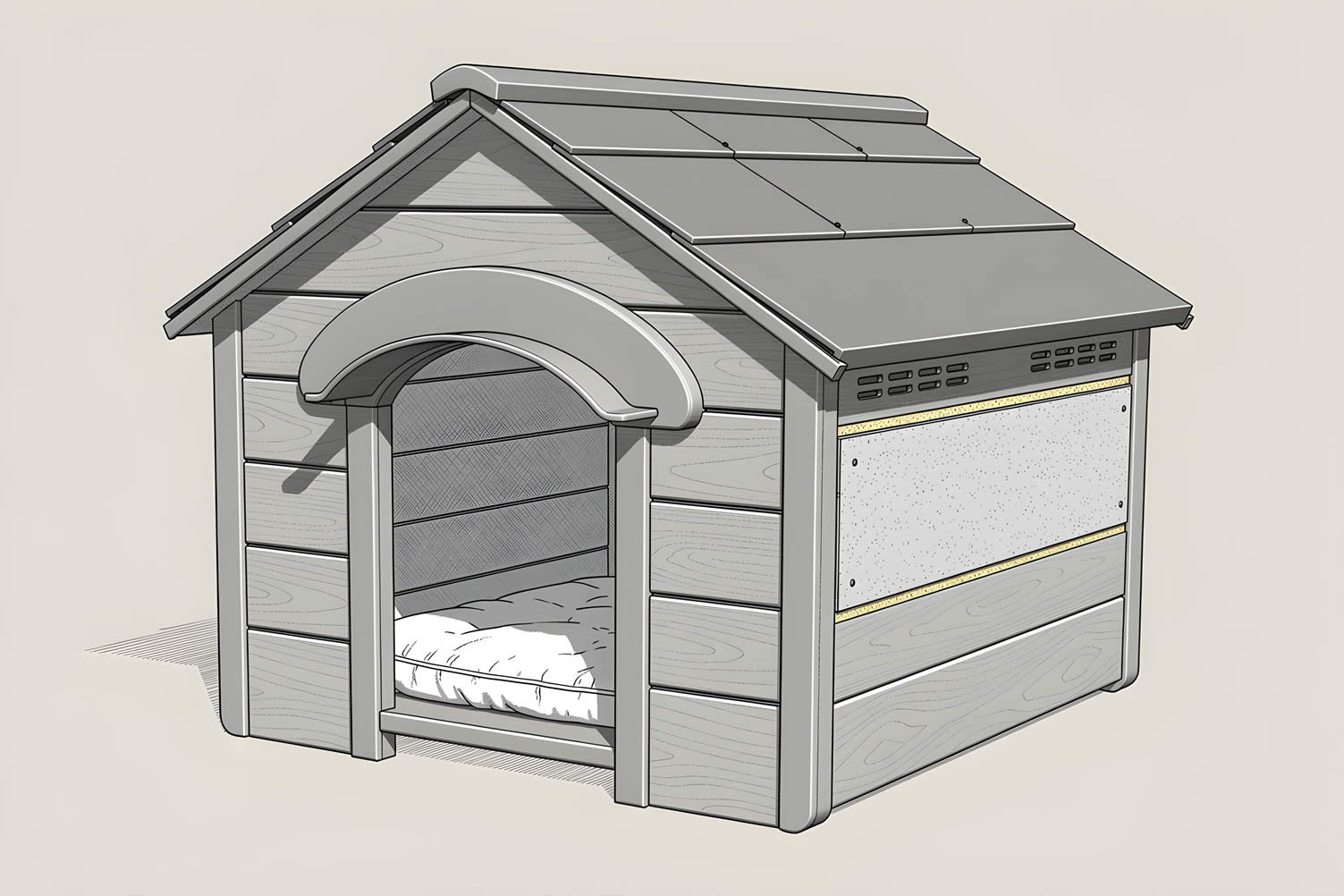
AI generated image by 123rf.com
Question 3: What Special Features Should You Look For?
Notes:
-
Many modern dog houses are designed with thoughtful features that go beyond basic shelter, boosting both comfort for your pet and convenience for you. When choosing the right one, it’s helpful to consider your local climate and your dog’s specific needs.
Some of these extras, which might seem like simple luxuries, can actually make a real difference in your dog’s daily well-being.
-
Double Dog Houses[ view]
Double dog houses are a wonderful solution for households with more than one canine companion, or even for a single dog who enjoys having different areas to rest and play.
These houses feature two distinct, separate compartments under one roof. The divided design ensures each pet has their own private retreat, which can help reduce territorial squabbles and give them a peaceful space to relax without being disturbed.
This setup allows them to be close while still having the independence and personal space they need.
-
Dog Houses with Porches[ view]
A dog house featuring a porch provides an extended, covered lounging area just outside your dog’s main sleeping quarters.
This charming addition offers your furry friend a shaded spot to comfortably watch over the yard, enjoy a gentle breeze on a warm day, or stay dry during a light rain while still getting a dose of fresh air.
Beyond its practical benefits, a porch adds a touch of personality and character to the dog house’s design, making it a more inviting and functional retreat.
-
Heated Dog Houses[ view]
For pups living in colder climates, a heated dog house can be a complete game-changer, turning a chilly shelter into a warm and inviting haven.
These specialized models come equipped with a built-in heating element that provides a gentle, consistent source of warmth during the frosty winter months. This feature ensures your dog stays snug and comfortable even when the temperatures outside plummet.
Heated dog houses are especially valuable for certain types of dogs. Short-haired breeds that lack a dense undercoat, senior dogs who may struggle to regulate their body temperature, or any pup that is particularly sensitive to the cold will find the added warmth incredibly beneficial for their health and happiness.
-
Insulated Dog Houses[ view]
Insulated dog houses offer a clever way to keep your furry friend comfortable without relying on electricity. These structures are expertly designed to trap and retain your dog’s own natural body heat, creating a cozy den that stays warm even when the weather turns chilly.
This insulation isn’t just for the cold, though. It works both ways, providing a barrier that keeps the interior warmer in the winter and noticeably cooler in the summer by blocking out the sun’s intense heat.
If you live in a place with a variable climate, where frosty mornings can turn into warm afternoons, an insulated dog house is one of the smartest and most versatile investments you can make for your pet’s year-round comfort.
-
Cooling Dog Houses[ view]
For those living in warmer climates where the sun beats down relentlessly, a cooling dog house can be a true lifesaver for your furry friend. These designs are specifically engineered to combat high temperatures and provide a cool, shady retreat.
Some models use clever, passive cooling methods, such as strategic ventilation and elevated floors, to encourage natural airflow and dissipate heat.
Others take a more active approach, incorporating features like built-in fans or compatibility with cooling mats to maintain a comfortable interior even during the most scorching summer days.
If you live in a place known for its intense heat, investing in a cooling dog house is an important step to help prevent your dog from overheating and ensure they have a safe place to rest.
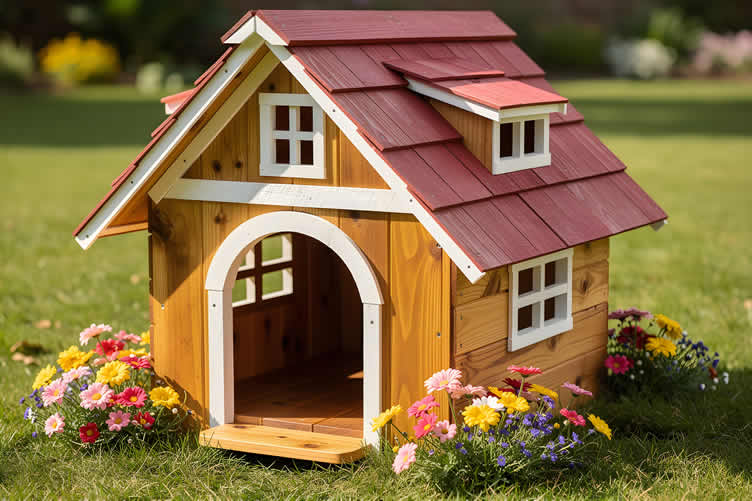
AI generated image by 123rf.com
Dog Houses With Special Features
(from the summary table below)
Feature Type Description Benefits Double Dog Houses Double dog houses feature two distinct, separate compartments under one roof, providing individual spaces for multiple dogs or creating separate areas for a single dog to rest and play. Helps reduce territorial disputes, provides personal space for dogs, and promotes a peaceful environment while allowing close proximity. Dog Houses with Porches These dog houses include a charming, extended, covered lounging area outside the sleeping space, offering a shaded spot for relaxing or staying dry during light rain. Adds functionality and personality to the design, provides a place for dogs to enjoy fresh air while remaining protected from the elements. Heated Dog Houses Equipped with a heating element, heated dog houses provide consistent warmth during cold winter months, creating a snug and inviting space. Ideal for short-haired or senior dogs, helps regulate body temperature, and ensures comfort in colder climates. Insulated Dog Houses Designed to trap and retain natural body heat, insulated dog houses maintain a warmer environment in winter and a cooler temperature in summer, ensuring year-round comfort. Excellent for variable climates, provides natural temperature regulation without electricity. Cooling Dog Houses Specifically engineered to combat heat, cooling dog houses utilize features like ventilation, elevated floors, or built-in fans to keep the interior cool in hot weather. Prevents overheating, provides a safe retreat in warmer climates, and ensures a comfortable and cool resting spot during hot days. For Your Outdoor Dog
Your outdoor dog will appreciate extra stimulation and entertainment during their time outside, and transforming your backyard into a bird-friendly space is a great way to provide that.
By adding features such as bird feeders, birdbaths, and native plants that attract a variety of bird species, you can create a vibrant and engaging environment.
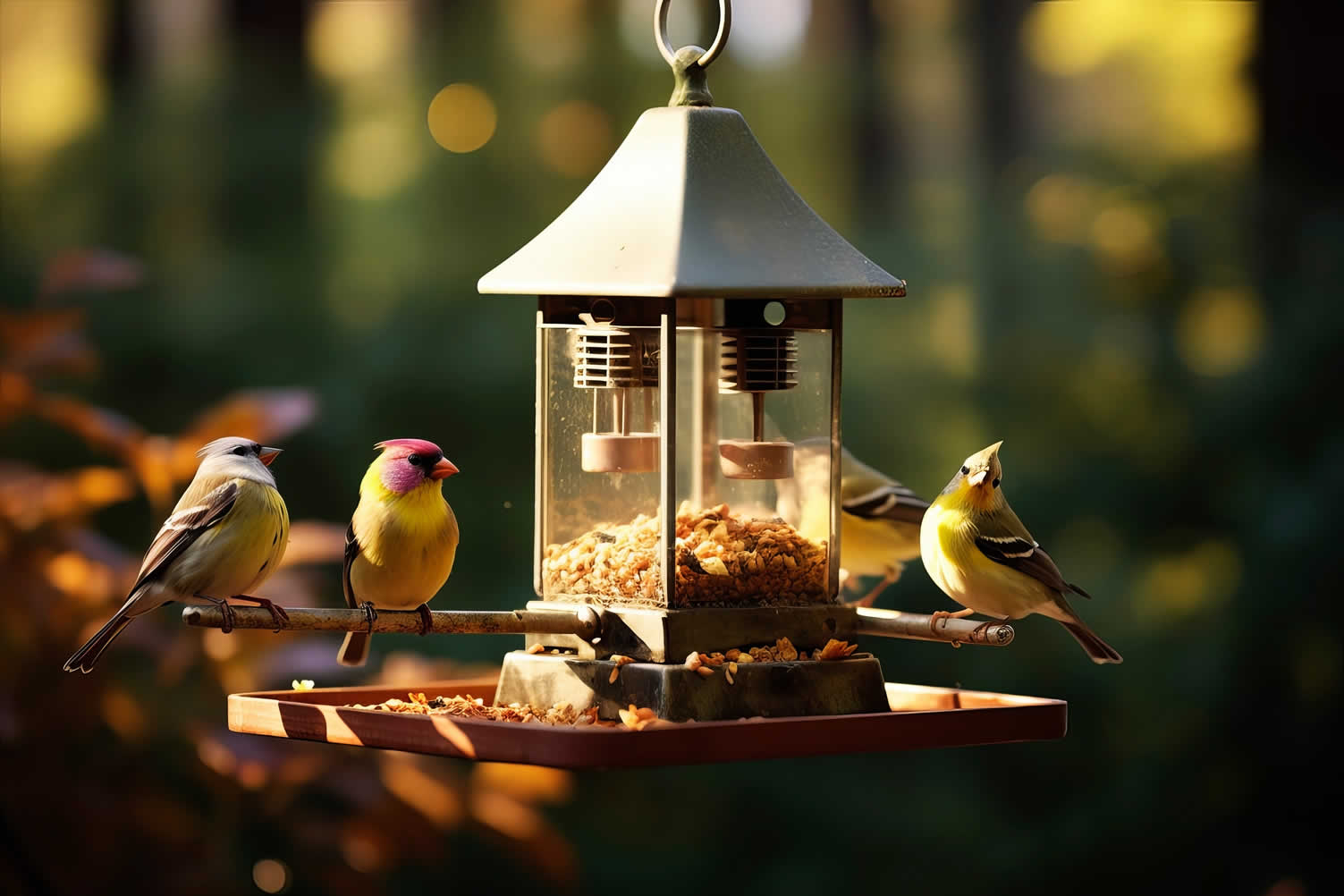
Not only will your dog enjoy watching the birds flit around, but a bird-friendly yard also enhances the natural beauty of your space and supports local wildlife.
Just ensure the setup is safe for both your dog and the visiting birds!
view ideas: Hey Birdie, Birdie(new win)
-
Scroll up to directory … or scroll to next question about choosing best dog house …
SHARE IT ..! Someone in your network might benefit from this insightful post about needing an outdoor dog house. Feel free to share it on Facebook, X (formally Twitter), LinkedIn, or Pinterest!



Outline the specific requirements needed for making …

… key home improvement and remodeling decisions
fourth “photo remodeling” idea
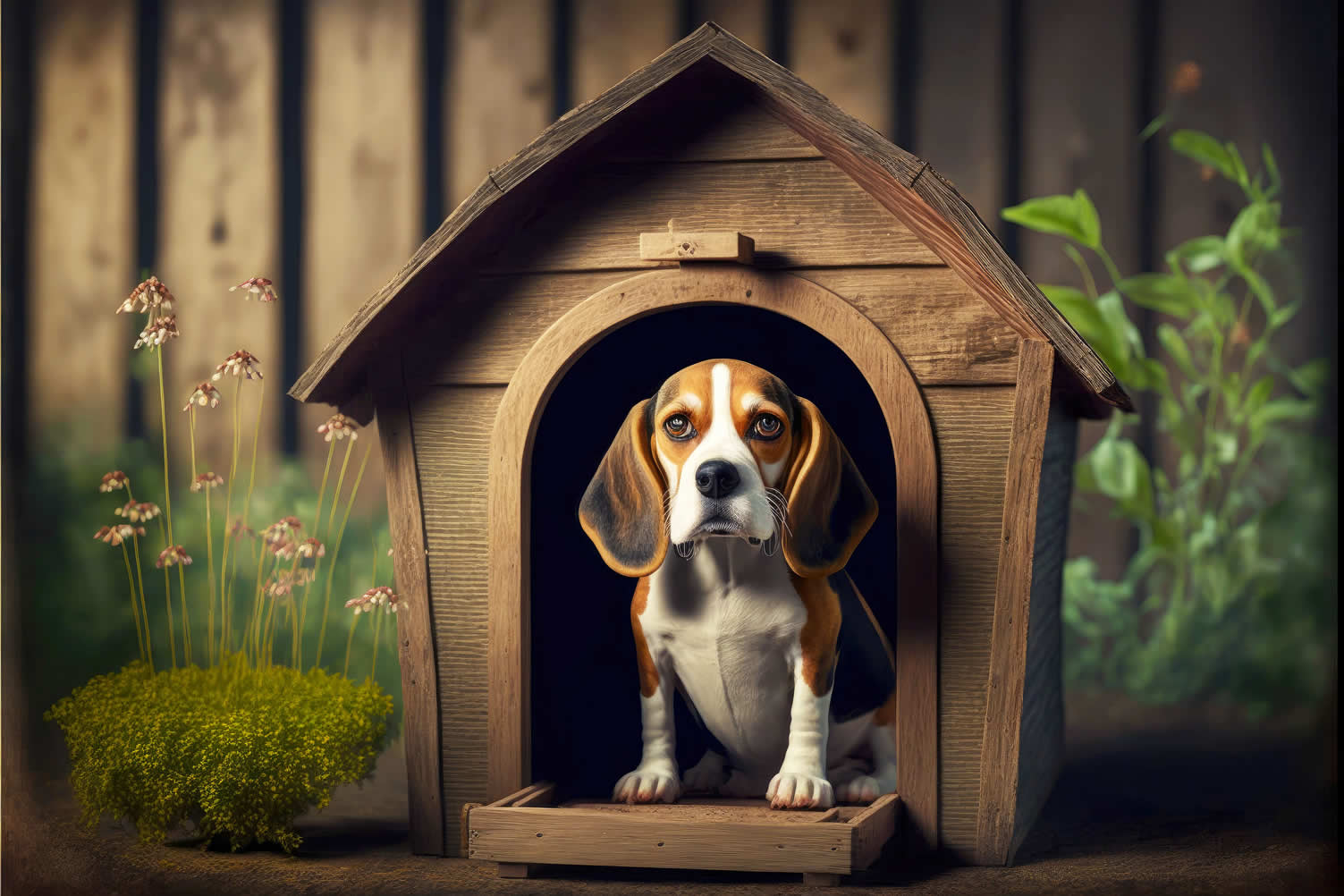
copyright image by 123rf.com
Question 4: How Do You Choose the Best Dog House for Your Dog?
Notes:
-
With the wide variety of dog houses available on the market, narrowing down the perfect choice for your furry friend might seem overwhelming at first. However, the decision really comes down to a few key practical considerations.
By carefully thinking through each factor, from the local climate to your dog’s specific needs, you can find an ideal match.
The goal is to select a dog house that not only keeps your companion comfortable and safe but also provides a happy, personal den they can call their own.
-
Assessing Your Climate
Climate is often the deciding factor. For year-round outdoor use in colder areas, choose wood or insulated construction that holds in warmth.
If wind protection and warmth are your top priorities, an igloo or insulated style works beautifully. In hot regions, lean toward cooling designs with good ventilation. And for low-maintenance use in wet or humid weather, plastic is tough to beat.
-
Considering Your Dog’s Size and Breed
Size matters more than you might think. Your dog should be able to stand up, turn around, and lie down comfortably inside the house.
A shelter that’s too small feels cramped, while one that’s too large won’t trap body heat efficiently in winter. If you have a large breed, consider a gambrel-roof or porch-equipped model for the extra room.
For multiple dogs, a double dog house or kennel combination makes sense.
-
Budget and Maintenance
Finally, think about your budget and how much upkeep you’re willing to take on. Plastic and metal generally cost less to maintain, while wood requires regular sealing to stay in good shape.
Heated and cooling models add comfort but also add to the price and may need electricity. Weigh the upfront cost against long-term durability to find the right balance for your household.
A simple rule of thumb pulls it all together: choose wood or insulated for permanent backyard use, plastic for easy cleaning, igloo or insulated styles for cold and windy conditions, and canvas only for temporary, travel-style shelter.
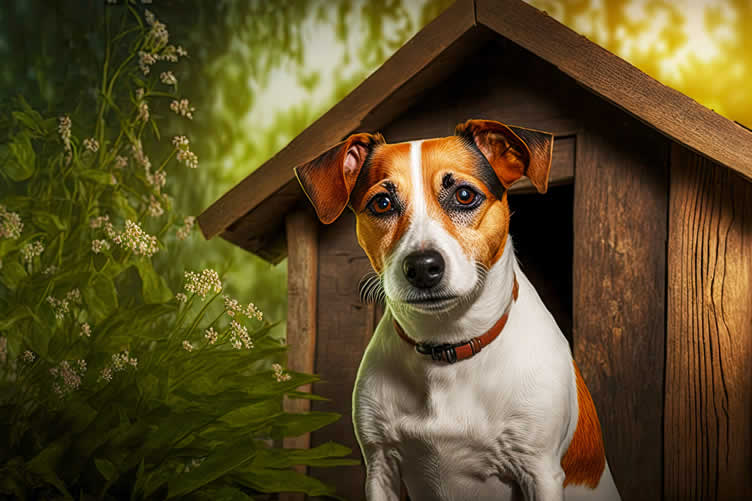
copyright image by 123rf.com
Factor Key Considerations Recommendations Climate Weather impacts the type of dog house needed.
For colder climates, warmth and insulation are priorities, while hot regions require ventilation and cooler designs.
Wet or humid weather calls for materials resistant to moisture.
For cold areas, choose wood or insulated designs, or igloo styles for wind protection.
For hot regions, select designs with good ventilation.
Plastic materials work well in wet or humid conditions due to their durability and low maintenance.
Size and Breed The dog’s size affects comfort and usability.
The house should allow the dog to stand, turn around, and lie comfortably.
A size mismatch could result in discomfort or inefficiency in heat retention.
Large breeds may benefit from gambrel-roof styles or porch-equipped models.
For multiple dogs, consider double dog houses or kennel combinations to provide ample space.
Budget and Maintenance The cost of materials and upkeep varies.
While plastic and metal are low-maintenance options, wood requires more care.
Additional features like heating or cooling systems increase upfront costs.
Plastic and metal are affordable and easier to maintain. Wood offers insulation but needs regular sealing.
Heated or cooling models enhance comfort but require extra investment and potential electricity.
Protect Your Garden
Dogs can often create chaos in your garden, particularly by disturbing delicate annual flowers. However, ornamental grasses provide a durable and stylish solution.
Their tall and dense structure naturally deters dogs, keeping your plants safe while adding a unique textural element to your landscape.

Many ornamental grass species are drought-tolerant and low-maintenance, making them a practical and attractive choice for any garden.
With their versatility and resilience, they can transform your outdoor space into a dog-friendly yet beautiful haven.
view ideas: Ornamental Grasses in Landscape Design(new win)
-
Scroll up to directory … or scroll to next question about other outdoor needs …

Easily determine the dimensions you need for any home remodeling project …
… ensuring functionality, visual appeal, and compliance with building codes.
fifth and last “photo remodeling” idea
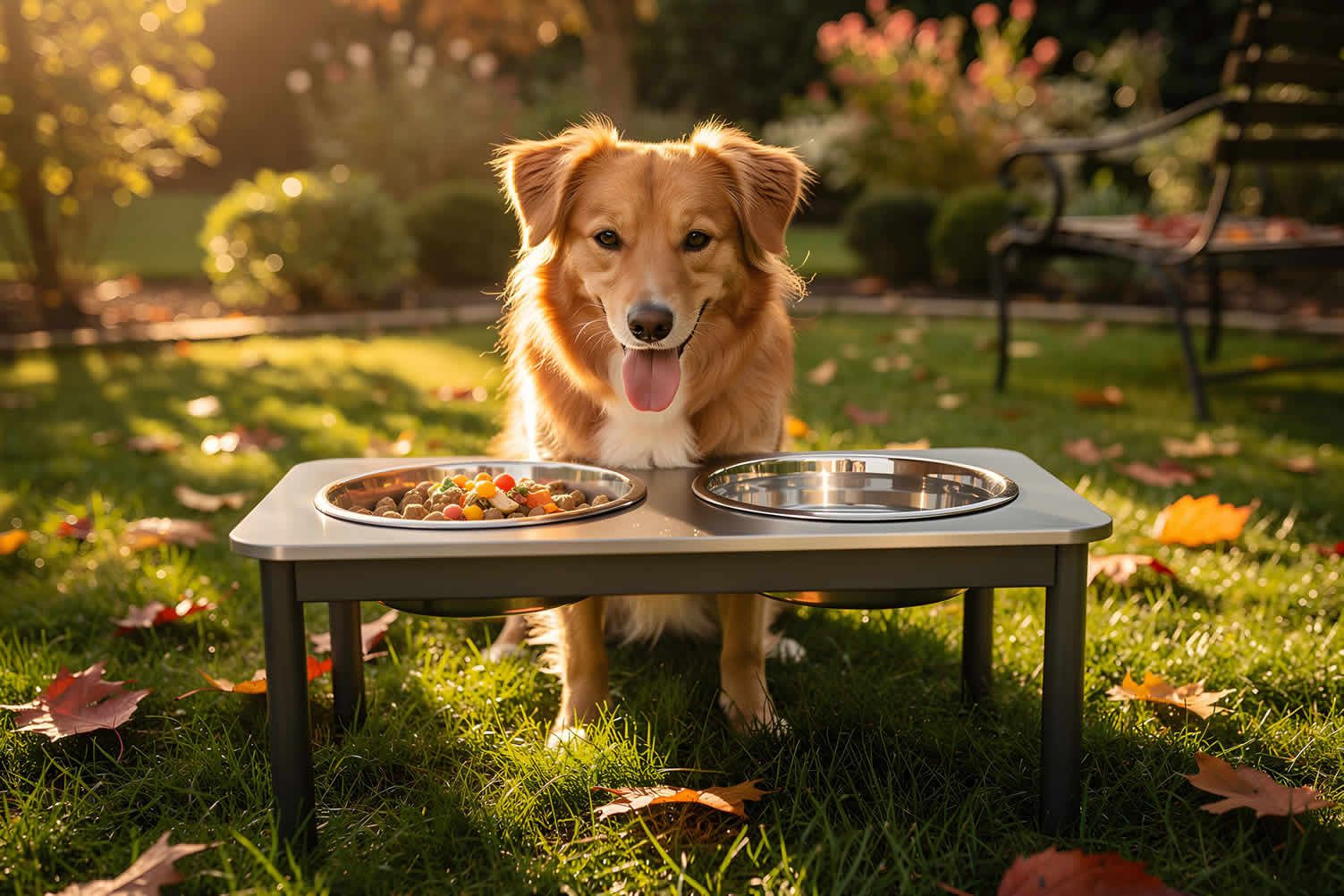

AI generated image by 123rf.com
Question 5: What Else Does Your Dog Need for Outdoor Living?
Notes:
-
While the dog house is undoubtedly the centerpiece of your pet’s outdoor living space, it’s really just the beginning of creating a true home away from home. To ensure your furry friend is not just sheltered but also genuinely happy and healthy, a few additional items are essential.
These thoughtful extras can transform a simple backyard setup into a comfortable, enriching, and safe environment that truly makes them feel like a cherished member of the family.
-
Food and Water Stations[ view]
Just like us, our dogs need reliable access to fresh food and clean water, which is even more critical when they spend long stretches of time outdoors.
To ensure their meals stay safe and appealing, look for sturdy, weather-resistant bowls that won’t tip over easily or rust in the rain. Elevated feeding stations are another excellent option, as they can help keep their food clean and free from dirt or pests on the ground.
When it comes to hydration, especially in hot weather, keeping their water cool and fresh is key. Placing the water bowl in a shaded spot is a simple but effective way to prevent the water from getting too warm and helps protect your dog from the risk of dehydration.
-
Enclosures and Runs[ view]
If your yard isn’t fully fenced, providing an enclosure or dog run can give your pet a safe, contained area to enjoy the outdoors. This setup allows them to move around freely, stretch their legs, and get some fresh air without the risk of wandering off into unsafe territory.
It’s an especially helpful solution for more energetic breeds that need plenty of room to roam and play, ensuring they get their daily exercise in a secure environment.
-
Enrichment and Comfort Items[ view]
A few small additions can make a simple enclosure feel like a true home away from home for your dog. Cozy, weather-appropriate bedding provides essential warmth and soft cushioning for naps, making their outdoor space much more inviting.
Similarly, having a few durable, interesting toys on hand will keep your dog mentally engaged and happily occupied during their time outside.
These thoughtful comfort items help transform a basic shelter from just a functional space into a genuine retreat that your dog will look forward to using and truly love.

copyright image by 123rf.com
Category Description Additional Notes Food and Water Stations Ensuring your dog has access to fresh food and clean water is crucial, especially for those spending extended periods outdoors.
Sturdy, weather-resistant bowls or elevated feeders are recommended to maintain cleanliness and avoid pests or dirt contamination.
Placing water bowls in shaded spots helps keep the water cool and prevents dehydration.
Consider using elevated feeding stations to maintain hygiene and prevent tipping or rusting. Enclosures and Runs Providing an enclosure or dog run is essential if the yard isn’t fully fenced.
This allows your dog to roam freely in a secure area, preventing them from wandering into unsafe territory.
Energetic breeds particularly benefit from this setup as it ensures they receive adequate exercise and outdoor time.
Perfect for ensuring safe movement and fresh air, especially for active dogs. Enrichment and Comfort Items Adding weather-appropriate bedding and durable toys transforms the outdoor setup into a cozy and engaging space.
Comfortable bedding ensures warmth and cushioning for naps, while toys provide mental stimulation and keep your dog happily entertained.
These items enhance the functionality of the space by adding comfort and engagement opportunities. For Your Dog’s Safety
Installing a fence is a significant step toward ensuring your dog’s safety and security, especially when creating an outdoor space for them to roam freely.
The fence you choose should provide a properly enclosed setup to prevent your dog from escaping and potentially getting lost. within your yard.

Consider factors such as the height, material, and design of the fence to match your dog’s size and behavior.
A sturdy, durable fence not only protects your pet but also gives you peace of mind, knowing they are safe
view ideas: Consider When Building a Fence(new win)
-
Scroll up to directory … or scroll to next question about outdoor dog house FAQs …
Find Carpentry Services (opens new win) Carpentry Additions Major Remodels Handyman top-rated, pre-screened local contractors FREE: download contractor selection enter zip code – powered by HomeAdvisor ™
Quick Contractor Guides selecting negotiating working with inspecting

sixth and last “photo remodeling” idea
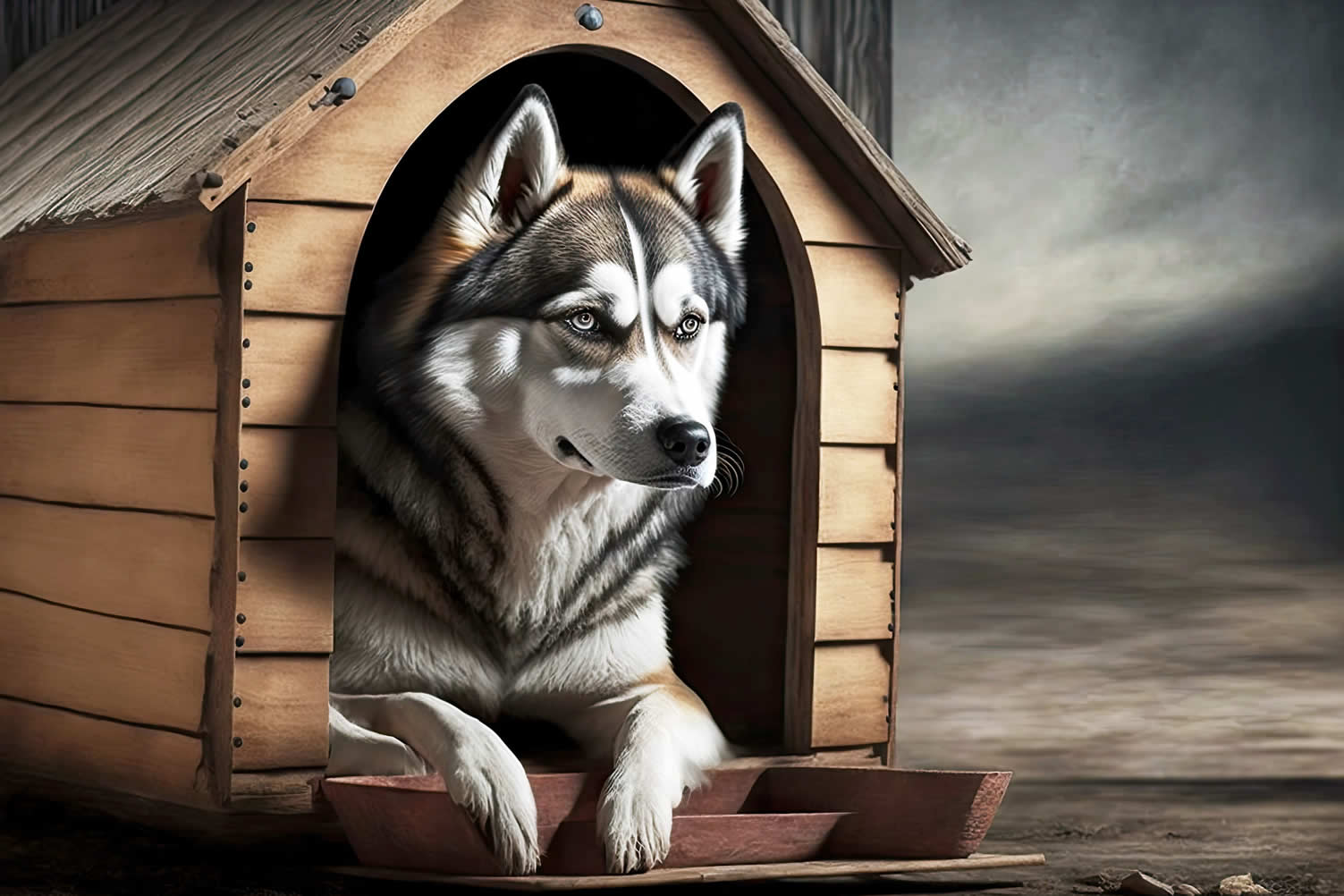
copyright image by 123rf.com
Question 6: Frequently Asked Questions About Outdoor Dog Houses
Notes:
-
Outdoor dog houses are a practical solution for ensuring your pet’s comfort and safety, but choosing the right one can feel overwhelming.
Below, we answer some of the most common questions to help you create the perfect outdoor haven for your furry friend.
-
How big should an outdoor dog house be?
An outdoor dog house should be large enough for your dog to walk in, stand up comfortably, turn completely around, and lie down.
However, it should not be excessively large, as a snug space helps trap the dog’s natural body heat to keep the interior warm during colder months.
-
Are plastic or wooden dog houses better?
Choose a wooden dog house if you want strong natural insulation, durability, and a classic look that you can paint to match your home.
Choose a plastic dog house if you prioritize lightweight portability, easy cleaning with a garden hose, and natural resistance to rot and moisture.
-
Do dogs actually use dog houses?
Yes, dogs naturally seek out den-like spaces where they feel safe, secure, and protected from the elements.
To encourage your dog to use their new outdoor dog house, place familiar-smelling bedding inside, offer treats near the entrance, and locate the shelter in a quiet, shaded part of your yard.
-
How do I keep an outdoor dog house warm in the winter?
You can keep an outdoor dog house warm by choosing an insulated or igloo-style design, adding thick cedar shavings or a weather-resistant pet bed, and ensuring the floor is elevated off the freezing ground.
For extreme cold, consider investing in a dog house with integrated, chew-proof heating elements.
copyright image by 123rf.com
Question Answer Additional Tips How big should an outdoor dog house be? An outdoor dog house should be large enough for your dog to walk in, stand up comfortably, turn completely around, and lie down.
However, it should not be excessively large, as a snug space helps trap the dog’s natural body heat to keep the interior warm during colder months.
Measure your dog accurately before selecting the house dimensions. Are plastic or wooden dog houses better? Choose a wooden dog house if you want strong natural insulation, durability, and a classic look that you can paint to match your home.
Choose a plastic dog house if you prioritize lightweight portability, easy cleaning with a garden hose, and natural resistance to rot and moisture.
Consider your local climate and maintenance needs when choosing the material. Do dogs actually use dog houses? Yes, dogs naturally seek out den-like spaces where they feel safe, secure, and protected from the elements. Encourage your dog to use their new house by adding bedding, treats, and placing it in a quiet area. How do I keep an outdoor dog house warm in the winter? You can keep an outdoor dog house warm by choosing an insulated or igloo-style design, adding thick cedar shavings or a weather-resistant pet bed, and ensuring the floor is elevated off the freezing ground.
For extreme cold, consider investing in a dog house with integrated, chew-proof heating elements.
Ensure the dog house is well-positioned and sealed against drafts. Create a Cozy Outdoor Retreat for Your Dog Designing a comfortable, safe environment for your pet brings peace of mind and adds lasting value to your home’s outdoor space.
By carefully considering the material types, architectural styling, and practical features, you can select an outdoor dog house that perfectly complements your dog’s lifestyle and your own design aesthetic.
Evaluate climate, measure your dog, and balance durability with comfort for the best results. Prefabricated vs. DIY Dog Houses
Choosing between a prefabricated dog house and a DIY build depends on your needs and your dog’s personality.
Prefabricated options are convenient, available in various styles and materials to fit different budgets and tastes.

A DIY project, however, allows for a custom design tailored to your pet’s size and habits.
If you opt for DIY, having the right tools is essential for a precise, durable, and functional result that adds a personal touch.
view ideas: Complete DIY Tool Guide(new win)
-
-
Conclusion:
… create a cozy outdoor retreat for your dog
Designing a comfortable, safe environment for your pet brings peace of mind and adds lasting value to your home’s outdoor space.
By carefully considering the material types, architectural styling, and practical features, you can select an outdoor dog house that perfectly complements your dog’s lifestyle and your own design aesthetic.
Evaluate your local climate, measure your dog accurately, and choose a shelter that offers the right balance of durability and comfort. With the right outdoor dog house, your furry friend will enjoy a secure, cozy retreat in your backyard for years to come.
-
ideas to view and compare from the information discussed above
- What comments can you share about
outdoor dog house?
Scroll up to directory … or scroll to more yard n’ garden related topics …

Calendar For:
Home Maintenance
File Type:
… view our sharing links below for a quick "share the knowledge"

Cover image credit: outdoor dog house by 123rf.com
end of post … please share it!
 |
did you find how this outdoor dog house analysis helpful? If so, please share the article with your friends and family! |
Nice pic idea? Leave us a quick comment below.
And please share this pic idea within your social networks.