While the ground still holds the chill of winter, the approach of early spring provides the perfect opportunity for gardeners to prepare their trees for a season of vibrant, robust growth.
This guide will help you understand why early spring is ideal for tree trimming, how to do it properly, and how to prioritize safety while ensuring your trees thrive.
- post content
- Understanding Tree Dormancy and Its Role in Pruning
- Best Practices for Trimming Trees
- Essential Tools for Tree Trimming and Their Proper Use
- Safety Precautions: Protecting Yourself and Your Trees
- Aftercare: How to Ensure Healthy, Beautiful Growth
- The Rewards of Proper Tree Trimming
- view key:collective notes
Understanding Tree Dormancy and Its Role in Pruning
Before trees burst into new growth in spring, they enter a state of dormancy during the colder months. Dormancy slows down a tree’s metabolic processes, making it less vulnerable to stress and more capable of recovering from pruning cuts.
Trimming your trees during dormancy prevents excessive sap loss and minimizes risks of disease and infestation, as many insects and fungi that target trees are inactive during this period.
Dormant tree care centers on allowing trees the chance to regenerate effectively. By pruning in late winter or early spring, gardeners can shape their trees while identifying weak or dead branches that could have been hidden under leaves during the growing season.

Best Practices for Trimming Trees
Timing is everything when it comes to tree trimming. Focus on late winter, just before early spring, when the worst frosts have passed but trees have not yet started growing. This timing allows for clean cuts and faster healing.
Your technique is equally essential. Always make precise, clean cuts at the right angle just above a growth node or branch collar. Avoid leaving jagged ends, as these are harder for a tree to seal, increasing the risk of disease.
Additionally, know your trees—different species require different pruning approaches. For instance, fruit trees like apples or pears benefit significantly from winter trimming, while pruning flowering trees like dogwoods should wait until after they bloom.

Identify the purpose of trimming as well. Remove damaged or dead branches, enhance the tree’s natural shape, and allow sunlight to penetrate through the branches, improving the tree’s overall health.
Essential Tools for Tree Trimming and Their Proper Use
The right tools make tree trimming more efficient and allow you to treat your trees with care. Invest in good-quality tools that are well-maintained and designed for the specific job.
A sharp bypass pruner is perfect for smaller branches, while loppers can handle middle-sized limbs. For thicker branches, reach for a pruning saw. Pole pruners are ideal for high branches, eliminating the need for dangerous, makeshift ladders.
Before you begin, inspect your tools for sharpness and cleanliness. A dull tool can crush rather than cut, damaging tree tissue and leaving it susceptible to disease. Clean tools between trees as well, especially if you are working with trees showing signs of illness, to prevent cross-contamination.
Safety Precautions: Protecting Yourself and Your Trees
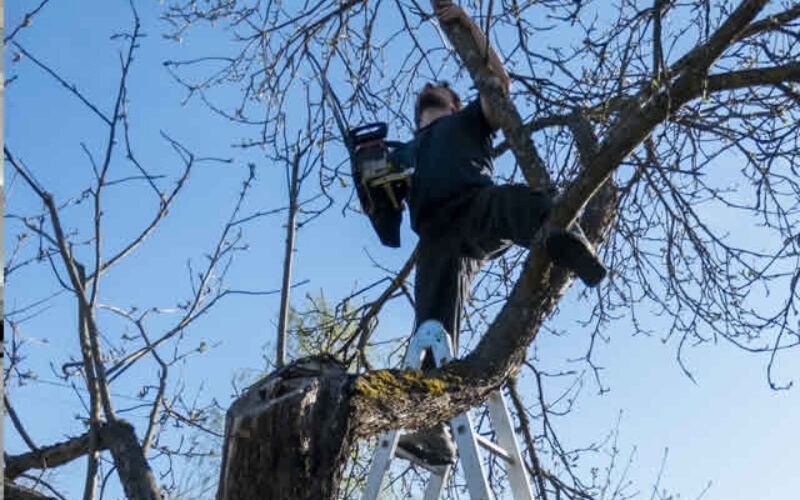
Tree trimming requires not only skill but also a strong focus on safety to protect both yourself and the plants you care for. Wear protective gear, including safety goggles, gloves, and durable footwear, to guard against flying debris or accidental slips.
Avoid working alone, especially if you’re climbing ladders or working with larger trees—having someone nearby minimizes risks in case of accidents.
Take precautions to assess the health of each tree before trimming. Diseased or rotting trees may have weakened branches or trunks that could collapse unexpectedly.
Use non-conductive tools if you’re working near power lines, but ideally leave such tasks to professional arborists to avoid dangerous situations.
For your trees’ safety, do not over-prune. Removing too much can shock the tree, weakening its ability to grow and recover. Limit removal to about 20-25% of the tree’s canopy in one season.
Aftercare: How to Ensure Healthy, Beautiful Growth
Once your trees are trimmed, they still need a little attention to ensure they bounce back strong. Check the trimmed branches to confirm the cuts were clean and sealed by the tree tissue.
While wound-sealing compounds are generally unnecessary and may even interfere with natural healing, make sure there’s no sign of pest infestation or fungal growth near the cut.
Water your trees as needed, especially if early spring brings dry weather. Mulching around the base of each tree can help retain moisture and regulate soil temperature, promoting healthy root development. For flowering and fruit-bearing trees, consider applying specialist fertilizer to enhance their growth and productivity.
Perhaps the most rewarding part of aftercare is watching new buds emerge. Regularly check your trees throughout the growing season to spot any issues early, and feel the pride that comes from nurturing robust and thriving plants.

How To Care For Trees: A Seasonal Guide
Whether you’re sitting quietly under the branches of a magnificent tree or simply admiring a forest scenery, the mystery and beauty, as well as the wonder of trees will touch your life in certain ways.
The Rewards of Proper Tree Trimming
Investing time in early spring tree trimming can reap countless rewards for your garden. Pruned trees grow healthier and stronger while enhancing the beauty and safety of your outdoor space. By understanding dormant tree care, using the right tools, following safety precautions, and applying proper aftercare, you set your trees—and your garden—up for success.
Whether you’re cultivating a serene backyard haven or a bountiful orchard, tree trimming is a satisfying and worthwhile endeavor for every gardener. And as you gaze upon blooming branches and flourishing greenery later in the year, you’ll know that your prep work when the weather was brisk made it all possible.
other related analysis of interest: (new win)
Crafting Inviting Outdoor Retreats With Beautiful Hardscaping Features
Find Yard Maintenance Services Lawn Maintenance Sprinkler Systems Pest Control Tree & Shrubs top-rated, pre-screened local contractors FREE: download contractor selection enter zip code – powered by HomeAdvisor ™


Image credit: by envato.com
end of post … please share it!
| more photo remodeling |
Jump Over to Our Photo Analysis Center for Ideas on
"Renovating Home"
|__________________________________________________________|
home remodeling surprise
find out where it might go - new win


Helpful article? Leave us a quick comment below.
And please share this article within your social networks.