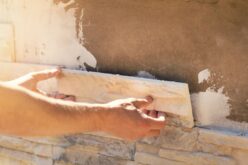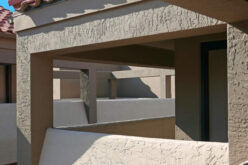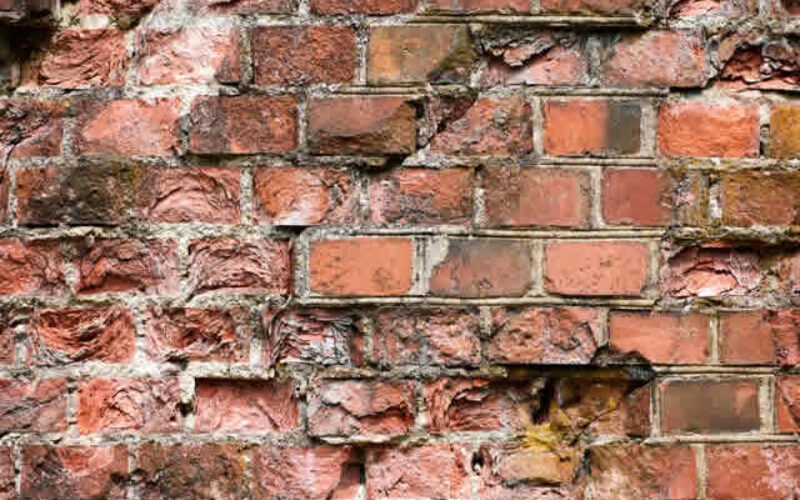
A good masonry restoration contractor will investigate the cause of the damage and use appropriate materials for repair. This will ensure that the restoration work meets historic preservation guidelines.
Preserves the Building’s Appearance
Masonry is one of the most durable building materials available, but even masonry structures can experience wear and tear over time. This can lead to the need for masonry restoration services.
A qualified historic masonry restoration contractor will be able to find out the cause of damage to your landmark property and develop a treatment plan to restore it to its original condition. They can prevent further damage by identifying areas prone to deterioration.

Historical masonry requires special care, especially regarding the type of mortar used. Using the wrong type of mortar can cause moisture entrapment, which will eventually cause further damage. The Masonry contractors will use only the finest quality repointing mortars to preserve your historic property’s integrity.
Preserves the Building’s Structural Integrity
Masonry restoration services prevent the bricks and mortar of old buildings from decaying, which is crucial to preserving their structural integrity. Brick-and-mortar structures left unattended can become unsteady, making them unsafe for use as a home or business.
Depending on the type of building, it may require a different approach to masonry repair than another. For example, a 17th-century house might need its original limestone lintels replaced by new ones that match the existing style.
In these cases, finding a contractor to replace the masonry with materials that preserve its historical value and appearance is essential. Otherwise, the building could end up with unsightly gaps and cracks that ruin its aesthetic appeal and interfere with its structural integrity.
Prevents Water Damage
Masonry buildings that don’t undergo masonry restoration services are more susceptible to flooding and structural damage. When these structures are exposed to water, they can develop problems with the mortar and bricks caused by a buildup of salts and moisture.
Historic masonry is more resistant to flood damage than modern building materials, but it still needs proper care to prevent it. Masonry restoration specialists are familiar with preserving the historic fabric and can ensure the repair work is historically appropriate.
The most critical factor in preventing flood damage is ensuring that the new material used for repairs matches the existing material in properties and composition. This means that the bricks or stones used in the new mortar are the same color and style as those initially used in the masonry construction.

Before you start any basement remodeling or refinishing – such as setting up a home theater room, recreation room, or adding some bedrooms w/ a bathroom, run some financial numbers to determine whether the renovation is a smart investment.
The numbers include the estimated costs, home value assessment, financing costs, and other related calculations.
Review these cost-related issues to remodeling vs. buying a new home with a finished basement.
links to internal page (opens new win)
| analyze the numbers | |
| estimate the cost of your project | |
| get your home value |
The 2nd step for planning your basement remodeling or refinishing is deciding what you would like to with the basement space.
Will the space be used for –
- home theater room with theater seating and screen,
- home entertainment with home bar and conversation furniture,
- billiard table room with table tennis, game tables and other family entertainment,
- extra bedrooms with a full bathroom,
- music or other recording room,
- cold storage facility for food, wine, cheese, and other food storage,
- or something else.
Start collecting ideas by referencing our collection of remodeling analysis: view directory
Step 3 is sketching your ideas on paper (or digitally) and developing the spec plan.
The spec plan determines what type of basement remodeling or refinishing materials, items, and design considerations that will be needed. It will also contain the product specifications for each renovation element.
You will use the spec plan and architectural design to bid the project out to a contractor.
links to internal page (opens new win)
| developing the spec plan | |
| sketch remodeling plan | |
| design considerations |
Step 4 is finding and negotiating the contract with a basement contractor.
Give your basement remodeling or refinishing ideas and specs to a contractor for review and bid analysis. Use the local network (aligned with HomeAdvisor) to find the right contractor for your project.
Review guides for contractor selection and negotiation.
links to internal page (opens new win)
| search contractors for basement refinishing | |
| selecting your contractor checklist |
| contractor negotiations | |
| contractor evaluation form |
Step 5 is arranging financing once you selected the contractor and finalized the contract for your project.
Using the equity value in your home is one of the best financing option for basement remodeling or refinishing. Start with a home equity line of credit or use the bank equity program.
Other options may include cash-out refinancing, personal savings, and/or financing from home improvement contractors.
links to internal page (opens new win)
| financing options | |
| getting qualified for financing | |
| negotiate rates |
Step 6 is where the project begins.
It starts with setting up the work area, removing everything that needs to be replaced, installing electrical and network connections, putting in the final touches, etc.
It also means working with the contractor, managing the project, and getting the basement remodeling or refinishing project inspected before releasing any funds.
links to internal page (opens new win)
| working with the contractor | |
| managing remodeling project |
| about a home project inspections | |
| find home inspector |
Prevents Corrosion
Masonry is the process of using cement to hold bricks or stones together. Historical buildings are often built with masonry, so it’s essential to protect them.
Corrosion is a big problem for masonry, especially in historic buildings. It can damage the structural integrity of a building, which can lead to collapse. Luckily, corrosion can be prevented by using a sacrificial anode.
A sacrificial anode is a piece of metal with a negative electrical potential that attracts the positive electrical charge of iron or steel. This prevents the electrochemical reaction that causes rust, which helps preserve the steel and to avoid corrosion in the masonry.
Preserves the Building’s Value
Unlike masonry repair, which replaces a single damaged brick or stone, masonry restoration is a full-scale renovation project that restores a building’s overall quality and appearance. This increases property value and makes a business’s brand more recognizable.
other related articles of interest:
A Guide to Updating the Exterior of Your Historic Home
Dreaming of Living in a Historic Home? Where to Start When Restoring It
Masonry restoration can also help preserve historic buildings’ structural integrity. It uses specialized mortar with the correct physical properties to fortify and stabilize them. The suitable repointing materials can match the original mortar’s color and physical properties, like compressive strength, water absorption, and vapor transmission.
To preserve your historic home or commercial building, it’s best to enlist the services of experienced professionals who understand traditional construction methods and can combine them with modern technology for long-lasting results.
Find Home Siding Services Siding Brick Concrete Stone top-rated, pre-screened local contractors FREE: download contractor selection enter zip code – powered by HomeAdvisor ™


Image credit: masonry restoration services by envato.com
end of post … please share it!
| more photo remodeling |
Jump Over to Our Photo Analysis Center for Ideas on
"Renovating Home"
|__________________________________________________________|
home remodeling surprise
find out where it might go - new win


Helpful article? Leave us a quick comment below.
And please share this article within your social networks.