Summary Outline –
The good news is that bathroom faucets can be organized into clear categories based on how they mount, how many handles they have, and what special features they offer.
Understanding these distinctions will help you narrow down your options quickly and choose a faucet that works beautifully with your sink, fits your space, and matches your style preferences.
This guide walks you through everything you need to know about bathroom faucets, from assessing your sink’s mounting requirements to exploring advanced features like touchless operation.
You’ll learn the difference between centerset and widespread faucets, discover which valve types last longest, and get practical tips for installation and long-term value. By the end, you’ll have the confidence to select a faucet that enhances both the functionality and aesthetic appeal of your bathroom.
- post content … analysis/ bathroom faucet guide
- 1st: Assessing Your Sink and Mounting Requirements
- 2nd: Exploring Different Faucet Mounting Styles
- 3rd: Understanding Handle Configurations and Operation
- 4th: Specialized Faucets for Unique Sink Designs
- 5th: Advanced Features and Smart Technology in Faucets
- 6th: Aesthetic Considerations and Finishing Touches
- 7th: Practical Tips for Installation and Long-Term Value
- 8th: Making Your Final Faucet Selection
- conclusion
- other bed n’ bath topics

-
- —— begin first topic ——
-
1st Note: Assessing Your Sink and Mounting Requirements
Before you fall in love with a particular faucet style, take a close look at your existing sink or the one you plan to install. The number and spacing of pre-drilled holes in your sink or countertop will determine which faucets are compatible with your setup.
Most bathroom sinks come with one, three, or four holes already drilled. Single-hole sinks accept compact, one-piece faucets.
Three-hole sinks typically accommodate either centerset faucets (with holes spaced four inches apart) or widespread faucets (with holes spaced six to sixteen inches apart). If your sink has four holes, the extra opening is usually meant for a side spray or soap dispenser.
Different sink types also influence your faucet choice. Vessel sinks sit on top of the counter and require taller faucets with extended reach. Undermount sinks install beneath the counter surface and work well with standard deck-mounted faucets.
Pedestal sinks often have limited counter space, making wall-mounted or compact single-hole faucets ideal choices. Drop-in sinks, which rest in a cutout in the countertop, offer flexibility for various faucet styles.
Lastly, trough sinks, which are long and narrow, often require more than one faucet to ensure adequate water access along their length. The number of faucets needed will depend on the specific dimensions of the sink and the desired functionality.
Measuring your existing holes carefully before shopping will save you from purchasing an incompatible faucet. If you’re installing a new sink, consider how the faucet configuration will affect your daily routine and the visual balance of your bathroom vanity.
- Quick scroll to note summaries …
Sink Type Number of Holes Compatible Faucet Types Additional Considerations Single-Hole Sink 1 Compact, One-Piece Faucets Ideal for minimalist designs with limited space. Three-Hole Sink 3 Centerset Faucets (4-inch spacing) or Widespread Faucets (6–16 inch spacing) Allows more design options; ensure proper spacing compatibility. Four-Hole Sink 4 Centerset or Widespread Faucets with Side Spray or Soap Dispenser The extra hole typically accommodates extra features like a side spray. Vessel Sink Varies Taller Faucets with Extended Reach Design suits sinks sitting on top of the counter for a modern aesthetic. Undermount Sink Varies Standard Deck-Mounted Faucets Creates a seamless look beneath the counter; make sure the faucet height suits your needs. Pedestal Sink Varies Compact Single-Hole or Wall-Mounted Faucets Consider space limitations that affect faucet selection. Drop-In Sink Varies Flexible Options for Various Faucet Styles Offers versatility, frequently used in standard countertop setups. Trough Sink Varies Often requires multiple faucets Depends on sink dimensions and functionality 

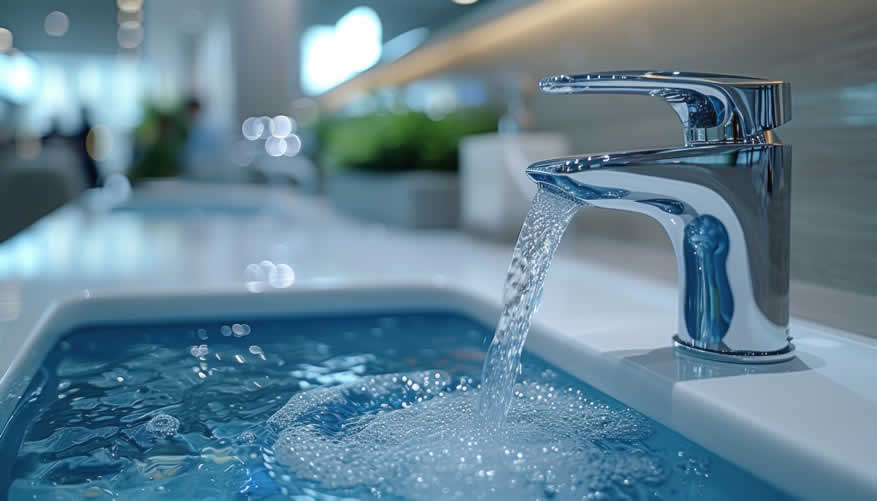
copyright image by 123rf.com
2026 Trends in Bathroom Design
Discover the bathroom trends of 2026, where functionality meets luxury. Spa-inspired designs with natural materials like stone and wood, paired with calming neutral tones, create a serene space.
Smart technology like touchless faucets, smart mirrors, and self-cleaning features will become standard. Sustainability takes the spotlight with water-saving fixtures and eco-friendly materials.
Whether you’re planning a full renovation or a simple update, these trends inspire stylish, forward-thinking designs.
view ideas: bathroom design trends(new win)
-
Scroll up to directory … or scroll to next section of this bathroom faucet guide …


-
-
2nd Note: Exploring Different Faucet Mounting Styles
The way a faucet mounts to your sink or wall is a crucial detail that influences both its visual appeal and its functionality in your daily routine.
This mounting style refers to how the fixture attaches to your bathroom setup, and it plays a key role in shaping the overall aesthetic and practicality of your space.
For instance, a wall-mounted faucet can create a sleek, modern look while freeing up counter space, whereas a deck-mounted faucet installed directly on the sink or countertop offers a more traditional style and can be easier to install.
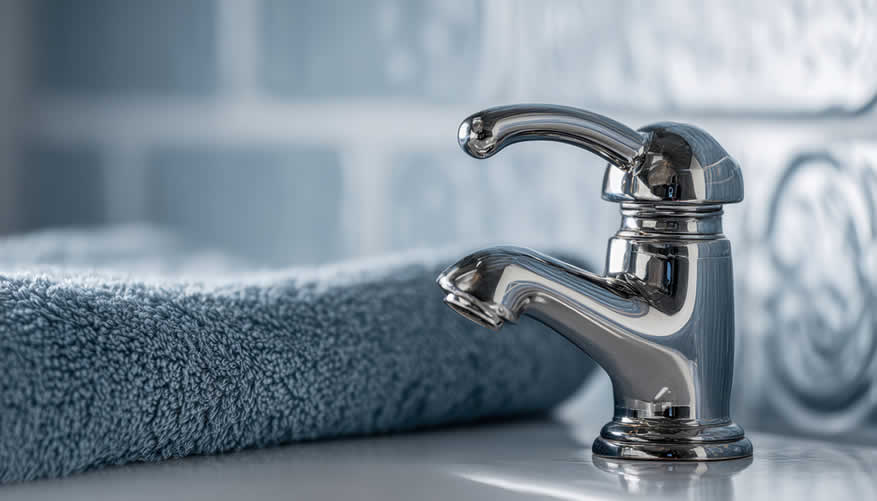
copyright image by 123rf.com

Understanding these different configurations is the first step in selecting a faucet that not only complements your bathroom’s design but also works seamlessly with your specific layout and sink type.
By carefully considering how the faucet will integrate with your space, you can ensure it enhances both the style and usability of your bathroom.
-
Centerset Faucets[ view]
Centerset faucets combine the spout and two handles on a single base unit, with handles positioned exactly four inches apart. This compact design works perfectly for standard three-hole sinks and smaller vanities where space is limited.
The unified base gives centerset faucets a streamlined appearance that suits traditional bathroom designs. Installation is typically straightforward since all components connect as one piece.
Many homeowners appreciate centerset faucets for their affordability and ease of maintenance. The Moen Banbury faucet exemplifies this style, featuring a brushed nickel coating that resists fingerprints and water spots, along with a high-arc handle that blends classic and timeless design elements suitable for modern bathrooms.
-
Widespread Faucets[ view]
Widespread faucets consist of three separate pieces—two handles and a spout—that install independently into three holes spaced roughly six to sixteen inches apart.
This configuration creates an open, upscale appearance that works especially well with larger sinks and countertops. The separate installation allows for flexible spacing and a more customized look.
Because each component mounts individually, widespread faucets offer design versatility and tend to make a stronger visual statement than centerset models.
They work particularly well in master bathrooms or powder rooms where you want to create an elegant atmosphere. The separation between handles and spout also makes these faucets easier to clean around.
-
Single-Hole Faucets[ view]
Single-hole faucets require only one opening in your sink or countertop, making them ideal for tight spaces and minimalist designs. Despite using just one hole, these faucets can feature either one or two handles mounted on a single compact body.
The streamlined profile saves counter space and creates clean lines that complement modern bathroom aesthetics.
This mounting style works beautifully with contemporary vanities and smaller sinks where every inch of counter space matters. Installation is generally simple, and the compact footprint makes cleaning around the faucet effortless.
-
Wall-Mounted Faucets[ view]
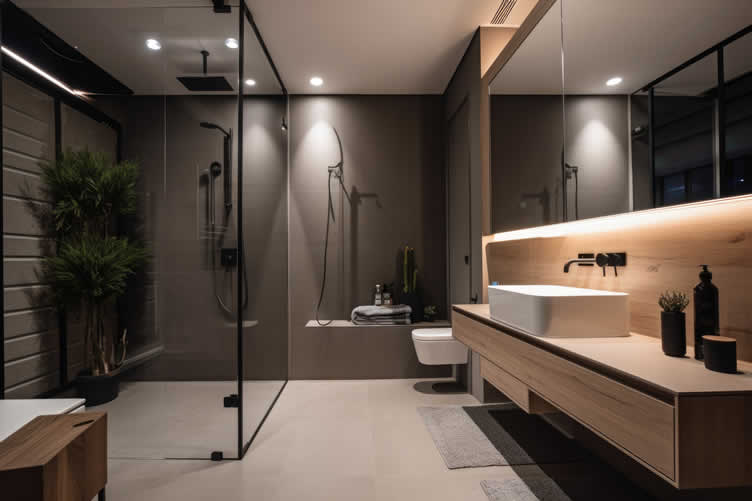
Wall-mounted faucets attach to the wall above your sink rather than to the deck or countertop. The spout extends outward and downward from the wall, creating a distinctive floating effect.
This mounting style pairs exceptionally well with vessel sinks and above-counter basins, freeing up valuable counter space and creating visual interest. Wall-mounted faucets make cleaning your countertop easier since there are no fixtures to work around.
The Vigo Titus wall-mounted faucet demonstrates how this style can blend perfectly with sharp-shaped mirrors, counters, and cabinets. With only two mounting holes required in the wall, installation can be completed quickly, though careful planning for plumbing placement is essential.
-
Deck-Mounted Faucets[ view]
Deck-mounted faucets are a versatile choice for bathrooms and kitchens, installed directly onto the sink or countertop instead of the wall. They come in various designs, including single-hole, centerset, and widespread options, catering to different styles and needs.
Single-hole faucets provide a minimalist look for smaller sinks, while centerset faucets are practical and easy to install. Widespread faucets add a luxurious touch with separate hot and cold handles for customizable spacing.
Compatible with most sink types, deck-mounted faucets are easier to install and repair, making them ideal for remodeling or new construction.
-
Vessel Faucets[ view]
Vessel faucets are specialized deck-mounted faucets designed with extra height to reach over vessel sinks that sit on top of the counter. These taller faucets ensure proper clearance and water flow into the elevated basin.
The extended height creates a dramatic vertical element that enhances the architectural interest of vessel sink installations.
When selecting a vessel faucet, consider the height of your sink to ensure adequate clearance without excessive splashing. These faucets work best when the spout is positioned to direct water flow toward the center of the basin.
- Quick scroll to note summaries …
Faucet Style Description Key Features Example Centerset Faucets Compact design with spout and two handles on a single base unit. Suitable for standard three-hole sinks and smaller vanities. Handles positioned four inches apart, streamlined appearance, easy installation and maintenance, affordable. Moen Banbury faucet with brushed nickel finish, high-arc handle, and timeless design. Widespread Faucets Three separate pieces—spout and two handles—installed independently with customizable spacing. Flexible spacing, upscale appearance, design versatility, works well with larger sinks and countertops. Ideal for creating an elegant atmosphere in master bathrooms or powder rooms. Single-Hole Faucets Requires one opening in the sink or countertop; features a streamlined compact body. Minimalist design, counter space saving, easy installation, complements modern aesthetics. Works beautifully with contemporary vanities and small sinks. Wall-Mounted Faucets Mounted to the wall above the sink with a floating appearance, ideal for vessel sinks or above-counter basins. Frees counter space, distinctive look, two mounting holes required, requires careful plumbing planning. Vigo Titus faucet blends with sharp-shaped mirrors and cabinets. Deck-Mounted Faucets Installed directly onto the sink or countertop; available in multiple configurations. Versatile designs such as single-hole, centerset, and widespread options, easy to install and repair. Suitable for remodeling or new construction, works with most sink types. Vessel Faucets Specialized deck-mounted faucets designed for vessel sinks with elevated height for clearance. Dramatic vertical element, ensures proper water flow into elevated basins, prevents excessive splashing. Best choice to enhance architectural interest with vessel sink installations. 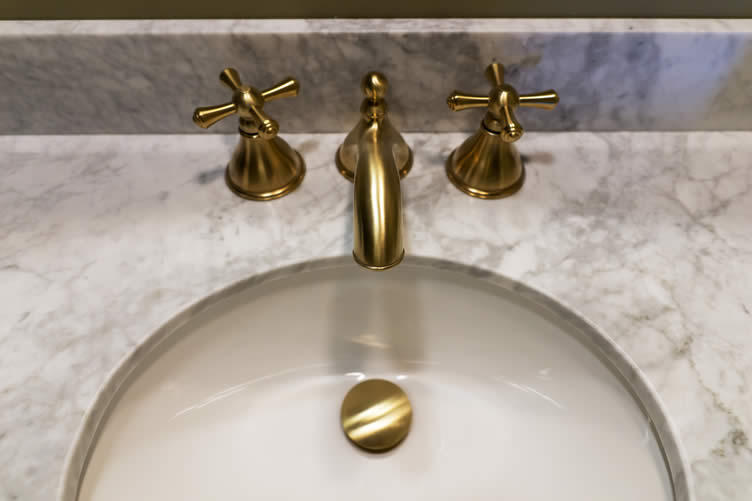
copyright image by 123rf.com
Upgrade to Smart, Water-Saving Toilets
Did you know that toilets account for a significant portion of household water use? On average, every flush can consume up to 1.6 gallons of water in modern toilets, and even more for older models.
By switching to smart, water-saving toilets, you can drastically reduce water consumption without compromising performance.
These innovative designs not only help the environment but also lower your utility bills, making them a practical and sustainable choice for your home.
view ideas: rise of smart toilets(new win)
-
Scroll up to directory … or scroll to bathroom handle configurations …
-
-

Selecting bathroom sink faucets and other bathroom or home improvement needs …

… save this curated directory of ideas for future reference.

-
-
3rd Note: Understanding Handle Configurations and Operation
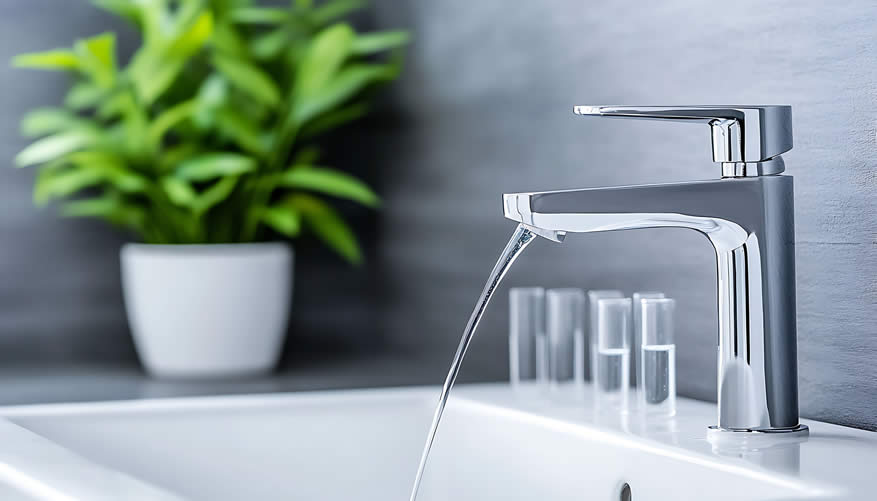
The number and style of handles on your bathroom faucet play a key role in both the daily functionality and the overall aesthetic of your personal sanctuary.
A single-handle faucet, for instance, offers a sleek, modern look that homeowners often choose for its clean lines.
This design allows for quick, simple adjustments to water temperature and flow with just one fluid motion, making it a wonderfully convenient choice for smaller spaces or minimalist design schemes.
copyright image by 123rf.com
On the other hand, a double-handle faucet, with its separate controls for hot and cold water, provides greater precision in achieving the perfect temperature. This style often complements more traditional or classic bathroom decors, adding a touch of timeless elegance.
Each configuration comes with its own set of distinct advantages, tailored to suit your personal preferences, daily needs, and unique design goals for the space.
-
Single-Handle Faucets[ view]
Single-handle faucets, also called single-lever faucets, control both water temperature and flow rate with one handle.
Moving the handle left or right adjusts temperature, while moving it up or down controls flow. This intuitive operation makes single-handle faucets incredibly convenient, especially when your hands are soapy or occupied.
Because they require only one hole (sometimes two for certain models), single-handle faucets work well in space-constrained bathrooms and pair naturally with modern design schemes.
The simplified operation also makes them accessible for children and individuals with limited hand mobility.
-
Two-Handle Faucets[ view]
Two-handle faucets feature separate handles for hot and cold water, giving you precise control over temperature mixing.
One handle controls hot water while the other controls cold, allowing you to fine-tune the exact temperature you prefer. This traditional configuration appears on both centerset and widespread faucets.
Many people appreciate the classic, symmetrical look that two-handle faucets bring to bathroom vanities.
The separate handles also make it easy to quickly access cold water without adjusting temperature settings. Two-handle faucets tend to suit traditional and transitional bathroom styles particularly well.
-
Specialty Handle Styles[ view]
Beyond the basic single or double configuration, faucet handles come in various shapes including cross, knob, lever, joystick, and blade styles. These variations primarily affect appearance and ergonomics rather than basic functionality.
Cross handles evoke vintage charm, while blade handles offer sleek modern appeal. Knob handles provide a traditional touch, and joystick handles can add contemporary flair.
When selecting handle styles, consider both aesthetics and comfort. Handles should be easy to grip and turn, especially if anyone in your household has arthritis or reduced hand strength.
Lever handles generally offer the easiest operation for all users.
- Quick scroll to note summaries …
Handle Configuration Key Features Advantages Single-Handle Faucets Control both water temperature and flow rate with one handle; handle moves left/right for temperature and up/down for flow. Convenient and intuitive operation, suitable for small spaces, minimalist designs, and children or users with limited mobility. Two-Handle Faucets Separate handles for hot and cold water, allowing precise control over temperature mixing. Classic and symmetrical appearance; enables quick access to cold water; complements traditional and transitional styles. Specialty Handle Styles Includes cross, knob, lever, joystick, and blade styles, primarily affecting aesthetics and ergonomics. Wide variety of styles for customization; lever handles offer easy operation, ideal for users with arthritis or reduced hand strength. 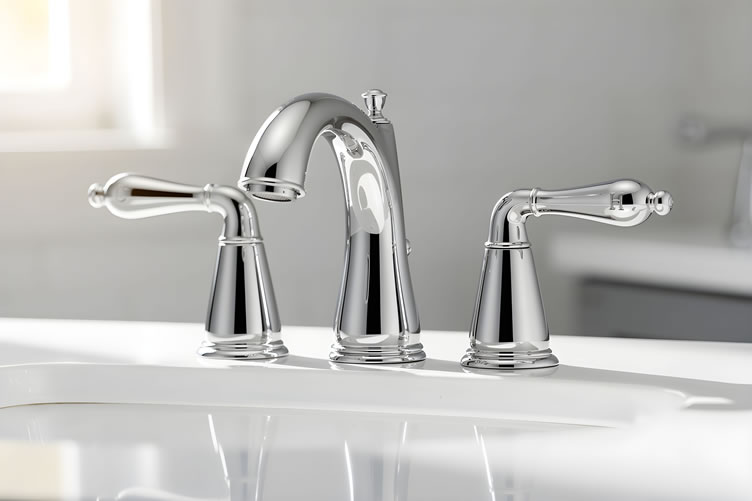
AI generated image by 123rf.com
Upgrade Your Bathroom Hardware
Speaking of handles, have you considered switching out your bathroom hardware to match your faucet system?
Coordinating your drawer pulls, cabinet knobs, and towel racks can create a cohesive, modern look while adding functionality.
This is also a great opportunity to enhance safety by choosing designs like grab bars or easy-to-use lever handles, which are helpful for children and older adults.
Aligning style with practical features elevates both the look and accessibility of your bathroom.
view ideas: decorative and functional hardware(new win)
-
Scroll up to directory … or scroll to next review of this bathroom faucet guide …
-
-

-
-
4th Note: Specialized Faucets for Unique Sink Designs
Certain bathroom layouts and design visions require faucets that extend beyond traditional configurations to meet unique needs.
These specialized faucet options not only provide practical solutions for specific functional requirements but also bring a touch of distinctive character to the space.
copyright image by 123rf.com
For instance, wall-mounted faucets can be ideal for minimalist designs, while vintage-inspired fixtures might complement a classic or ornate bathroom aesthetic.
By choosing the right faucet style, you can blend functionality with design, creating a bathroom that aligns perfectly with your vision.
-
Waterfall Faucets[ view]
Waterfall faucets feature an open spout that allows water to flow out in a smooth, sheet-like motion, mimicking the natural movement of a cascading stream. This design is as much about sensory experience as it is about aesthetics, introducing a sense of tranquility to the space.
Available in single-hole or widespread configurations, waterfall faucets often pair beautifully with vessel sinks or spa-themed bathrooms, creating a serene and luxurious ambiance.
Their unique design ensures both functionality and visual appeal, making them a popular choice for modern and nature-inspired interiors.
The Pfister Brea waterfall faucet offers both three-hole and one-hole installation options and includes Pfister’s patented Pforever Seal technology to prevent leaks. This model comes in multiple finishes including brushed nickel, matte black chrome, white chrome, Tuscan bronze, and polished chrome, giving you flexibility to match your bathroom’s aesthetic.
Waterfall faucets work particularly well with vessel sinks and contemporary bathroom designs.
-
Bridge Faucets[ view]
Bridge faucets feature an exposed bar or "bridge" that connects the two handles and spout in one raised piece above the deck. This distinctive design element gives bathrooms a classic or vintage character reminiscent of early twentieth-century plumbing.
Bridge faucets typically require two holes in the sink deck and make a bold architectural statement.
The exposed bridge creates visual interest and works beautifully in bathrooms with traditional, farmhouse, or industrial design themes.
While bridge faucets are more common in kitchens, bathroom versions bring the same nostalgic charm to vanity installations.
-
Trough Faucets[ view]
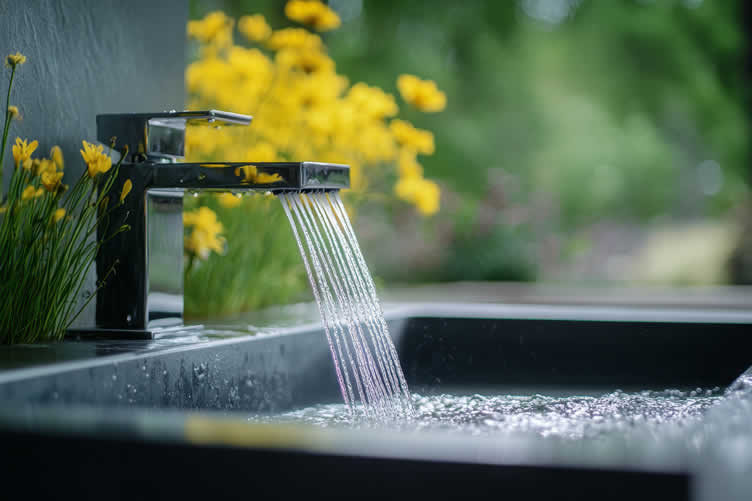
For a minimalist and truly architectural touch, trough faucets deliver an impressive blend of functionality and modern sophistication.
These unique designs feature a wide, shallow spout that allows water to flow out in a broad, elegant sheet, creating a visual effect much like a narrow basin or channel.
The distinctive water flow itself becomes a design element, adding a sense of calm and luxury to the space.
Trough faucets are an ideal choice for contemporary and minimalist bathrooms where clean lines and uncluttered surfaces are a priority.
They can be wall-mounted or counter-mounted, both of which contribute to a sleek, streamlined look by minimizing hardware on the vanity top.
When paired with a rectangular or other low-profile sink, they create a beautiful sense of balance and artistic minimalism that elevates the entire bathroom design.
-
Cascade and Open-Spout Faucets[ view]
In addition to traditional waterfall designs, cascade or open-spout faucets offer more creative and artistic variations. In these designs, water flows gracefully over a smooth, extended lip or channels through a distinct angular slot.
These faucets are often incorporated directly into counters or walls, which contributes to their ultra-modern or even avant-garde aesthetic.
Cascade faucets work exceptionally well in open-concept bathroom designs where space flows freely. They blend seamlessly with minimalist vanities or recessed sink layouts, enhancing the feeling of an open, uncluttered area.
Their innovative and fluid designs draw attention to the simple beauty of flowing water, turning the sink area into a focal point of artistic expression and creativity.
- Quick scroll to note summaries …
Faucet Type Description Key Features Design Applications Specialized Faucets Certain bathroom layouts and design visions require faucets that extend beyond traditional configurations to meet unique needs. These options blend functionality with distinctive character, creating a bathroom that aligns with specific visions. Includes styles like wall-mounted and vintage-inspired designs to suit a range of aesthetic preferences. Wall-mounted faucets suit minimalist designs, while vintage-inspired fixtures pair well with classic or ornate bathroom aesthetics. Waterfall Faucets Feature an open spout that allows water to flow out in a smooth, sheet-like motion, mimicking the natural movement of a cascading stream. Available in single-hole or widespread configurations. Pfister Brea model includes Pforever Seal technology and multiple finishes like brushed nickel, matte black chrome, and Tuscan bronze. Works beautifully with vessel sinks and spa-themed or nature-inspired bathrooms for a serene and luxurious ambiance. Bridge Faucets Exposed bar or “bridge” connects handles and spout in one raised piece, adding a bold architectural statement reminiscent of early twentieth-century plumbing. Typically requires two-hole installation. Commonly used for bathrooms with a nostalgic vintage or industrial design theme. Ideal for vanity installations in traditional, farmhouse, or industrial-style bathrooms. Trough Faucets Wide, shallow spouts allow water to flow in a broad, elegant sheet. These designs deliver a blend of functionality and modern sophistication. Available in wall-mounted or counter-mounted styles. Creates a sleek and minimalist look. Pairs well with low-profile or rectangular sinks in contemporary and minimalist bathrooms emphasizing clean lines and artistic balance. Cascade and Open-Spout Faucets Water flows over a smooth, extended lip or through an angular slot, creating an ultra-modern aesthetic. Often integrated into counters or walls. Features creative and avant-garde designs for added artistic appeal. Suited for open-concept bathrooms with minimal furnishings, turning sink areas into focal points of artistic expression. 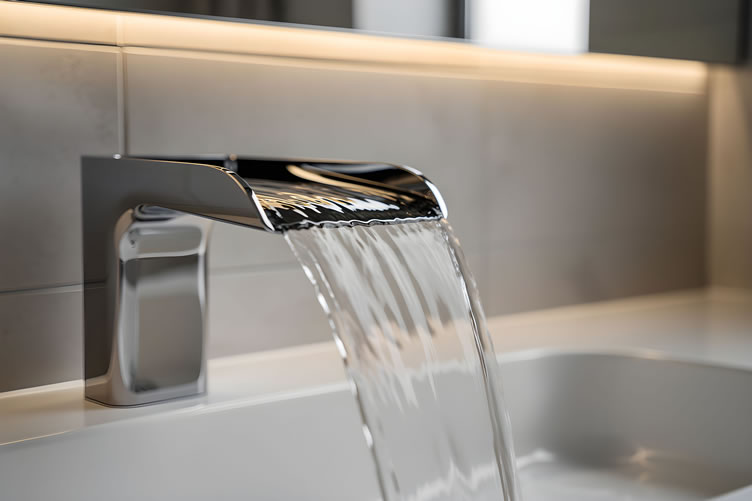
Smart Scales for a Healthier You
If you’re searching for a unique addition to your bathroom that goes beyond a decorative bathroom faucet, consider integrating a smart scale into your wellness routine.
These innovative devices do more than just measure weight—they provide insights into your body composition, track progress over time, and even sync with health apps to keep you motivated.
With sleek designs and user-friendly interfaces, smart scales blend seamlessly into any space while supporting your personal health goals in style.
view ideas: revolutionizing personal wellness(new win)
-
Scroll up to directory … or scroll to advanced features and smart technology …
-
-

Download this PDF for a concise summary of everything you need to know about …?


-
-
5th Note: Advanced Features and Smart Technology in Faucets
Modern bathroom faucets are increasingly designed with technology that improves convenience, promotes better hygiene, and supports water conservation efforts.
Features such as touchless operation, temperature control, and precise water flow adjustments transform routine tasks like washing hands or rinsing into seamless, effortless experiences.
copyright image by 123rf.com
These innovations not only make everyday use more practical but also encourage habits that are both hygienic and environmentally friendly, offering a perfect blend of functionality and efficiency for modern living.
-
Touchless and Sensor Faucets[ view]
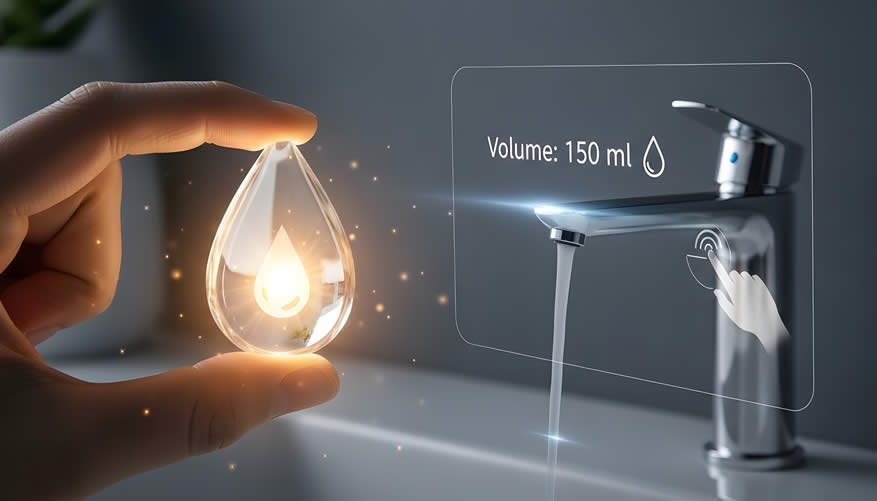
Touchless faucets have revolutionized personal hygiene and water usage in residential spaces. Using infrared motion sensors, these faucets detect hand movements to automatically turn the water on and off, eliminating the need to touch handles.
This is particularly beneficial in reducing the spread of bacteria and germs, making these faucets ideal for households that prioritize hygiene or have young children.
Furthermore, their automated operation ensures water flows only when needed, which can significantly cut down on wastage over time. The integration of such technology showcases how a simple feature can elevate both utility and user experience.
The Luxice automatic faucet demonstrates these benefits with an internal sensor that starts water flow when hands appear in front of the sink and stops when they’re removed. Many touchless models also include temperature adjustment features.
According to the Environmental Protection Agency’s WaterSense program, sensor faucets can reduce water use by up to thirty percent compared to standard faucets.
-
WaterSense Technology[ view]
For eco-conscious homeowners, faucets with eco-friendly aerators offer a simple way to conserve water without compromising performance. These aerators reduce water flow significantly while maintaining strong pressure and smooth operation.
Faucets with the WaterSense label meet strict EPA standards for efficiency and performance, using a maximum of 1.5 gallons per minute compared to the typical 2.2 gallons per minute. This ensures significant water savings without losing functionality or pressure.
The Vigo Titus wall-mounted faucet features WaterSense technology to regulate water flow, temperature, and usage for maximum efficiency.
By choosing faucets with eco-optimized aerators, homeowners can save gallons of water each year, lower utility bills, and reduce their environmental impact—all without sacrificing comfort or style.
WaterSense-certified faucets not only cut household water consumption but also help save on utility costs. Many local utilities even offer rebates for installing WaterSense fixtures, making them a smart and sustainable choice.
-
Digital Temperature Displays[ view]
Faucets equipped with digital temperature displays offer an added level of safety and precision. These built-in displays allow users to monitor the exact water temperature at the spout, reducing the risk of scalding—a critical feature for households with children or elderly members.
Beyond safety, the accuracy provided by temperature readouts improves the daily routines of tasks such as bathing children, face washing, or filling a basin with water at an exact temperature for cleaning or cooking purposes.
Such innovation highlights the ongoing intersection of technology and convenience in modern bathroom design.
-
Other Innovative Features[ view]
Beyond standard advancements, modern faucets now offer a range of features that further enhance usability and aesthetics.
For instance, some premium models include voice-activated controls, integrating seamlessly into smart home systems to allow users to command water flow and temperature through voice prompts.
Self-cleaning faucets, which prevent mineral buildup in hard water areas, are another emerging feature that reduces maintenance needs and ensures long-lasting functionality.
Additionally, faucets incorporating LED lighting that syncs with water temperature provide a striking visual appeal while serving as a safety feature by indicating hot, warm, or cold water.
- Quick scroll to note summaries …
Feature Description Example Benefit Touchless and Sensor Faucets Utilize infrared motion sensors to automatically turn water flow on and off, ensuring better hygiene and reduced water wastage. Luxice automatic faucet with an internal sensor for water flow activation. Reduces the spread of bacteria, ensures water-saving, and improves user convenience. WaterSense Technology Eco-friendly aerators and fixtures with EPA certification to limit water flow while maintaining pressure and performance. Vigo Titus wall-mounted faucet meeting WaterSense standards. Promotes water conservation, lowers utility bills, and offers rebates from local utilities. Digital Temperature Displays Provide precise water temperature readouts, ensuring safety and convenience during use. Ideal for homes with children or the elderly for safe and accurate temperature control. Reduces the risk of scalding, improves convenience for cleaning, and enhances overall safety. Other Innovative Features Include voice-activated controls, self-cleaning mechanisms, and LED temperature-indicating lighting. Smart faucets integrated with voice systems and self-cleaning features. Offers ease of use, reduces maintenance needs, and enhances safety while adding aesthetic appeal. 
copyright image by 123rf.com
Upgrade to Smart, Water-Saving Toilets
Did you know that toilets account for a significant portion of household water use? On average, every flush can consume up to 1.6 gallons of water in modern toilets, and even more for older models.
By switching to smart, water-saving toilets, you can drastically reduce water consumption without compromising performance.
These innovative designs not only help the environment but also lower your utility bills, making them a practical and sustainable choice for your home.
view ideas: rise of smart toilets(new win)
-
Scroll up to directory … or scroll to next section of this bathroom faucet guide …
-
-



-
-
6th Note: Aesthetic Considerations and Finishing Touches
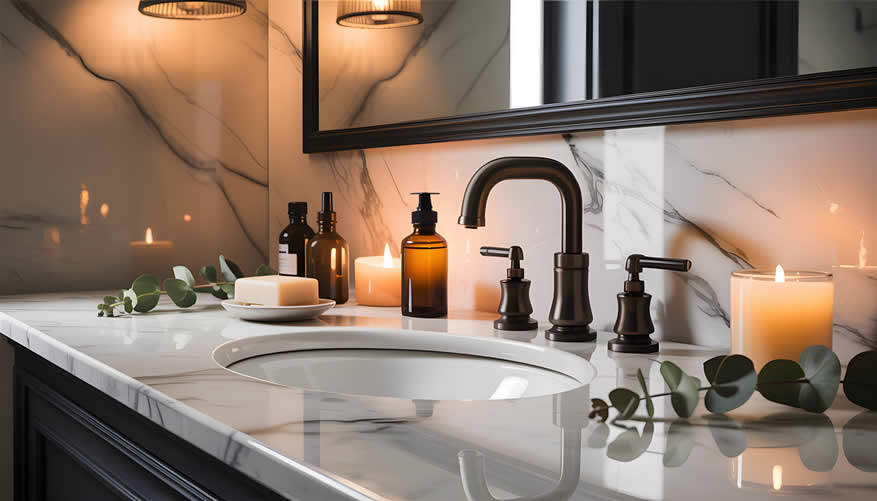
The finish and style of your bathroom faucet play a crucial role in shaping the overall aesthetic and atmosphere of your bathroom.
A sleek, modern faucet can lend a contemporary feel, while a vintage or matte finish might evoke a more classic or rustic charm.
copyright image by 123rf.com
Coordinating these elements with other fixtures, such as towel bars, showerheads, and cabinet hardware, helps create a cohesive and polished appearance that ties the space together effortlessly.
By paying attention to these details, you can elevate your bathroom’s design and make it feel both intentional and inviting.
-
Bathroom Faucet Finishes
When it comes to finishes, each material and palette creates a unique impact, influencing the tone and focal points of your bathroom. Below are some trending finishes to consider based on their visual appeal and ability to transform your space.
[ view sample images below: faucet finishes ]
-
Popular Finishes
- Chrome:
The most popular faucet finish, its bright, reflective surface suits nearly any bathroom style. - Brushed Nickel:
Offers a soft, muted look that hides water spots and fingerprints well. - Oil-Rubbed Bronze:
Creates rich, dark tones perfect for traditional or rustic bathrooms. - Stainless Steel:
Provides durability and a clean, professional look. - Copper and Brass:
Adds warmth and vintage character, especially in farmhouse or industrial-style bathrooms. - Polished Chrome vs. Satin Nickel:
Polished chrome offers the brightest shine, while satin nickel provides a more subtle elegance.
- Chrome:
-
Bold Finishes
- Matte Black:
Sophisticated and sleek, matte black finishes provide a striking contrast in lighter bathrooms and complement minimalist or industrial styles. - Brushed Brass:
Warm and luxurious, brushed brass adds a hint of opulence while maintaining a modern edge, perfect for neutral or earth-toned spaces. - Warm Gold:
Rich yet understated, warm gold finishes evoke a sense of timeless elegance and pair seamlessly with classic and transitional design elements. - Mixed-Metal (e.g., black with brass accents):
Combining materials like matte black with brass accents allows faucets to become a focal point, offering a chic, contemporary look that breaks away from traditional single-finish designs.
- Matte Black:
-
Color Blocking
- Two-Tone Designs (e.g., black and gold, black and chrome):
Emphasize contrasting finishes and highlight the architectural shapes of faucet handles and spouts, drawing immediate visual interest. These daring pairings celebrate modern design innovation and work well in eclectic or artistic spaces.
- Two-Tone Designs (e.g., black and gold, black and chrome):
When selecting a finish, consider maintenance requirements. Polished surfaces show water spots more readily than brushed or matte finishes.
Also think about how the finish will coordinate with other bathroom hardware including towel bars, cabinet pulls, and showerheads. Matching finishes throughout the bathroom creates visual harmony.
-
-
Bathroom Faucet Styles
The style of your bathroom faucet is just as crucial as its finish. The shape, detailing, and craftsmanship all contribute to the atmosphere you want to create in your bathroom. Here are some popular styles that address diverse preferences and themes.
[ view sample images below: faucet styles ]
-
Traditional
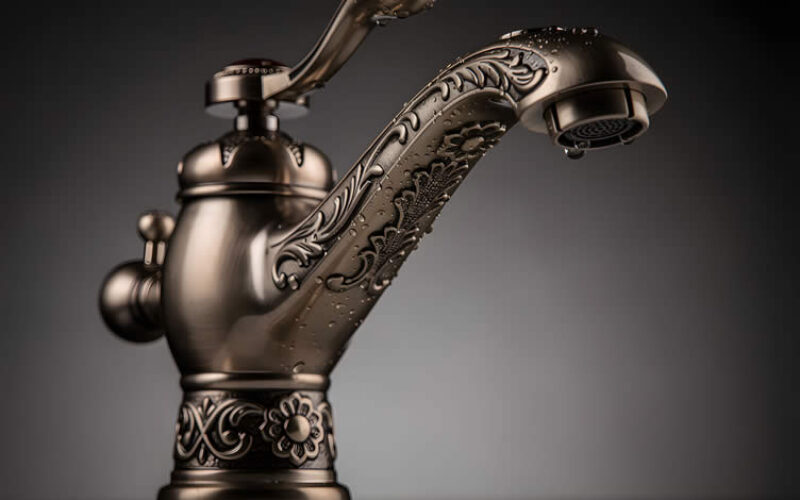
Classic and timeless, traditional bathroom faucets often feature elegant curves, intricate detailing, and finishes like polished chrome, brushed nickel, or antique brass.
Perfect for those who cherish a refined aesthetic, these faucets bring a sense of sophistication to any bathroom, complementing classic or vintage-inspired decor seamlessly.
-
Modern
Sleek and minimalist, modern bathroom faucets feature clean lines, geometric shapes, and innovative designs. Available in matte black, polished chrome, or brushed nickel, they emphasize functionality and simplicity.
Perfect for contemporary spaces, these faucets add style while often incorporating water-saving technology and motion sensors for convenience and sustainability.
-
Industrial / Exposed-Pipe
Inspired by factory aesthetics, this style features visible pipework, valve-style handles, and raw finishes like blackened steel, unlacquered brass, or oil-rubbed bronze.
Perfect for loft or industrial-themed bathrooms, these faucets exude rugged charm and practical beauty.
-
Minimalist Geometric
With clean, understated lines, these faucets focus on rectangular, cylindrical, or ultra-thin profiles.
Often available in finishes like matte black or brushed metals, the handles and spouts are reduced to simple, geometric shapes, ideal for modern minimalist bathrooms seeking a sleek and uncluttered look.
-
Artisanal / Handcrafted
Handcrafted faucets stand out for their artistry and uniqueness, often made in small batches or custom-designed. Materials include brass, bronze, copper, or even inlays of stone, wood, or glass.
These faucets develop a natural patina over time, adding character to bathrooms with a bohemian or eclectic aesthetic.
-
Vintage / Antique-Inspired
Evoking classic elegance, vintage-inspired faucets feature cross handles, porcelain accents, and curved spouts.
Finished in aged brass, bronze, or polished nickel, these styles are perfect for traditional bathrooms or those inspired by early 20th-century interiors.
-
Farmhouse
Farmhouse bathroom faucets offer rustic charm with modern functionality. Often finished in oil-rubbed bronze, brushed nickel, or antique brass, they feature classic designs like cross handles and vintage-inspired spouts.
These faucets are perfect for creating a warm, inviting feel in traditional, country, or shabby chic bathrooms, adding a cozy, timeless touch.
Consider the shapes and lines present elsewhere in your bathroom. Angular mirrors and cabinetry pair naturally with faucets featuring sharp, geometric lines. Curved elements and rounded fixtures harmonize with faucets that have softer, flowing contours.
-
- Quick scroll to note summaries …
Category Details Examples/Finishes Aesthetic Considerations The finish and style of your bathroom faucet significantly shape the aesthetic and atmosphere of your bathroom. Selecting the right combination of styles and finishes creates a cohesive and polished design. Modern sleek finishes, vintage or matte textures, and coordinating with other bathroom fixtures like towel bars and hardware. Popular Finishes Each finish creates a unique tone and functionality, influencing bathroom focal points while balancing maintenance needs. Chrome, Brushed Nickel, Oil-Rubbed Bronze, Stainless Steel, Copper, Polished Chrome, Matte Black, Brushed Brass, Mixed-Metal Designs. Bold Finishes Bold finishes add dramatic elegance or contemporary flair, emphasizing creativity in design and enhancing visual appeal. Matte Black, Brushed Brass, Warm Gold, Mixed-Metal Designs, Two-Tone Color Blocking (e.g., Black and Gold). Bathroom Faucet Styles The style of a faucet informs the overall theme, whether traditional, modern, industrial, minimalist, artisan, vintage, or farmhouse. Each style aligns with unique design preferences and functionality. Traditional with intricate detailing, Modern clean lines, Industrial factory-inspired, Minimalist geometric, Artisanal handcrafted, Vintage antique-spired, Farmhouse rustic charm. Design Harmony Shapes and lines of bathroom elements guide faucet selection. Coordinating faucet lines with mirrors, cabinetry, and other hardware elements ensures visual harmony. Pair angular mirrors with geometric faucets; match curved elements with flowing faucet designs. 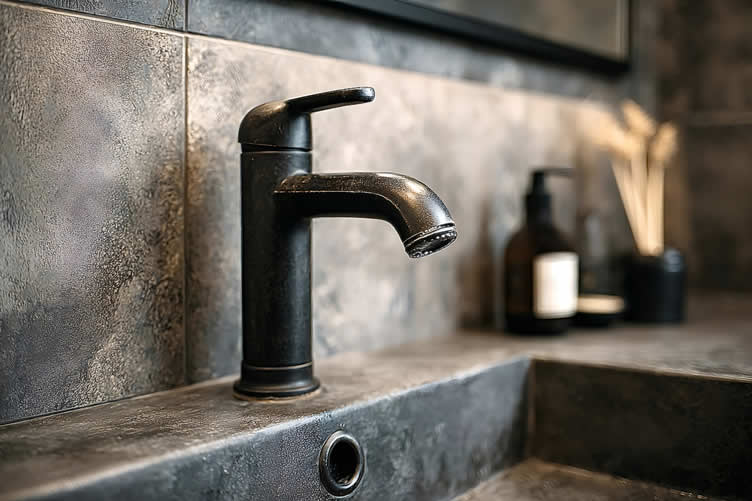
copyright image by 123rf.com
Expanding Interior Styles
Speaking of interior styles, why stop at the bathroom faucet? A cohesive design that flows from room to room can elevate your home’s aesthetic and create a harmonious atmosphere.
Upgrading your kitchen fixtures to match your bathroom’s sleek finishes or adding stylish faucets to a laundry room are small changes that make a big impact.
Explore how coordinating fixtures and finishes can unify your space while reflecting your unique style.
view ideas: deciding your interior design(new win)
-
Scroll up to directory … or scroll to next section reviewing bathroom faucet values …
-
-

Easily determine the dimensions you need for any home remodeling project …
… ensuring functionality, visual appeal, and compliance with building codes.
SHARE IT ..! Someone in your network might benefit from this insightful bathroom faucet guide. Feel free to share it on Facebook, X (formally Twitter), LinkedIn, or Pinterest!


-
-
7th Note: Practical Tips for Installation and Long-Term Value
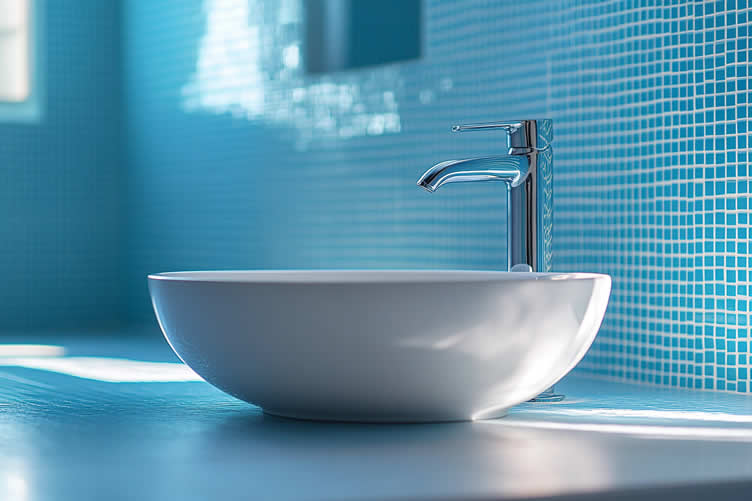
Thinking about the practical side of things, like the different types of valves and what’s involved in the installation, is essential when you’re picking out new faucets.
This knowledge helps you choose fixtures that will not only work reliably for many years but also fit your budget and personal skill level.
copyright image by 123rf.com
Taking the time to familiarize yourself with these factors allows you to make more thoughtful decisions, whether you’re planning to handle the installation yourself as a weekend project or hire a professional plumber.
For example, knowing which valve type is best for your needs can ensure smooth, effortless performance and significantly reduce the risk of annoying leaks down the road.
Similarly, considering the complexity of the installation process helps you stay on budget and avoid any unexpected expenses or installation headaches.
-
Valve Types and Durability
The internal valve mechanism controls water flow and mixing in your faucet, directly impacting longevity and performance. Four main valve types dominate the market, each with distinct characteristics.
[ view sample images below: valve types ]
-
Compression Values:
Represents the oldest design, using a rubber washer and stem that you tighten to stop water flow.
While simple and inexpensive, compression valves tend to develop drips as the washer wears over time. They require periodic washer replacement but remain easy to repair.
-
Ball Valves:
Features a rotating ball mechanism that mixes hot and cold water in washerless single-handle faucets.
The ball valve design is simple and durable, especially in models using metal balls rather than plastic. These valves operate smoothly and resist wear effectively.
-
Cartridge Valves:
Uses a sliding cartridge with O-rings to control water flow and temperature. This design is extremely common in modern faucets due to its smooth operation and reliability.
Brass cartridges typically outlast plastic versions and provide years of trouble-free performance.
- Ceramic Disc Valves:
Represents the most advanced and durable option available. These valves use two ceramic discs that slide against each other to control water flow.
The hard, smooth ceramic surfaces resist wear exceptionally well, rarely requiring replacement. Modern faucets increasingly use ceramic disc technology, though they’re often marketed simply as "ceramic valve faucets."
-
-
Installation Considerations
Deciding between DIY installation and professional help depends on your plumbing experience and the complexity of your chosen faucet.
[ view DIY steps below]Simple deck-mounted faucets with flexible supply lines are generally straightforward to install for homeowners with basic plumbing knowledge. The process typically involves connecting supply lines, securing mounting hardware, and testing for leaks.
Wall-mounted faucets require more extensive work since you’ll need to access plumbing inside the wall. This installation demands careful planning for pipe placement and often benefits from professional expertise to avoid costly mistakes.
The unique aesthetic appeal of wall-mounted faucets often justifies the additional installation complexity and expense.
For any bathroom plumbing project, consulting with a licensed plumber ensures safety and code compliance.
Professional installation may cost more initially but can prevent water damage and repair expenses down the road. Many plumbers also offer warranties on their work, providing additional peace of mind.
-
Selecting Quality Brands
Investing in faucets from reputable manufacturers typically delivers better long-term value than purchasing budget options. Established brands like Moen, Pfister, Delta, Kohler, and Vigo offer superior materials, better warranties, and readily available replacement parts.
The Moen Banbury faucet, for example, features a three-hole installation design that’s easy to implement, along with durable finishes that maintain their appearance over time.
Quality faucets also tend to incorporate better valve technology and superior internal components that resist corrosion and wear. While premium faucets cost more upfront, they often last significantly longer and require fewer repairs than cheaper alternatives.
Check warranty coverage when comparing options—longer warranties typically indicate manufacturer confidence in product durability.
Reading customer reviews and researching brand reputations helps identify which manufacturers consistently deliver reliable products and responsive customer service.
Pay attention to comments about long-term performance rather than just initial impressions.
- Quick scroll to note summaries …
How Do These Values Work
(from the summary table below)
Category Description Key Points Practical Tips for Installation and Long-Term Value Understanding valve types and key installation considerations helps ensure reliable faucet performance for years while aligning with your budget and skill level. This knowledge enables better decisions for DIY projects or when hiring professionals. Choosing the right valve type minimizes leaks and smooths performance. Factoring in installation complexity avoids unnecessary expenses or challenges. Valve Types and Durability The internal valve mechanism controls water flow and mixing, affecting faucet longevity and performance. Common types include compression, ball, cartridge, and ceramic disc valves. Compression valves use washers that wear over time. Ball valves offer durability in washerless designs. Cartridge valves are smooth and reliable. Ceramic disc valves are advanced, durable, and resist wear exceptionally. Installation Considerations DIY installation depends on plumbing experience and faucet type. Simple faucet designs are easier for homeowners, while wall-mounted faucets require more complex planning and often professional assistance. Deck-mounted faucets are typically straightforward to install. Wall-mounted options require accessing internal wall plumbing. Professional installation ensures safety, prevents water damage, and includes warranties in many cases. Selecting Quality Brands Investing in reputable faucet manufacturers offers long-term value, including superior materials, components, and warranties. Established brands like Moen, Pfister, Delta, and Kohler provide reliable performance. Premium brands incorporate advanced valve technology and durable finishes. Reading customer reviews and comparing warranties helps identify products with consistent long-term performance. 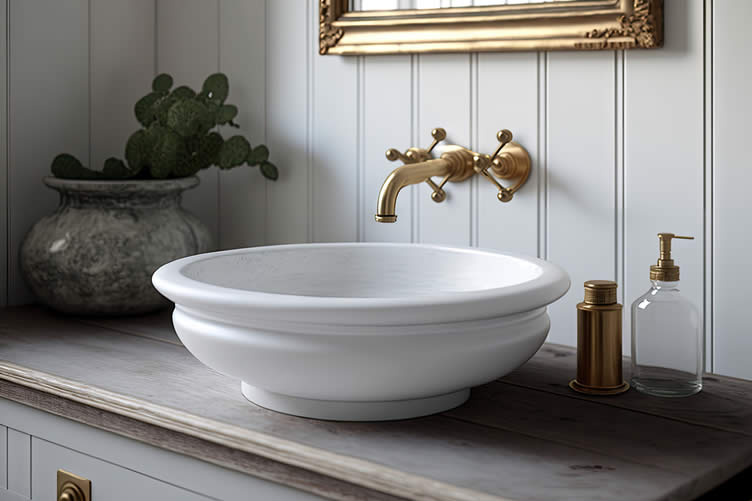
copyright image by 123rf.com
Master Your Makeover
Re-imagine your bathroom—or any room in your home—by changing its color to reflect your unique style and personality.
A fresh coat of paint can instantly revitalize a space, making it feel brighter, cozier, or more modern.
With the right tools and supplies, tackling a DIY paint project is easier than you might think.
From selecting high-quality brushes to choosing the perfect shade, you’ll have everything you need to create a room that truly feels like home.
view ideas: DIY Interior painting tools(new win)
DIY Replace and Install a New Bathroom Sink Faucet
Replacing a bathroom sink faucet might seem like a daunting task, but with the right tools and guidance, it’s a manageable DIY project that can instantly refresh your bathroom’s look and functionality.
Follow these simple steps to remove your old faucet and install a stylish new one, enhancing your sink with a touch of personalized charm.
-
Tools and Materials You’ll Need:[ faucet anatomy]
- Adjustable wrench
- Basin wrench
- Bucket
- Plumber’s tape
- Silicone sealant (optional)
- New faucet
- Towel or rag
-
Step-by-Step Instructions:
- Turn Off the Water Supply[ view]
Locate the shut-off valves under your sink and turn them clockwise to close. Turn on the faucet to release any remaining water in the lines. - Disconnect the Water Lines[ view]
Using an adjustable wrench or basin wrench, carefully loosen the nuts connecting the water supply lines to the faucet. Place a bucket underneath to catch any water drips. - Remove the Old Faucet[ view]
Unscrew the mounting nuts securing the faucet to the sink using a basin wrench. Gently lift the old faucet out of place. Clean the sink surface thoroughly to remove dirt or old sealant. - Install the New Faucet[ view]
Align the new faucet with the mounting holes on your sink. Secure it in place by tightening the provided mounting nuts underneath the sink. - Connect the Water Lines[ view]
Attach the water supply lines to the new faucet using an adjustable wrench. Be careful not to overtighten to avoid damaging the fittings. - Apply Silicone Sealant (Optional)[ view]
If recommended by the manufacturer, apply a thin bead of silicone sealant around the base of the faucet to ensure a watertight seal. - Turn the Water Supply Back On
Slowly turn the shut-off valves counterclockwise to reopen the water supply. Check for any leaks in the connections, and tighten as needed. - Test Your New Faucet
Turn on the faucet and check for proper water flow and temperature. Ensure all connections are secure and leak-free.
Replacing a faucet is a functional update that allows you to add both style and performance to your bathroom. By following these steps, you’ll have a fresh new faucet installed with confidence and ease!
- Turn Off the Water Supply[ view]
Step Description Tools/Materials Needed Turn Off the Water Supply Locate the shut-off valves under your sink and turn them clockwise to close. Turn on the faucet to release any remaining water in the lines. None Disconnect the Water Lines Carefully loosen the nuts connecting the water supply lines to the faucet using an adjustable wrench or basin wrench. Place a bucket underneath to catch any water drips. Adjustable wrench, Basin wrench, Bucket Remove the Old Faucet Unscrew the mounting nuts securing the faucet to the sink using a basin wrench. Lift the old faucet out and clean the sink surface thoroughly. Basin wrench, Towel or rag Install the New Faucet Align the new faucet with the mounting holes on your sink. Secure it in place by tightening the provided mounting nuts underneath the sink. New faucet Connect the Water Lines Attach the water supply lines to the new faucet using an adjustable wrench. Ensure not to overtighten to avoid damage. Adjustable wrench Apply Silicone Sealant (Optional) Apply a thin bead of silicone sealant around the base of the faucet, if recommended, to create a watertight seal. Silicone sealant Turn the Water Supply Back On Slowly turn the shut-off valves counterclockwise to reopen the water supply. Check for leaks and tighten connections as needed. None Test Your New Faucet Turn on the faucet and ensure proper water flow and temperature. Check that all connections are secure and leak-free. None 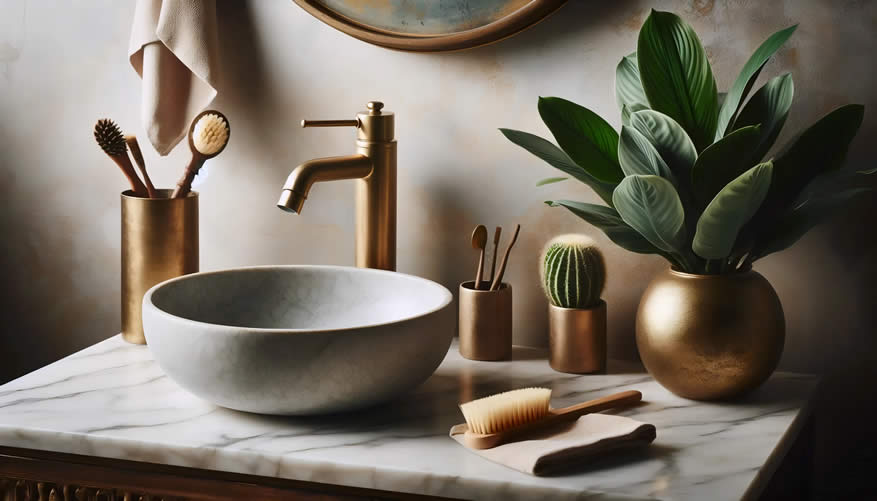
copyright image by 123rf.com
-
Scroll up to directory … or scroll to this last section of the bathroom faucet guide …
-
-




… view our home remodeling guides and steps


Calendar For:
Home Maintenance
File Type:

Are there any other interesting topics that might have been overlooked but could offer valuable insights …?


-
-
8th Note: Making Your Final Faucet Selection
With all the information about mounting styles, handle configurations, finishes, and features, you’re now equipped to make a confident faucet selection that enhances your bathroom’s functionality and appeal.
Start by assessing your sink’s hole configuration and determining which mounting styles are compatible. Consider your vanity size and sink type—vessel sinks need taller faucets, while compact vanities benefit from space-saving single-hole models.
Think about who uses the bathroom and whether single-handle convenience or two-handle precision better serves your household.
Evaluate which advanced features align with your priorities. If hygiene and water conservation matter most, touchless operation with WaterSense certification makes excellent sense.
If you’re drawn to distinctive aesthetics, waterfall or bridge styles might be worth the investment. Choose a finish that coordinates with existing bathroom hardware and suits your maintenance preferences.
Don’t overlook internal quality when comparing options. Ceramic disc valves offer the best longevity, while reputable brands provide better warranties and support. Factor installation requirements into your decision, being realistic about your DIY abilities versus when professional help makes sense.
Your bathroom faucet serves you every single day, making it worth the time to select thoughtfully. By matching the right mounting style to your sink, choosing handles that feel intuitive to operate, selecting finishes that complement your décor, and prioritizing quality construction, you’ll enjoy a faucet that performs beautifully for years to come.
Whether you’re completing a full bathroom renovation or simply upgrading a tired fixture, the perfect faucet is out there waiting to transform your daily routine into something more enjoyable.
- Quick scroll to note summaries …
Aspect Description Considerations Mounting Styles Options include single-hole, center-set, wall-mounted, and widespread configurations. Assess sink hole configuration and compatibility with your vanity size and sink type. Handle Configurations Includes single-handle models for convenience or two-handle models for precision. Determine usage needs for your household and preferences in functional operation. Finishes Available options range from chrome and brushed nickel to oil-rubbed bronze and more. Choose finishes that coordinate with existing hardware and align with maintenance preferences. Features Advanced options such as touchless operation, WaterSense certification, and waterfall or bridge styling. Consider hygiene, water conservation, and aesthetic preferences as priorities. Quality Focus on internal construction quality, such as ceramic disc valves, and reputable brands for longevity. Check warranties and support included with your chosen faucet for long-term satisfaction. Installation Consider the complexity of installation and whether DIY is feasible or professional assistance is needed. Ensure the faucet matches your skills or plan accordingly for external help. 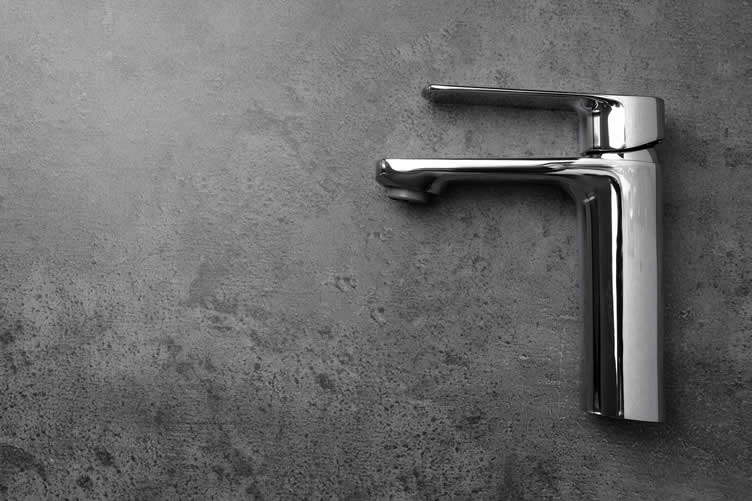
copyright image by 123rf.com
Planning Your Bathroom Remodel?
Thinking of remodeling your bathroom? Updating faucets, sinks, the tub, shower enclosure, lighting, and flooring can completely transform the space.
A thoughtful renovation enhances comfort and boosts your home’s value.
Download our Bathroom Remodeling Guide to explore options, compare styles, and create a budget for the best return on investment.
view ideas: bathroom remodeling plan(new win)
Why You Should Hire a Licensed Plumber
… for complex bathroom faucet installations
Updating your bathroom faucet can enhance both the functionality and aesthetic of your space, but some installations require more than DIY efforts.
When a project involves specialized installations or brand-new plumbing, hiring a licensed plumber ensures safety, efficiency, and long-lasting results.
Plumbing systems are intricate, and improper handling can lead to costly mistakes, water damage, or non-compliance with building codes. A professional brings the expertise and tools needed for a flawless installation.
-
What an Experienced Plumber Can Offer:
- Expertise in Complex Installations:
Properly handle challenging setups like wall-mounted faucets or dual-sink designs. - Compliance with Building Codes:
Ensure all plumbing work meets local regulations. - Advanced Problem-Solving:
Identify and address issues like leaks, water pressure inconsistencies, or outdated plumbing. - Time and Cost Efficiency:
Complete the installation quickly and accurately, reducing potential for future repairs. - Warranty Protection:
Safeguard your faucet investment with service guarantees.
- Expertise in Complex Installations:
-
Tips for Finding a Licensed Plumber:
- Check Online Reviews:
Look for verified customer feedback on platforms like Yelp or Google. - Request Recommendations:
Ask friends, family, or contractors for trusted referrals. - Verify Licensing:
Confirm the plumber is certified and insured in your region. - Compare Quotes:
Get multiple estimates to find the right fit for your budget and project needs. - Evaluate Experience:
Choose professionals who specialize in bathroom renovations or faucet installations.
- Check Online Reviews:
LetsRenovate has partnered with HomeAdvisor™, a renowned provider of highly-rated, carefully-vetted local plumbing contractors. Start your search here by choosing the type of plumbing service you need and entering your zip code to find local professionals.
copyright image by 123rf.com
But Wait!
Before searching for plumbing contractors, we recommend downloading this evaluation worksheet.
It will help you objectively assess and rank potential contractors by key factors like pricing, licensing, and referrals.

Evaluation Sheet
File Type:-
Scroll up to directory … or scroll to conclusion and references …
-
-
Conclusion
Selecting the ideal bathroom faucet requires careful consideration of various factors to ensure both functionality and style.
From choosing the right mounting type—whether widespread, centerset, or wall-mounted—to selecting handle configurations that suit your preferences, each decision plays a role in enhancing usability and design harmony.
The variety of styles and finishes available ensures there’s an option to match every aesthetic, from modern minimalism to timeless elegance. Prioritizing high-quality materials and thoughtful construction guarantees lasting performance, while understanding the installation process helps streamline your project.
By focusing on these elements, you can transform your bathroom with a faucet that seamlessly blends practicality with visual appeal.
Resource Citations
- Environmental Protection Agency WaterSense Program:
Water efficiency standards and certification for bathroom faucets - Moen Banbury Faucet:
Example of centerset faucet with brushed nickel finish and traditional design - Vigo Titus Wall-Mounted Faucet:
Example of wall-mounted faucet with WaterSense technology - Pfister Brea Waterfall Faucet:
Example of waterfall faucet with Pforever Seal technology and multiple finish options - Luxice Automatic Faucet:
Example of touchless sensor faucet with temperature adjustment features - Fantini Faucets:
Example of modern faucet designs with bright color options
- Environmental Protection Agency WaterSense Program:
-
Quick scroll to more bed n’ bath ideas …
-
ideas to view and compare from the photo above
- What comments can you share about
this bathroom faucet guide?

Budgeting Worksheet For Costing Bathroom Upgrades and Home Improvement Decisions
 File Type (excel)
… view our sharing links below for a quick "share the knowledge"
Find Plumbing Services Plumbing Issues Drain Clearing Septic/Sewers Water Heaters Pumps Water Softening top-rated, pre-screened local contractors FREE: download contractor selection enter zip code – powered by HomeAdvisor ™
Quick Contractor Guides selecting negotiating working with inspecting

Cover image credit: bathroom faucet guide by 123rf.com
end of post … please share it!
 |
did you find bathroom faucet guide helpful? If so, please share the article with your friends and family! |
Nice pic idea? Leave us a quick comment below.
And please share this pic idea within your social networks.