Summary Outline –
Hurricane season poses serious risks to families and homeowners living in vulnerable regions. Each year, storms bring the threat of powerful winds, flooding, and extended power outages.
With hurricane season beginning in June, the need for early and thorough preparation cannot be overstated.
This guide will help you understand the dangers, create an effective emergency plan, and protect your home, ensuring your family’s safety and resilience when the next storm threatens.
- post content … analysis/ prepare for hurricane season
- 1st: Understanding the Reality of Hurricane Risks
- 2nd: Steps to Secure Your Home During a Hurricane
- 3rd: Make a Family Emergency Plan
- 4th: Preparing Emergency Supplies and Documentation
- 5th: Staying Connected and Safe During a Hurricane
- 6th: Safely Recovering After the Storm Passes
- 7th: Preparing for Life After a Hurricane in an Unharmed Home
- 8th: Handling Hurricane Insurance Claims
- conclusion
- other home utility management topics

-
- —— begin first topic ——
-
1st Home Tip: Understanding the Reality of Hurricane Risks
Hurricanes are one of the most destructive natural disasters, posing a severe threat to life, property, and infrastructure in regions prone to their impact. While they are an annual occurrence for many coastal areas, the realities of their dangers often remain underestimated or misunderstood.
Preparing for hurricanes requires a clear understanding of the risks involved, including the storm’s intensity, the vulnerabilities of homes, the geographic location of properties, historical trends, and broader impacts.
This section breaks down some of the critical components of hurricane risks to provide actionable insights for homeowners, ensuring they can make informed decisions to protect themselves and their families.
-
The Reality of Hurricane Categories
Hurricanes are classified on the Saffir-Simpson Hurricane Wind Scale, which ranks storms from Category 1 through Category 5 based on their sustained wind speeds.
- Category 1:
- Wind Speed: 74-95 mph
- Very dangerous winds can produce some damage. Power outages may occur, and well-constructed homes could experience minor roof or siding damage.
- Category 2:
- Wind Speed: 96-110 mph
- Extremely dangerous winds will cause extensive damage. There is a significant risk of power loss, with major roof and siding damage to well-built structures.
- Category 3:
- Wind Speed:: 111-129 mph
- Devastating damage could occur. Well-built homes may sustain significant damage, with extensive power outages likely lasting weeks.
- Category 4:
- Wind Speed: 130-156 mph
- Catastrophic damage is expected. Most trees will be snapped or uprooted, power poles downed, and residential areas will become uninhabitable for weeks or longer.
- Category 5:
- Wind Speed: 157 mph or higher
- Catastrophic destruction will occur. Many structures will be destroyed, power infrastructure will be compromised for months, and areas may become uninhabitable for an extended time.
Each increase in category signifies an exponential rise in destructive potential, underscoring the need for preparedness regardless of a storm’s initial classification.
- Category 1:
-
Home Vulnerability and Building Standards
Homes vary significantly in their ability to withstand hurricane conditions. Older homes, particularly those constructed before updated hurricane-resistant building codes were implemented, are more likely to suffer extensive damage from high winds and flying debris.
Roofs, windows, and garage doors are some of the most vulnerable components of a structure. It is essential for homeowners to assess their properties for weaknesses and consider reinforcements like impact-resistant windows, hurricane shutters, and roof tie-downs.
These measures, while often costly, are critical investments that can dramatically reduce damage in the face of a storm.
-
Geographic Location and Risk Factors
Certain geographical areas are inherently more prone to hurricanes due to their proximity to warm ocean waters that fuel these storms.
The Gulf Coast, Atlantic Coast, and Caribbean regions are particularly vulnerable, with states such as Florida, Texas, and Louisiana experiencing some of the highest levels of hurricane activity historically.
Inland counties are not exempt from the impacts of storms, which can bring torrential rainfall and severe flooding far from coastal areas. In some cases, depending on the storm’s intensity, they may also experience destructive tornadoes.
Knowing the specific risks tied to a property’s location enables better planning and preparation, including evacuation routes and emergency shelter considerations.
-
Historical Probability of Storm Strikes
Historical data offers key insights into the probability of a strike in particular regions. For example, the National Oceanic and Atmospheric Administration (NOAA) reports that certain coastal cities, such as Miami and New Orleans, have faced multiple direct hurricane strikes over the decades.
However, complacency can be a severe risk; areas that have gone decades without a hurricane may still be at risk when conditions align. Staying informed about historical trends, paired with up-to-date weather monitoring during hurricane season, helps homeowners anticipate and prepare for storms.
-
Other Contributing Factors to Hurricane Impact
Beyond winds and rain, factors such as storm surge and flooding amplify the devastation hurricanes can cause. Storm surge, the rapid rise in water levels driven by strong winds and low atmospheric pressure, can engulf coastal areas, destroying homes and infrastructure in its path.
Similarly, prolonged rainfall can lead to inland flooding, which is frequently underestimated as a risk. Both can occur even in lower-category storms, making them critical hazards to watch regardless of a hurricane’s official classification.
Local authorities provide evacuation orders based on predicted storm impact. Knowing how to interpret these orders and understanding local emergency protocols can mean the difference between safety and disaster.
Listen to your city or county officials and always evacuate when directed. This proactive approach is both responsible and potentially lifesaving.
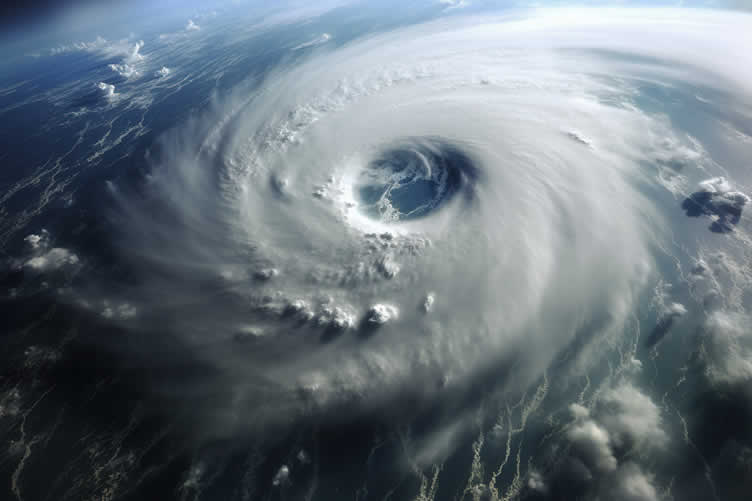
Risk Component Key Insights Hurricane Categories Intensity ranges from Category 1 to Category 5; damage potential grows exponentially with each level. Home Vulnerability Older structures are more susceptible; upgrades like reinforced windows and roofs mitigate damage. Geographic Location Coastal and Gulf regions face higher exposure; inland flooding risks are significant during storms. Historical Probability Historical trends highlight high-risk areas; however, even "quiet" regions remain vulnerable. Storm Surge and Flooding Surge impacts coastal zones, while heavy rain can cause extensive flooding in inland communities. 
copyright image by 123rf.com
[ hurricane center: nhc.noaa.gov ]
[ youtube: hurricanes 101 ]
-
Scroll up to directory … or scroll to next section of how to prepare for hurricane season …


-
-
2nd Home Tip: Steps to Secure Your Home During a Hurricane
Hurricanes are among the most destructive natural disasters, and preparing your home to withstand their impact can significantly reduce potential damage. Taking proactive steps to strengthen critical areas of your home and secure vulnerable aspects is essential for protecting your property and ensuring your safety.
The following guidance provides a comprehensive approach to fortifying your home against hurricane threats through well-delineated strategies.
-
Strengthen Windows and Doors
Windows and doors are among the most vulnerable entry points during a hurricane. Installing storm shutters or pre-cut plywood over windows can offer an additional layer of protection to prevent breakage caused by high winds or flying debris.
Upgrading to impact-resistant windows provides a more permanent solution, designed to withstand the force of debris and extreme wind. Ensure that exterior doors are hurricane-rated, with reinforced hinges and strong locking mechanisms capable of withstanding intense pressure.
Garage doors, which are often structurally weaker, should also be evaluated. Replacing old models with hurricane-rated garage doors provides better wind resistance and reduces the risk of structural damage caused by their failure.
-
Secure the Roof
A strong roof is a critical component of a hurricane-resistant home. Consider using hurricane straps or clips to secure the roof to the walls of the house, minimizing the risk of detachment during sustained high winds.
Inspect the roof for loose or damaged shingles and replace them to prevent water intrusion during heavy rains. Gable ends, often susceptible to wind damage, should be reinforced to increase stability.
Additionally, verify that your roof complies with current wind resistance codes and standards to ensure you’re adequately protected.
-
Prepare for Flooding
Flooding is a significant risk during hurricanes, particularly in areas with heavy rainfall or storm surges. Keeping gutters and downspouts clean and clear allows for proper drainage and prevents water from pooling around the foundation.
Sandbags or flood barriers can help direct water away from doors and low entry points. Sealing exterior wall openings, such as vents or cracks, can further prevent water infiltration.
Elevating utilities, such as HVAC systems and electrical panels, safeguards essential systems in the event of rising water levels.
-
Secure Outdoor Items
High winds during a hurricane can turn outdoor items into dangerous projectiles. Bringing loose items, such as patio furniture, grills, and decorative features, indoors reduces this risk.
Trimming trees and shrubs near your home can prevent branches from breaking and causing damage. Consider replacing gravel or rock landscaping with lighter, fire-resistant materials to reduce hazards from wind-driven debris.
Securing outdoor features protects both your home and neighboring properties.
-
Additional Considerations
It is essential to have an emergency plan in place and be aware of evacuation routes outlined by local authorities.
Ensuring that critical documents are stored in waterproof containers, having a generator with backup power, and creating an emergency kit with supplies for at least several days are all critical steps to enhance preparedness.
Area of Focus Actions to Take Windows and Doors Install storm shutters or pre-cut plywood, upgrade to impact windows, reinforce or upgrade garage doors. Roof Use hurricane straps or clips, replace loose shingles, reinforce gable ends, verify compliance with codes. Flooding Clean gutters and downspouts, use sandbags or flood barriers, seal wall openings, elevate critical utilities. Outdoor Items Bring furniture and grills inside, trim trees, replace gravel landscaping with safer materials. General Preparedness Develop emergency plans, secure documents, prepare emergency kits, and ensure backup power. 
copyright image by 123rf.com
[ view diagram: home hurricane preparedness ]
[ youtube: Anatomy of Hurricane Resistant Home ]
-
Scroll up to directory … or scroll to next section of how to prepare for hurricane season …
-
-
3rd Home Tip: Make a Family Emergency Plan
A family emergency plan is a critical component of hurricane preparedness. When severe weather strikes, clear communication and an established plan can make a life-saving difference.
Hurricanes often come with little warning, leaving residents with short timeframes to respond. A well-constructed plan ensures that every family member knows their role, safety routes, communication methods, and essential actions.
This guide breaks down the key steps to help you create a resilient, family-oriented emergency plan for hurricane events.
-
Establish Communication Methods
Open communication is the backbone of any effective emergency plan. Families should discuss how to stay connected before, during, and after a hurricane. Designate a primary and secondary communication method, such as phone calls, text messages, or email.
Additionally, choose an out-of-state contact that each family member can reach to relay their safety status if local communication is hindered.
Writing down emergency numbers and keeping them in easily accessible places – such as wallets, phones, and on the refrigerator – can be a vital lifeline in case of lost or damaged devices.
-
Design a Safe Meeting Location
Identify safe meeting locations both inside and outside your home. Inside your house, determine a secure room for sheltering during the hurricane, typically away from windows and on the lowest level.
For external emergencies, such as extensive flooding or structural damage, predetermine local spots like a nearby relative’s house, a community center, or a shelter. Discuss and rehearse routes to these locations with all family members.
When appropriate, include maps to account for potential obstructions or disorienting conditions during high winds and flooding events.
-
Plan for Evacuation
Understand evacuation orders and prepare accordingly. Consult local emergency management resources to determine evacuation zones in your area, and identify the fastest and safest routes to get to safety.
Fill your car’s gas tank ahead of a hurricane warning, and keep a small emergency bag in your vehicle for immediate departure. Ensure every family member is informed about where they should go, and consider carpooling arrangements if your household does not own personal vehicles.
Staying informed through trusted local alerts can ensure you evacuate at the most appropriate time.
-
Prepare for Pets or Service Animals
Do not overlook your pets or service animals as part of the emergency plan. Confirm that local emergency shelters allow animals or identify pet-friendly lodging ahead of time.
Keep your pet’s vaccination records, identification tags, carriers, and sufficient food and water in the emergency kit. Practicing evacuation procedures with your animals can help reduce stress for everyone involved when the time comes to relocate.
-
Review and Practice the Plan Regularly
A family emergency plan cannot be effective unless it is reviewed and practiced regularly. Schedule periodic family meetings to revisit the plan in detail and ensure all members are familiar with their roles and responsibilities.
Conduct simulations of different scenarios, such as practicing evacuation routes or safely sheltering in place. These drills not only improve the family’s readiness but also provide an opportunity to update the plan as circumstances or needs change.
-
Remain Calm and Stay Updated
Hurricanes are unpredictable events, and information may change rapidly. Stay calm and rely on verified sources such as the National Hurricane Center or local government alerts to make informed decisions.
Using multiple means of communication like weather apps or battery-powered radios can ensure access to continuous updates, evacuation orders, or critical safety advisories during the storm.
Aspect Key Details Communication Methods Establish primary and backup methods, designate an out-of-state contact, and store vital numbers. Safe Meeting Locations Choose indoor shelter areas and external meeting points, and review routes to these locations. Evacuation Planning Identify evacuation zones and routes, keep vehicles ready, and follow local evacuation orders. Pet and Service Animal Preparedness Ensure pet-friendly shelter arrangements, supplies, and practice relocating with animals. Reviewing and Practicing the Plan Regularly revisit and update the plan, conduct family drills, and adapt as changes arise. Staying Updated Follow verified sources like the National Hurricane Center for the latest storm information. 
AI generated image by 123rf.com
[ view diagram: hurricane evacuation plan ]
[ youtube: Emergency Preparedness: Hurricanes ]
-
Scroll up to directory … or scroll to next section of how to prepare for hurricane season …
-
-
4th Home Tip: Preparing Emergency Supplies and Documentation
Building a robust preparation plan for hurricanes is essential, and a critical part of this is ensuring that your household is equipped with the necessary emergency supplies and documentation.
Hurricanes can cause widespread power outages, flooding, and damage to infrastructure, making it difficult to access essential items or important information.
Having a well-stocked emergency kit alongside securely stored documents can help you and your family remain safe, sustain essential needs, and recover more quickly after the storm has passed.
By understanding what to prepare and why, you can create a more resilient household ready to face these severe weather events.
-
Emergency Supplies to Keep Your Household Safe
During a hurricane, access to food, water, and critical supplies can become limited or entirely unavailable. This is why assembling an emergency kit is one of the most important steps to take when facing a hurricane threat.
At a minimum, your emergency supply kit should include a three-day supply of non-perishable food and bottled water for each member of your household, as clean drinking water may become contaminated.
Medical supplies such as first-aid kits, prescription medications, and over-the-counter remedies should be packed in advance and readily accessible.
Other vital supplies include a flashlight with extra batteries, a battery-powered radio for emergency updates, and personal hygiene items to maintain cleanliness and prevent illness.
Don’t forget blankets, sturdy shoes, and clothing appropriate for varying weather conditions. It’s equally important to consider the unique needs of your household, such as infant formula, pet food, or backup power systems for medical devices.
-
Safeguarding Important Documents
Hurricanes don’t only pose a risk to physical safety—your important documents can be at risk as well if not adequately protected.
Crucial records like identification cards, Social Security documents, birth certificates, insurance policies, medical records, and property deeds should be stored in waterproof and fireproof containers to safeguard them against water damage or loss.
Digital copies are also highly recommended; scanning your key documents and saving them securely on a portable USB drive or in a secure cloud storage service ensures you retain access, even if physical copies are destroyed.
Additionally, creating an inventory of your personal property, including detailed descriptions and photographs, is especially helpful when filing insurance claims after hurricane-related damage.
Having these details prepared in advance not only speeds up the claims process but also provides a sense of control during an otherwise overwhelming time. Be sure to keep all documents organized and in one accessible location, ready to bring with you in case of evacuation.
-
Accessibility and Updates for Emergency Preparedness
To maximize the efficacy of your emergency supplies and documentation, regular updates and accessibility checks are vital. Non-perishable food, medications, and batteries have expiration dates; periodically reviewing your emergency kit prevents the risk of relying on expired or non-functional items in a crisis.
Likewise, reassess your list of documents to ensure all recent changes, such as new insurance policies or legal updates, are included. Accessibility is also key; make sure your emergency kit and document storage are easily reachable, even if you need to evacuate in a hurry.
It is also recommended to subscribe to local authorities’ alerts and warnings through reliable means such as wireless emergency alerts (WEA) or official government websites.
Keeping your preparation dynamic and proactive ensures your family’s emergency resources are as effective as possible when facing unpredictable challenges.
Category Details Emergency Supplies Three-day supply of water and non-perishable food, first-aid kit, flashlights, radios, medications, and hygiene items. Preserve Important Records Store ID, insurance policies, medical files, and documents in waterproof and fireproof containers. Consider digital backups. Review and Update Check items like food and batteries for expiration dates. Keep records and insurance policies current. Stay Alert Monitor official updates from weather services and local authorities for the most accurate guidance. 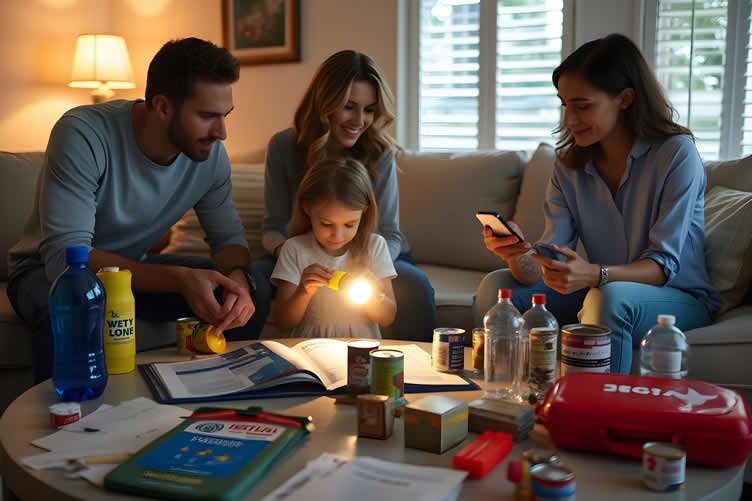
AI generated image by 123rf.com
-
Scroll up to directory … or scroll to next section of how to prepare for hurricane season …
-
-
5th Home Tip: Staying Connected and Safe During a Hurricane
Hurricanes are unpredictable, and maintaining effective communication and safety during such events is critical for ensuring your family’s well-being. Staying connected allows you to monitor real-time updates, communicate with emergency services, and coordinate with loved ones.
Furthermore, taking proactive safety measures based on expert recommendations minimizes risks and enhances your ability to respond effectively to changing conditions.
This section outlines essential aspects of staying connected, ensuring physical safety, and preparing for life during and after a hurricane.
-
Staying Connected
Staying connected during a hurricane is paramount when access to information and communication can mean the difference between safety and danger. Ensure all communication devices, such as smartphones, radios, and power banks, are fully charged before the storm arrives.
Utilize weather apps, official emergency services websites, and NOAA weather radio alerts to stay informed about hurricane tracks, evacuation zones, and shelter availability.
It is also vital to establish a communication plan with family members. Agree on a central contact person outside the storm-affected area, as they are more likely to have a stable connection to relay messages.
Text messages are often more reliable than phone calls during network congestion, so keep text services as your primary method of contact. Additionally, consider investing in a battery-powered or hand-crank radio, as these can provide you with critical updates when electric or cellular networks fail.
-
Ensuring Physical Safety
Prioritize your safety by adhering to evacuation orders and preparing for possible hazards like flooding, high winds, and debris. Secure doors, windows, and outdoor objects to minimize damage to your home.
If evacuation is necessary, follow designated routes provided by local authorities and avoid flooded roadways. For those remaining in their homes, designate an interior room with no windows as your safe zone, keeping an emergency kit, water, and nonperishable food supplies within reach.
If possible, equip your home with surge protectors to guard electrical appliances against sudden power surges caused by downed lines. Emergency lighting, such as flashlights, should be easily accessible in case of power outages.
-
Leveraging Technology and Networking
Modern technology offers invaluable tools for navigating hurricanes. Many communities have systems for emergency text alerts, and social media platforms often serve as useful secondary sources for updates about local events or areas in need of assistance.
However, always prioritize information from verified organizations, such as FEMA, the National Weather Service, and state or local emergency management agencies.
Additionally, GPS-based apps can assist in finding evacuation routes, the nearest shelters, or even medical assistance. While technology is beneficial, always have physical backups, such as printed maps, in case your electronic devices fail.
-
Post-Storm Safety and Communication
After the hurricane passes, maintaining caution is just as important. Avoid disaster areas unless absolutely necessary and notify local authorities if you observe downed power lines, gas leaks, or other hazards.
Check in with family and friends to confirm their safety and status. Report any damage to your property to insurers promptly, and document losses with photographs to streamline the claims process.
If you are assisting your community, utilize local networks to organize recovery efforts effectively. Working together and pooling resources can significantly accelerate recovery.
Area Key Actions Staying Connected Ensure devices are charged and use reliable sources like weather apps, NOAA alerts, and radios. Ensuring Safety Follow evacuation orders, secure homes, and establish interior safe zones with emergency kits. Leveraging Technology Use GPS apps and emergency alert systems but keep physical backups, such as maps, on hand. Post-Storm Communication Avoid hazards, check on loved ones, report damage promptly, and document property losses. 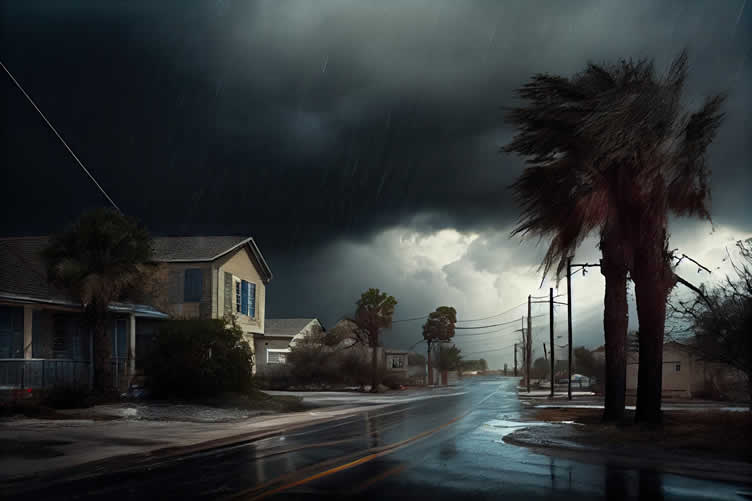
copyright image by 123rf.com
[ youtube: Staying Connected and Being Prepared ]
[ youtube: All You Have To Do To Stay SAFE ]
-
Scroll up to directory … or scroll to next section of how to prepare for hurricane season …
-
-
6th Home Tip: Safely Recovering After the Storm Passes
Recovering after a storm can be an overwhelming and dangerous process, requiring careful planning and informed actions to ensure safety and minimize further issues.
Once the immediate danger has passed, it’s crucial to proceed with caution, as post-storm conditions can still pose threats to health and property.
This section will guide you through essential recovery practices, helping you return to normalcy effectively and securely. By following these steps, you can mitigate risks associated with structural damage, water contamination, and mold growth while addressing necessary documentation for insurance purposes.
-
Return When It’s Safe
Before returning to your property after the storm, ensure that local officials have deemed it safe to do so. Hurricanes, floods, and other extreme weather events can leave hazardous conditions such as downed power lines, washed-out roads, and debris.
Stay informed via trusted sources like emergency management agencies or alert systems. Patience in waiting for clearance can prevent unnecessary hazards to your safety.
-
Only Enter Buildings After Assessing Structural Damage
Inspect buildings carefully before entering, as structures may have sustained damage that makes them unsafe. Walls, foundations, and roofs can be weakened, and there’s a risk of collapse.
If you notice any signs of instability, such as bending pillars, large cracks, or sagging ceilings, do not enter. Call a professional inspector or structural engineer to evaluate the safety of the building.
-
Addressing Water Damage and Preventing Mold Growth
Water intrusion creates a high risk for mold, which begins developing within 24-48 hours in moist environments. If your property has been affected by flooding or leaks, act quickly to reduce long-term damage.
Remove standing water as soon as it is safe to do so, and use fans, dehumidifiers, and ventilation to begin the drying process.
Pay special attention to porous materials like carpets, drywall, and furniture, as they are particularly susceptible to mold growth and may need to be discarded if thoroughly saturated.
-
The Drying Out Process
Drying your home thoroughly and efficiently is a critical step after water exposure. Open windows and doors if weather permits; use fans and industrial-grade dehumidifiers to reduce moisture levels.
Avoid sealing up areas too soon, as this can trap moisture and promote mold or mildew growth. Hard-to-reach spaces such as attics, basements, and behind walls should also be inspected, even if water damage seems minimal, to ensure nothing is overlooked.
-
Stay Protected in Standing Water
Standing water can be highly hazardous, as it may be contaminated with sewage, chemicals, or bacteria.
Always wear protective clothing, including waterproof boots and gloves, when entering such areas. Additionally, standing water may hide sharp debris or electrical hazards.
Avoid it entirely if the presence of downed power lines or electrical components is suspected. Contact local utility providers to address any electrical risks before proceeding.
-
Assess Damage for Insurance Purposes
Once it’s safe, document all damage thoroughly by taking clear photographs and videos of the affected property and belongings. This documentation will be essential for filing insurance claims.
Record specific details such as the type and extent of the damage and note the dates when the storm occurred and when the damage was discovered. Keep all related receipts for temporary repairs, lodging, and other storm-related expenses for the claim process.
-
Other Considerations for a Safe Recovery
During the recovery process, prioritize your health and well-being. Avoid overexertion, take regular breaks, and avoid drinking potentially contaminated water.
Listen to public health notices about water boil advisories or distribution centers for clean water if needed.
Additionally, seek professional help for repairs involving electricity, plumbing, or structural issues. These tasks can be dangerous without proper expertise and equipment.
Aspect Key Actions Returning Safely Wait for official clearance, monitor alerts, and avoid hazardous conditions like debris or floods. Assessing Structures Inspect for instability; call professionals if structural damage is suspected. Water Damage and Mold Remove standing water, use dehumidifiers, and discard porous materials if necessary. Drying Out Ventilate fully with fans and dehumidifiers; check hidden spaces for lingering moisture. Standing Water Risks Wear protective gear; avoid contact if contaminated or near electrical hazards. Insurance Documentation Capture photos/videos of damage; keep receipts and note all storm-related expenses. Additional Safety Tips Stay hydrated, follow health advisories, and hire professionals for complex repairs. 
copyright image by 123rf.com
[ youtube: When Is It Safe To Return Home ]
[ youtube: How hurricane debris gets cleaned up ]
-
Scroll up to directory … or scroll to next section of how to prepare for hurricane season …
-
-
7th Home Tip: Preparing for Life After a Hurricane
… if your home is unharmed
Even if your home was spared significant damage during a hurricane, the aftermath can still present numerous challenges that require preparation and resilience.
After the storm has passed, resources like power and water may be disrupted, transportation systems could be halted, and normal routines may take time to resume.
Responsibly addressing these potential obstacles and taking proactive measures can help you, your family, and your community recover more effectively. Below are essential areas to focus on once the immediate threat has passed.
-
Power Outages
Extended power outages are a common consequence of hurricanes, even for homes that are otherwise unaffected by physical damage. Prepare for prolonged outages by having flashlights, extra batteries, portable phone chargers, and camping lanterns readily available.
Reduce energy use by unplugging unnecessary appliances and keeping refrigerators and freezers closed as much as possible to preserve food.
If you have a generator, use it according to manufacturer guidelines and never operate it indoors due to the risk of carbon monoxide poisoning. Consider charging electronics when safe to do so and be cautious of downed power lines.
-
Community Water Impacted
Water systems can become compromised even when your home is undamaged. Municipal water supplies may be unsafe to drink or completely unavailable due to contamination or infrastructure damage.
Stockpile bottled water if possible and use a water purification method like boiling or filtration for cooking and drinking until local authorities declare the water supply safe.
It is also wise to limit water use for non-essential purposes and pay close attention to boil water advisories and other health warnings to avoid illnesses related to contaminated water sources.
-
Transportation Halted
Hurricanes often damage roads, bridges, and public transit systems. You may find that travel is disrupted or entirely inaccessible.
Plan alternative routes to critical locations, such as local hospitals or supply distribution centers, while also checking official reports on road conditions and closures.
If you must drive post-hurricane, exercise caution as roads may still be flooded, damaged, or obstructed by debris. Avoid unnecessary travel to allow emergency services and utility crews to access impacted areas more efficiently.
-
Limited Supplies
The aftermath of a hurricane often causes shortages in essential supplies, such as food, gasoline, and household items, due to disrupted supply chains and high demand.
Prepare by assessing and organizing the items you already have at home, including non-perishable food, first-aid kits, and medications. Avoid over-purchasing at this time to ensure supplies remain available for others in your community.
Practicing smart rationing and planning meals carefully will help you maximize what you have on hand until normal supply availability resumes.
-
Unable to Return to Work or School
Temporary closures of workplaces, schools, and childcare services are common following hurricanes, even for regions with minimal direct impact.
Use this time to focus on adaptive planning, whether that means setting up temporary home offices or creating a schedule for homeschooling or activities for children.
Stay informed by monitoring updates from employers and schools, and inquire about remote working options or alternative education resources if possible. Clear communication is key to easing transitions back to regular routines.
-
Being a Helpful Community Supporter
Supporting your community is one of the most meaningful actions you can take after a hurricane. Check on neighbors, particularly the elderly, disabled, or those living alone, to ensure they have the resources they need.
Volunteer at local shelters or donation distribution centers if you are able. Being compassionate during a time of crisis creates stronger networks of support that benefit everyone.
Sharing resources, information, or simply offering emotional support can have lasting positive effects during the recovery process.
-
Other Considerations
Every storm presents unique challenges, and it’s important to remain vigilant. Keep essential items, such as identification documents, keys, and a portable emergency kit, within easy reach in case of sudden evacuation orders.
Monitor local media and official outlets for updates on curfews, recovery timelines, or additional weather threats.
Keep in mind that the recovery period can be mentally and emotionally taxing; consider accessing counseling or helpline services as needed to manage stress and build resilience.
Focus Area Preparation Guidance Power Outages Use flashlights, conserve power, and operate generators safely outdoors. Community Water Impact Boil or purify water and follow health advisories for drinking and cooking. Transportation Halted Plan alternative routes and avoid unnecessary travel to clear roads for emergency crews. Limited Supplies Ration existing supplies and avoid panic buying to ensure availability for others. Unable to Return to Work/School Explore remote work/school options and maintain clear communication with employers and educators. Community Support Assist vulnerable neighbors, volunteer locally, and share resources compassionately. Other Considerations Keep emergency items on-hand and monitor updates for evolving situations. 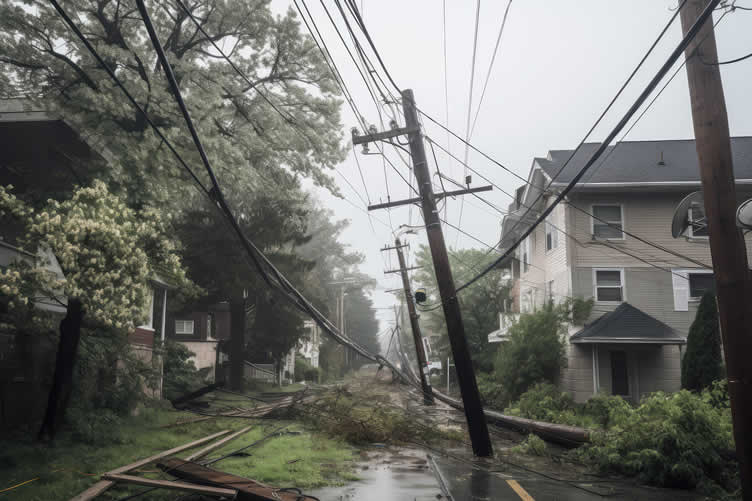
copyright image by 123rf.com
-
Scroll up to directory … or scroll to next section of how to prepare for hurricane season …
-
-
8th Home Tip: Handling Hurricane Insurance Claims
Navigating the aftermath of a hurricane can be overwhelming, especially when addressing damages to property. One of the most critical tasks after ensuring safety is filing and managing insurance claims to help mitigate financial losses.
This process requires a strategic approach, clear documentation, and knowledge of the steps involved to ensure fair compensation.
Below, we discuss key aspects of addressing and handling insurance claims, from filing to resolving disputes effectively.
-
Understanding Your Insurance Policy
Before filing a claim, it is essential to review your insurance policy to fully understand the scope of coverage. Policies often outline specifics such as coverage limits, deductibles, exclusions, and timelines for filing claims.
Many homeowners’ policies cover wind and storm damage but exclude flood damage, which is typically covered under separate flood insurance policies.
Assess whether your coverage includes repair or replacement costs and confirm the steps needed for filing a claim. If any information in the policy is unclear, contacting your insurance agent for clarification is advised.
-
Documenting Damages After the Hurricane
Once it is safe to inspect your property, begin documenting damages immediately. Take extensive photographs and videos of affected areas, including structural damage, water intrusion, and damaged personal belongings.
Maintain an inventory of all affected items, including their description, condition before the hurricane, and approximate value. This evidence will strengthen your case when communicating with your insurance provider and help prevent disputes or undervaluation during claim processing.
-
Filing Your Insurance Claim
Promptly notify your insurance company about the damages sustained. Many policies require claims to be filed within a specific timeframe.
Contact your agent or the insurer’s claims department, and provide an initial report of what occurred. Ensure you reference your policy number and include all requested documentation.
The insurer will send an adjuster to review the damages, so it is beneficial to accompany the adjuster during the inspection to ensure nothing is overlooked. Keep copies of all correspondence and records of the claim process.
-
Working with Insurance Adjusters
Insurance adjusters play a pivotal role in determining the damages and the extent of compensation. While public adjusters are employed by the insurance company, policyholders also have the option of hiring independent or public adjusters who advocate for the homeowner.
Be transparent with the adjuster, provide them with comprehensive documentation, and address any questions clearly. If discrepancies arise in their assessment, you may provide supplemental evidence to dispute their findings.
-
Resolving Claim Disputes
Disputes can occur if the policyholder and insurance company disagree on the claim’s value or coverage. If you face challenges, request a detailed written explanation for the denial or reduced payout.
Consider hiring a lawyer or public adjuster if necessary to negotiate on your behalf. Additionally, many states have regulatory bodies overseeing insurance practices where claimants can file complaints.
Mediation or arbitration may also be viable options to reach a settlement without resorting to prolonged legal proceedings.
-
Maintaining Communication and Preparedness
Throughout the claims process, clear and consistent communication with your insurer is paramount. Respond to follow-ups promptly and maintain meticulous records of all interactions.
Preparation is equally vital—keeping copies of your policy, receipts, and an itemized list of valuables can streamline the claims process in the future. Learning from past experiences and updating your coverage if necessary ensures better readiness for future storms.
Aspect Details Understanding Policy Review coverage specifics, including exclusions and limitations. Clarify uncertainties with your agent. Documenting Damages Take photos/videos of all damages and maintain an inventory of affected items for evidence. Filing Claims Notify the insurer promptly, provide detailed documentation, and accompany the adjuster during inspections. Working with Adjusters Share evidence with adjusters and consider hiring independent adjusters or legal help if disputes arise. Resolving Disputes Use additional documentation, legal support, or mediation to challenge denials or undervalued payouts. Communication & Preparedness Maintain clear correspondence with insurers and prepare for future claims by keeping comprehensive records. 
copyright image by 123rf.com
[ view diagram: hurricane insurance claims ]
[ youtube: Handle Your Insurance Claim Fast ]
-
Scroll up to directory … or scroll to conclusion …
-
-
Conclusion
Being proactive with hurricane preparation can protect your home and the people you cherish most. Review your emergency plan and update it every year before hurricane season begins.
Reinforce your home, stock critical supplies, and remain informed through trusted news and weather sources. Connect with your local emergency management office to access further guidance tailored to your community.
By prioritizing your family’s safety and your home’s resilience, you can face the next hurricane season with greater confidence and peace of mind.
-
Quick scroll to more interior home and decor ideas …
-
ideas to view and compare from the photo above
- What comments can you share about how to
prepare for hurricane season?


addressing how to prepare for hurricane season and other home improvement needs …
… grab this directory of ideas for future use



… remodeling decisions



SHARE IT ..! You might have someone in your social network who could find this informative post about to prepare for hurricane season valuable. Feel free to share it on Facebook, X (formally Twitter), LinkedIn, or Pinterest!



looking for other interesting topics that may be helpful …?


… view our home remodeling guides and steps

plan the specifications you need for making …

… key home improvement and remodeling decisions after a hurricane



Budgeting Worksheet For Costing Home Remodeling and Home Improvement Decisions
 File Type (excel)



Calendar For:
Home Maintenance
File Type:
… view illustration “becoming a bank”
Find Professional Services Abatement Services Junk Removal Site Preparation Recovery Services top-rated, pre-screened local contractors FREE: download contractor selection enter zip code – powered by HomeAdvisor ™
Quick Contractor Guides selecting negotiating working with inspecting

Cover image credit: prepare for hurricane season by 123rf.com
end of post … please share it!

Nice pic idea? Leave us a quick comment below.
And please share this pic idea within your social networks.