With early intervention and a proactive mindset, you can make your space resistant to bed bugs. If you’re looking for expert guidance or help, a reputable Bedford pest company can offer specialized solutions tailored to your local area.
Preventing bed bug infestations is a process that involves consistent vigilance and a series of small habits that, together, provide robust protection. Without these measures, it’s easy for bed bugs to gain a foothold and spread quickly before you notice their presence.
Strategic prevention not only protects your comfort but also safeguards your home’s hygiene and the well-being of your family. Bed bugs often enter homes through luggage, clothing, or furniture, making it crucial to remain alert to any warning signs and to address even minor concerns promptly.
If you approach prevention from a broader perspective, you may want to consider investing in regular pest control inspections and implementing integrated pest management methods. Partnering with professionals increases your chances of long-term success against stubborn infestations.
- post content
- Regular Inspection and Cleaning
- Declutter Your Living Spaces
- Be Cautious with Secondhand Items
- Protective Encasements for Bedding
- Heat Treatment for Fabrics
- Seal Cracks and Crevices
- Vigilance During Travel
- Professional Assistance
- conclusion
- view article:Super Bedbugs: How to Detect (new win)
- view notes:collective tips
- view ideas:latest remodeling analysis
Regular Inspection and Cleaning
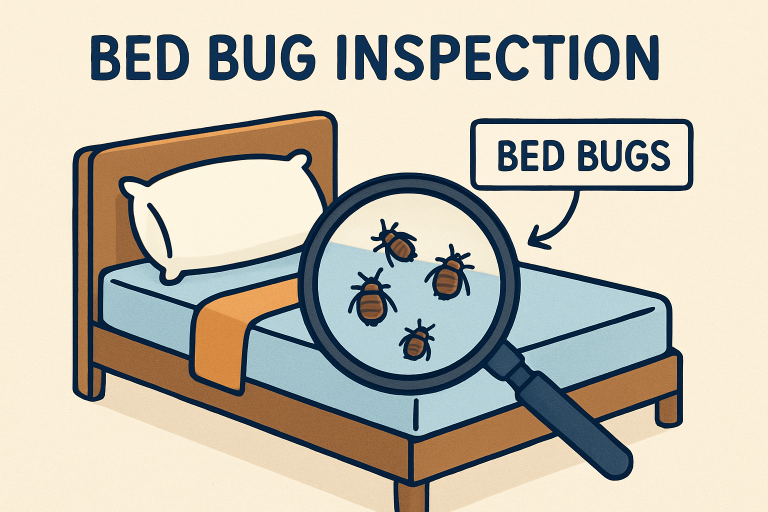
Consistent monitoring is your first line of defense against bed bugs. Schedule routine inspections in your sleeping areas, especially on mattresses, box springs, headboards, and bed frames.
Signs to watch for include live or dead bed bugs, tiny white eggs, molted skins, and dark or rust-colored fecal spots. Thorough vacuuming in these high-risk zones is crucial. Once you’ve vacuumed, seal the contents in a plastic bag and discard them in an outdoor waste bin to prevent recontamination.
Regularly washing bedding and curtains, and systematically cleaning the room, prevents the accumulation of debris and potential hiding spots for bed bugs. Use hot water and high heat settings to ensure that any hidden pests or eggs do not survive.

Declutter Your Living Spaces
Bed bugs excel at hiding in tight spaces. Reducing excess clutter in bedrooms, living areas, and storage spaces minimizes their potential habitat, making both detection and treatment easier.
Aim for orderly storage and avoid stacking boxes or possessions under the bed. This not only makes inspection easier but also helps you respond more swiftly if bed bugs are found.
Be Cautious with Secondhand Items
Furniture, mattresses, and clothing sourced from secondhand shops, yard sales, or curbside pickups are common sources of new infestations.
Before bringing any used items home, examine every seam, crack, or joint for signs of bed bugs. Employ a flashlight for deeper inspection, and when in doubt, err on the side of caution and decline questionable goods.
Protective Encasements for Bedding
Encase mattresses and box springs in specialty zippered covers designed to be bed bug-proof. These encasements, made from dense fabric with tightly sealed zippers, prevent bed bugs from hiding in the bed and make inspection easier.
Choose high-quality, durable options that resist tearing and can withstand regular cleaning.
Heat Treatment for Fabrics
Heat is deadly to bed bugs and their eggs. Routinely launder bed linens, pillowcases, and curtains in hot water, then dry on the highest temperature.
For non-washable or delicate items, run them in a dryer on high heat for at least 30 minutes. This measure is particularly important after travel or after guests stay overnight, as bed bugs can latch onto luggage and fabric items (CDC).
another interesting viewpoint

Identifying and Resolving a Home Pest Invasion
Dealing with a pest invasion at home can be both frustrating and challenging. Understanding how to identify common household pests and knowing effective methods to control them are crucial steps in maintaining a safe and comfortable living environment.
Seal Cracks and Crevices
Inspect your home’s baseboards, wall joints, electrical outlets, and furniture seams for small cracks or holes where bed bugs could enter or hide.
Use caulk to seal visible cracks and repair peeling wallpaper to minimize potential areas for infestation. This small home maintenance task eliminates many of the most common entry points for pests.
Vigilance During Travel
Hotels, motels, and even public transportation can be sources of bed bug exposure. Always inspect the headboard and mattress seams upon arrival, keep your luggage off beds and upholstered furniture, and use a luggage rack if provided.
Before returning home, seal clothing in plastic bags, then wash and dry them on high heat. Luggage itself can be cleaned with a handheld steamer or vacuum before storing.
Professional Assistance
Despite best efforts, bed bugs can still make their way into even the most well-maintained homes. If you see signs of bed bugs or suspect an infestation, contact a licensed pest control professional immediately.
Professionals have targeted products and experience in eradicating bed bugs and can help you implement a comprehensive prevention plan to protect your home in the future.
Final Thoughts
Preventing bed bug infestations requires a joint effort of vigilance, regular cleaning, careful storage practices, and a prompt response at the first sign of trouble. Consistently applying these strategies will help you keep your home protected, your family healthy, and your peace of mind intact.
Remember, early detection and intervention are your best defenses against these persistent pests.
other related analysis of interest: (new win)
From Deck to Dream Room: A Conversion Guide
Navigating Home Emergencies: A Comprehensive Guide to Urgent Repairs
Find Pest and Environmental Services Pest Control Lead-Mold-Radon Recovery Services Water Softening top-rated, pre-screened local contractors FREE: download contractor selection enter zip code – powered by HomeAdvisor ™


Image credit: bed bug infestations by 123rf.com
end of post … please share it!
| more photo remodeling |
Jump Over to Our Photo Analysis Center for Ideas on
"Renovating Home"
|__________________________________________________________|
home remodeling surprise
find out where it might go - new win


Helpful article? Leave us a quick comment below.
And please share this article within your social networks.