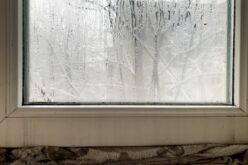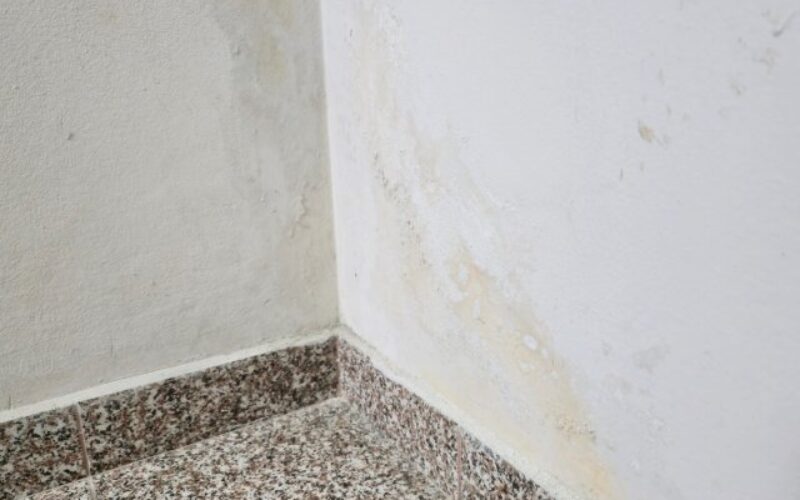

Moisture is a normal part of daily life at home. Cooking releases steam into the kitchen, showers fill bathrooms with humid air, and basements can experience damp conditions simply because of their location. Problems develop when that moisture remains trapped, repeatedly reaches vulnerable materials, or finds its way into places that were never designed to get wet.
Effective moisture management requires more than wiping up visible water. Ventilation, waterproofing, maintenance, material selection, and early repairs all contribute to keeping a house in good condition. Understanding ways to protect high-moisture areas throughout your home can help prevent deterioration while making bathrooms, kitchens, basements, and other frequently damp spaces easier to maintain.
Understand Where Moisture Problems Begin
Water-related damage does not always start with an obvious leak. Humid air can condense on cool surfaces, plumbing connections can develop slow drips, and water can gradually penetrate gaps around fixtures. These relatively minor conditions may continue unnoticed until they affect finishes or underlying materials.
Pay attention to spaces where water and humidity occur regularly. Bathrooms and kitchens are obvious examples, but laundry rooms, basements, mudrooms, and areas near exterior entrances can also face frequent moisture exposure. Recognizing these vulnerable locations makes it easier to plan appropriate protection instead of waiting for visible damage.
Improve Ventilation in Humid Rooms
Ventilation is one of the simplest ways to control indoor moisture. When humid air has nowhere to go, it can settle on walls, ceilings, cabinetry, windows, and other surfaces. Over time, repeated condensation can contribute to peeling finishes, staining, musty odors, and other unwanted conditions.
Bathroom exhaust fans should vent moisture outside rather than simply moving it elsewhere in the house. Kitchen ventilation can serve a similar purpose by removing steam generated during cooking. Running ventilation equipment long enough to clear lingering humidity is also important. Turning a bathroom fan off immediately after a shower, for example, may leave a considerable amount of moisture behind.
Natural airflow can help when weather conditions permit, but it should supplement rather than replace appropriate mechanical ventilation in rooms that routinely generate significant humidity.
Build Better Moisture Protection Behind Tile
Tile is frequently chosen for bathrooms, showers, backsplashes, and other areas exposed to water. Although the finished surface may appear highly resistant to moisture, a tiled assembly includes more than the visible tile. Grout joints, seams, corners, penetrations, and the materials underneath the tile all influence how well the installation handles repeated exposure.
In especially wet applications, waterproofing should be considered before the decorative surface is installed. Depending on the project, contractors may use tile waterproofing products and membranes to help create a protective layer beneath a finished tile installation. This underlying preparation is particularly important because damage behind tile can be difficult to identify and repair once a room is complete.
Proper installation matters just as much as choosing suitable materials. Transitions, corners, drains, seams, and fixture penetrations deserve careful attention because small gaps can become pathways for moisture.
Pay Attention to Caulk, Grout, and Seals
Bathrooms and kitchens contain numerous joints where different materials meet. Bathtubs connect with walls, countertops meet backsplashes, sinks meet counters, and shower components pass through tiled surfaces. These transitions may depend on flexible sealants or other protective details to limit water intrusion.
Caulk can crack, shrink, loosen, or separate as it ages. Grout may also develop cracks or deteriorate in heavily used areas. Periodic inspections make it easier to address these problems while they are still small.
Avoid assuming that every crack requires the same repair. Different joints experience different amounts of movement and moisture exposure, so the appropriate repair method depends on the location and surrounding materials. When damage repeatedly returns, it may indicate an underlying movement or moisture problem that deserves further investigation.
Keep Plumbing Problems From Becoming Structural Problems
A small plumbing leak can create disproportionately large problems when it continues unnoticed. Water beneath a sink, behind a toilet, near a washing machine, or around a water heater may reach flooring, cabinetry, drywall, or structural materials before anyone realizes something is wrong.
Check exposed plumbing connections periodically for corrosion, dripping, staining, or dampness. Cabinets beneath sinks are especially easy to overlook because leaks can remain hidden behind stored household items.
Pay attention to unexplained increases in water usage, recurring damp smells, stains, warped materials, or flooring that suddenly feels different underfoot. These signs do not automatically confirm a plumbing leak, but they justify taking a closer look before the situation progresses.
Manage Basement Humidity
Basements face a different set of moisture challenges than bathrooms. Because they are partially or entirely below ground, they may experience humidity, condensation, groundwater intrusion, or moisture entering through foundation materials.
Controlling basement moisture starts with determining where it comes from. Humid indoor air requires a different solution than water entering through a foundation crack. A dehumidifier may help maintain comfortable humidity levels, but it will not correct an active exterior drainage or foundation problem.
Exterior conditions also matter. Gutters, downspouts, and grading help move rainwater away from the foundation. When these systems are clogged, damaged, or poorly positioned, more water can collect near the house and increase the likelihood of moisture-related issues below grade.
Choose Materials With the Environment in Mind
Material selection should reflect how a room is actually used. A product that performs well in a dry bedroom may not be appropriate for a bathroom floor, laundry area, or basement.
Consider how often a surface will encounter water, how quickly it can dry, and how easily it can be maintained. Flooring, wall finishes, cabinetry, trim, adhesives, and underlayments can all respond differently to persistent humidity or direct water exposure.
This does not mean every surface in a moisture-prone room needs to be completely waterproof. Instead, protection should correspond to the level and type of exposure. A shower enclosure, for example, faces very different conditions than a bathroom wall located several feet away from the shower.
Make Moisture Management Part of Home Maintenance
A dry, durable home depends on multiple layers of protection rather than a single product or improvement. Good ventilation manages humid air, appropriate waterproofing protects vulnerable assemblies, plumbing maintenance reduces leak risks, and exterior drainage helps keep rainwater away from the structure.
Many ways to protect high-moisture areas throughout your home are most effective when they are treated as ongoing maintenance rather than one-time projects. Regularly checking seals, ventilation systems, plumbing connections, drainage components, and moisture-prone surfaces can reveal small problems before they require major repairs.
Moisture cannot be eliminated from everyday household life, nor does it need to be. The goal is to control where water goes, help damp areas dry properly, and protect materials that regularly encounter it. With thoughtful construction and consistent maintenance, high-moisture spaces can remain functional, comfortable, and durable for years.
Image Credentials: by Татьяна Швец, 1954946975
|__________________________________________________________|
home remodeling surprise
find out where it might go - new win


Helpful article? Leave us a quick comment below.
And please share this article within your social networks.