For individuals prone to seasonal allergies, it is critical to understand the emerging trends around allergens and explore effective strategies to minimize exposure, such as investing in high-quality air purifiers and optimizing home ventilation systems.
This article will take a closer look at the anticipated challenges of the 2025 allergy season, highlight the benefits of air purifiers and home ventilation systems, and share practical steps to manage allergies effectively.
Understanding the 2025 Allergy Season
The upcoming allergy season is anticipated to see higher pollen counts than in years past. This is largely due to factors such as warmer temperatures and shifting rain patterns, both of which are influenced by climate change.
These conditions are causing trees, grasses, and weeds to produce more pollen over longer periods. For allergy sufferers, this spells prolonged discomfort and increased allergen exposure.
-
Factors Influencing Pollen Levels
Rising global temperatures contribute to longer growing seasons for plants that produce allergenic pollen. Additionally, elevated carbon dioxide levels in the atmosphere are causing plants to produce more pollen overall.
Urbanization further exacerbates the problem by creating "heat islands" within cities, where pollen and air pollutants can linger and concentrate.
-
Regional Variations in Allergy Severity
Geography plays an important role in the severity of allergy symptoms. Some regions are more affected by specific types of pollen than others.
For instance, southern regions of the United States may see intense tree pollen in early spring, while northern areas may see a surge in grass pollen later in the season.
Understanding these regional differences can help allergy sufferers anticipate and prepare for their local challenges.


The Role of Air Purifiers in Allergy Management
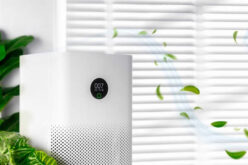
Filtering the air in your home can make a significant difference in reducing allergen exposure during the 2025 allergy season. Air purifiers work by removing airborne particles, such as pollen, dust, and pet dander, from the environment.
-
Types of Air Purifiers
There are several types of air purifiers available, each designed for specific needs. HEPA (High-Efficiency Particulate Air) purifiers are particularly effective for allergy sufferers, as they are capable of trapping 99.97% of particles as small as 0.3 microns.
Activated carbon purifiers are excellent for eliminating odors and volatile organic compounds (VOCs), while UV air purifiers use ultraviolet light to eliminate bacteria and viruses. Choosing the right type often depends on your specific allergy triggers and household requirements.
-
Choosing the Right Air Purifier
When selecting an air purifier, consider the size of the room it will be used in and the specific allergens you want to target. For larger spaces, opt for a purifier with a higher Clean Air Delivery Rate (CADR).
Additionally, look for models that include features like multiple filter stages and quiet operation, as this will create a more comfortable environment for everyday use.
Home Ventilation Systems for Improved Air Quality
While air purifiers are fantastic for removing airborne allergens, home ventilation systems play an equally critical role in maintaining good air quality. Proper ventilation is essential for diluting indoor allergens and ensuring a steady supply of fresh air.
-
Types of Ventilation Systems
There are three main types of home ventilation systems, each with its benefits:
- Natural Ventilation relies on windows and doors to allow air to flow naturally. While this is the simplest method, it is not ideal during high pollen seasons.
- Mechanical Ventilation uses fans and ducts to circulate air. Systems like exhaust fans are particularly effective in removing indoor pollutants.
- Balanced Ventilation combines fresh air intake and exhaust mechanisms, often using heat or energy recovery to minimize energy loss. This system can be a seamless option for year-round use.
-
Optimizing Home Ventilation
To minimize allergen exposure, take steps to optimize your home ventilation system. Ensure that vents and ducts are clean and replace any filters regularly.
Consider integrating a HEPA filter into your HVAC system for additional protection. During peak pollen seasons, keep windows and doors closed to prevent allergens from entering your home while relying on mechanical ventilation to maintain airflow.

Combating Indoor Air Pollution for Better Home Improvement
We tend to associate air pollution primarily with exhaust fumes or industrial emissions, but the truth is, that the air inside our homes can be just as tainted, if not more so.
Additional Tips for Managing Allergy Symptoms
Beyond air purifiers and ventilation, there are several other ways to lessen allergy symptoms and improve overall comfort during the 2025 allergy season.
-
Lifestyle Adjustments
Simple adjustments to your daily habits can reduce allergen exposure. Showering and changing clothes after spending time outdoors can help minimize the pollen you bring inside.
Vacuuming regularly with a vacuum cleaner equipped with a HEPA filter will reduce dust and pet dander in your living spaces.
-
The Role of Diet and Hydration
Certain foods, rich in natural antihistamines and anti-inflammatory properties, may help ease allergy symptoms.
For example, foods high in vitamin C, such as oranges and broccoli, can support your immune system. Staying well-hydrated is equally essential, as it helps thin mucus and ease congestion caused by allergens.
-
Consulting Healthcare Professionals
If your allergy symptoms are severe, it’s advisable to consult an allergist or healthcare professional. They can perform tests to identify specific triggers and recommend treatments such as antihistamines, nasal sprays, or immunotherapy.
A personalized approach to your allergy management guarantees better outcomes throughout the season.
Proactive Allergy Management for a Healthier Season Ahead
The 2025 allergy season may present unique challenges, but with preparation and the right tools, allergy sufferers can minimize their symptoms and enjoy better air quality.
By understanding pollen patterns, investing in an effective air purifier, optimizing home ventilation, and adopting healthy lifestyle habits, you can protect yourself and your family from the worst effects of seasonal allergens.
Take control of your environment and make proactive decisions to improve your overall comfort during this allergy season. With high pollen counts on the rise, there’s no better time to equip your home with the tools that will help you breathe easier.
other related analysis of interest: (new win)
Maximizing Space: Smart Storage Ideas for Small Homes
Thinking of Installing an Underground Automated Irrigation System? Here’s What You Need to Know
Find HVAC Services Air Conditioning Central Heating Ducts & Vents Insulation Thermostats Water Heaters top-rated, pre-screened local contractors FREE: download contractor selection enter zip code – powered by HomeAdvisor ™


Image credit: by envato.com
end of post … please share it!
| more photo remodeling |
Jump Over to Our Photo Analysis Center for Ideas on
"Renovating Home"
|__________________________________________________________|
home remodeling surprise
find out where it might go - new win


Helpful article? Leave us a quick comment below.
And please share this article within your social networks.