The average family uses more water than necessary simply because they haven’t addressed the inefficiencies hiding in their home. Reducing water consumption doesn’t require major renovations or significant lifestyle changes.
This guide walks you through practical, straightforward strategies that can produce noticeable savings on your monthly bill.
- post content
- 1. Fix Leaks and Drips Promptly
- 2. Upgrade to Water-Efficient Fixtures
- 3. Adjust Your Daily Habits and Routines
- 4. Insulate Your Hot Water Pipes
- 5. Monitor Your Water Usage and Adjust Accordingly
- conclusion
- view notes:collective tips
- view analysis:How to Save Energy in Your Home
- view ideas:latest remodeling analysis
1. Fix Leaks and Drips Promptly
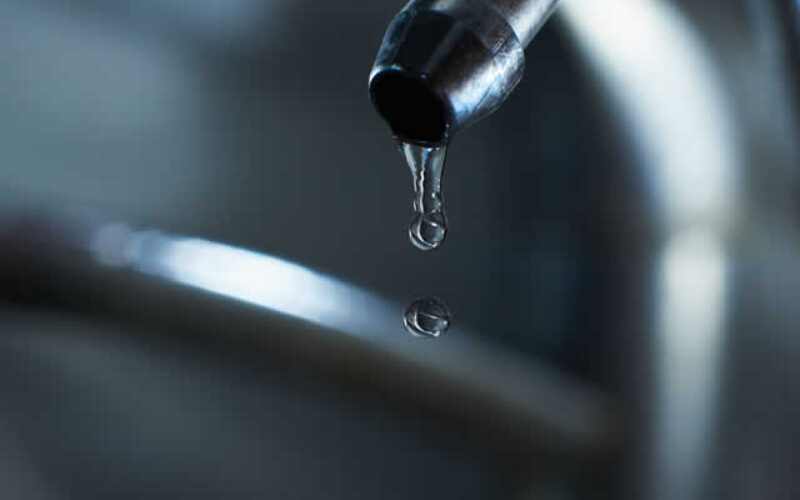
Leaks are one of the biggest culprits behind high water bills, yet many homeowners ignore them for months or years. A single dripping faucet might seem harmless, but it wastes thousands of gallons annually. Even small leaks under sinks, around toilet bases, or in outdoor faucets add up quickly.
The Environmental Protection Agency estimates that household leaks waste more than one trillion gallons of water each year across the United States, making leak detection a top priority for any household serious about conservation.
Start by checking all visible faucets, showerheads, and outdoor spigots for obvious drips or moisture. Look under kitchen and bathroom sinks for puddles or water stains on cabinet wood. Listen for running water in your toilet tank even when no one is using the bathroom, as this indicates an internal leak.
Once you identify a leak, don’t put off the repair. Depending on the source, you might tighten a connection, replace a washer, or call a plumber. The cost of repair is almost always less than the water you’ll waste while delaying the fix.

2. Upgrade to Water-Efficient Fixtures
Older toilets, faucets, and showerheads consume far more water than modern alternatives. Fixtures installed before 1992 were not subject to federal efficiency standards, meaning they often use twice as much water as newer models.
Replacing these older fixtures with water-efficient versions reduces consumption without sacrificing performance or comfort. Modern low-flow toilets use as little as 1.28 gallons per flush compared to 3.5 to 7 gallons in older models, representing a dramatic decrease in water usage.
Upgrading showerheads to low-flow versions is one of the easiest changes you can make. Standard showerheads release 5 to 8 gallons per minute, while low-flow models deliver 2 to 2.5 gallons per minute. The difference in water pressure is minimal, but the savings accumulate quickly over time.
Kitchen and bathroom faucets can also be replaced with aerator-equipped models that reduce flow without noticeably affecting usability. Many utility companies offer rebates or incentives for upgrading to water-efficient fixtures, making the upfront investment more affordable.
Your local water provider may list available programs and eligibility requirements on its website or through its customer service line.
how about saving home energy

How to Save Energy in Your Home
As utility rates fluctuate and environmental awareness grows, finding practical ways to reduce your energy consumption has become a priority for mindful homeowners.
3. Adjust Your Daily Habits and Routines
Water waste often stems from ingrained habits that consume resources without necessity. Shortening showers by just a few minutes each day can save several gallons per person, per day. Turning off the faucet while brushing your teeth, washing dishes, or soaping your hands prevents water from running unnecessarily down the drain.
Many people leave water running out of convenience rather than need, simply because they’ve never considered the waste involved.
In the kitchen, run dishwashers and laundry machines only when they have full loads. These appliances use roughly the same amount of water regardless of how full they are, so filling them completely maximizes efficiency per load.
Hand-washing dishes under a running faucet uses significantly more water than loading a modern dishwasher. Outdoors, water landscaping during early morning or evening hours to reduce evaporation loss.
If you have outdoor areas or a garden, homeowners who collect rainwater for irrigation rely on durable rainwater tanks to store larger volumes efficiently and reduce dependence on municipal water supplies throughout the growing season.
These behavioral adjustments require minimal effort but produce real savings when practiced consistently across your household.
4. Insulate Your Hot Water Pipes
Heat loss through uninsulated hot water pipes forces your water heater to work harder and waste energy. When pipes run through unheated spaces like crawl spaces, basements, or exterior walls, they cool down quickly.
This means you’re paying to heat water multiple times before it reaches your tap. Insulating these pipes reduces heat loss and gets hot water to your faucets faster, which means less cold water waste as you wait for the tap to warm up.
Pipe insulation is inexpensive and straightforward to install yourself. You can purchase foam pipe wrap or fiberglass sleeves at any hardware store and apply them to exposed pipes. Focus on pipes in unheated areas first, as they experience the most heat loss.
Insulating hot water pipes typically reduces water heater energy consumption by 5 to 10 percent, according to the Department of Energy. The added benefit is that you’ll spend less time waiting for hot water to arrive, which means less wasted cold water running down the drain.
This improvement pays for itself relatively quickly through reduced water and heating bills combined.
5. Monitor Your Water Usage and Adjust Accordingly
Tracking water consumption helps you identify problem areas and measure the impact of your conservation efforts. Most water meters have a display you can read to monitor real-time usage or check between billing cycles.
Taking meter readings at the start and end of a week gives you a baseline for comparison. When you implement changes, subsequent readings will show whether your efforts are producing results.
Some water companies provide online portals or smartphone apps that display your usage patterns and flag unusual spikes. These tools help you spot leaks or wasteful periods more quickly than waiting for your monthly bill.
Compare your household’s water usage to similar homes in your area to see if you’re above average. If your usage seems high, review your daily habits and fixture efficiency to identify specific improvements.
Over time, consistent monitoring creates awareness that naturally encourages conservation. The data also helps you set realistic savings goals and gauge progress as your bill decreases.
Conclusion
Lowering your water bill doesn’t require drastic changes or expensive overhauls. By addressing leaks, upgrading fixtures, adjusting daily habits, improving pipe insulation, and monitoring usage, you can achieve meaningful reductions in water consumption.
Each of these strategies works independently, but they’re most effective when combined. Start with the changes that require minimal investment or effort, such as fixing leaks and adjusting your shower duration.
As those habits become routine, move on to fixture upgrades or pipe insulation. The cumulative effect of multiple small improvements will be reflected in a noticeably lower water bill while contributing to broader water conservation efforts.
home improvement ideas to consider (complete directory – new win):


Find Plumbing Services Plumbing Issues Drain Clearing Septic/Sewers Water Heaters Pumps Water Softening top-rated, pre-screened local contractors FREE: download contractor selection enter zip code – powered by HomeAdvisor ™


Image credit: lower your home’s water bill by envato.com
end of post … please share it!
| more photo remodeling |
Jump Over to Our Photo Analysis Center for Ideas on
"Renovating Home"
|__________________________________________________________|
home remodeling surprise
find out where it might go - new win


Helpful article? Leave us a quick comment below.
And please share this article within your social networks.