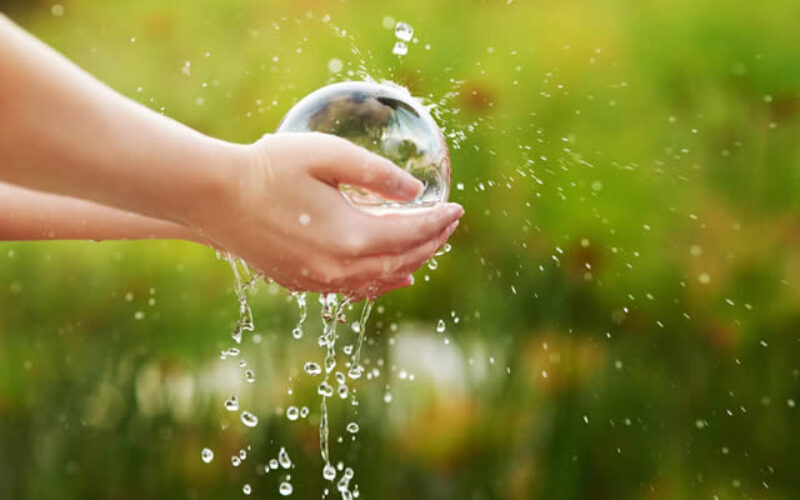
It is a moment of reckoning for many homeowners when they realize just how much of this precious resource flows through their property every month, often unnecessarily.
Conservation is about more than just lowering monthly expenses; it is about stewarding a vital resource for the future and creating a home that operates in harmony with the environment.
When we reduce our water footprint, we contribute to the health of our local ecosystems and ensure that clean water remains accessible for our communities. It is a small but powerful way to care for the world outside our windows while improving the efficiency of the world within our walls.
In this guide, we will walk through the rooms of your home and the corners of your garden to identify the appliances and habits that consume the most water.
By understanding where your water goes, from the highest consumers to the lowest, you can make informed decisions about upgrades and behavioral changes. Together, we can transform your household into a model of efficiency, saving you money and protecting our planet one drop at a time.
- post content
- Identifying Major Household Water Consumers
- Identifying Major Garden Water Consumers
- Implementing Water Conservation Strategies
- Stewardship Starts at Home
- view table:content summary
- view notes:collective tips
- view ideas:latest remodeling analysis
- view post (new win):Importance of Clean Home Drinking Water
Identifying Major Household Water Consumers
When assessing the primary sources of water use within a home, fixtures such as toilets, showers, and washing machines often top the list. These everyday essentials contribute significantly to overall consumption, making them key areas to target for upgrades or efficiency improvements.
By prioritizing these high-usage areas, homeowners can not only reduce their water bills but also make meaningful progress toward sustainable living.
-
The Hidden Cost of Older Toilets
It might surprise you to learn that the humble toilet is often the single largest consumer of water in an average household. Older models, particularly those manufactured before current efficiency standards were put in place, can use up to six gallons per flush.
In a busy family home, those flushes add up rapidly, accounting for nearly 30% of total indoor water use. This is a staggering amount for a single fixture, yet it offers one of the most straightforward opportunities for improvement.
Upgrading to a high-efficiency toilet can dramatically reduce this consumption.Modern WaterSense-labeled toilets use 1.28 gallons or less per flush, compared to older models that average 3.5 to 5 gallons. They deliver strong performance while significantly reducing water usage.
This simple swap can save a family of four thousands of gallons of water annually. If a full replacement isn’t currently in the budget, you might consider installing a dual-flush converter kit or placing a displacement bag in the tank to reduce the volume of water used per flush.
-
The Impact of Long Showers
The shower is a sanctuary for many, a place to wake up in the morning or unwind after a long day. However, standard showerheads can flow at a rate of 2.5 gallons per minute, meaning a relaxing 10-minute shower consumes 25 gallons of water.
When multiplied by every member of the household, daily showers quickly become a significant drain on resources.
Fortunately, you do not have to sacrifice water pressure to save water. Low-flow showerheads are designed to aerate the water, maintaining a strong, satisfying spray while using significantly less liquid—often around 1.75 gallons per minute or less.
Coupling this hardware upgrade with a mindful effort to shorten shower times by even a few minutes can lead to substantial savings without compromising your daily comfort.
-
Rethinking Laundry Routines
Washing machines are the workhorses of the modern home, but traditional top-loading models are notoriously thirsty. These older units often require the tub to fill completely with water for both the wash and rinse cycles, using approximately 40 gallons per load.
For families doing multiple loads a week, this consumption rivals that of the bathroom fixtures.
High-efficiency front-loading washing machines operate differently, tumbling clothes through a smaller pool of water rather than submerging them entirely. These models can clean clothes effectively using anywhere from 13 to 25 gallons per load.
Beyond the machine itself, optimizing how you do laundry makes a difference. Waiting until you have a full load before running the machine ensures that every gallon is used productively.
-
The Drip of Leaky Faucets
Even minor leaks can lead to significant water waste over time, driving up utility bills and harming the environment. A dripping faucet or a running toilet might seem insignificant, but these small issues can waste gallons of water each day if left unaddressed.
Fixing leaks promptly not only conserves water but also prevents potential damage to your home caused by prolonged water exposure.
Additionally, installing water meters can be a valuable step in detecting hidden leaks and monitoring water usage. Many modern water meters can alert you to unusual water consumption patterns, helping you identify problems before they escalate.
By adopting this proactive approach, you can save water, reduce costs, and maintain the overall efficiency of your home’s water system. It’s a simple yet impactful way to protect both your household and the environment.
-
Modern Dishwashing Efficiency
There is a persistent myth that washing dishes by hand saves water, but modern technology has largely proven this wrong. Hand washing can use up to 27 gallons of water if the tap is left running, whereas a standard Energy Star-certified dishwasher uses as little as 3 gallons per cycle.
To maximize efficiency, skip the pre-rinsing step, as most modern machines are powerful enough to handle soiled dishes without it. Simply scraping food scraps into the compost bin is sufficient.
Additionally, running the dishwasher only when it is fully loaded ensures you get the most cleaning power out of every drop of water and kilowatt of energy.
more info below

Revolutionizing Home Water Use: The Rise of Smart Toilets
Water conservation has become a critical priority in addressing global environmental challenges. By installing a water-saving smart toilet, households can significantly reduce water waste while maintaining optimal functionality and comfort.

Identifying Major Garden Water Consumers
When evaluating water consumption in your garden, it’s essential to identify the areas or plants that require the most resources. Lawn irrigation, for example, often accounts for the highest water usage in outdoor spaces, especially during the warmer months.
High-maintenance plants and inefficient watering practices, such as using sprinklers during peak sunlight hours, can also contribute to excessive water use.
By focusing on drought-resistant plants, using mulch to retain soil moisture, and implementing drip irrigation systems, you can significantly reduce unnecessary water consumption while keeping your garden healthy and thriving.
-
The Thirst of Lawn Irrigation
Stepping outside, we find that landscape irrigation is often the largest component of household water use, especially during the summer months. Maintaining a lush, green lawn with traditional sprinkler systems is incredibly water-intensive, as much of the water is lost to evaporation or runoff before it ever reaches the grass roots.
Drip irrigation systems and soaker hoses offer a much more efficient alternative. By delivering water directly to the soil at the base of the plants, these systems minimize evaporation and ensure that the water goes exactly where it is needed.
For those dedicated to their lawns, consider reducing the size of the turf area or replacing thirsty grass varieties with drought-tolerant ground covers that require far less moisture to thrive.
-
Managing Hoses and Sprinklers
A standard garden hose can release water at a rate of up to 10 gallons per minute. Leaving a hose running while washing the car or forgetting to turn off a manual sprinkler can result in immense waste very quickly.
Inefficient watering techniques, such as watering during the heat of the day, further exacerbate the problem as the sun evaporates the moisture before plants can absorb it.
Using a hose nozzle with a shut-off valve is a simple tool that prevents water from flowing when not in use. For gardens, installing timers on your spigots ensures that watering happens on a schedule and for a set duration, preventing accidental overwatering.
Adjusting your watering schedule based on recent rainfall and cooler weather helps align your garden’s care with the natural environment.
-
Swimming Pool Maintenance
Swimming pools are a delightful luxury, but they are subject to significant water loss through evaporation, splashing, and leaks. An uncovered pool can lose hundreds of gallons of water a week to evaporation alone, particularly in hot, dry climates.
Using a pool cover when the pool is not in use is the single most effective way to reduce evaporation. It also helps keep the pool clean, reducing the need for chemical treatments and backwashing filters.
Regularly checking for leaks in the pool liner and plumbing system is crucial, as even a small crack can lead to substantial water loss over time.
more info below

Thinking of Installing an Underground Automated Irrigation System? Here’s What You Need to Know
Maintaining a lush and thriving yard or garden can be time-consuming, especially when it comes to consistent watering. This guide will walk you through the process of installing an automated irrigation system, a convenient solution to ensure your plants receive the right amount of water without the daily hassle.
Implementing Water Conservation Strategies
Water conservation is an essential aspect of maintaining an efficient and sustainable home. By adopting practical strategies, homeowners can significantly reduce water usage, lower utility bills, and contribute to preserving this precious resource for future generations.
Implementing water-saving practices not only enhances your home’s functionality but also supports eco-friendly living, aligning with a growing commitment to environmental responsibility.
The following steps provide straightforward yet effective ways to improve water efficiency and create meaningful change within your household.
-
Investing in WaterSense Appliances
When it comes time to replace old appliances, look for the WaterSense label. This certification from the EPA indicates that the product meets strict efficiency and performance criteria.
While the upfront cost of a high-efficiency washing machine or dishwasher might be higher, the long-term savings on your water and energy bills often pay for the investment. It is a financial decision that doubles as an environmental commitment.
-
Cultivating Water-Wise Habits
Technology plays a huge role in conservation, but our daily behaviors are the driving force behind long-term change. Simple actions, such as turning off the tap while brushing teeth, taking shorter showers, and only running full loads of laundry, accumulate into massive savings.
Encouraging the whole family to participate creates a culture of mindfulness. Children, in particular, are eager to help when they understand that they are protecting the planet.
-
Harnessing the Rain
Nature provides us with a free source of water that is perfect for our gardens. Rainwater harvesting involves collecting runoff from your roof in a barrel or cistern. This water, free of the chlorine and fluoride found in municipal supplies, is excellent for watering plants and washing cars.
Setting up a rain barrel is a relatively simple weekend project that connects your home’s cycle directly to the local weather patterns, further reducing your reliance on the municipal supply.
more info below

How To Save Water At Home
Water is a precious commodity – and too often we take it for granted. When you turn on the spigot, have you ever considered where the clean water comes from and how it is distributed to your home? And what happens if that water dries up due to drought or other situation? Then what!
Stewardship Starts at Home
Conserving water is a journey of awareness and action. By identifying the high-consumption areas in our homes and gardens, we empower ourselves to make changes that matter.
Whether it is swapping out an old toilet, fixing a leaky faucet, or simply turning off the tap a little sooner, every effort counts.
These changes do not just lower our bills; they deepen our connection to the environment and demonstrate care for the resources we share. Let us embrace these practices, transforming our homes into efficient sanctuaries that respect the precious gift of water.
other related analysis of interest: (new win)
Is Your Yard a Swamp? Master Your Home Drainage System
Complete Guide to Home Doors Types: Exterior, Interior & Patio Options
| Section | Content | Key Insight |
|---|---|---|
| Introduction | Explains how water flows into homes, the unnoticed consumption, and the importance of conservation for financial and environmental benefits. | Awareness of water usage is the first step in reducing waste and contributing to sustainability. |
| Household Water Consumers | Highlights major water-consuming areas like toilets, showers, washing machines, and faucets, while offering actionable upgrades for efficiency. | Targeting high-usage fixtures can drastically reduce water consumption and utility costs. |
| Efficient Appliances | Discusses the advantages of high-efficiency appliances such as modern toilets, showerheads, and dishwashers certified with WaterSense or Energy Star labels. | Investing in efficient appliances saves resources and reduces long-term bills. |
| Garden & Outdoor Water Use | Explores outdoor water consumption, including lawns, irrigation, and pool maintenance, with a focus on reducing waste using efficient tools and practices. | Drip irrigation and drought-resistant landscaping are effective ways to conserve water outdoors. |
| Behavioral Changes | Encourages simple habits like turning off taps, shortening showers, and fixing leaks promptly to complement technological upgrades. | Mindful actions by household members amplify conservation efforts over time. |
| Rainwater Harvesting | Promotes the use of rainwater collection systems as a sustainable alternative for watering gardens and washing outdoor areas. | Aligning with natural water sources reduces reliance on municipal supplies. |
| Stewardship | Concludes with a call for greater awareness and responsibility in water usage, emphasizing collective impact and environmental care. | Small, proactive changes create substantial benefits for both communities and ecosystems. |

Find Plumbing Services Plumbing Issues Drain Clearing Septic/Sewers Water Heaters Pumps Water Softening top-rated, pre-screened local contractors FREE: download contractor selection enter zip code – powered by HomeAdvisor ™


Image credit: water wasters by envato.com
end of post … please share it!
| more photo remodeling |
Jump Over to Our Photo Analysis Center for Ideas on
"Renovating Home"
|__________________________________________________________|
home remodeling surprise
find out where it might go - new win


Helpful article? Leave us a quick comment below.
And please share this article within your social networks.