Many homeowners struggle to establish routines that maintain true sanitary conditions, often confusing surface cleanliness with genuine hygiene.
Understanding the difference between tidiness and sanitation is the first step toward protecting your household from germs, bacteria, and allergens that accumulate in everyday environments.
- post content
- Establish a Daily Cleaning Routine
- Focus on Kitchen and Bathroom Hygiene
- Maintain Proper Laundry and Bedding Practices
- Implement a Trash and Waste Management System
- Regulate Indoor Air Quality and Humidity
- conclusion
- view notes:collective tips
- view analysis:Choosing The Right Duster For Every Surface
- view ideas:latest remodeling analysis
Establish a Daily Cleaning Routine
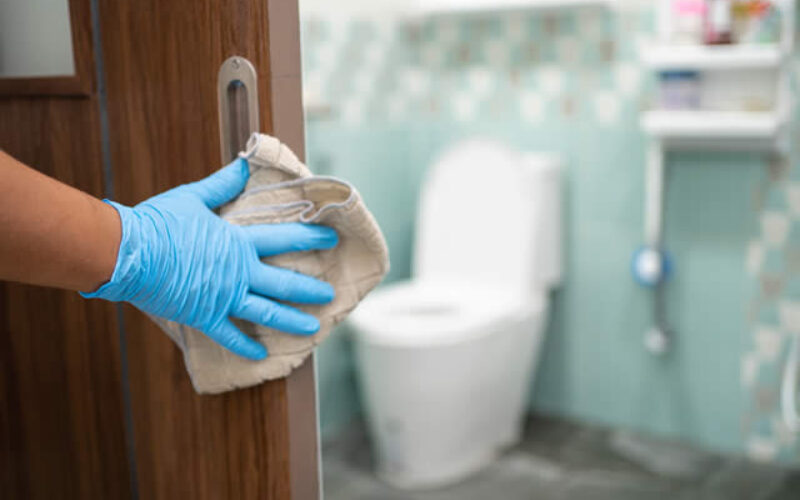
Creating a consistent daily cleaning schedule prevents dirt and germs from building up in your home. Focus on high-touch surfaces such as doorknobs, light switches, remote controls, and kitchen countertops, as these areas harbor the most bacteria.
Wiping these surfaces with appropriate disinfectants each morning or evening takes only minutes but significantly reduces pathogen transmission among household members. When cleaning becomes a predictable part of your day, family members can share responsibilities more easily and the practice is less likely to be skipped.
Consistency matters more than intensity when it comes to maintaining sanitary conditions, since germs multiply rapidly when surfaces are neglected for extended periods.
why use a duster

Guide To Choosing The Right Duster For Every Surface In Your Home
Dust accumulates relentlessly in every corner of your home—on ceiling fans, beneath furniture, along baseboards, and across delicate surfaces.

Focus on Kitchen and Bathroom Hygiene
The kitchen and bathroom are the two most critical areas in any home from a sanitary perspective. In the kitchen, bacteria such as salmonella and E. coli thrive on cutting boards, countertops, and around the sink if not properly cleaned and disinfected.
Always wash cutting boards immediately after preparing raw meat or poultry, and sanitize them with hot water or a mild bleach solution. Bathroom surfaces, including the toilet, sink, and shower, require regular disinfection since these areas are exposed to moisture that encourages mold and bacterial growth.
Pay special attention to grout lines in showers and around tubs, as mold can accumulate unnoticed and pose respiratory risks. Ensure ventilation fans run during and after showers to reduce humidity, which directly decreases the likelihood of mold and mildew development.
Maintain Proper Laundry and Bedding Practices
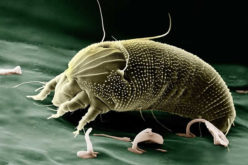
Contaminated fabrics are often overlooked sources of germs and allergens in homes. Wash bed linens, including sheets and pillowcases, in hot water at least once per week to eliminate dust mites, bacteria, and dead skin cells.
If anyone in your household is ill, wash their bedding and towels more frequently, using the hottest water appropriate for the fabric. Kitchen towels should be washed every two to three days since they contact raw foods and hands regularly, while bathroom hand towels used by multiple people should be changed every three to four days.
When drying laundry, use the warmest dryer setting suitable for your fabrics, as heat further reduces pathogens that survive the washing process.
Implement a Trash and Waste Management System
Proper waste disposal prevents pest infestations and reduces odors that indicate bacterial growth. Empty trash cans daily, particularly in the kitchen and bathrooms where waste can decompose quickly and attract insects.
Use trash bags that fit your cans securely, and tie them before placing them in outdoor bins to prevent spillage and pest access. Store organic waste, such as food scraps, in a sealed container until trash day rather than leaving it loose in the can, where it becomes a breeding ground for bacteria and attracts rodents.
Clean the inside of trash cans periodically with disinfectant or a mild bleach solution to remove residue that accumulates on the sides and bottom.
For households seeking a non-toxic alternative when sanitizing frequently touched surfaces and waste areas, HOCL Cleaner is an option that eliminates pathogens without leaving the chemical residue commonly associated with traditional bleach products.
A consistent waste management system is fundamental to preventing contamination from spreading to other areas of the home.
Regulate Indoor Air Quality and Humidity
Airborne pathogens and allergens contribute significantly to household sanitation concerns. Opening windows regularly allows fresh air circulation, which dilutes airborne contaminants and reduces moisture accumulation that encourages mold growth.
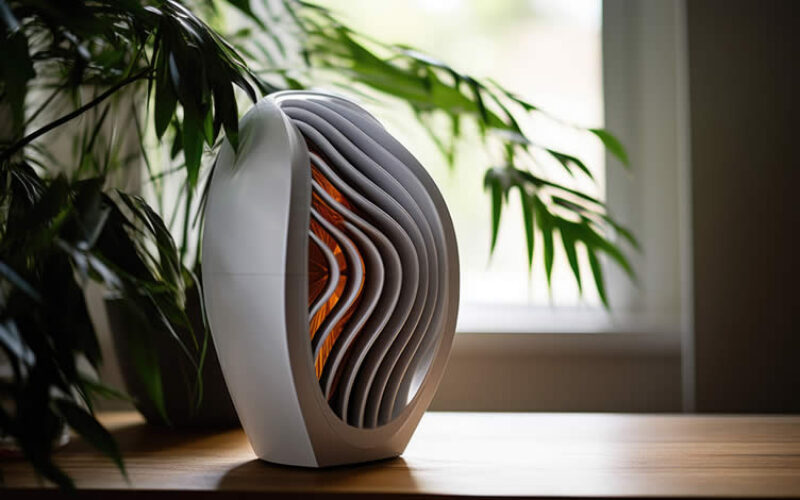
If opening windows is not feasible due to weather or location, air purifiers with HEPA filters can capture particles such as dust, pollen, and some bacteria. Maintain indoor humidity levels between 30 and 50 percent, as both excessive moisture and dry air create conditions where germs thrive.
Use dehumidifiers in damp areas such as basements or bathrooms, and ensure that your home’s ventilation system functions properly to prevent stagnant air. Proper humidity control and air circulation are invisible but essential components of a sanitary home environment.
Breathe Easy
Air purifiers and sanitizers provide a vital solution for families managing allergies.
By efficiently targeting allergens, pollutants, and harmful particles, these devices transform your home into a haven of cleaner, healthier air.
With every breath, you and your loved ones can enjoy comfort and peace of mind, knowing your environment is designed for better living.
view ideas: Guide to Air Purifiers (new win)
Conclusion
Maintaining a sanitary home requires a multifaceted approach that goes beyond basic cleaning. By establishing daily routines, prioritizing kitchen and bathroom sanitation, managing laundry properly, controlling waste effectively, and regulating air quality, you create an environment where your family can live healthfully.
These practices do not demand excessive time or resources; they require consistency and an understanding of where germs accumulate and how they spread. Small, deliberate actions performed regularly yield far better results than infrequent deep cleaning sessions.
Applying these sanitary habits consistently will produce measurable improvements in your household’s overall health and comfort over time.
home improvement ideas to consider (complete directory – new win):


Find Home Cleaning Services Home Cleaning Carpet-Drapes Property Clean-Up Windows top-rated, pre-screened local contractors FREE: download contractor selection enter zip code – powered by HomeAdvisor ™


Image credit: by envato.com
end of post … please share it!
| more photo remodeling |
Jump Over to Our Photo Analysis Center for Ideas on
"Renovating Home"
|__________________________________________________________|
home remodeling surprise
find out where it might go - new win


Helpful article? Leave us a quick comment below.
And please share this article within your social networks.