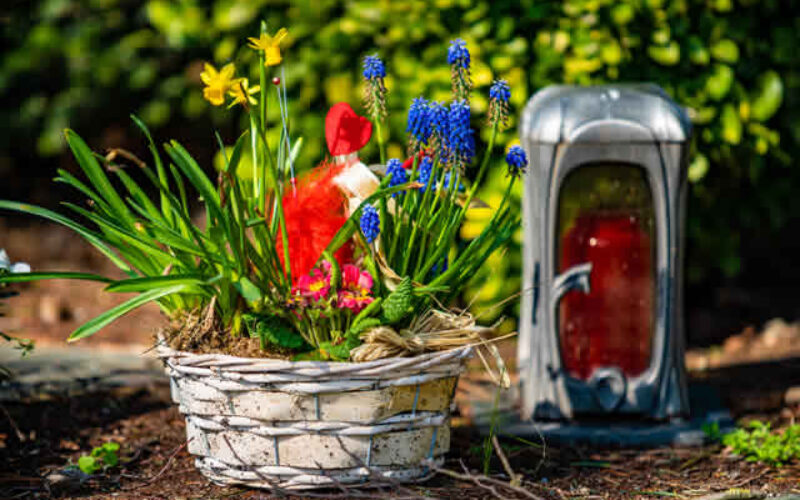
Maybe you have a beautiful lawn but it feels empty, or perhaps you have some lovely flowers but the overall look lacks cohesion. That’s where garden décor comes in.
It’s the secret ingredient that transforms a simple plot of land into an extension of your home. Whether you are looking to create a cozy corner for reading, a vibrant space for entertaining, or a peaceful retreat for meditation, the right décor elements can make all the difference.
This guide explores the vast world of yard and garden décor, breaking it down into manageable categories so you can craft your dream space with confidence.
- post content
Plantings as Décor
We often think of plants simply as the background canvas, but they can be the most striking décor elements in your garden. Using living things as structural or artistic features adds a dynamic quality that inanimate objects just can’t match.
-
Specimen Trees and Shrubs
Think of a specimen tree or shrub as the statement piece of your garden furniture. These are plants chosen for their unique shape, vibrant color, or interesting texture to stand alone as a focal point.
A weeping cherry tree with its cascading branches or a Japanese maple with its brilliant red leaves can anchor a garden bed or frame a view. When selecting a specimen, consider how it will look throughout the seasons—bark texture and branch structure can be just as important in winter as blooms are in spring.
-
Hedges and Labyrinth Hedges
Hedges are the walls of your outdoor rooms. They define boundaries, create privacy, and guide the flow of foot traffic. A neatly trimmed boxwood hedge brings a sense of formal elegance and order, while a loose, flowering hedge of hydrangeas offers a softer, more romantic feel.
For those with more space and a sense of whimsy, labyrinth hedges offer an interactive element, inviting guests to slow down and take a mindful walk through your living puzzle.
-
Topiary
Topiary is the art of training plants into specific shapes, turning greenery into living sculpture. While grand estates might feature elaborate animals or geometric giants, you can bring this charm to your own yard on a smaller scale.
Simple potted topiaries flanking a doorway add instant sophistication. With patience and a good pair of shears, yews and boxwoods can be shaped into spirals, cones, or spheres that add architectural interest to your beds.
-
Ornamental Grasses
If you want to add movement and sound to your garden, look no further than ornamental grasses. They sway beautifully in the breeze, creating a soothing rustling sound that enhances the sensory experience of your outdoor space.
Their feathery plumes catch the light in the "golden hour" of the evening, adding a magical glow. From towering miscanthus that screens neighbors to low-growing fescue that softens edges, grasses are versatile décor tools.
-
Groundcovers
Groundcovers are the living carpets of the garden. They replace boring patches of mulch or struggle-prone turf with waves of color and texture. Creeping thyme, for example, releases a lovely scent when stepped on and fills the cracks between stepping stones perfectly.
Using groundcovers like pachysandra or vinca under trees creates a lush, finished look that ties the vertical and horizontal elements of your landscape together.
more info below about using ornamental grasses

Enhancing Outdoor Spaces with Ornamental Grasses in Landscape Design
Ornamental grasses have become a popular choice in landscape design due to their versatility, low maintenance, and year-round appeal. They come in a wide range of sizes, colors, and textures, making them suitable for a variety of design styles.

Natural Accents
Sometimes the best décor comes straight from nature itself. Incorporating non-living natural elements grounds your garden design and helps it feel established and harmonious with the environment.
-
Boulders and Rock Groupings
Large rocks and boulders act as the "bones" of the landscape. They provide weight and permanence, contrasting beautifully with the fleeting nature of blooms.
When placing boulders, bury the bottom third of the stone to make it look like it has been resting there for centuries, rather than just dropped on top of the soil. Grouping rocks of different sizes together creates a more natural, mountainside aesthetic.
-
Dry Creek Beds
A dry creek bed is both a stunning visual feature and a practical drainage solution. By arranging river rocks and stones in a meandering channel, you create the illusion of a waterway even when it’s dry.
This feature can break up large expanses of lawn, guide the eye through the garden, and direct rainwater away from your home’s foundation during storms.
-
Gravel or Mulch Patterns
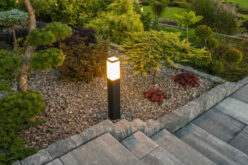
You don’t need plants to create patterns. Using different colors and textures of gravel or mulch can create striking designs on the ground plane.
A Zen garden, for instance, relies on raked gravel to represent rippling water. In a modern garden, bands of dark slate chips alternating with light decorative stone can create a chic, geometric floor for your outdoor room.
-
Moss Features
Moss brings an ancient, fairy-tale quality to the garden. It softens hard edges and adds a vibrant, velvety green that feels incredibly lush.
Encouraging moss to grow on rocks, between pavers, or on a dedicated "moss wall" creates a sense of age and tranquility. It thrives in shady, damp corners where grass often struggles, turning a problem area into a feature.
-
Log or Stump Planters
Instead of grinding out an old tree stump, view it as an opportunity. Hollowed-out logs or stumps make incredible, rustic planters.
As they slowly decompose, they feed the soil, but in the meantime, they serve as charming vessels for annuals, succulents, or ferns. This approach embraces the cycle of nature and adds a touch of woodland magic to your yard.
using stone for garden paths

Create a Stone Garden Path That Blends Beauty and Functionality
A stone garden path can elevate the beauty and functionality of any outdoor space. It provides a charming way to guide visitors through your garden while adding a touch of elegance and durability.
Vertical Structures
drawing the eye upward creates the illusion of more space and adds drama to your landscape. Vertical structures also provide support for climbing plants, marrying the hardscape with the softscape.
-
Arbors and Arches
An arbor or arch is a doorway without a door. It marks a transition from one area of the garden to another, signaling to visitors that they are entering a new space. Placed over a pathway and draped with climbing roses or clematis, it frames the view ahead and invites you to walk through.
-
Pergolas
Pergolas create a sense of enclosure without blocking out the sky. These open structures are perfect for defining a dining or seating area.
The overhead beams cast shifting shadows throughout the day, providing partial shade. Once covered in vines like wisteria or grape, a pergola becomes a lush, living ceiling that cools the space beneath.
-
Trellises
Trellises are the hardworking vertical elements that can be freestanding or attached to walls. They turn a blank garage wall into a vertical garden or screen off a utilitarian area like an air conditioning unit. Available in wood, metal, or vinyl, they can be as ornate or as simple as your style dictates.
-
Obelisks and Tuteurs
These freestanding pyramidal towers add instant height to flower borders. They act as exclamation points in the garden, breaking up the horizontal monotony of low-growing plants.
Use them to support sweet peas or morning glories, or let them stand alone as architectural sculptures in the winter garden.
-
Gazebos
For the ultimate destination spot, a gazebo offers a roofed, open-sided structure that provides full shelter from sun and rain. It is a room within the garden, a place to sit and admire your handiwork from a different perspective. It serves as a strong focal point that draws people out of the house and into the landscape.
-
Moon Gates
Borrowing from traditional Chinese garden design, a moon gate is a circular opening in a wall or fence. It frames the view beyond like a picture, inviting contemplation.
Stepping through a round gate feels like a special event, adding a touch of mystery and elegance to the garden journey.
an interesting viewpoint to consider

Useful Tips for Cultivating A Vertical Garden
A vertical garden, also known as green wall, moss wall, live wall and a few other things is a technique of gardening. This method employs a panel that is vertically suspended to grow plants with the aid of hydroponics. A vertical garden can stand on its own or be attached to a wall.
Built Elements
The "hardscape" provides the permanent structure of your yard. These built elements define spaces, offer security, and facilitate movement.
-
Fences and Gates
While primarily functional for privacy and safety, fences and gates are major design elements. A white picket fence says "cottage charm," while a horizontal slat fence reads "modern and sleek."
The gate is the handshake of your home; choosing one with interesting ironwork or a unique wood design sets the tone for what lies within.
-
Screens
Privacy screens are less substantial than fences but just as useful. They can be used to hide unsightly views (like the neighbor’s trash cans) or to create intimate nooks within a larger yard.
Laser-cut metal screens are trendy and cast beautiful shadow patterns, doubling as art pieces.
-
Garden Walls
Low stone or brick walls can define the edge of a patio or garden bed. They often double as extra seating when guests come over.
A retaining wall can tame a slope, creating usable flat terraces for planting where there was once just a steep hill.
-
Low Follies and Eyecatchers
A folly is a building constructed primarily for decoration rather than function. In a modern garden, this might be a low, ruined stone wall that looks like a remnant of an old building, or a decorative door frame standing alone in a flower bed. These "eyecatchers" provoke curiosity and conversation.
-
Bridges
Even if you don’t have water, a small footbridge can be a charming addition. Placed over a dry creek bed or a dip in the terrain, it suggests a journey. Bridges add a horizontal line and a sense of connection between two distinct areas of the yard.
-
Raised Beds
Raised beds are a boon for your back and your plants. They warm up faster in spring, drain better, and allow you to control the soil quality completely.
Visually, they add structure and order to a vegetable or cutting garden, keeping things looking tidy even when the plants are wild.
-
Edging
Edging is the eyeliner of the garden. A crisp edge between the lawn and the garden bed makes the whole yard look professionally maintained.
Whether you use brick, stone, metal, or just a sharp trench, distinct edging defines shapes and keeps grass from creeping where it isn’t wanted.
-
Outdoor Fireplaces and Fire Pits
Fire brings people together. A built-in fireplace acts as an anchor for an outdoor living room, providing warmth and a focal point.
A simpler fire pit offers a campfire vibe where family can gather to roast marshmallows. Both extend the usability of your garden into the cooler evening hours and autumn months.
using a raised garden bed to decorate the landscape
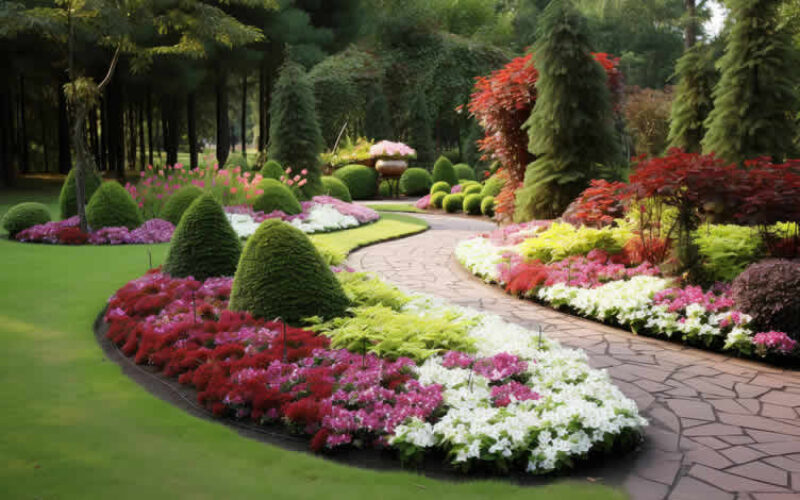
Elevate Your Outdoor Space with Stunning Garden Beds
transforming your outdoor space can significantly enhance the beauty and functionality of your home. One of the most impactful ways to achieve this is through the creation of stunning garden beds.
Freestanding Ornaments
These are the accessories of the garden—the jewelry that adds sparkle and personality.
-
Statues and Sculptures
From classic stone cherubs to abstract metal forms, statues reflect your personal taste. A Buddha statue can create a Zen vibe, while a whimsical metal rooster adds farmhouse flair.
Place sculptures where they can be discovered, like peeking out from behind a fern, rather than just centering them on the lawn.
-
Garden Stakes
Garden stakes are an easy, affordable way to add color and height. Topped with glass flowers, metal birds, or colorful spinners, they can fill in gaps in the border while young plants are growing in.
They are perfect for adding interest to pots and containers too.
-
Gazing Balls
Popular since the Victorian era, gazing balls are mirrored spheres that reflect the surrounding garden. They add a mystical quality and light to shady corners.
Because they reflect the sky and foliage, they change visually throughout the day and seasons.
-
Finials
Finials are decorative ornaments that top fence posts, gate pillars, or roof peaks. However, large architectural finials can also stand alone on the ground or on a pedestal as a sculptural element, adding a touch of historical grandeur.
-
Cairns
Stacked stone cairns represent balance and direction. Building one can be a meditative practice. In the garden, they serve as simple, organic sculptures that suggest a hiking trail or a spiritual marker.
-
Sundials
Before we had watches, we had the sun. A sundial is a timeless classic that connects your garden to the celestial movement. It invites you to pause and check the time the old-fashioned way, serving as a reminder to slow down.
-
Obelisks on Pedestals
An obelisk sitting atop a pedestal is a formal, classical statement. It draws the eye upward and adds a sense of history and importance to a specific spot, such as the intersection of two paths.
using metal for decor
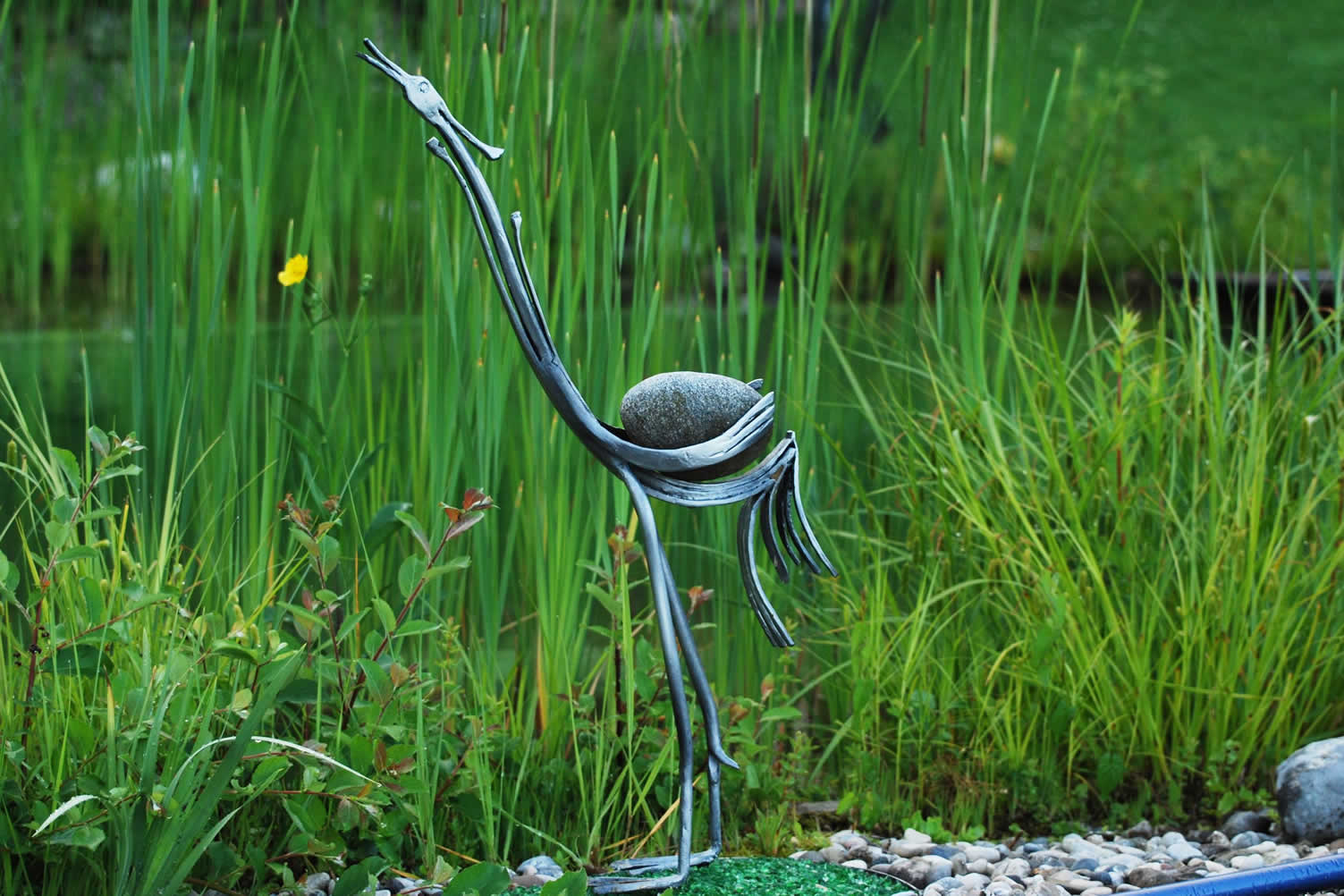
Using Garden Metal Art for Yard Decoration
You want something rustic looking for your yard – something that can take the weather and still look good after the season.
Mounted Décor
Don’t forget the vertical surfaces of your home, fences, and trees.
-
Tree Faces
Whimsical and fun, tree faces turn your majestic oaks into characters. These resin eyes, noses, and mouths attach to the bark, giving the tree a personality that delights children and adults alike.
-
Wall Plaques
Outdoor wall plaques can break up the monotony of a long fence or siding. They might depict botanical prints, suns, or moons, adding artistic relief to flat surfaces.
-
Signs and House Numbers
Functional doesn’t have to be boring. A customized sign for "Grandma’s Garden" or artistic house numbers add curb appeal and a personal stamp to your property.
-
Mirrors
An outdoor mirror is a magician’s trick. Placed on a fence or wall, it reflects the greenery, making a small garden feel twice as big. It acts like a window into another secret garden, adding depth and light to dark areas.
-
Fairy Doors
Tucked into the base of a tree or a stone wall, a tiny fairy door hints at a magical world hidden within your garden. It’s a subtle detail that rewards those who look closely.
-
Hanging Baskets on Brackets
Hanging baskets lift color off the ground to eye level. Decorative iron brackets can be just as beautiful as the flowers they hold, framing porches and doorways with cascading blooms.
yard n’ garden ideas for the upcoming season
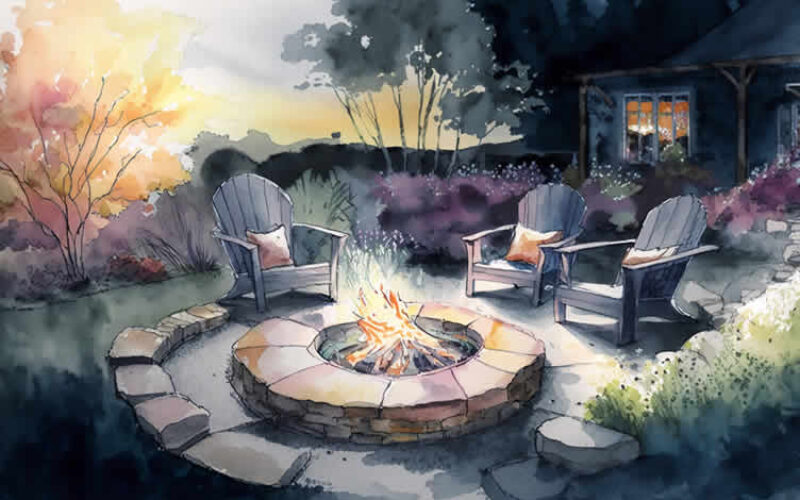
2026 Garden Trends: Creating Your Sustainable Outdoor Sanctuary
The upcoming trends for 2026 emphasize harmony, sustainability, and personal wellness. It is no longer just about curb appeal; it is about creating a sanctuary that feeds your soul and perhaps even your family.
Water Elements
Water is the source of life, and its presence in the garden is instinctively soothing.
-
Fountains
The sound of trickling water masks traffic noise and creates a serene atmosphere. Fountains come in endless styles, from bubbling urns to tiered classic structures. Even a small tabletop fountain can change the mood of a patio.
-
Birdbaths
A birdbath invites feathered friends into your yard, providing entertainment and natural pest control. It’s a simple water feature that requires no electricity or plumbing, just a regular scrub and refill.
-
Ponds
A garden pond is a complete ecosystem. It allows you to grow aquatic plants like water lilies and keep fish like koi. The reflective surface adds a sense of calm and expansion to the yard.
-
Waterfalls
Whether cascading into a pond or disappearing into a hidden reservoir (pondless), a waterfall adds dynamic energy and significant sound. It is often the centerpiece of a backyard retreat.
-
Rills
A rill is a narrow, shallow channel of water that flows through the garden. It is often straight and formal, mimicking irrigation channels of ancient gardens. It guides the eye and cools the air.
-
Wall Fountains
Perfect for small spaces, wall fountains mount directly on a fence or wall. They provide the soothing sound of water without taking up any floor space.
-
Rain Chains
Replacing a traditional downspout with a rain chain turns a storm into a spectacle. The water visibly travels down the cups or links, creating a beautiful vertical water feature whenever it rains.
-
Water Bowls
Simple, still bowls of water reflect the sky and offer a drink to insects and birds. They are a minimalist’s water feature, offering Zen-like tranquility with zero fuss.
what’s need for a garden fountain
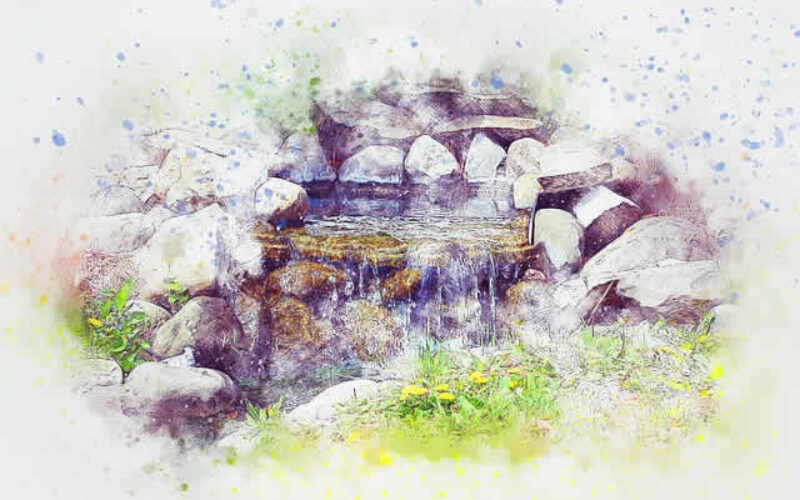
How to Best Prepare Your Garden For a Fountain Installation
According to Forbes, a fountain is useful in adding style and atmosphere to any landscaping work. However, if you’re contemplating including one on your lawn, ensure you thoroughly and adequately prepare your home.
Wildlife Pieces
Sharing your garden with nature brings it to life.
-
Birdhouses and Nest Boxes
Providing shelter encourages birds to stay and raise families in your yard. Different species prefer different hole sizes and heights, so research who you want to attract. A row of colorful birdhouses on a fence is cheerful art.
-
Bird Feeders
Feeders bring birds up close for viewing. From tube feeders for finches to platform feeders for cardinals, they turn your window into a nature documentary.
-
Bee Houses
Solitary bees are gentle, super-pollinators. A bee house made of bamboo tubes or drilled wood gives them a place to lay eggs, helping your flowers and veggies thrive.
-
Butterfly Houses
These tall, narrow houses with slotted openings offer butterflies protection from wind and predators. Placing one near nectar-rich flowers encourages these winged jewels to stick around.
-
Bat Boxes
Bats are the ultimate mosquito control. A bat box mounted high on a tree or pole provides a safe roost for these nocturnal heroes.
-
Toad Houses
A broken clay pot or a cute ceramic "toad abode" offers a cool, damp retreat for toads, who will repay you by eating slugs and bugs in your garden.
building a bird paradise

Hey Birdie, Birdie – Welcome To My Backyard
Creating a bird-friendly backyard is a wonderful way to connect with nature and enjoy the beauty of wildlife right outside your door.
Sound and Motion
A garden isn’t just a visual experience; it should engage all the senses.
-
Wind Chimes
From deep, resonant tubes to tinkling glass, wind chimes interpret the invisible breeze into music. Choose a tone that you find relaxing and hang them where they catch the wind.
-
Mobiles
Outdoor mobiles dance in the air currents. They add kinetic energy and can be mesmerizing to watch as they balance and turn.
-
Kinetic Sculptures
These are art pieces designed to move. Wind sculptures with spinning cups or blades add a hypnotic, rhythmic movement that changes speed with the weather.
-
Whirligigs
Whirligigs are folk art classics. These wind-driven mechanical toys often depict busy scenes—a woodcutter chopping or a bird flying—adding a playful, nostalgic touch.
-
Wind Spinners
Often made of colorful metal, wind spinners rotate rapidly in the breeze, creating a blur of color. They are eye-catching and fun, perfect for livening up a vegetable patch.
you will enjoy this

The Sound of Wind Chimes During a Summer Breeze
Wind chimes possess a unique blend of ornamental beauty and melodious tones, making them a captivating addition to any garden landscape. Not only do they add a visual element that complements the natural beauty of your outdoor space, but the soothing sounds they produce can create a tranquil and serene atmosphere.
Furniture
Finally, you need a place to sit and enjoy it all. Furniture turns a garden into a living space.
-
Benches
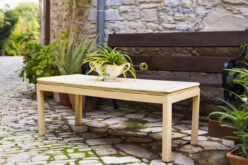
A bench placed at the end of a path gives you a destination. It says, "Come here, sit, and rest awhile."
-
Chairs and Loungers
Adirondack chairs around a fire pit or a chaise lounge by the pool offer specialized comfort. They define the function of that area of the yard.
-
Swings and Hammocks
There is nothing more relaxing than gently rocking in the fresh air. A porch swing or a hammock strung between trees invites naps and daydreams.
-
Bistro Sets
A small table and two chairs fit even the tiniest balcony. It creates an intimate spot for morning coffee or an evening glass of wine.
-
Stools and Garden Seats
Ceramic garden stools are the ultimate multitaskers. They serve as extra seating, a side table for a drink, or simply a splash of color and glaze in a green corner.
for outside entertainment
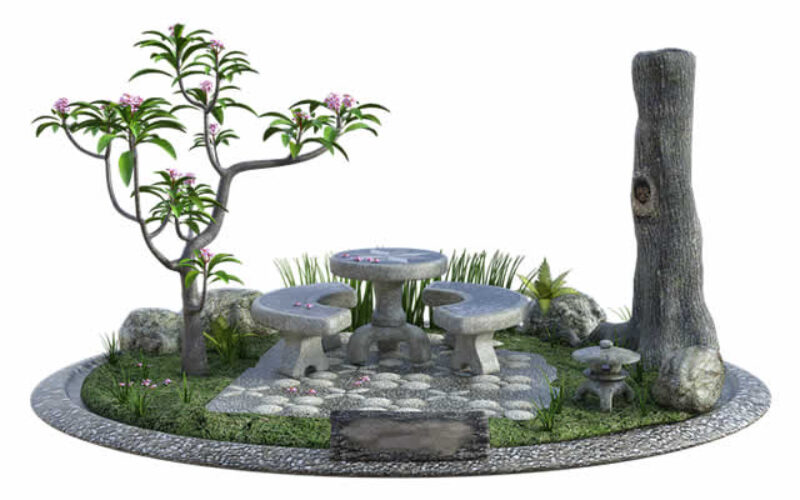
How to Style Your Outdoor Entertaining Area
Are you the type that loves entertaining? Do you like to be the designated house for all the family gatherings, and the place you and your friends seem to get together? If so, then there is no doubt you’ve put effort into making your home entertainment-friendly, but if you haven’t included the exterior in your plans, then you’re missing out on a massive potential.
Conclusion
Your yard is a canvas, and these décor categories are your palette. You don’t need to use them all. Start with the basics—perhaps a bench and a birdbath—and slowly layer in other elements that speak to you.
Remember, the goal isn’t perfection; it’s creating a space where you feel connected to nature and at peace in your home. So go ahead, plant that specimen tree, hang those wind chimes, and make your garden truly your own.
other related analysis of interest: (new win)
7 Stunning Pool Designs That Will Transform Your Backyard Oasis
Transform Your Outdoor Space with Beautiful Container Gardening
| Category | Description | Examples |
|---|---|---|
| Plantings as Décor | Plants can serve as structural and artistic elements in your garden, adding color, texture, and movement. | Specimen Trees (e.g. Weeping Cherry), Hedges (e.g. Boxwood), Topiary, Ornamental Grasses, Groundcovers |
| Natural Accents | Using non-living natural elements enhances garden aesthetics and connects it to the environment. | Boulders, Dry Creek Beds, Gravel Patterns, Moss Features, Log Planters |
| Vertical Structures | These elements draw attention upward, create drama, and support climbing plants. | Arbors, Pergolas, Trellises, Obelisks, Gazebos |
| Water Elements | Water features provide a calming atmosphere and enhance sensory experiences in your garden. | Fountains, Ponds, Waterfalls, Birdbaths, Rain Chains |
| Wildlife Pieces | Encourage wildlife interaction with dedicated shelters and feeding stations in your garden. | Birdhouses, Bee Houses, Bat Boxes, Toad Houses |
| Furniture | Transforms your garden into a functional and inviting living space for relaxation and entertainment. | Benches, Chairs, Swings, Hammocks, Bistro Sets |

Find Landscaping Decor Landscape Design Sprinkler Systems Metal Work Water Features top-rated, pre-screened local contractors FREE: download contractor selection enter zip code – powered by HomeAdvisor ™


Image credit: yard and garden decor by envato.com
end of post … please share it!
| more photo remodeling |
Jump Over to Our Photo Analysis Center for Ideas on
"Renovating Home"
|__________________________________________________________|
home remodeling surprise
find out where it might go - new win


Helpful article? Leave us a quick comment below.
And please share this article within your social networks.